Gender Roles in Rural American Society: Continuity and Change

Gender Roles in Rural American Society: Continuity and Change

Introduction Gender is one of the most important dimensions of social organization, influencing family relationships, employment opportunities, political participation, and cultural expectations. In rural America, gender relations have historically been shaped by agricultural production, family traditions, religious institutions, and community networks. However, economic restructuring, technological development, educational expansion, and changing cultural attitudes have transformed the … Read more

Rural Women in America: Labor, Family and Social Status — A Sociological Perspective

Explore Rural Women in America through sociology, examining labor, family responsibilities, gender inequality, economic challenges, education, and social status.

Introduction Rural Women in America play an important role in shaping the economic, social, and cultural life of rural communities across the United States. Their contributions extend beyond agricultural production to include paid employment, household management, childcare, eldercare, community development, and the preservation of local traditions. However, their social experiences are influenced by gender inequality, … Read more

Funding Uncertainty Threatens Livelihood Support for Urban Poor Women

Funding Uncertainty Threatens Livelihood Support for Urban Poor Women

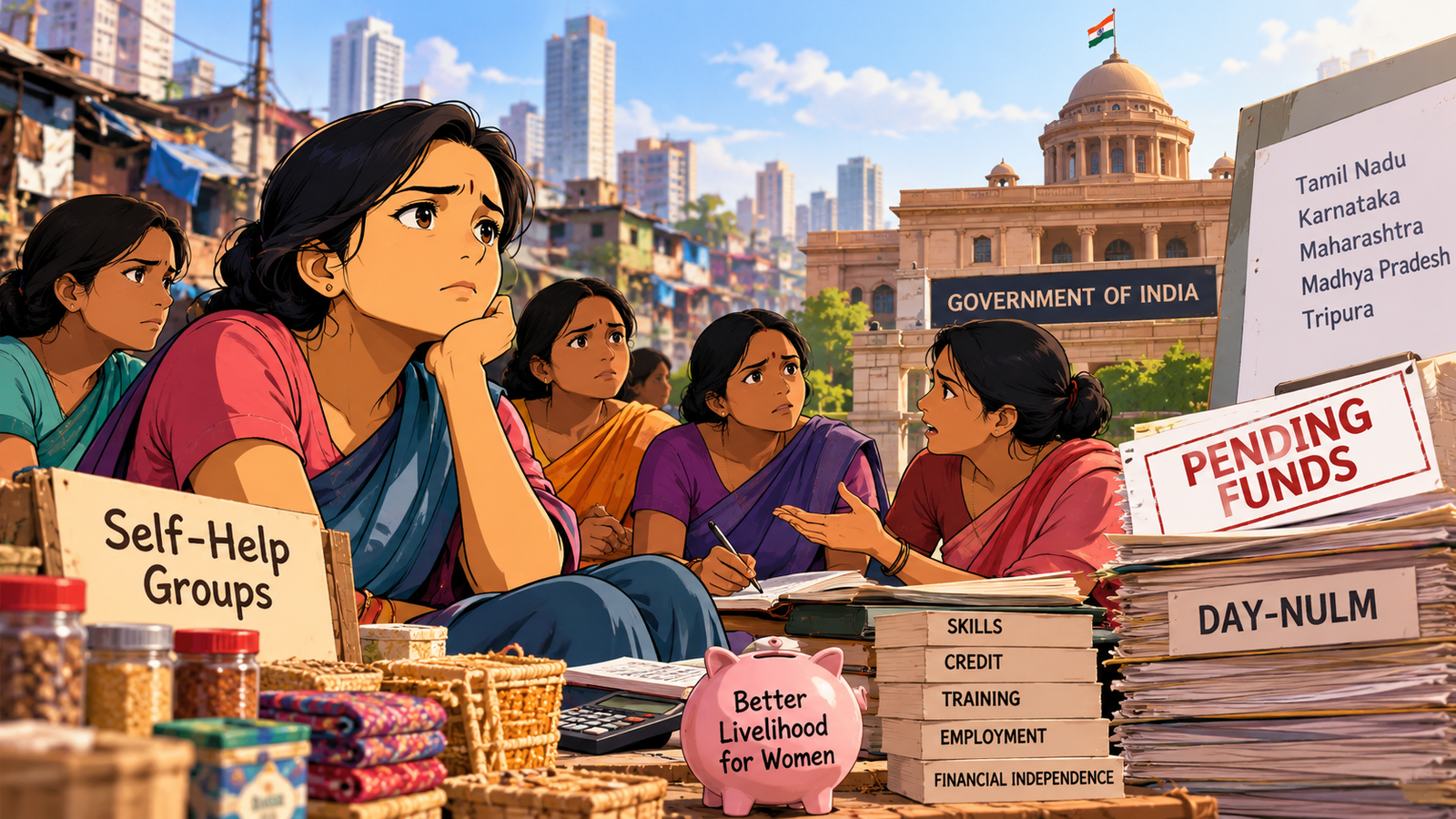
Introduction: When Welfare Funding Becomes a Question of Survival For millions of women living in India’s urban settlements, economic survival depends on more than finding employment. Access to affordable credit, self-help groups, vocational training, collective savings, and government-supported livelihood initiatives can determine whether a household remains financially stable during periods of crisis. However, uncertainty surrounding … Read more

Gender Inequality and Feminist Movements in U.S. Society: A Sociological Perspective

Housing Crisis and Urban Inequality in California: A Sociological Perspective

Introduction on Gender Inequality and Feminist Movements Gender inequality has been one of the most persistent forms of social inequality in the United States. Despite constitutional guarantees of equality and decades of social reform, disparities based on gender continue to shape access to education, employment, political power, healthcare, and social recognition. Sociology approaches gender inequality … Read more

Gender Inequality and Feminist Movements in U.S. Society: A Sociological Analysis

Durkheim and the Science of Social Facts

Gender inequality has been one of the most persistent and deeply rooted social issues in the United States, shaping institutions, cultural norms, and interpersonal relations for centuries. From employment discrimination and political underrepresentation to gender violence and cultural stereotypes, inequality manifests across multiple dimensions of social life. At the same time, the United States has … Read more

Gender Inequality in the 21st Century: What Sociology Explains

Age and Sex Composition and Its Consequences: A Sociological Perspective

Introduction Gender inequality continues to be one of the most persistent social problems of the 21st century, despite significant progress in education, employment, and political participation. From wage gaps to domestic labor divisions, from media portrayals to global representation, inequality based on gender persists in both visible and subtle forms. Sociology, as the systematic study … Read more

Challenges to Education in India: Educational Inequality and Educational Quality

Digital India and Social Transformation: A Sociological Perspective

Introduction on Challenges to Education in India Education in India has long been regarded as a cornerstone of social progress, economic growth, and democratic development. It is enshrined as a fundamental right under Article 21A of the Indian Constitution, emphasizing universal access and equality of opportunity. However, despite significant expansion in educational infrastructure and policy … Read more

Gender and Social Stratification: A Sociological Perspective

Explore Inequality in Louisiana through a sociological lens, analyzing race, culture, economic disparity, education gaps, and environmental injustice in the state.

Introduction on Gender and Social Stratification Social stratification refers to the hierarchical arrangement of individuals and groups in society based on unequal distribution of resources, opportunities, and power. Traditionally, sociologists have examined stratification through class, caste, race, and ethnicity. However, gender has increasingly been recognized as a crucial dimension of stratification because it deeply influences … Read more