Funding Uncertainty Threatens Livelihood Support for Urban Poor Women
Funding Uncertainty Threatens Livelihood Support for Urban Poor Women

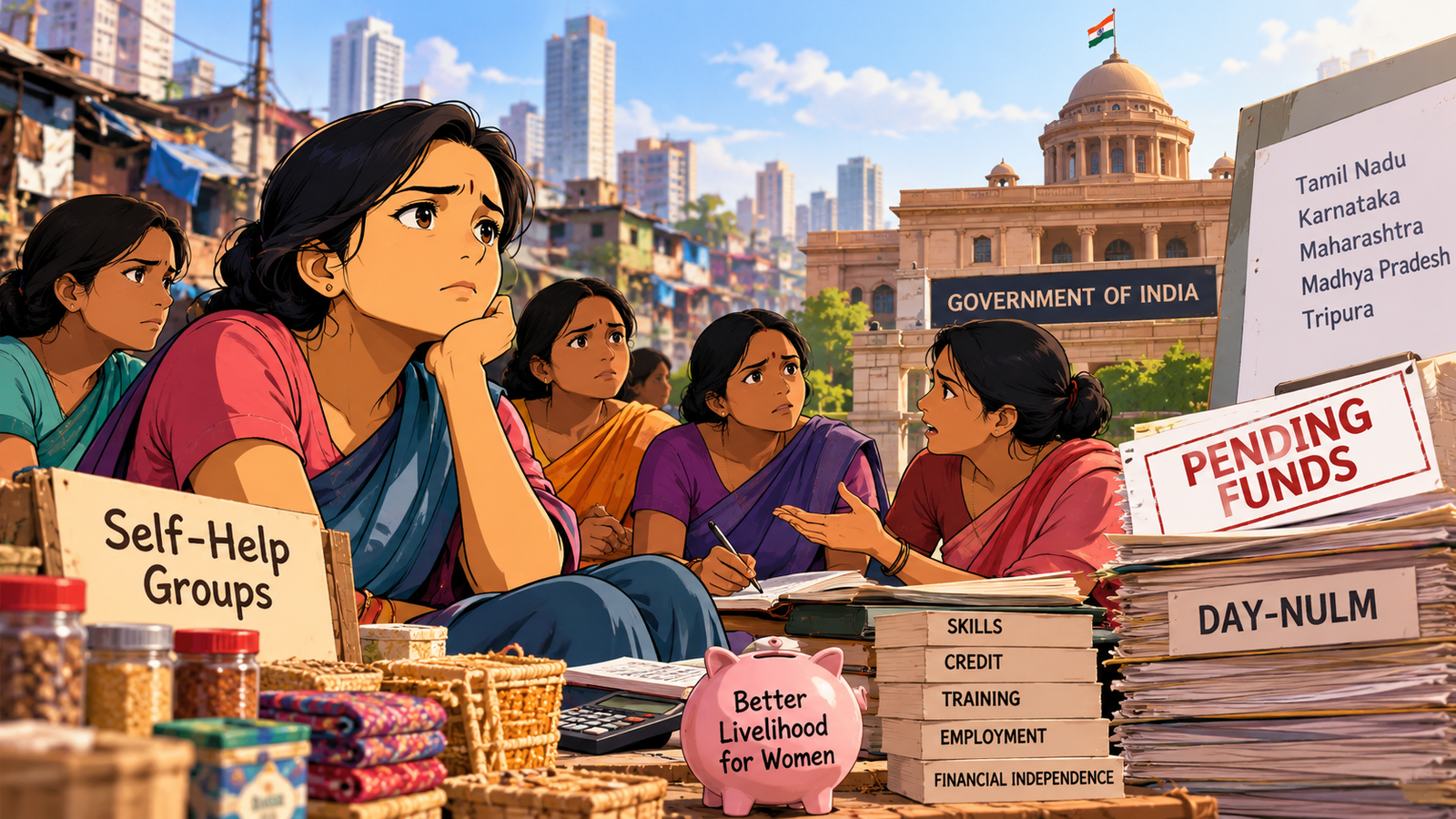
Introduction: When Welfare Funding Becomes a Question of Survival For millions of women living in India’s urban settlements, economic survival depends on more than finding employment. Access to affordable credit, self-help groups, vocational training, collective savings, and government-supported livelihood initiatives can determine whether a household remains financially stable during periods of crisis. However, uncertainty surrounding … Read more


Gender Equality in South Korea: Progress and Challenges – A Sociological Analysis

Gender Equality in South Korea: Progress and Challenges – A Sociological Analysis

Introduction on Gender Equality in South Korea Gender equality has become a defining issue in South Korea’s social development over the past few decades. Once a deeply patriarchal society rooted in Confucian traditions, South Korea has witnessed substantial progress in women’s rights, education, and participation in the workforce. However, despite these advancements, gender inequality persists … Read more

Gender Inequality in the 21st Century: What Sociology Explains

Age and Sex Composition and Its Consequences: A Sociological Perspective

Introduction Gender inequality continues to be one of the most persistent social problems of the 21st century, despite significant progress in education, employment, and political participation. From wage gaps to domestic labor divisions, from media portrayals to global representation, inequality based on gender persists in both visible and subtle forms. Sociology, as the systematic study … Read more

Role of Women Empowerment Programs in Rural India: A Sociological Perspective

Community Development Programme and Changes in Indian Villages: A Sociological Perspective

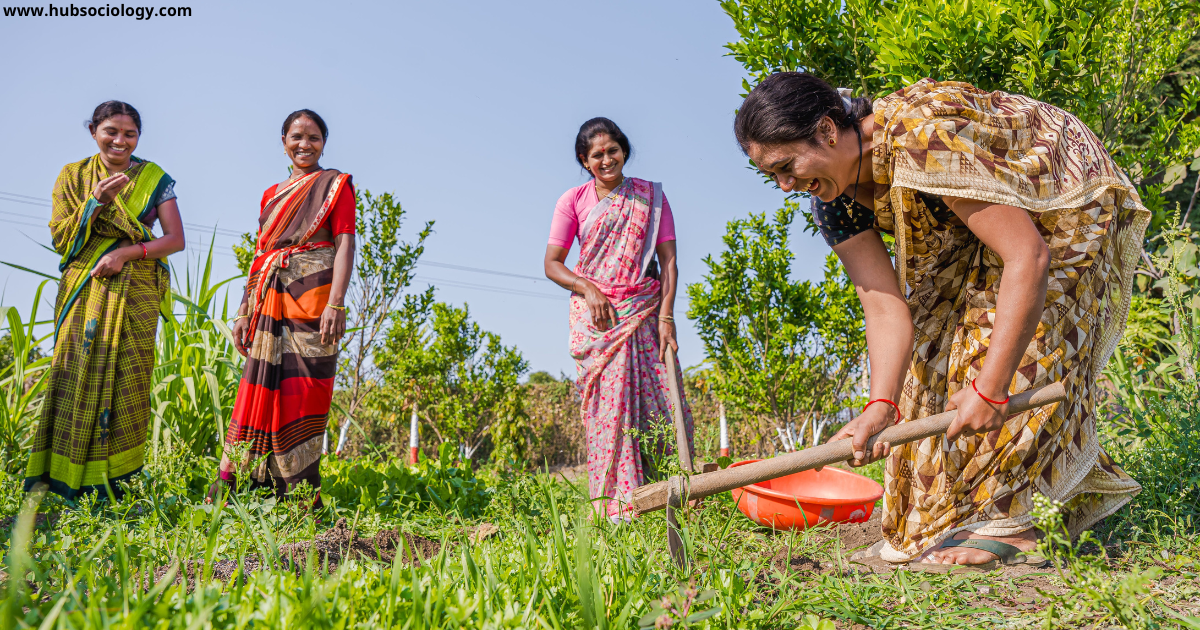
Introduction Women empowerment is a critical aspect of social development, particularly in rural India, where patriarchal norms and socio-economic disparities have historically restricted women’s opportunities. Empowerment programs aim to enhance women’s social, economic, and political participation, fostering gender equality and sustainable development. From a sociological perspective, these initiatives challenge traditional gender roles, improve women’s agency, … Read more