Introduction on Social Inequality in South Dakota
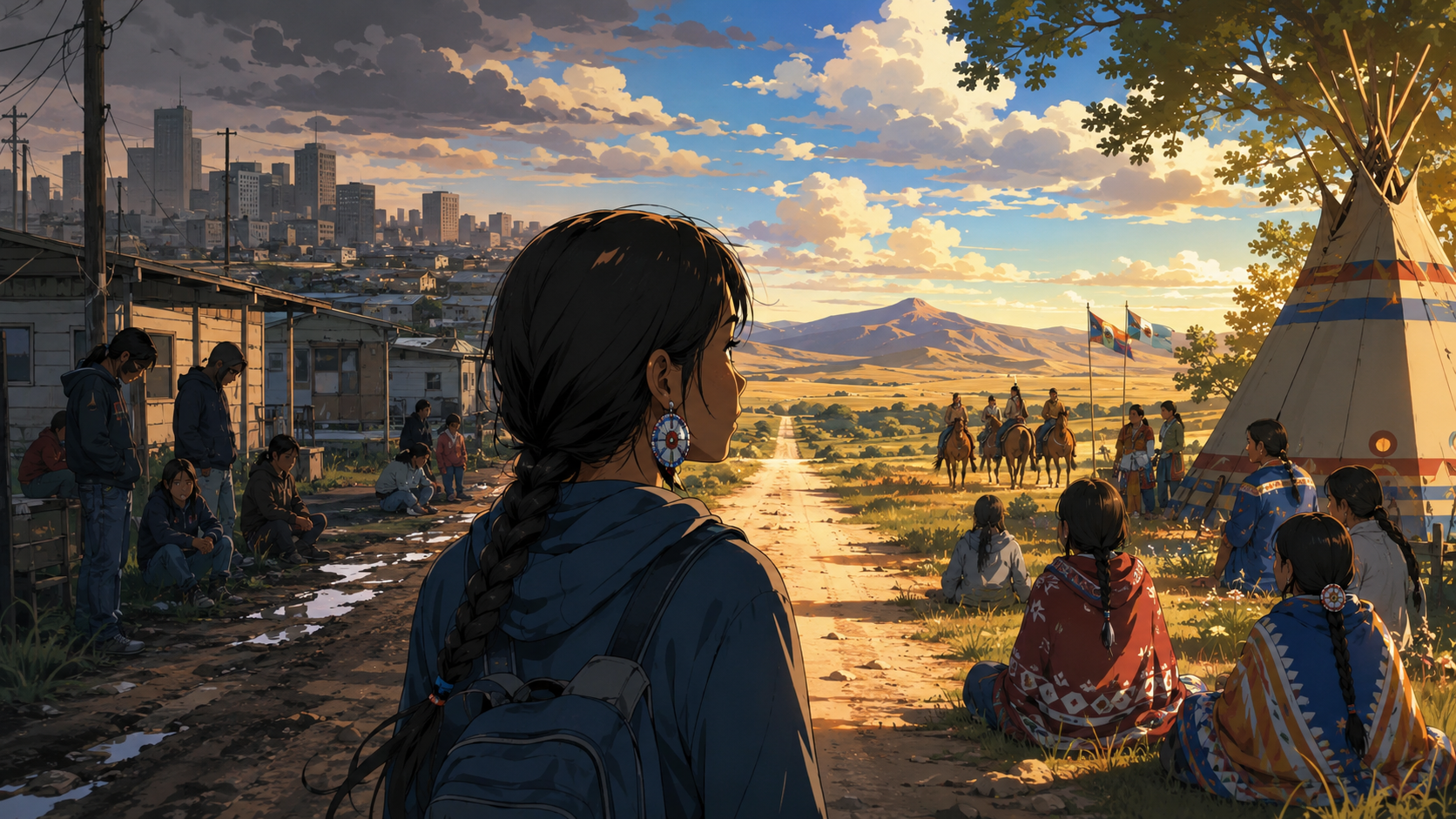
The study of Indigenous reservations and social inequality in South Dakota is one of the most significant subjects in contemporary sociology. South Dakota is home to several Native American nations, particularly the Lakota, Dakota, and Nakota peoples, whose communities have faced centuries of colonial displacement, economic marginalization, and cultural suppression. Today, reservations such as Pine Ridge, Rosebud, Standing Rock, Cheyenne River, and Crow Creek continue to experience high levels of poverty, unemployment, inadequate healthcare, and educational inequality. At the same time, these communities preserve strong cultural identities, tribal traditions, and collective resistance against structural injustice.
From a sociological perspective, social inequality on Indigenous reservations cannot be understood simply as individual failure or lack of effort. Instead, it is closely linked with historical oppression, forced assimilation, racial discrimination, political exclusion, and unequal access to resources. The reservation system itself emerged from colonial policies that confined Native communities to isolated lands with limited economic opportunities. These structural conditions continue to shape the lives of Indigenous peoples in South Dakota today.
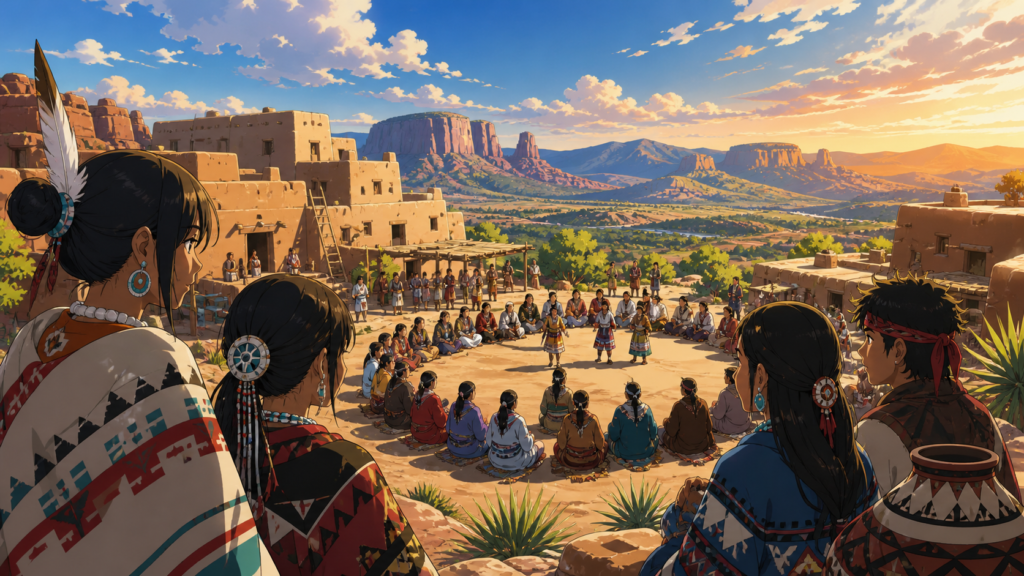
Table of Contents
Historical Background of Indigenous Reservations
The roots of reservation inequality in South Dakota lie in the history of European colonization and U.S. expansion. Indigenous nations originally occupied vast territories across the Great Plains. The Lakota Sioux, in particular, maintained strong cultural and political systems centered around communal life, buffalo hunting, spirituality, and kinship networks.
During the nineteenth century, the U.S. government increasingly seized Indigenous lands through treaties, military campaigns, and forced removals. The reservation system became a strategy for controlling Native populations and opening land for white settlement. Many tribes were relocated to lands considered economically undesirable and geographically isolated.
One of the most traumatic events in South Dakota history was the Wounded Knee Massacre of 1890, where hundreds of Lakota men, women, and children were killed by U.S. troops. This event symbolized the violent suppression of Indigenous resistance and marked the decline of Native political autonomy in the region.
The Dawes Act of 1887 further fragmented tribal lands by dividing communal territory into individual allotments. Large portions of Native land were eventually transferred to non-Native settlers. This policy weakened traditional social structures and intensified poverty within reservations.
Another important factor was the boarding school system. Indigenous children were forcibly removed from their families and placed in institutions designed to erase Native languages and cultural practices. Students were punished for speaking Indigenous languages or practicing tribal traditions. These policies produced long-term psychological and social trauma that continues across generations.
Major Indigenous Reservations in South Dakota
South Dakota contains nine federally recognized tribal reservations. These include:
- Pine Ridge Reservation
- Rosebud Reservation
- Standing Rock Reservation
- Cheyenne River Reservation
- Crow Creek Reservation
- Yankton Sioux Reservation
- Lower Brule Reservation
- Flandreau Santee Sioux Reservation
- Lake Traverse Reservation
These reservations represent not only geographical territories but also political and cultural spaces where tribal sovereignty continues to exist. Indigenous communities maintain their own governments, courts, educational systems, and cultural institutions.
Among these reservations, Pine Ridge Reservation often receives sociological attention because of its severe poverty and social inequality. Reports suggest extremely high unemployment rates, overcrowded housing, and widespread health disparities.
Understanding Social Inequality in Sociological Perspective
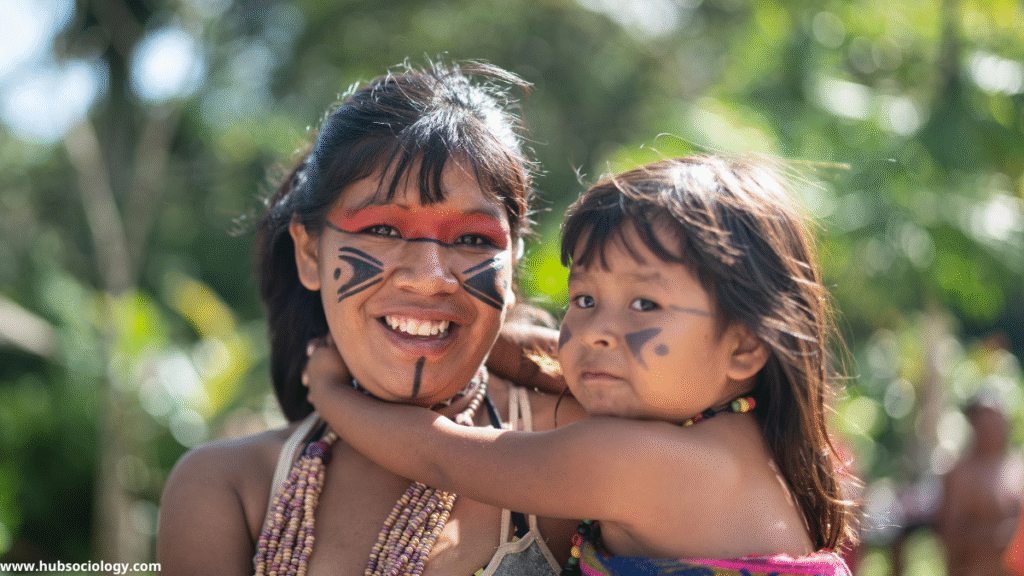
Social inequality refers to the unequal distribution of resources, opportunities, privileges, and power within society. Sociologists analyze inequality not only through income differences but also through race, ethnicity, education, healthcare, housing, and political representation.
Indigenous reservations in South Dakota illustrate structural inequality. Structural inequality means that social systems themselves produce unequal outcomes. Native communities often face disadvantages because of historical and institutional barriers rather than personal shortcomings.
Several sociological theories help explain Indigenous inequality:
Conflict Theory
Conflict theorists argue that inequality emerges from struggles over power and resources. Indigenous peoples lost control over land, natural resources, and political authority during colonization. Wealth and economic development largely benefited white settlers while Native populations experienced dispossession and exclusion.
Structural Functionalism
From a functionalist perspective, social institutions should maintain stability and social order. However, when institutions such as education, healthcare, and labor markets fail to provide equal opportunities, social dysfunction develops. Reservation poverty demonstrates how unequal institutions create long-term social instability.
Symbolic Interactionism
Symbolic interactionists examine how stereotypes and social labels shape Indigenous experiences. Native Americans have often been represented through negative stereotypes in media and education. These representations contribute to discrimination, prejudice, and social exclusion.
Postcolonial Sociology
Postcolonial approaches emphasize the continuing effects of colonial domination. Reservations are viewed as products of settler colonialism where Indigenous peoples remain politically and economically marginalized even after formal colonization ended.
Poverty and Economic Marginalization
Poverty remains one of the most visible forms of social inequality on South Dakota reservations. Many reservations experience poverty rates far above the national average. Limited employment opportunities, geographic isolation, and lack of infrastructure contribute to persistent economic hardship.
Sociologists describe reservations as areas of concentrated poverty where multiple disadvantages exist together. High unemployment, weak economic investment, inadequate transportation, and low wages reinforce one another.
The reservation economy historically depended on federal assistance programs because traditional economic systems were disrupted through colonial policies. Modern economic opportunities remain limited in many rural reservation communities. Young people often migrate to urban areas searching for jobs, which can weaken community stability and family networks.
At Pine Ridge Reservation, unemployment rates have been reported at extremely high levels, limiting social mobility and increasing dependency on welfare support.
Housing inequality is another major issue. Many reservation homes experience overcrowding, poor sanitation, and inadequate infrastructure. Overcrowded housing can contribute to stress, illness, domestic conflict, and educational difficulties for children.
Educational Inequality
Education is a central sociological institution that shapes social mobility and cultural identity. Indigenous communities in South Dakota have historically faced educational discrimination and cultural exclusion.
Boarding schools attempted to erase Native identity through forced assimilation. Indigenous children were separated from families, forbidden from speaking their languages, and trained according to Euro-American cultural norms. The long-term effects included language loss, intergenerational trauma, and distrust toward formal educational institutions.

Even today, Indigenous students often encounter unequal educational conditions. Schools on or near reservations may suffer from underfunding, teacher shortages, poor infrastructure, and limited educational resources. Educational curricula have also historically ignored Indigenous perspectives and histories.
Sociologically, educational inequality affects future employment, income, and social status. Students facing poverty and unstable housing may struggle academically. At the same time, racial discrimination and cultural alienation can reduce school participation and achievement.
However, many tribal communities are actively working to strengthen culturally relevant education. Programs that teach Lakota language, Indigenous history, and tribal traditions help preserve identity and improve student engagement.
Healthcare Disparities
Healthcare inequality is another critical issue affecting Indigenous reservations in South Dakota. Native populations experience higher rates of diabetes, substance abuse, suicide, heart disease, and mental health problems compared to many other groups in the United States.
Several sociological factors contribute to these disparities:
- Poverty limits access to nutritious food and quality healthcare.
- Rural isolation makes hospitals and clinics difficult to reach.
- Underfunding of Indigenous healthcare systems reduces medical capacity.
- Historical trauma contributes to mental health challenges.
- Institutional racism affects healthcare quality and trust.
On Pine Ridge Reservation, healthcare shortages remain severe. Limited hospital capacity and inadequate medical staffing create major obstacles for residents.
Sociologists often connect health inequality with social determinants of health. These determinants include income, education, housing, employment, and environmental conditions. Because Indigenous communities experience disadvantages in many of these areas simultaneously, health outcomes are often negatively affected.
Mental health is especially important. Historical trauma caused by colonization, forced assimilation, and cultural destruction continues across generations. Intergenerational trauma refers to the transmission of psychological suffering from one generation to another through family and social experiences.
Racial Discrimination and Social Exclusion
Racism continues to shape Indigenous experiences in South Dakota. Indigenous people often face discrimination in employment, housing, education, healthcare, and criminal justice systems.
Border towns near reservations have historically experienced racial tension between Native and non-Native populations. Indigenous individuals may encounter stereotypes portraying them as poor, dependent, or dangerous. Such stereotypes reinforce social exclusion and unequal treatment.
Sociologists argue that racial inequality is maintained through institutional racism. Institutional racism refers to policies and practices that systematically disadvantage certain racial groups even without explicit discrimination.
Media representation also influences social attitudes. Indigenous cultures are sometimes romanticized or ignored rather than represented realistically. The absence of Indigenous voices in mainstream institutions further marginalizes Native perspectives.
Gender and Indigenous Women
Indigenous women on reservations often face multiple forms of inequality based on both race and gender. Sociologists describe this as intersectionality, where different forms of oppression overlap.
Native women experience high rates of domestic violence, sexual violence, and economic insecurity. Historical colonial policies disrupted traditional gender systems and contributed to social instability within communities.
At the same time, Indigenous women play important leadership roles in activism, education, cultural preservation, and tribal politics. Many Indigenous women in South Dakota lead movements related to environmental justice, education reform, and tribal sovereignty.
Tribal Sovereignty and Resistance
Despite historical oppression, Indigenous communities in South Dakota continue to resist inequality and preserve cultural identity. Tribal sovereignty remains a central concept in Native politics. Sovereignty refers to the right of tribes to govern themselves and maintain political independence within the United States.
Many tribes operate their own governments, courts, schools, and social programs. Cultural revitalization movements have helped preserve Indigenous languages, ceremonies, and traditions.
Social movements led by Native activists have challenged racism, environmental destruction, and political marginalization. Indigenous communities have also resisted pipeline projects and land exploitation that threaten tribal territories and sacred sites.
From a sociological perspective, resistance movements strengthen collective identity and social solidarity. They also challenge dominant narratives that portray Indigenous peoples as powerless victims.
Youth and Social Change
Indigenous youth in South Dakota face both challenges and opportunities. Poverty, unemployment, addiction, and educational inequality create difficult social conditions. However, many young Native people are becoming active in cultural preservation, digital activism, education, and political leadership.
Social media has allowed Indigenous youth to share their experiences and build wider networks of solidarity. Movements promoting Native language learning, environmental justice, and Indigenous rights have gained visibility nationally and internationally.
Education also plays an important role in social change. Increasing numbers of Indigenous students are entering universities and professional careers while maintaining strong tribal identities.
Role of Government Policies
Government policies continue to shape reservation life. Federal assistance programs provide healthcare, housing support, and educational funding. However, many scholars argue that these programs remain insufficient to address centuries of inequality.
Policies based solely on welfare support may not solve structural problems such as unemployment, land inequality, or institutional discrimination. Sociologists emphasize the importance of community-led development and tribal self-determination.
Investment in infrastructure, healthcare, education, and economic development could improve living conditions significantly. Respect for tribal sovereignty and Indigenous knowledge systems is equally important.
Cultural Strength and Community Resilience
Although Indigenous reservations face serious social inequalities, Native communities also demonstrate remarkable resilience. Cultural traditions, kinship networks, spirituality, and collective solidarity continue to provide social strength.
Ceremonies, storytelling, language revitalization, and traditional practices help maintain community identity. Many sociologists argue that Indigenous resilience challenges deficit-based views that focus only on poverty and suffering.
Community resilience is visible in grassroots activism, tribal governance, educational reform, and cultural revival movements. Indigenous peoples continue to defend their histories, identities, and rights despite centuries of oppression.
Conclusion
Indigenous reservations and social inequality in South Dakota represent a deeply important sociological issue connected with colonial history, racial discrimination, economic marginalization, and institutional inequality. The reservation system was created through forced displacement and cultural suppression, producing long-term structural disadvantages for Native communities.
Today, many reservations continue to experience poverty, healthcare disparities, educational inequality, and unemployment. These conditions are not isolated social problems but outcomes of historical and structural injustice. Sociological theories such as conflict theory, postcolonial sociology, and intersectionality help explain how inequality continues across generations.
At the same time, Indigenous communities in South Dakota are not defined solely by hardship. Tribal sovereignty, cultural resilience, activism, and community solidarity remain powerful sources of resistance and hope. Indigenous peoples continue to preserve their languages, traditions, and political identities while demanding justice and equality.
Understanding Indigenous reservations sociologically requires recognizing both the realities of inequality and the strength of Indigenous resilience. A more just society depends on respecting tribal sovereignty, addressing structural inequalities, and supporting Indigenous-led social and economic development. Through education, healthcare reform, cultural recognition, and political inclusion, the future of Indigenous communities in South Dakota can move toward greater equality and social justice.
Do you like this this Article ? You Can follow as on :-
Facebook – https://www.facebook.com/hubsociology
Whatsapp Channel – https://whatsapp.com/channel/0029Vb6D8vGKWEKpJpu5QP0O
Gmail – hubsociology@gmail.com
FAQs on Social Inequality in South Dakota
1. What is social inequality in South Dakota?
Social inequality in South Dakota refers to unequal access to wealth, education, healthcare, employment, and social opportunities among different communities, especially Indigenous populations.
2. Why is social inequality in South Dakota a sociological issue?
Social inequality in South Dakota is considered a sociological issue because it is linked to historical discrimination, institutional barriers, and unequal social structures affecting communities over generations.
3. How do Indigenous reservations experience social inequality in South Dakota?
Reservations often face higher poverty rates, limited healthcare access, unemployment, and underfunded schools compared to many non-Indigenous communities.
4. What role does history play in social inequality in South Dakota?
Colonization, forced displacement, broken treaties, and assimilation policies contributed significantly to long-term social inequality in South Dakota.
5. Which communities are most affected by social inequality in South Dakota?
Native American communities, especially Lakota, Dakota, and Nakota tribes living on reservations, are among the most affected groups.
6. How does poverty contribute to social inequality in South Dakota?
Poverty limits access to education, healthcare, housing, and employment, creating cycles of disadvantage across generations.
7. How does education reflect social inequality in South Dakota?
Many reservation schools face funding shortages, limited resources, and lower educational opportunities compared to urban schools.
8. What healthcare challenges are linked with social inequality in South Dakota?
Communities facing social inequality often experience higher rates of diabetes, mental health issues, substance abuse, and limited medical facilities.
9. How does unemployment affect social inequality in South Dakota?
High unemployment reduces economic stability and increases dependency on government assistance within marginalized communities.
10. What is structural inequality in South Dakota?
Structural inequality refers to social systems and institutions that create unequal opportunities for certain racial or economic groups.
11. How does racism influence social inequality in South Dakota?
Racial discrimination affects employment, education, healthcare, and social treatment of Indigenous populations.
12. What is the relationship between tribal sovereignty and social inequality in South Dakota?
Tribal sovereignty helps Indigenous communities govern themselves and address inequality through culturally based policies and programs.
13. How are Indigenous women affected by social inequality in South Dakota?
Indigenous women often face overlapping challenges related to poverty, violence, healthcare inequality, and employment discrimination.
14. Can education reduce social inequality in South Dakota?
Improved access to quality education, culturally inclusive curricula, and higher educational opportunities can help reduce inequality.
15. What solutions can address social inequality in South Dakota?
Solutions include economic development, healthcare investment, educational reform, anti-racism policies, and stronger support for tribal self-determination.