
Introduction on Social Change in Tennessee
Urban growth has become one of the most significant social transformations in the modern United States. Across many states, rapid expansion of cities has influenced economic life, family structures, cultural identities, political institutions, and social relationships. In the southern region of the United States, the state of Tennessee presents an important case for understanding how urbanization affects society. Over the past few decades, Tennessee has experienced remarkable urban growth in cities such as Nashville, Memphis, Knoxville, and Chattanooga. This transformation has created opportunities for economic development while also producing challenges related to inequality, migration, housing, education, and cultural identity.
From a sociological perspective, urban growth is not simply the physical expansion of buildings, roads, and industries. It represents a broader process of social change that reshapes human interactions and social institutions. Tennessee’s urban development reflects the larger processes of industrialization, globalization, technological advancement, and demographic transition. The rise of urban centers has influenced patterns of employment, racial diversity, social mobility, and community life.

This article explores the sociological dimensions of urban growth and social change in Tennessee. It examines historical urbanization, demographic changes, economic transformations, migration trends, cultural diversity, housing challenges, environmental concerns, and the future of urban society in Tennessee.
Table of Contents
Understanding Urban Growth in Sociology
Urban growth refers to the increase in the population, size, and economic activities of urban areas. Sociologists view urbanization as a process connected to modernization and industrial expansion. Cities become centers of administration, trade, technology, education, and cultural exchange.
Classical sociologists such as Émile Durkheim, Karl Marx, and Max Weber analyzed how industrial and urban societies changed social relations. Urbanization often weakens traditional community bonds while increasing individualism and social diversity. In Tennessee, the shift from rural agricultural communities toward urban-industrial centers reflects these sociological patterns.
Urban growth in Tennessee accelerated due to industrial investments, transportation networks, healthcare institutions, music industries, tourism, and technological businesses. The growth of metropolitan regions has transformed social behavior, family life, and occupational structures.
Historical Background of Urban Development in Tennessee
Historically, Tennessee was largely rural and agricultural. During the nineteenth century, farming dominated economic life, and many communities were organized around kinship and local traditions. Cities such as Nashville and Memphis functioned mainly as trade and transportation centers.
The twentieth century marked a turning point. Industrialization expanded manufacturing opportunities, while railway networks connected Tennessee with other parts of the United States. Urban centers attracted workers from rural areas seeking better employment and educational opportunities.
After World War II, urbanization accelerated rapidly. Economic modernization encouraged population concentration in metropolitan areas. Nashville emerged as a cultural and economic hub, especially because of the country music industry. Memphis became important for trade, logistics, and transportation due to its strategic location near the Mississippi River.
The late twentieth and early twenty-first centuries witnessed another phase of urban growth driven by technology, healthcare, education, and service industries. Tennessee’s cities expanded outward into suburban regions, changing patterns of settlement and social organization.
Population Growth and Demographic Change
One of the most visible aspects of urban growth in Tennessee is population increase. Metropolitan areas have attracted migrants from rural regions, neighboring states, and international communities. This demographic growth has changed the social composition of urban society.
Urban areas in Tennessee now include diverse racial, ethnic, and cultural populations. African American communities have historically played a major role in shaping urban culture, especially in Memphis and Nashville. Hispanic and Asian populations have also increased due to migration and economic opportunities.
Sociologists argue that demographic diversity enriches urban culture while also creating challenges of integration and inequality. In Tennessee, growing diversity has influenced education systems, political representation, language use, and community interactions.
The youth population in urban centers has increased because cities provide employment, universities, and entertainment opportunities. At the same time, aging populations in rural areas have created regional inequalities between urban and rural communities.
Rural-to-Urban Migration
Migration is a key factor behind Tennessee’s urban growth. Rural residents often move to cities seeking higher wages, modern lifestyles, healthcare, and educational opportunities. This migration process reflects the sociological concept of “push and pull factors.”
Rural poverty, declining agricultural employment, and limited infrastructure push individuals away from villages and small towns. Urban centers pull migrants because of industries, universities, and cultural attractions.
The consequences of migration are complex. On one hand, urban migration contributes to economic productivity and social mobility. On the other hand, it may weaken rural communities by reducing population and labor force participation.
Urban migration has also changed family structures in Tennessee. Traditional extended families are becoming less common in cities, while nuclear families and individual living arrangements are increasing. Urban lifestyles encourage independence but may reduce close-knit community relationships.
Economic Transformation and Urban Society
Urban growth in Tennessee is closely connected with economic transformation. The state’s economy has shifted from agriculture toward service industries, healthcare, tourism, logistics, and technology.
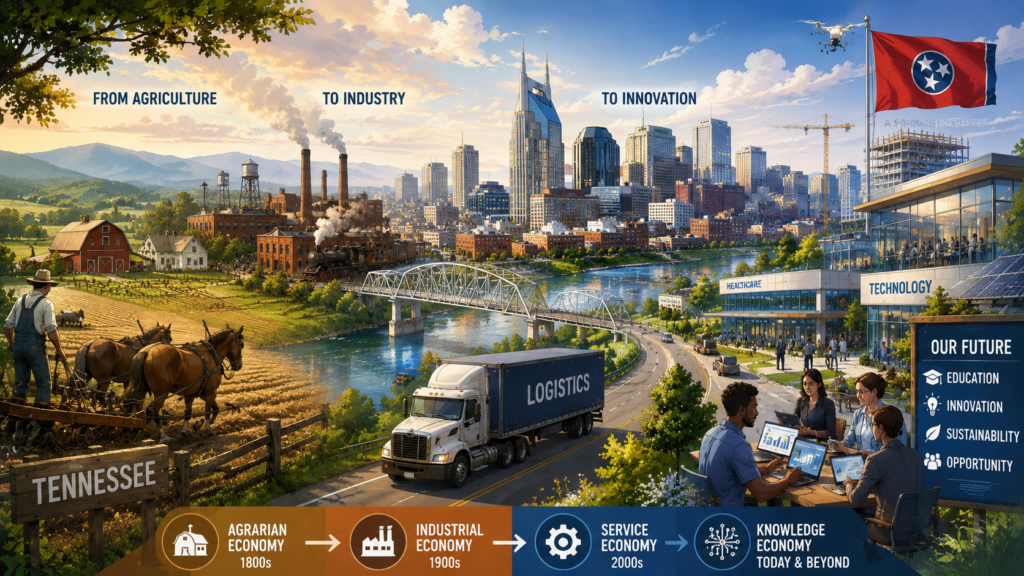
Nashville has become one of the fastest-growing economic centers in the southern United States. Healthcare management companies, music industries, educational institutions, and technology firms have contributed to urban prosperity. Memphis has developed as a logistics and transportation center because of global shipping networks.
Economic growth has created employment opportunities, but it has also produced social inequality. Sociologists note that urban economies often create class divisions between wealthy professionals and low-income workers.
High-income neighborhoods in Tennessee’s cities enjoy better schools, healthcare facilities, and public services. Meanwhile, low-income communities often face unemployment, poor housing, and limited access to social resources. This unequal distribution of wealth reflects broader capitalist urban structures discussed in sociological theory.
Housing and Urban Inequality on Social Change in Tennessee
Housing is one of the most important social issues connected to urban growth in Tennessee. Rapid population increase has raised housing demand, leading to higher rents and property prices.
Gentrification has become a major issue in urban areas such as Nashville. Gentrification occurs when wealthier populations move into traditionally lower-income neighborhoods, increasing property values and displacing long-term residents. This process often affects minority and working-class communities.
From a sociological perspective, housing inequality reflects power relations within urban society. Access to safe and affordable housing is connected to class, race, and economic status.
Homelessness has also become a concern in some urban regions of Tennessee. Rising living costs, economic instability, and limited affordable housing contribute to social exclusion. Community organizations and local governments have attempted to address these challenges through housing programs and welfare initiatives.
Suburban expansion is another important feature of Tennessee’s urban growth. Many middle-class families move to suburban areas seeking larger homes, lower crime rates, and better schools. However, suburbanization may increase social segregation between economic classes.
Education and Urban Change
Urban growth has significantly influenced education systems in Tennessee. Expanding populations have increased the demand for schools, colleges, and universities.
Urban educational institutions often provide greater academic opportunities than rural schools. Cities such as Nashville and Knoxville host major universities and research centers that attract students from across the country.
However, educational inequality remains a major sociological issue. Schools in wealthier neighborhoods generally receive more resources and support compared to schools in low-income communities. Students from disadvantaged backgrounds may face barriers related to poverty, racial discrimination, and limited social capital.
Urban sociology emphasizes that education plays a central role in social mobility. Access to quality education can help individuals improve their economic and social status. In Tennessee, investments in public education and vocational training are important for reducing urban inequality.
Cultural Diversity and Urban Identity on Social Change in Tennessee
Urban growth has transformed cultural life in Tennessee. Cities are now centers of multicultural interaction, artistic expression, and social innovation.
Nashville is internationally recognized for its music culture, particularly country music. Memphis has a rich heritage connected with blues, soul, and civil rights history. Urban diversity has encouraged the development of restaurants, festivals, art galleries, and cultural organizations representing various ethnic communities.

Sociologists view cultural diversity as both a strength and a challenge. Urban environments encourage tolerance, creativity, and cultural exchange. At the same time, tensions may arise due to racial inequality, identity conflicts, and competition for resources.
The role of African American culture in Tennessee’s urban identity is particularly significant. Historical struggles for civil rights shaped urban politics and community activism. Cultural heritage continues to influence music, education, and social movements.
Race Relations and Social Justice
Race relations remain an important aspect of social change in Tennessee’s cities. Urbanization has created opportunities for racial integration but has also exposed inequalities in employment, policing, housing, and education.
Historically, segregation deeply influenced southern urban society. Although legal segregation ended during the Civil Rights Movement, structural inequalities continue to affect many minority communities.
Urban sociology studies how systemic inequality operates through institutions and policies. In Tennessee, African American neighborhoods have sometimes experienced lower investment in infrastructure and public services.
Social justice movements have emerged to address issues such as police reform, economic inequality, and voting rights. Community organizations, universities, and activists continue to play a role in promoting equality and civic participation.
Technology and Modern Urban Life
Technology has become a major force shaping urban growth in Tennessee. Digital industries, remote work opportunities, and smart city initiatives have changed urban lifestyles.
Technology companies and startups have expanded in urban regions, particularly in Nashville. Digital infrastructure supports economic innovation and attracts young professionals.
However, technological growth also creates a “digital divide.” Low-income populations may lack access to internet services, digital education, and technological resources. This inequality affects employment opportunities and educational achievement.
Social media and digital communication have transformed social interactions in urban communities. While technology connects people globally, it may also reduce face-to-face social relationships and increase social isolation.
Environmental Challenges of Urbanization
Rapid urban growth has environmental consequences. Expanding cities require more land, transportation systems, and industrial activities, which may contribute to pollution and ecological stress.
In Tennessee, urban expansion has affected forests, rivers, and agricultural land. Increased traffic congestion contributes to air pollution and carbon emissions. Waste management and water supply have become important urban concerns.
Environmental sociology examines the relationship between society and the natural environment. Sustainable urban planning is essential for balancing economic growth with environmental protection.
Green spaces, public transportation, renewable energy, and environmentally friendly housing projects can help reduce ecological problems. Many Tennessee cities are adopting sustainability initiatives to improve urban living conditions.
Crime and Urban Social Problems
Urban growth may also contribute to social problems such as crime, drug abuse, and social disorganization. Sociologists argue that inequality, unemployment, and weak community bonds can increase crime rates in urban areas.
Certain neighborhoods in Tennessee face challenges related to poverty and violence. Economic marginalization may lead some individuals toward illegal activities. Drug addiction and mental health issues also affect urban communities.
Community policing, youth programs, education, and employment opportunities are important strategies for reducing crime. Sociological approaches emphasize addressing structural causes rather than relying only on punishment.
Urban communities with strong social networks and active civic participation often experience lower crime rates. Building social trust remains essential for urban stability.
Gender and Urban Social Change
Urban growth has changed gender roles and opportunities in Tennessee society. Women now participate more actively in higher education, professional employment, politics, and entrepreneurship.
Urban economies provide greater opportunities for women’s empowerment compared to traditional rural settings. Access to education and employment has increased female independence and social mobility.
However, gender inequality still exists in areas such as wages, leadership positions, and workplace discrimination. Urban women may also face challenges related to childcare, safety, and work-life balance.
Feminist sociology highlights the importance of inclusive urban policies that support gender equality. Public transportation, healthcare, education, and workplace protections are crucial for improving women’s urban experiences.
Urbanization and Political Change on Social Change in Tennessee
Urban growth influences political behavior and governance. Expanding cities require efficient administration, infrastructure development, and public welfare policies.
Urban populations in Tennessee have become increasingly politically active. Issues such as affordable housing, racial justice, transportation, and environmental sustainability influence local elections and policy debates.
Sociologists observe that urbanization often changes political culture by increasing diversity and civic participation. Urban residents may support policies focused on social welfare, public transportation, and inclusive development.
Local governments face the challenge of balancing economic growth with social justice. Urban planning decisions significantly affect quality of life and community relations.
The Future of Urban Society in Tennessee
The future of Tennessee’s urban society will depend on how effectively the state manages growth and social change. Urbanization is expected to continue due to economic opportunities and population expansion.
Future challenges may include housing affordability, environmental sustainability, transportation congestion, and social inequality. Technological innovation and globalization will continue shaping urban lifestyles and labor markets.
Sustainable development strategies are essential for creating inclusive and equitable cities. Investments in public education, affordable housing, healthcare, and environmental protection can strengthen urban communities.
Urban sociology suggests that successful cities are not measured only by economic growth but also by social well-being, equality, and community participation. Tennessee’s future urban development should focus on improving the lives of all residents rather than benefiting only privileged groups.
Conclusion on Social Change in Tennessee
Urban growth and social change in Tennessee reflect broader processes of modernization, industrialization, and globalization. Cities such as Nashville, Memphis, Knoxville, and Chattanooga have become important centers of economic development, cultural diversity, and technological innovation.
From a sociological perspective, urbanization has transformed social structures, family life, migration patterns, education, and political participation. While urban growth has created opportunities for prosperity and cultural exchange, it has also produced challenges such as inequality, housing crises, environmental problems, and social segregation.
Understanding urban growth sociologically helps explain how cities influence human behavior, institutions, and community life. Tennessee’s experience demonstrates that urban development is not merely an economic process but also a deeply social transformation affecting every aspect of society.
The future of Tennessee’s urban society depends on inclusive policies that promote equality, sustainability, and social justice. By addressing the social consequences of urbanization, Tennessee can continue developing cities that are economically vibrant while remaining socially responsible and culturally diverse.
FAQs on Social Change in Tennessee
1. What is meant by Social Change in Tennessee?
Social Change in Tennessee refers to the transformation of social structures, cultural values, economic systems, and community life caused by urbanization, migration, industrialization, and technological development across the state.
2. How has urban growth influenced Social Change in Tennessee?
Urban growth has increased employment opportunities, cultural diversity, educational access, and technological advancement, while also creating challenges such as housing inequality and traffic congestion.
3. Which cities are most connected with Social Change in Tennessee?
Major cities associated with Social Change in Tennessee include Nashville, Memphis, Knoxville, and Chattanooga.
4. How does migration contribute to Social Change in Tennessee?
Migration brings new cultural groups, labor forces, and social ideas into urban areas, increasing diversity and changing social relationships within Tennessee communities.
5. What role does technology play in Social Change in Tennessee?
Technology supports economic growth, remote work, digital communication, and smart city development, but it also creates challenges related to digital inequality and social isolation on Social Change in Tennessee.
6. How has Social Change in Tennessee affected family structures?
Urban lifestyles and economic modernization have encouraged smaller nuclear families, delayed marriages, and greater independence compared to traditional rural family systems.
7. What are the economic effects of Social Change in Tennessee?
Economic effects include industrial expansion, growth of service sectors, increased job opportunities, and rising income inequality between different social classes.
8. How does education influence Social Change in Tennessee?
Education promotes social mobility, skill development, and awareness of social issues, helping communities adapt to changing urban and economic conditions.
9. What environmental issues are connected to Social Change in Tennessee?
Urban expansion has contributed to pollution, deforestation, traffic congestion, and pressure on natural resources, increasing the need for sustainable development.
10. How has cultural diversity shaped Social Change in Tennessee?
Cultural diversity has enriched Tennessee’s music, food, festivals, and social interactions while also encouraging multicultural understanding and inclusion.
11. What is the relationship between urbanization and Social Change in Tennessee?
Urbanization changes employment patterns, lifestyles, housing systems, and community relationships, making cities centers of modernization and social transformation.
12. How does Social Change in Tennessee affect rural communities?
Rural communities often experience population decline, labor shortages, and reduced economic opportunities as people migrate toward urban centers.
13. What social problems are linked with Social Change in Tennessee?
Challenges include homelessness, crime, racial inequality, housing shortages, unemployment, and unequal access to healthcare and education.
14. Why is Social Change in Tennessee important for sociological study?
It helps sociologists understand how modernization, urbanization, and economic growth reshape social institutions, identities, and community life.
15. What is the future of Social Change in Tennessee?
The future will likely involve continued urban expansion, technological innovation, increasing diversity, and greater focus on sustainability and social equality.