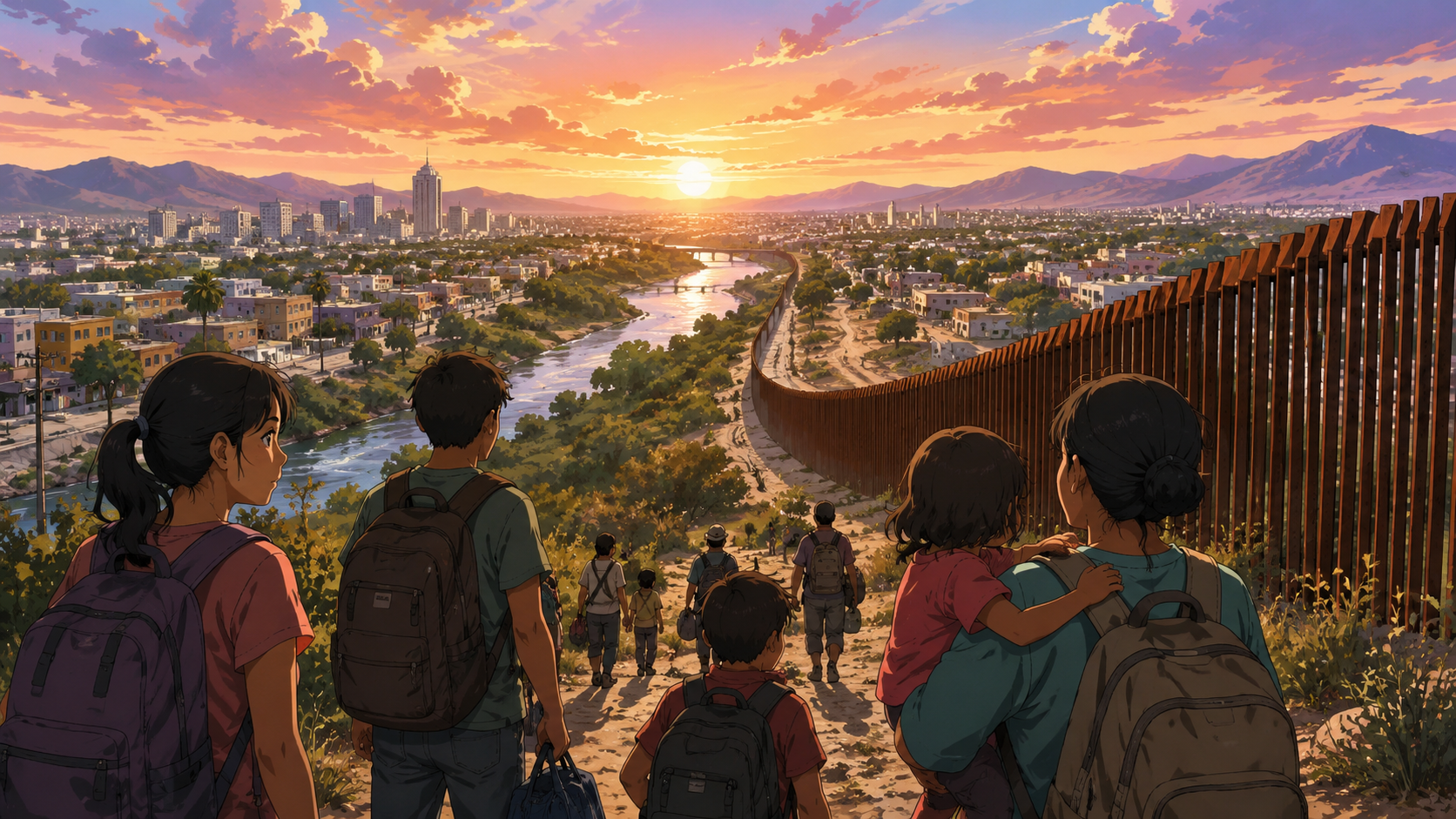
Migration has always been a defining feature of human civilization. Across history, people have moved in search of safety, employment, education, freedom, and better living conditions. In the United States, few regions represent the social realities of migration more clearly than Texas. Located along the border between the United States and Mexico, Texas has become a major center of immigration, cultural exchange, economic interaction, and political debate. The sociological study of migration and border life in this region is often described as border sociology.
Border sociology examines how borders shape human relationships, identities, economic systems, cultural practices, and social institutions. In Texas, migration has influenced urban growth, labor markets, education systems, healthcare services, family structures, and political attitudes. The Texas border is not simply a physical line separating two countries; it is a social space where cultures, languages, traditions, and inequalities interact daily.
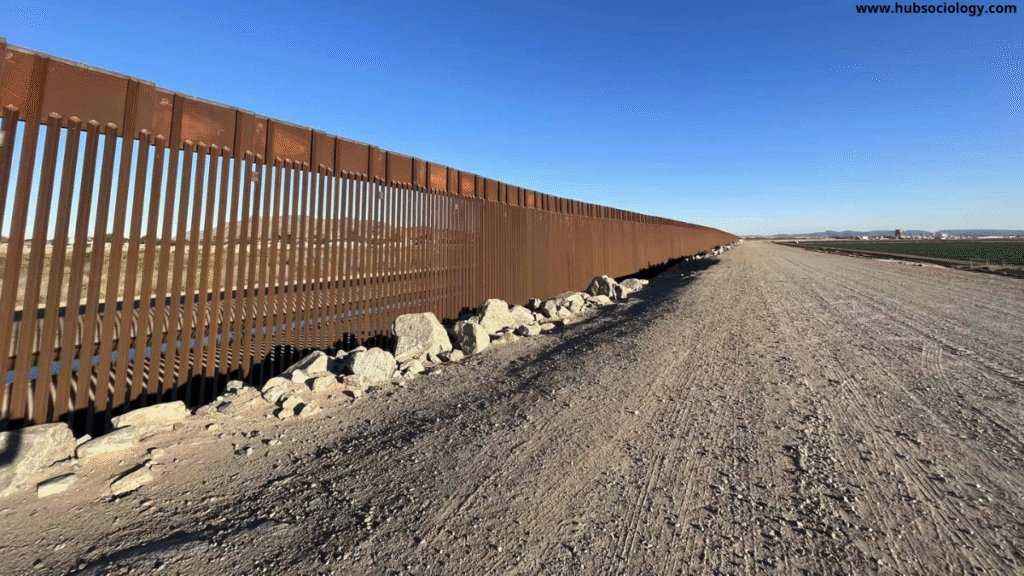
This article explores the sociological dimensions of border sociology and migration in Texas, focusing on historical development, cultural interaction, labor migration, social inequality, identity formation, public policy, and the future of migration in the region.
Understanding Border Sociology
Border sociology is a branch of sociology that studies social life in border regions. It focuses on how borders influence communities, migration patterns, power structures, and social identities. Borders are not only political boundaries; they are also spaces of social interaction where people negotiate belonging, citizenship, culture, and survival.
In Texas, border sociology mainly examines the relationship between the United States and Mexico. The Texas-Mexico border stretches for more than 1,200 miles and includes important cities such as El Paso, Brownsville, Laredo, and McAllen. These regions are deeply interconnected economically, socially, and culturally.
Border sociology studies several important themes:
- Cross-border migration
- Cultural hybridity
- Economic inequality
- Immigration policies
- Ethnic identity
- Transnational families
- Border security and surveillance
- Social integration
The Texas border region represents one of the most active migration zones in the world, making it a significant area for sociological research.
Historical Background of Migration in Texas
Migration in Texas has a long history. Before modern political boundaries existed, Indigenous communities moved freely across the region. Later, Spanish colonization, Mexican independence, and the expansion of the United States transformed the social and political structure of the area.
The Treaty of Guadalupe Hidalgo in 1848 officially established much of the current border after the Mexican-American War. This political change divided communities that had previously shared cultural and economic ties. Many Mexican-origin families suddenly became residents of the United States without moving from their homes.
During the twentieth century, migration increased due to industrialization, agricultural expansion, and labor demands in Texas. Programs such as the Bracero Program during World War II brought Mexican laborers into the United States to work in agriculture and railroads.
Over time, migration patterns evolved because of economic inequality, political instability, globalization, and labor opportunities. Texas became one of the primary destinations for migrants from Mexico and Central America.
Today, migration remains central to the social structure of Texas society.
Push and Pull Factors Behind Migration
Sociologists explain migration using push and pull factors. Push factors are conditions that force people to leave their home countries, while pull factors attract them to new destinations.
Push Factors
Several social and economic conditions push migrants toward Texas:
Economic Hardship
Poverty, unemployment, and low wages in parts of Latin America encourage migration. Many migrants seek better economic opportunities to support their families.
Violence and Insecurity
Drug cartel violence, gang activity, political instability, and crime in some regions force individuals and families to migrate for safety.
Environmental Problems
Climate change, droughts, floods, and agricultural decline have affected rural communities in Mexico and Central America, increasing migration pressures.
Lack of Educational Opportunities
Limited access to quality education motivates many families to seek better futures in the United States.
Pull Factors
Texas offers several attractions for migrants:
Employment Opportunities
Agriculture, construction, hospitality, manufacturing, and service industries often depend on migrant labor.
Family Networks
Existing immigrant communities provide emotional, financial, and social support to newcomers.
Educational and Healthcare Access
The perception of better schools and healthcare systems attracts many migrant families.
Geographic Proximity
Texas shares a long border with Mexico, making migration routes more accessible compared to other states.
The Border as a Social Space
Sociologists argue that borders are not simply barriers but active social spaces. The Texas border region has developed its own unique cultural identity shaped by continuous interaction between American and Mexican societies.
Cultural Hybridity
One of the most important features of border sociology is cultural hybridity. People living near the border often combine elements from multiple cultures.
This hybridity can be seen in:
- Language mixing such as Spanglish
- Food traditions blending Mexican and American influences
- Music styles like Tejano music
- Shared festivals and religious celebrations
- Bilingual education systems
Border communities create identities that do not fit into strict national categories. Many individuals identify as both Mexican and American simultaneously.
Transnationalism
Transnationalism refers to the maintenance of social, economic, and cultural ties across national borders. Many migrants in Texas maintain strong connections with their home countries.
These connections include:
- Sending remittances to family members
- Frequent communication through technology
- Participation in cultural traditions
- Cross-border business activities
- Dual social identities
Transnationalism challenges the traditional idea that migration permanently separates people from their homeland.
Labor Migration and Economic Impact
Migration has played a major role in the Texas economy. Migrant workers contribute significantly to industries that depend on low-cost labor.
Agricultural Labor
Texas agriculture relies heavily on migrant workers for harvesting fruits, vegetables, and other crops. Many farms depend on seasonal labor migration.
Sociologists note that migrant workers often experience:
- Low wages
- Unsafe working conditions
- Limited legal protections
- Housing insecurity
- Lack of healthcare access
Despite these challenges, migrant labor remains essential to agricultural production.
Construction and Urban Growth
Rapid urban growth in Texas cities such as Houston, Dallas, Austin, and San Antonio has increased demand for construction workers. Migrants frequently fill labor shortages in this sector.
Service Sector Employment
Restaurants, hotels, cleaning services, and caregiving industries also employ large numbers of immigrants. Migrants contribute to economic productivity while often occupying socially vulnerable positions.
Economic Contributions
Migrants contribute to Texas society through:
- Tax payments
- Consumer spending
- Entrepreneurship
- Labor force participation
- Cultural diversity
Many immigrant-owned businesses support local economies and create employment opportunities.
Social Inequality and Border Challenges
Although migration contributes positively to society, border communities also face serious social inequalities.
Poverty in Border Regions
Many Texas border counties experience high poverty rates. Limited infrastructure, low wages, and unequal access to public services affect local communities.
Sociologists argue that border inequality reflects broader structural inequalities within global capitalism.
Healthcare Access
Border communities often struggle with limited healthcare access. Undocumented migrants may avoid hospitals due to fear of deportation or financial costs.
Common issues include:
- Shortage of medical facilities
- Lack of insurance coverage
- Mental health stress
- Poor working conditions affecting health
Educational Challenges
Schools in migrant-heavy communities face challenges such as:
- Language barriers
- Overcrowding
- Funding shortages
- High dropout rates
However, many schools also promote bilingual education and multicultural learning environments.
Housing Insecurity
Some migrants experience overcrowded housing conditions and unstable living arrangements. Informal housing settlements sometimes emerge in economically disadvantaged border areas.
Immigration Policies and Social Control
Immigration policy strongly shapes social life along the Texas border. Governments use laws, policing, and surveillance systems to regulate migration.
Border Enforcement
The United States has increased border enforcement through:
- Border walls
- Surveillance technology
- Immigration detention centers
- Increased patrol presence
Supporters argue that these measures protect national security, while critics claim they create fear, family separation, and human rights concerns.
Detention and Deportation
Sociologists study how detention and deportation affect migrant communities psychologically and socially. Fear of deportation can discourage migrants from accessing education, healthcare, or legal support.
Family separation remains one of the most emotionally damaging consequences of strict immigration enforcement.
Legal and Undocumented Migration
Texas hosts both documented and undocumented migrants. Undocumented migrants often face greater vulnerability due to uncertain legal status.
They may experience:
- Workplace exploitation
- Fear of authorities
- Limited political participation
- Social exclusion
At the same time, many undocumented migrants play vital economic and social roles within local communities.
Identity and Belonging in Border Communities
Border sociology pays close attention to identity formation. Migration influences how individuals understand nationality, ethnicity, race, and belonging.
Mexican-American Identity
Texas has a large Mexican-American population whose identity reflects historical and cultural connections to both Mexico and the United States.
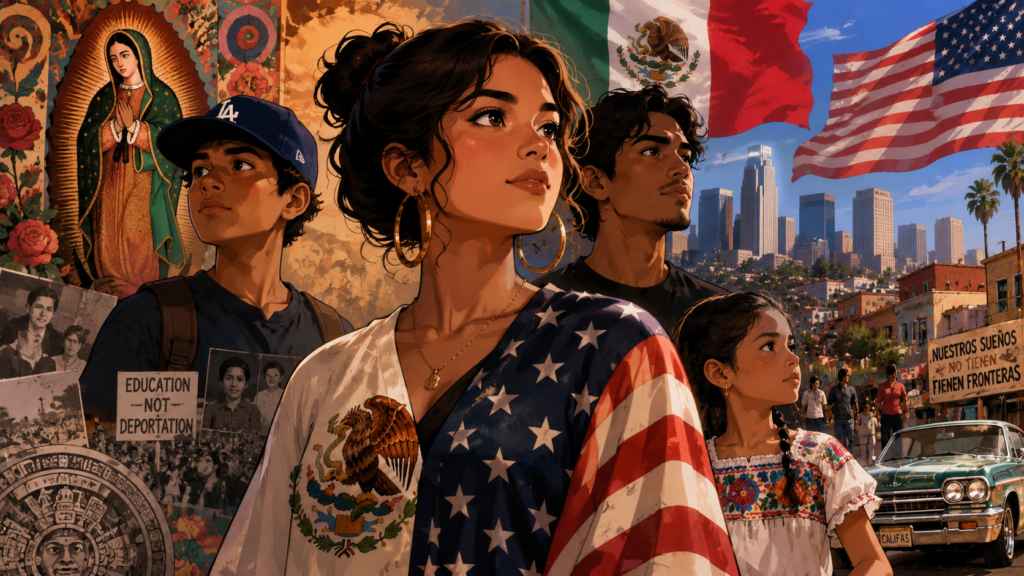
This identity is shaped by:
- Shared family histories
- Language practices
- Cultural traditions
- Experiences of discrimination
- Political participation
Experiences of Discrimination
Migrants and Latino communities sometimes face racism, xenophobia, and stereotyping. Public debates about immigration can influence social attitudes and create social tension.
Sociologists study how discrimination affects:
- Mental health
- Educational achievement
- Employment opportunities
- Community trust
Community Solidarity
Despite challenges, border communities often demonstrate strong solidarity. Religious organizations, community groups, and advocacy networks support migrants through legal aid, food programs, shelters, and educational services.
Gender and Migration
Migration experiences differ according to gender. Women migrants often face unique social challenges and opportunities.
Women and Labor
Many women migrants work in domestic labor, caregiving, hospitality, and factories. They may experience wage inequality and workplace vulnerability.
Family Roles
Migration changes traditional family structures. Women increasingly become economic providers, decision-makers, and independent migrants.
Risks and Violence
Female migrants may face risks such as trafficking, harassment, and exploitation during migration journeys.
Sociologists emphasize the importance of gender-sensitive migration policies to protect vulnerable populations.
Media Representation and Public Opinion
Media plays an important role in shaping public attitudes toward migration in Texas.
Some media portray migrants as:
- Economic threats
- Security risks
- Cultural outsiders
Other representations highlight:
- Humanitarian crises
- Family struggles
- Economic contributions
- Cultural diversity
Public opinion about migration often reflects political ideology, economic conditions, and media narratives.
Sociologists argue that balanced representation is important for reducing prejudice and promoting social understanding.
The Future of Migration in Texas
Migration will likely remain a major social issue in Texas for decades to come. Several trends may shape the future:
Climate Migration
Environmental disasters and climate change may increase migration from vulnerable regions.
Economic Integration
Global economic connections between the United States and Latin America will continue influencing labor migration.
Technological Surveillance
Advanced surveillance technologies may transform border enforcement and migrant monitoring.
Demographic Change
Texas is becoming increasingly diverse. Latino populations continue to influence politics, culture, education, and economic development.
Policy Debates
Immigration reform remains politically controversial. Future policies will significantly affect migrant rights, labor systems, and border communities.
Sociological Perspectives on Border Migration
Different sociological theories help explain migration and border dynamics.
Functionalist Perspective
Functionalists argue that migration supports economic systems by filling labor shortages and promoting social adaptation.
Conflict Perspective
Conflict theorists focus on inequality, exploitation, and power struggles. They argue that migrants are often economically exploited within capitalist systems.
Symbolic Interactionism
This perspective studies daily interactions, identity formation, and social meanings within border communities.
Postmodern Perspective
Postmodern sociologists emphasize fluid identities, globalization, and the breakdown of rigid national boundaries.
Each perspective provides important insights into the complexity of migration in Texas.
Conclusion
Border sociology and migration in Texas reveal the deep connection between mobility, culture, inequality, and social change. The Texas border is not merely a political boundary but a dynamic social environment shaped by history, economics, identity, and human struggle.
Migration has contributed significantly to the economic growth and cultural diversity of Texas. At the same time, migrants often face challenges related to poverty, discrimination, legal insecurity, and social exclusion. Border sociology helps us understand these realities by examining how power, policy, and human interaction shape life in border regions.
As globalization, climate change, and political debates continue to influence migration patterns, Texas will remain an important center for sociological research on borders and human mobility. Understanding migration sociologically encourages empathy, informed policymaking, and recognition of the human experiences behind border statistics.
Ultimately, the study of border sociology reminds us that borders are not only lines on maps; they are spaces where human lives, cultures, and futures intersect.
FAQs
1. What is migration in Texas?
Migration in Texas refers to the movement of people into, out of, and within Texas for reasons such as employment, education, family reunification, and safety. It includes both domestic and international migration.
2. Why is migration in Texas sociologically important?
Migration in Texas is sociologically important because it shapes population diversity, labor markets, cultural identity, urban growth, and social relations across border communities.
3. How does migration in Texas affect the economy?
Migration in Texas supports industries such as agriculture, construction, healthcare, and hospitality by providing labor and contributing to local businesses and tax systems.
4. What are the major causes of migration in Texas?
The major causes of migration in Texas include job opportunities, family connections, educational access, political instability in home countries, and economic inequality.
5. How does migration in Texas influence culture?
Migration in Texas creates cultural diversity through language mixing, food traditions, music, festivals, and shared social practices between different communities.
6. What challenges do migrants face in Texas?
Migrants in Texas often face challenges such as discrimination, language barriers, limited healthcare access, housing insecurity, and legal uncertainties.
7. What is border sociology in relation to migration in Texas?
Border sociology studies how the Texas-Mexico border affects social identity, migration patterns, economic systems, and cultural interactions in border communities.
8. How does migration in Texas impact education?
Migration in Texas affects schools through bilingual education needs, multicultural classrooms, and increased demand for educational resources in growing communities.
9. What role does family play in migration in Texas?
Family networks are very important in migration in Texas because relatives often provide financial support, housing assistance, and emotional guidance for new migrants.
10. How does migration in Texas affect urbanization?
Migration in Texas contributes to rapid urban growth in cities such as Houston, Dallas, Austin, and San Antonio by increasing population and labor demand.
11. What is transnationalism in migration in Texas?
Transnationalism in migration in Texas refers to migrants maintaining strong social, economic, and cultural ties with their home countries while living in Texas.
12. How does migration in Texas influence politics?
Migration in Texas influences debates about immigration laws, border security, labor rights, citizenship policies, and demographic changes in elections.
13. What are the social effects of undocumented migration in Texas?
Undocumented migration in Texas can lead to social vulnerability, fear of deportation, workplace exploitation, and limited access to public services.
14. How does migration in Texas affect healthcare systems?
Migration in Texas increases healthcare demand in border regions and highlights issues such as medical accessibility, insurance gaps, and public health inequality.
15. What is the future of migration in Texas?
The future of migration in Texas will likely be shaped by globalization, climate change, labor demands, technological border surveillance, and immigration policy reforms.
3 thoughts on “Border Sociology and Migration in Texas”