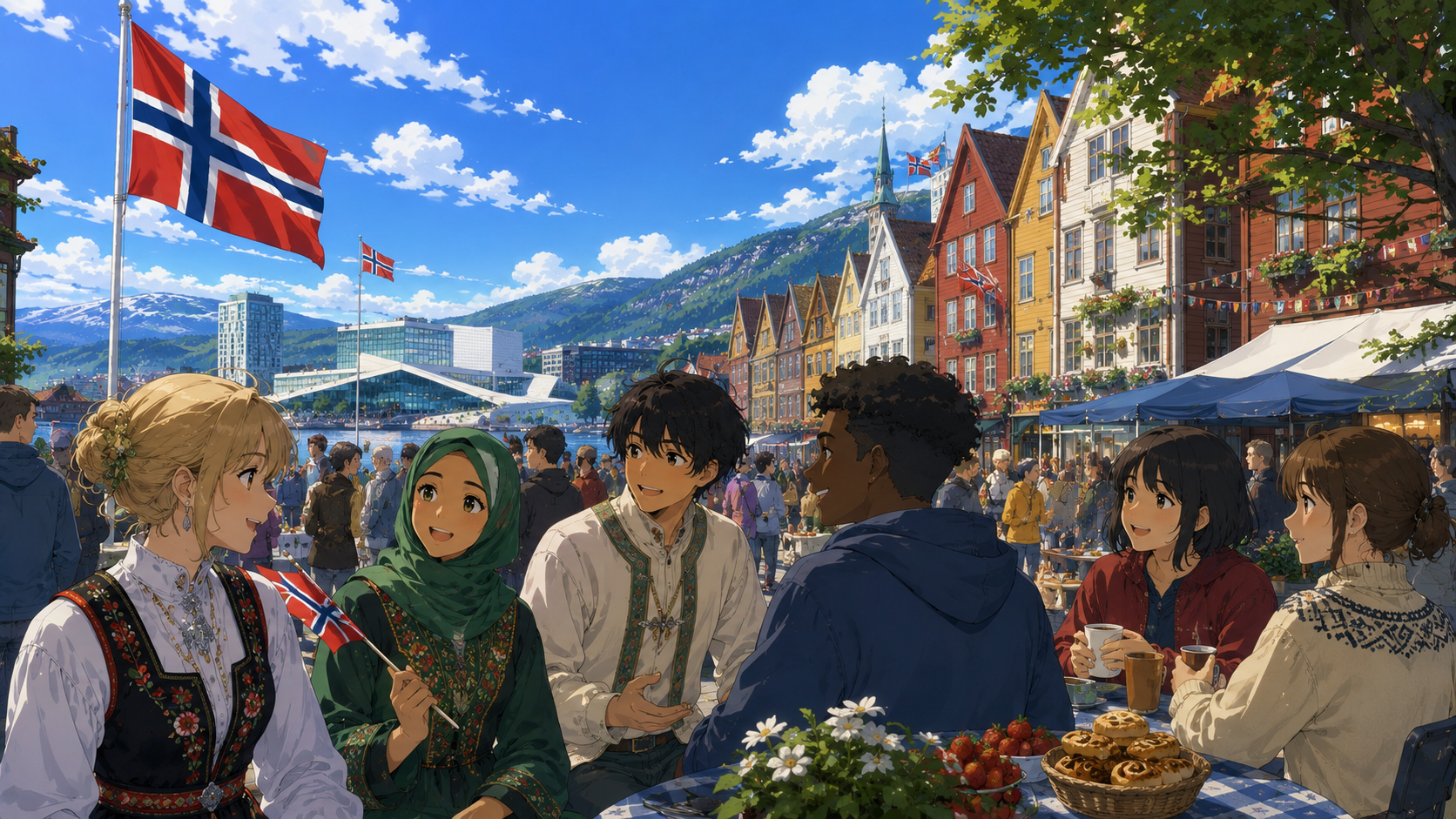
Introduction on Cultural Change in Norway
Immigration has become one of the most important social issues in modern Europe, and Norway is no exception. Over the last few decades, Norway has transformed from a relatively homogeneous society into a multicultural nation shaped by global migration, economic mobility, refugee movements, and international labor markets. This transformation has deeply influenced Norwegian society, including its culture, economy, education system, political environment, and social relationships.
From a sociological perspective, immigration is not only about the movement of people across borders. It is also about social integration, identity formation, cultural interaction, and the restructuring of social institutions. Norway’s experience demonstrates how immigration can create opportunities for cultural enrichment while also generating debates over national identity, social cohesion, inequality, and multiculturalism.
Norway’s immigration history is linked to labor migration in the late twentieth century, refugee resettlement programs, and European globalization. Immigrants from countries such as Pakistan, Somalia, Poland, Syria, Iraq, and Eritrea have contributed to the country’s demographic and cultural diversity. Today, immigrants and their descendants form a significant part of Norway’s population, especially in urban areas like Oslo, Bergen, and Stavanger.

This article explores immigration and cultural change in Norway from a sociological viewpoint. It examines historical developments, theories of migration, multiculturalism, identity, integration policies, social challenges, and the broader impact of immigration on Norwegian society.
Historical Background of Immigration in Norway
For much of its history, Norway experienced relatively low immigration compared to other European countries. The population remained culturally and linguistically homogeneous for centuries. However, significant changes began during the 1960s and 1970s when Norway’s expanding industrial economy created a demand for labor.
Labor Migration Era
During the economic growth period after World War II, Norway required workers in manufacturing, transportation, and construction industries. Labor migrants arrived mainly from Pakistan, Turkey, Morocco, and Yugoslavia. Pakistani immigrants became one of the earliest and most visible immigrant communities in Norway.
Initially, migration was considered temporary. However, many workers settled permanently and brought their families through family reunification policies. This marked the beginning of long-term multicultural transformation.
Refugee and Humanitarian Migration
From the 1980s onward, Norway accepted refugees fleeing wars, political persecution, and humanitarian crises. Refugees arrived from countries such as Vietnam, Bosnia, Somalia, Afghanistan, Syria, and Iraq.
These refugee waves changed the social structure of Norway. Immigration was no longer primarily economic; it became connected with global humanitarian responsibilities and international human rights commitments.
European Mobility and Globalization
Norway’s participation in the European Economic Area increased labor mobility within Europe. Workers from Poland, Lithuania, and other Eastern European countries migrated to Norway for better economic opportunities after the expansion of the European Union.
Globalization further accelerated migration through easier communication, transportation, and international economic integration.
Sociological Theories of Immigration
Several sociological theories help explain immigration and cultural change in Norway.
Functionalist Perspective
Functionalist theory views immigration as beneficial for society because immigrants fill labor shortages, contribute to economic development, and support demographic balance. Norway’s aging population and labor demands in healthcare, construction, and service sectors have increased the importance of immigrant workers.
Immigration also introduces new skills, languages, and cultural practices that enrich society. From this perspective, diversity can strengthen social adaptability and innovation.
However, functionalists also stress the need for integration to maintain social stability and cohesion.
Conflict Theory
Conflict theorists focus on inequality, competition, and power struggles associated with immigration. Some native populations may perceive immigrants as competitors for jobs, housing, welfare benefits, or political influence.
In Norway, debates about immigration often involve concerns about economic inequality, welfare distribution, and cultural differences. Political tensions may arise when groups feel socially or economically marginalized.
Conflict theory also highlights discrimination and systemic barriers faced by immigrants, including unequal employment opportunities and social exclusion.
Symbolic Interactionism
Symbolic interactionism examines everyday interactions between immigrants and native Norwegians. Cultural identity, language, dress, religion, and social symbols influence how people perceive each other.
For example, Muslim immigrants wearing traditional religious clothing may experience stereotyping or cultural misunderstanding. At the same time, intercultural interactions in schools, workplaces, and neighborhoods can create mutual understanding and hybrid identities.
This theory emphasizes how identity is socially constructed through daily communication and experiences.
Multiculturalism Theory
Multiculturalism supports the coexistence of different cultural groups within one society. Norway has increasingly adopted multicultural policies that recognize ethnic diversity while promoting equal rights and social inclusion.
Multiculturalism encourages respect for cultural differences in language, religion, food, and traditions. However, critics argue that excessive cultural separation may weaken national unity.
Demographic Changes in Norway
Immigration has significantly changed Norway’s demographic composition. Immigrants and Norwegian-born children of immigrants now represent a growing proportion of the population.
Urban Diversity
Cities like Oslo have become highly multicultural. In some neighborhoods, residents speak dozens of languages and practice various religions. Schools in urban areas often include students from diverse ethnic backgrounds.
This urban diversity has transformed public spaces, businesses, restaurants, cultural festivals, and educational institutions.
Population Growth
Immigration has contributed to population growth in Norway, helping offset low birth rates and population aging. Many immigrants are younger than the native population, which supports the labor force and tax system.
Changing Family Structures
Immigration has also influenced family structures and marriage patterns. Transnational families, intercultural marriages, and multiethnic households have become more common in Norwegian society.
Immigration and Norwegian National Identity
One of the central sociological questions is how immigration affects national identity.
Traditionally, Norwegian identity was closely connected with language, Lutheran Christianity, Nordic culture, and shared historical traditions. However, increasing diversity has challenged the idea of a single cultural identity.
Redefining “Norwegianness”
Modern Norway increasingly defines national identity through citizenship, democratic values, equality, and participation rather than ethnicity alone. Many immigrants and their children identify as both Norwegian and connected to their ancestral cultures.
For example, a young person may identify as Norwegian-Pakistani or Norwegian-Somali, combining multiple cultural influences.
Cultural Hybridization
Immigration has produced cultural hybridization, where cultural traditions mix and evolve. Norwegian cuisine, music, fashion, and media now reflect global influences.
Foods such as kebabs, curry dishes, and Middle Eastern cuisine have become popular across Norway. Similarly, immigrant musicians, athletes, writers, and artists contribute to Norwegian popular culture.
Identity Conflicts
Despite multicultural progress, identity conflicts sometimes emerge. Some citizens fear that traditional Norwegian culture may weaken due to globalization and immigration.
Right-wing political movements often emphasize cultural preservation and stricter immigration controls. These debates reflect broader sociological tensions between globalization and nationalism.
Religion and Cultural Transformation
Religion plays a major role in immigration-related cultural change in Norway.
Growth of Religious Diversity
Historically, Norway was predominantly Lutheran Christian. Immigration has introduced greater religious diversity, including Islam, Hinduism, Buddhism, Catholicism, and Orthodox Christianity.
Islam has become one of the largest minority religions due to immigration from Muslim-majority countries.
Religious Tolerance and Secularism
Norwegian society is highly secular, meaning religion plays a less dominant role in public life compared to earlier periods. This secular environment sometimes creates cultural differences with immigrant communities that maintain strong religious traditions.
Debates have emerged over issues such as religious dress, halal food, mosque construction, and religious education.
Interfaith Relations
Immigration has encouraged interfaith dialogue and cultural exchange. Schools, community organizations, and public institutions often promote tolerance and diversity education.
At the same time, religious misunderstandings or prejudice can contribute to social tensions and discrimination.
Immigration and the Labor Market
The labor market is one of the most important areas where immigration affects Norwegian society.
Economic Contributions
Immigrants contribute significantly to Norway’s economy by filling labor shortages in healthcare, transportation, hospitality, construction, and agriculture.
Many immigrant workers perform essential jobs that support Norway’s welfare state and economic productivity.
Skilled Migration
Norway also attracts highly skilled migrants in fields such as engineering, technology, medicine, and education. These professionals contribute to innovation and global competitiveness.
Employment Inequality
Despite economic contributions, immigrants often face employment inequality. Sociological studies show that some immigrant groups experience higher unemployment rates than native Norwegians.
Barriers include language difficulties, discrimination, lack of local qualifications, and limited social networks.
Second-generation immigrants may also face challenges despite being born and educated in Norway.
Education and Social Integration
Education is a crucial institution for immigrant integration.

Multicultural Schools
Norwegian schools increasingly reflect cultural diversity. Students from different ethnic and linguistic backgrounds interact daily, creating opportunities for social integration.
Schools play a key role in teaching democratic values, equality, and intercultural understanding.
Language and Adaptation
Learning the Norwegian language is essential for integration. Language education programs help immigrants participate in society and access employment opportunities.
However, language barriers may initially create educational disadvantages for immigrant children.
Educational Achievement
Research shows varying educational outcomes among immigrant groups. Some immigrant families strongly emphasize education as a path to social mobility, leading to high academic achievement among second-generation youth.
Others may face difficulties related to poverty, social exclusion, or cultural adjustment.
Media Representation and Public Opinion
Media strongly influences public perceptions of immigration.
Positive Representation
Media often highlights immigrant success stories, cultural diversity, entrepreneurship, and artistic contributions. Immigrant athletes and public figures have become important symbols of multicultural Norway.
Negative Stereotypes
At the same time, immigration is sometimes linked in media narratives to crime, extremism, or social problems. Such representations may reinforce stereotypes and prejudice.
Social media has amplified both positive intercultural communication and anti-immigrant rhetoric.
Political Polarization
Immigration debates have contributed to political polarization in Norway. Some political parties advocate inclusive multicultural policies, while others support stricter immigration controls and stronger cultural assimilation.
These debates reflect broader sociological conflicts over identity, globalization, and social change.
Immigration and Social Challenges
While immigration has brought many benefits, it has also created social challenges.
Integration Difficulties
Some immigrants face difficulties adapting to Norwegian social norms, labor markets, and educational systems. Refugees may experience trauma, isolation, or mental health challenges.
Residential Segregation
In some urban areas, immigrant communities are concentrated in specific neighborhoods. Residential segregation may limit social interaction between groups and contribute to inequality.
Racism and Discrimination
Immigrants in Norway sometimes experience racism, xenophobia, or discrimination in employment, housing, and public life.
Muslims and visible minorities may face particular prejudice due to cultural stereotypes or global political tensions.
Youth Identity Struggles
Second-generation immigrant youth may struggle with identity conflicts between family traditions and Norwegian social culture. This can create generational tensions within immigrant families.
However, many young people successfully develop bicultural identities that combine both cultural backgrounds.
Government Policies and Integration Strategies
Norway has implemented various policies to support immigrant integration.
Welfare State Support
Norway’s welfare state provides healthcare, education, housing assistance, and social services to immigrants and refugees. These services aim to promote equality and reduce social exclusion.
Integration Programs
Integration programs focus on language training, employment support, and civic education. Refugees often participate in introduction programs designed to help them adapt to Norwegian society.
Anti-Discrimination Laws
Norway has strong legal protections against discrimination based on ethnicity, religion, or nationality. Public institutions promote equality and human rights.
Balancing Diversity and Unity
Norwegian policymakers face the challenge of balancing cultural diversity with national social cohesion. Policies attempt to encourage inclusion while maintaining shared democratic values.
Globalization and Transnationalism
Immigration in Norway is closely connected to globalization and transnational social networks.
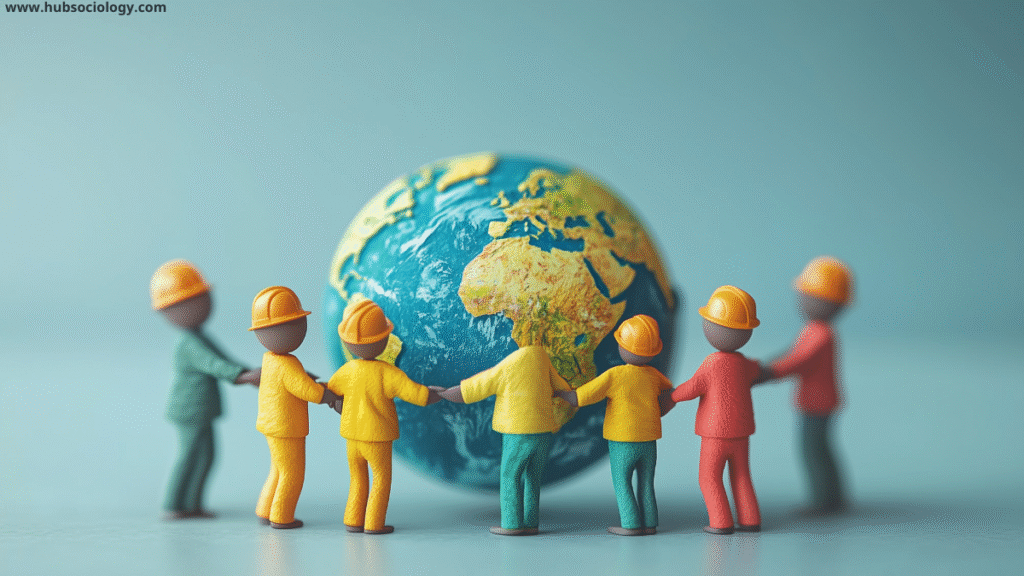
Transnational Communities
Many immigrants maintain strong connections with their countries of origin through communication, travel, remittances, and cultural exchange.
This creates transnational identities where individuals belong to multiple social worlds simultaneously.
Digital Communication
Modern technology allows immigrants to maintain cultural traditions while participating in Norwegian society. Social media platforms connect diaspora communities across borders.
Global Cultural Exchange
Globalization has increased cultural exchange between Norway and the wider world. Norwegian society is influenced not only by immigration but also by global media, entertainment, and international lifestyles.
The Future of Immigration and Cultural Change in Norway
Immigration will likely continue shaping Norway’s future society.
Increasing Diversity
Norway is expected to become even more ethnically and culturally diverse in coming decades. Urban multiculturalism will continue expanding.
Importance of Integration
Successful integration policies will remain essential for maintaining social cohesion and reducing inequality.
Education, employment opportunities, and anti-discrimination efforts will play key roles in future stability.
Changing National Identity
Norwegian identity may continue evolving toward a more inclusive and multicultural understanding of citizenship.
The future of Norwegian society will depend on how different communities negotiate shared values while respecting cultural diversity.
Climate Migration and Global Crises
Future migration patterns may also be influenced by climate change, wars, and global economic instability. Norway may face increasing humanitarian responsibilities in the coming decades.
Conclusion on Cultural Change in Norway
Immigration has transformed Norway socially, culturally, economically, and politically. What was once a relatively homogeneous society has become increasingly multicultural due to labor migration, refugee resettlement, and globalization.
From a sociological perspective, immigration is a complex process involving identity formation, social integration, inequality, cultural interaction, and institutional adaptation. Immigration has enriched Norwegian society through cultural diversity, economic contributions, and global connections. At the same time, it has created challenges related to discrimination, social cohesion, and national identity.
Norway’s experience demonstrates that cultural change is not a simple replacement of one culture by another. Instead, it is an ongoing process of negotiation, adaptation, and hybridization. Immigrants and native Norwegians together shape the future of society through everyday interactions, public debates, and shared institutions.
The sociological study of immigration in Norway reveals broader global realities of multiculturalism, globalization, and social transformation in the twenty-first century. As Norway continues evolving into a more diverse nation, the ability to promote equality, inclusion, and mutual respect will remain essential for social harmony and democratic development.
FAQs on Cultural Change in Norway
1. What is meant by Cultural Change in Norway?
Cultural Change in Norway refers to the transformation of Norwegian society due to globalization, immigration, technological advancement, urbanization, and changing social values. It includes shifts in language, traditions, food habits, education, and identity.
2. How has immigration influenced Cultural Change in Norway?
Immigration has introduced new languages, religions, cuisines, and cultural practices into Norwegian society. It has made cities like Oslo more multicultural and socially diverse.
3. Why is Cultural Change in Norway important in sociology?
Sociologists study Cultural Change in Norway to understand how societies adapt to diversity, modernization, and globalization while maintaining social cohesion and national identity.
4. How has globalization contributed to Cultural Change in Norway?
Globalization has connected Norway with global markets, media, technology, and cultural trends, influencing fashion, entertainment, communication, and lifestyle patterns.
5. What role does youth play in Cultural Change in Norway?
Young people play a major role in Cultural Change in Norway by adopting global cultural trends, supporting multiculturalism, and promoting social equality and digital culture.
6. Has Cultural Change in Norway affected traditional Norwegian values?
Yes, Cultural Change in Norway has influenced traditional values related to family life, religion, gender roles, and national identity, creating a more modern and inclusive society.
7. How does Cultural Change in Norway impact education?
Norwegian schools have become more multicultural, encouraging diversity, language learning, and intercultural understanding among students from different backgrounds.
8. What are the positive effects of Cultural Change in Norway?
Positive effects include cultural diversity, economic growth, international cooperation, creativity, innovation, and broader social perspectives.
9. What challenges are linked with Cultural Change in Norway?
Challenges include social integration difficulties, discrimination, identity conflicts, political debates, and concerns over preserving traditional culture.
10. How has religion changed due to Cultural Change in Norway?
Norway has become more religiously diverse due to immigration, with increasing populations of Muslims, Hindus, Buddhists, and other faith communities.
11. How does Cultural Change in Norway affect family structures?
Family patterns in Norway have changed through intercultural marriages, smaller households, gender equality, and changing parenting styles.
12. What is the relationship between Cultural Change in Norway and multiculturalism?
Multiculturalism supports Cultural Change in Norway by promoting respect for different ethnic, religious, and cultural groups within society.
13. How has media influenced Cultural Change in Norway?
Media and social platforms spread global ideas, lifestyles, and cultural values, shaping public opinion and increasing cultural interaction in Norway.
14. Does Cultural Change in Norway influence the economy?
Yes, immigration and globalization contribute to labor force growth, entrepreneurship, innovation, and international business opportunities in Norway.
15. What is the future of Cultural Change in Norway?
The future of Cultural Change in Norway will likely involve greater diversity, digital transformation, stronger global connections, and ongoing discussions about identity and integration.