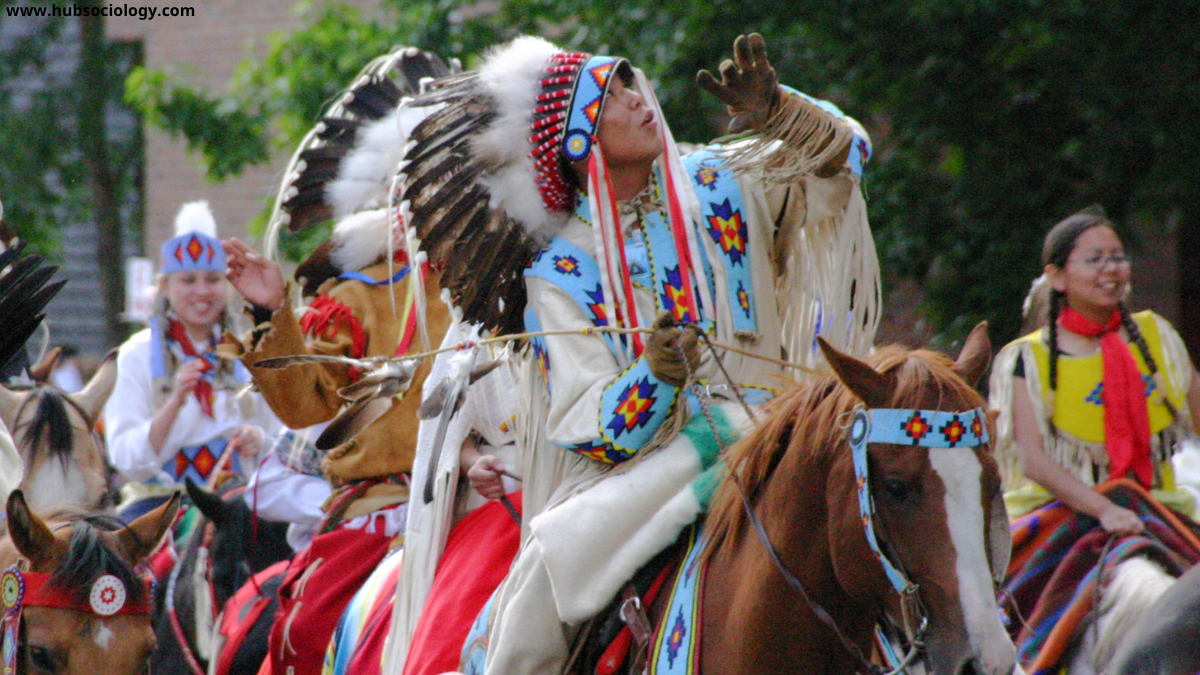
Indigenous Communities and Social Life in North Dakota: A Sociological Perspective
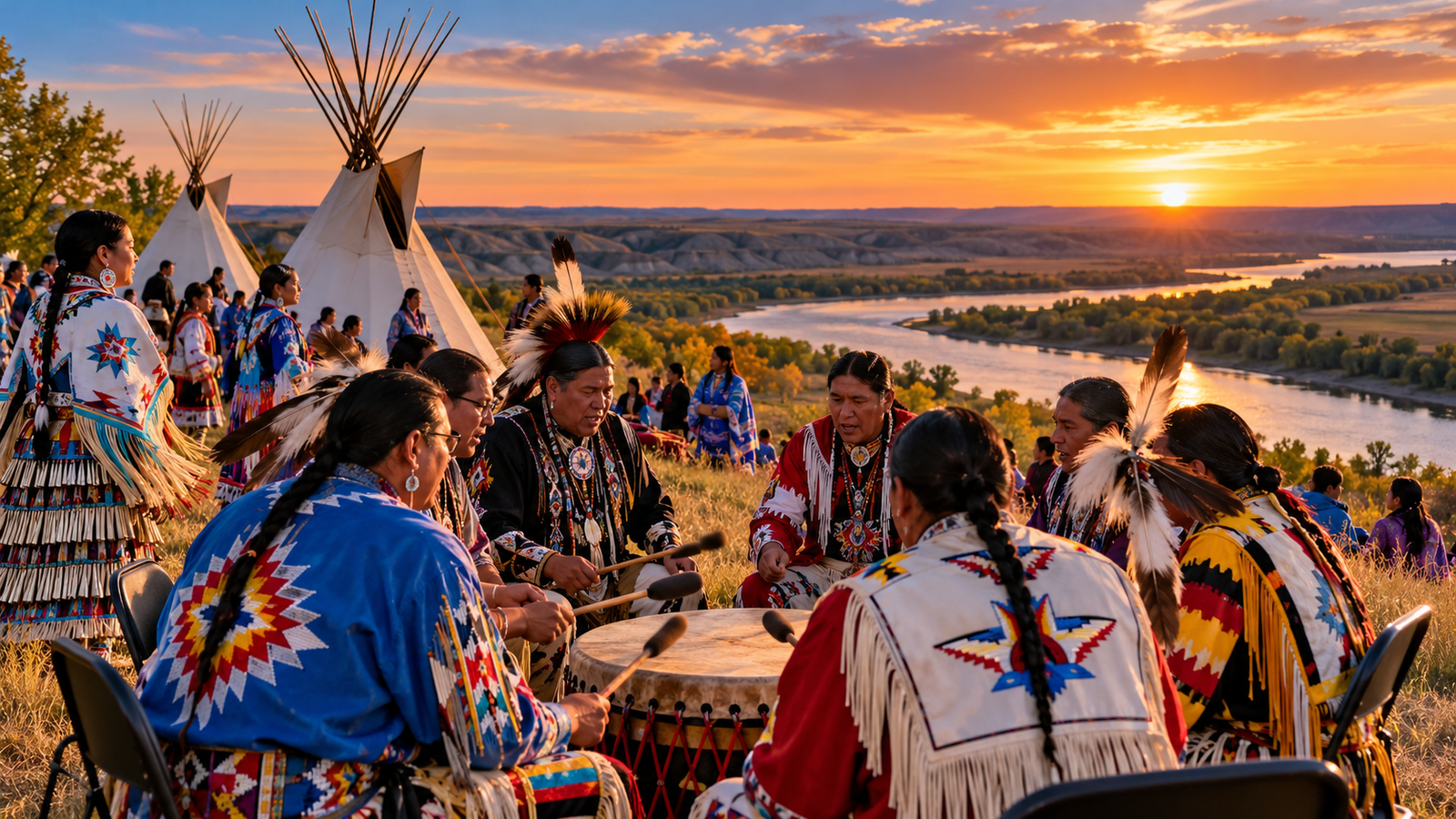
Indigenous Communities and Social Life in North Dakota: A Sociological Perspective

Introduction on Social Life in North Dakota The Social Life in North Dakota is deeply connected to the history, culture, and continuing contributions of Indigenous communities. Long before North Dakota became a state in 1889, Indigenous peoples established complex societies across the Northern Great Plains. They developed systems of family organization, agriculture, hunting, trade, spiritual … Read more
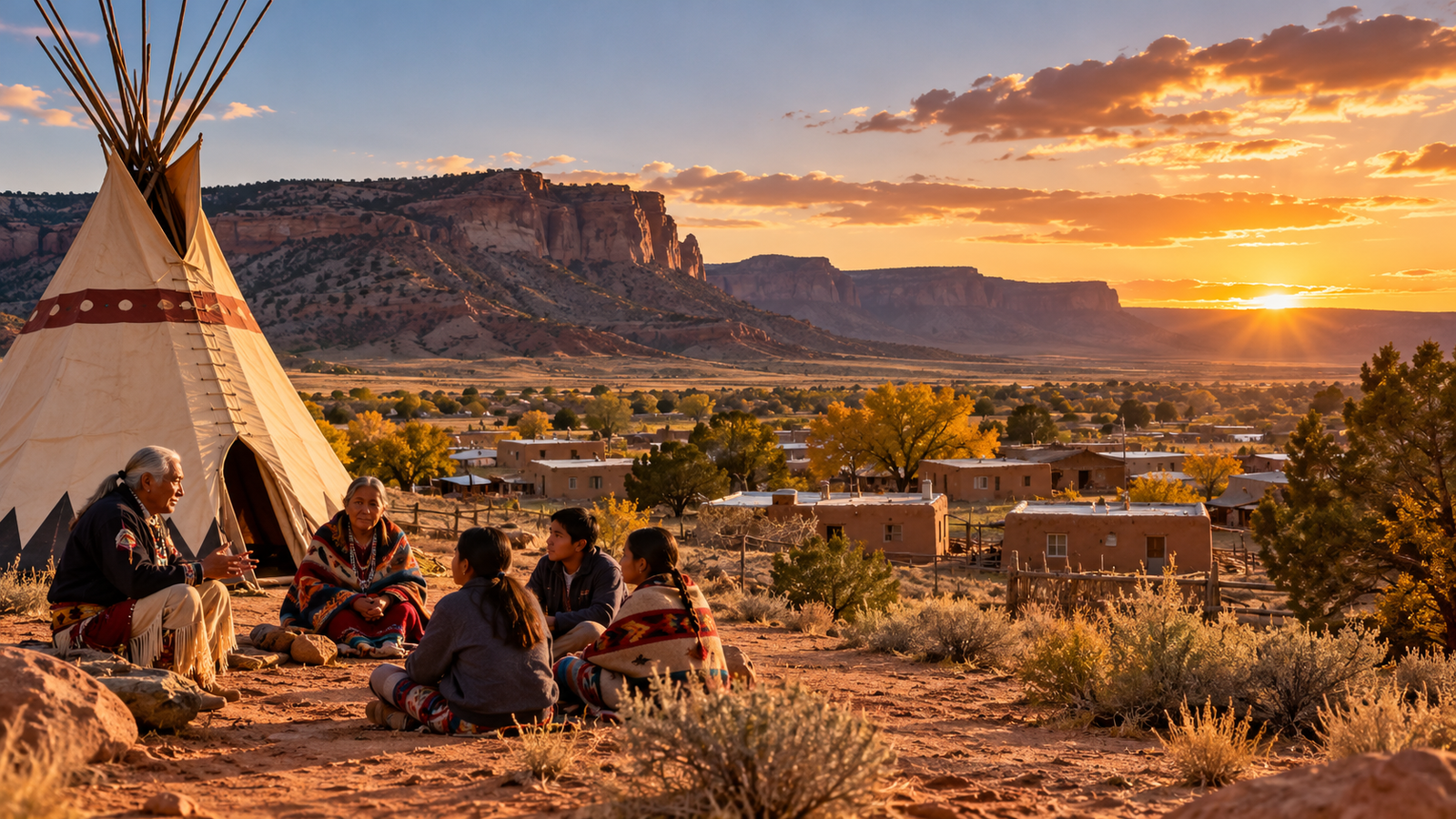
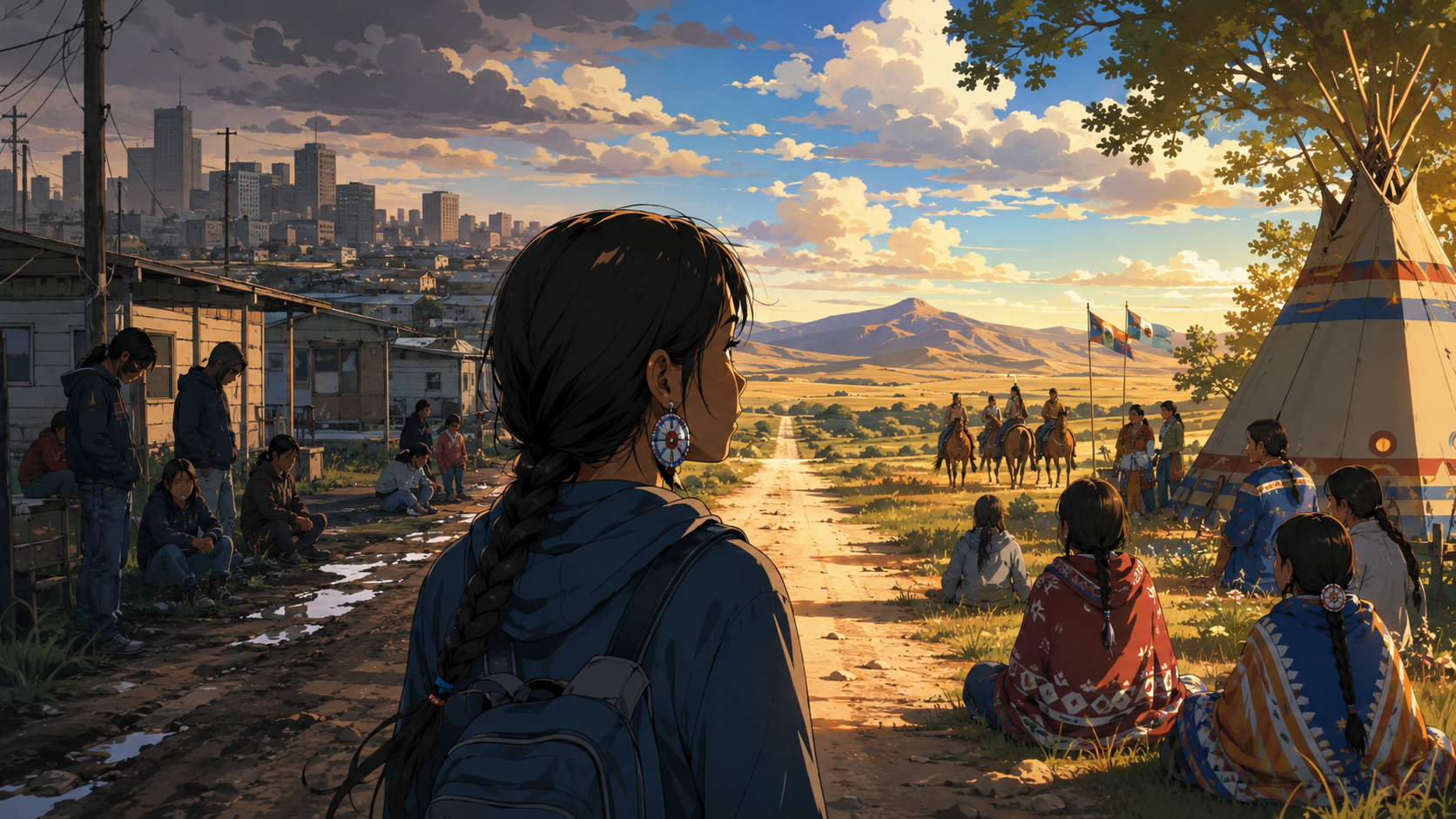
Native American Rural Communities: A Sociological Perspective

Native American Rural Communities: A Sociological Perspective

Introduction Native American Rural Communities occupy a distinctive position in American society because their social organization, cultural traditions, historical experiences, and relationships with the state differ in important ways from those of many other rural populations. These communities include people belonging to hundreds of federally recognized and state-recognized Indigenous nations, as well as communities whose … Read more

Indigenous Reservations and Social Inequality in South Dakota

Indigenous Reservations and Social Inequality in South Dakota

Introduction on Social Inequality in South Dakota The study of Indigenous reservations and social inequality in South Dakota is one of the most significant subjects in contemporary sociology. South Dakota is home to several Native American nations, particularly the Lakota, Dakota, and Nakota peoples, whose communities have faced centuries of colonial displacement, economic marginalization, and … Read more

Native American Communities: Culture, Inequality and Resistance – A Sociological Perspective

Indigenous Communities and Social Structure in New Mexico

Native American communities represent some of the most culturally rich, historically significant, yet structurally marginalized populations in North America. Their socio-political experiences cannot be understood solely through the lens of history; they must be interpreted sociologically—as the result of centuries of colonialism, racialization, state policies, economic dispossession, and cultural resistance. Contemporary Native American life is … Read more