Rural Women in America: Labor, Family and Social Status — A Sociological Perspective

Explore Rural Women in America through sociology, examining labor, family responsibilities, gender inequality, economic challenges, education, and social status.

Introduction Rural Women in America play an important role in shaping the economic, social, and cultural life of rural communities across the United States. Their contributions extend beyond agricultural production to include paid employment, household management, childcare, eldercare, community development, and the preservation of local traditions. However, their social experiences are influenced by gender inequality, … Read more

Native American Rural Communities: A Sociological Perspective

Native American Rural Communities: A Sociological Perspective

Introduction Native American Rural Communities occupy a distinctive position in American society because their social organization, cultural traditions, historical experiences, and relationships with the state differ in important ways from those of many other rural populations. These communities include people belonging to hundreds of federally recognized and state-recognized Indigenous nations, as well as communities whose … Read more

Culture and Tradition in Rural American Life in 2026: A Sociological Perspective

Rural American Life Tradition in Transition

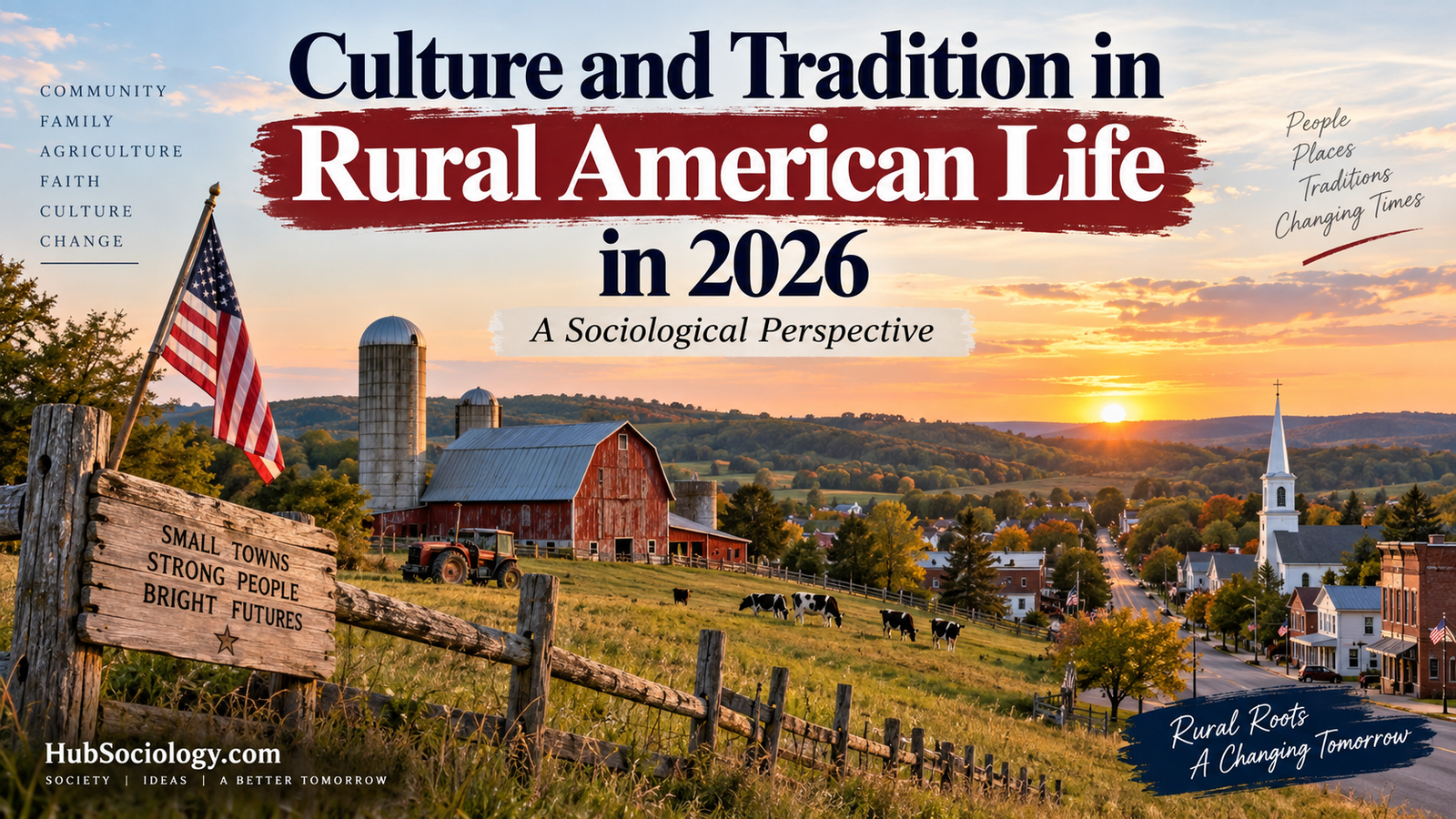
Rural American Life in 2026 is a complex mixture of tradition, community relationships, changing family structures, economic transformation, migration, technology, religion, and new cultural influences. The popular image of rural America often focuses on farms, small towns, country music, churches, family gatherings, and agricultural traditions. However, contemporary rural communities are much more diverse than this … Read more

Class Structure in Rural America: Inequality Beyond the Cities

Class Structure in Rural America

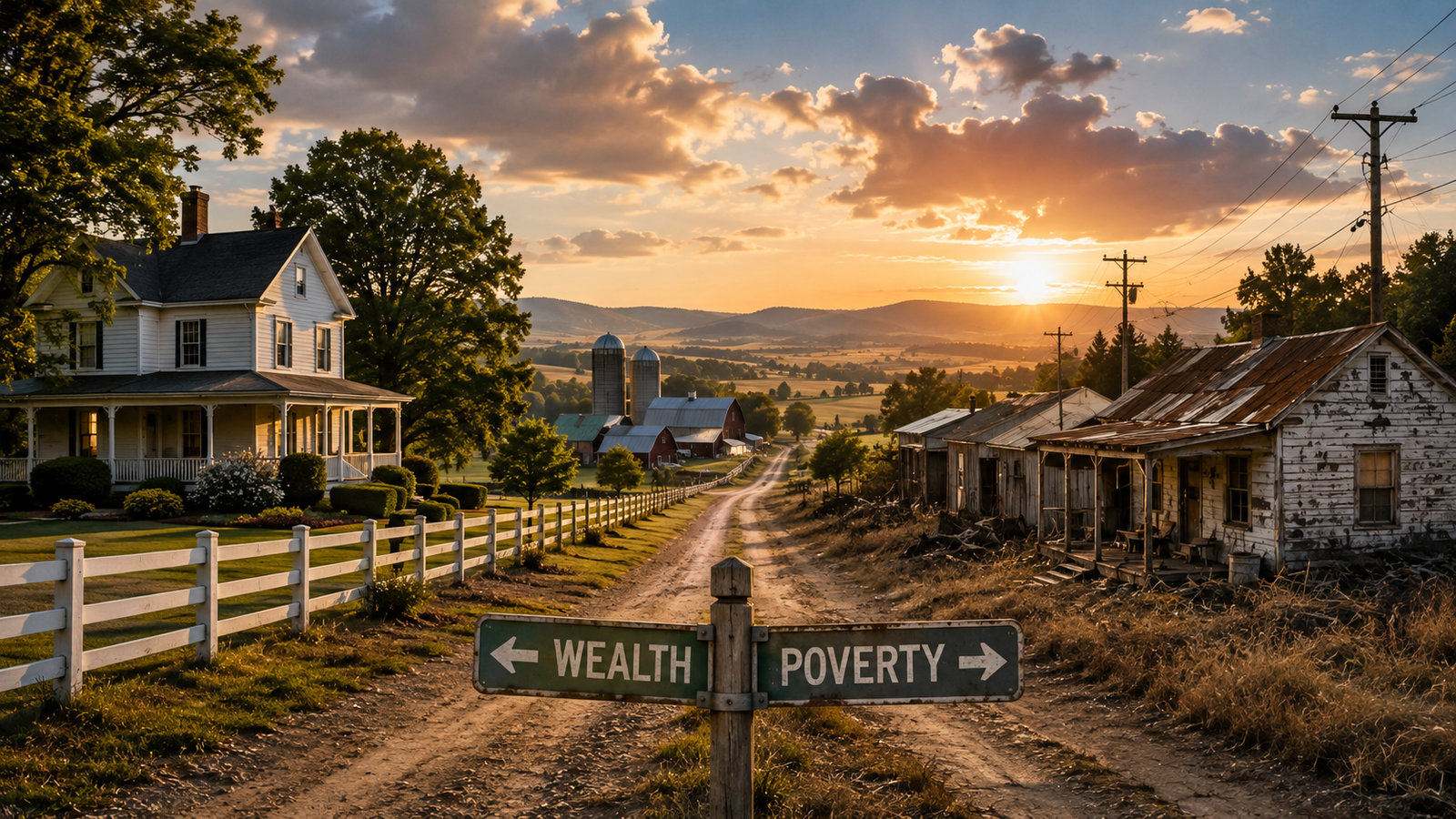
Introduction on Class Structure in Rural America When people think about social inequality in the United States, their attention often turns toward large cities. Images of luxury apartments standing beside poor neighborhoods, homelessness, racial segregation, and unequal access to education and healthcare have made urban inequality highly visible. However, inequality is not confined to New … Read more

Rural–Urban Divide in America: Sociological Dimensions

Rural–Urban Divide in America: Sociological Dimensions

The Rural–Urban Divide in America is one of the most significant social and geographical inequalities shaping contemporary American society. The United States is often portrayed as a highly urbanized nation characterized by metropolitan growth, technological development, and expanding service economies. Yet millions of Americans continue to live in rural communities where social relationships, economic opportunities, … Read more

Appalachian Society and Economic Decline in West Virginia: A Sociological Analysis of Community, Identity, and Change

Appalachian Society and Economic Decline in West Virginia

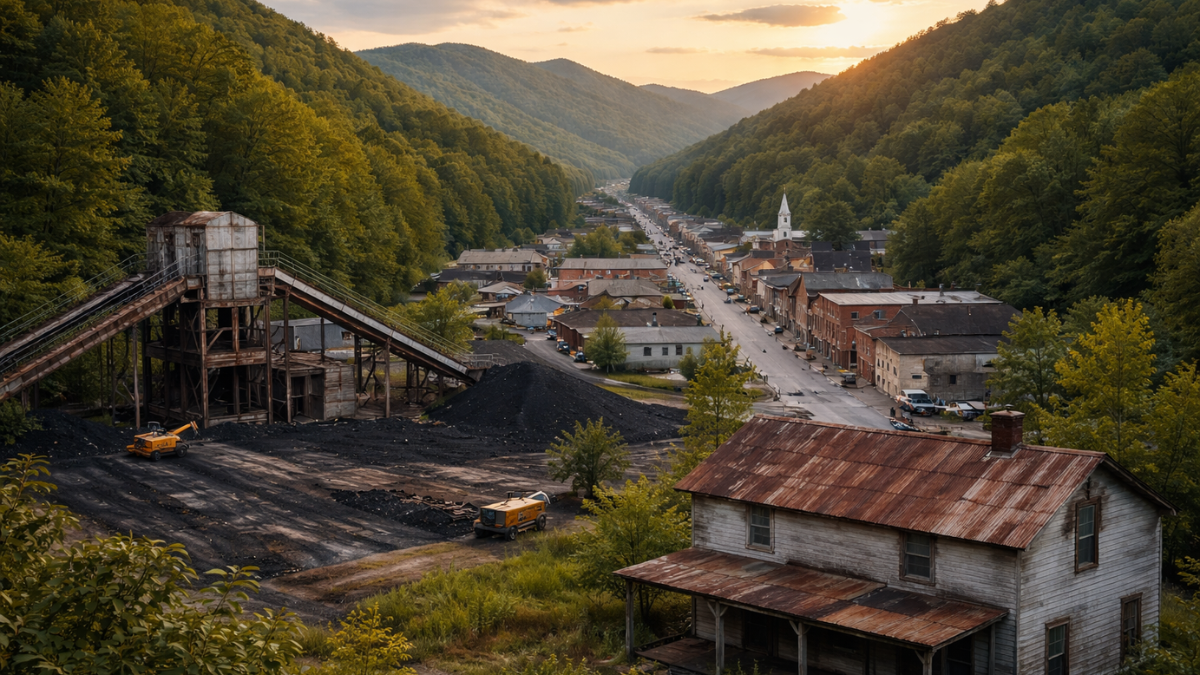
West Virginia has long been associated with the rugged beauty of the Appalachian Mountains, close-knit communities, coal mining, and a unique cultural identity. While the state is rich in natural resources and cultural heritage, it has also experienced prolonged economic decline that has significantly shaped its social structure. The relationship between Appalachian society and economic … Read more

Mental Health and Rural Society in Iowa: A Sociological Perspective

Mental Health and Rural Society in Iowa: A Sociological Perspective

Introduction Mental health has emerged as one of the most significant social concerns of the twenty-first century. While discussions about mental health often focus on urban populations, rural communities face unique challenges that frequently remain overlooked. In the American Midwest, Iowa represents an important case study for understanding the relationship between mental health and rural … Read more

Appalachian Society and Economic Inequality in Kentucky: A Sociological Analysis

Economic Inequality in Kentucky

Introduction The Appalachian region of the United States, particularly in Kentucky, has long been associated with both rich cultural traditions and persistent economic challenges. Nestled within the broader landscape of the Appalachian Mountains, Kentucky’s Appalachian communities present a compelling case for sociological inquiry into inequality, marginalization, and resilience. Despite the region’s natural beauty and strong … Read more

Rural Poverty in America: Causes, Patterns, and Policy Responses

Rural Poverty in America: Causes, Patterns, and Policy Responses

Introduction Rural poverty in the United States remains one of the most persistent yet often overlooked social problems in contemporary society. Despite the country’s global economic dominance, millions of Americans living in rural areas experience structural disadvantages that limit their access to resources, opportunities, and social mobility. Unlike urban poverty, which is more visible and … Read more

Jajmani System in Traditional Indian Society: A Sociological Perspective

Race and Slavery Stratification: A Sociological Perspective

Introduction on Jajmani System in Traditional Indian Society The traditional Indian society was largely agrarian, community-oriented, and structured around caste-based interdependence. Within this social fabric, the Jajmani system emerged as a crucial institution that governed the economic and social relationships among various castes. It functioned as a form of hereditary patron-client relationship that ensured economic … Read more