
Education is often considered the foundation of social development, economic progress, and democratic participation. In the United States, access to education has historically been associated with opportunities for upward social mobility and individual success. However, educational opportunities are not equally distributed across all regions and communities. The state of Idaho presents a significant sociological case for understanding how geography, class, race, economy, and policy shape educational access and inequality. Although Idaho is known for its natural beauty, agricultural economy, and growing population, it also faces important educational challenges related to rural isolation, unequal funding, technological disparities, and social stratification.
From a sociological perspective, education is not merely a process of learning academic subjects. It is a social institution that influences socialization, cultural transmission, social mobility, and the reproduction of inequality. Sociologists examine how schools operate within broader social structures and how factors such as socioeconomic class, ethnicity, gender, and regional differences affect educational outcomes. In Idaho, these sociological dimensions are highly visible because the state contains large rural populations, rapidly growing urban areas, and communities with varying levels of economic development.
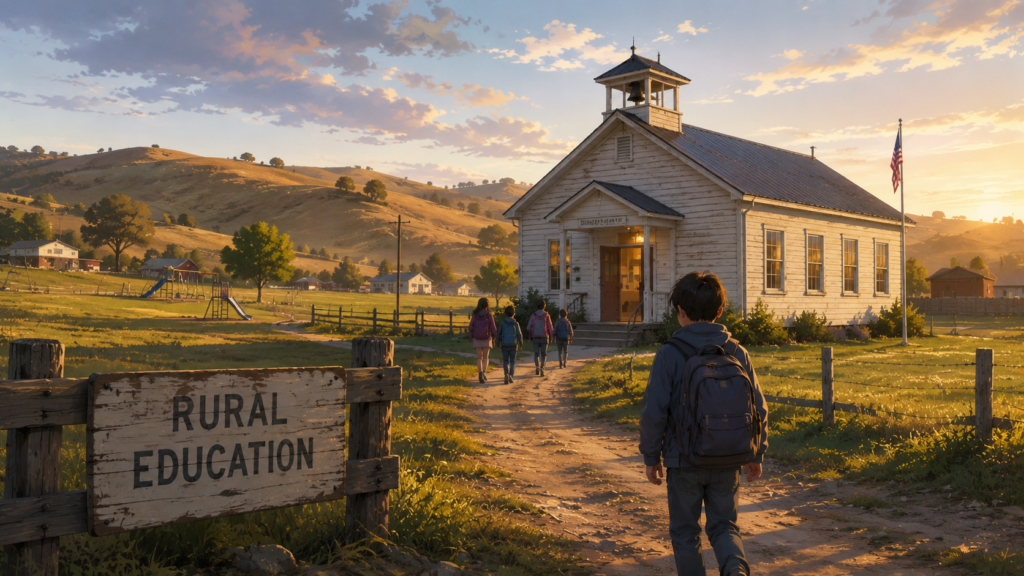
This article explores education access and inequality in Idaho through sociological theories and empirical realities. It examines rural and urban disparities, economic barriers, digital inequality, racial and ethnic differences, educational policy, and the social consequences of unequal education.
Understanding Education Access in Idaho
Education access refers to the ability of individuals to obtain quality educational opportunities regardless of their social background, economic condition, or geographic location. In Idaho, educational access varies considerably between different regions and populations.
The state has a unique demographic structure. Much of Idaho’s population lives in rural areas where schools are geographically distant and educational resources are limited. While urban centers such as Boise and Meridian have experienced educational growth and investment, many rural districts struggle with teacher shortages, inadequate infrastructure, and declining student enrollment.
Access to education in Idaho is shaped by several important factors:
- Geographic isolation
- Household income
- Availability of transportation
- Internet and technology access
- School funding disparities
- Cultural and linguistic diversity
- Availability of higher education institutions
These factors collectively influence students’ educational experiences and long-term social mobility.
Sociological Theories of Educational Inequality
Sociologists have developed multiple theories to explain why educational inequality exists. Idaho’s educational system can be better understood through these theoretical perspectives.
Functionalist Perspective
Functionalist sociologists view education as a system that promotes social stability and prepares individuals for economic roles in society. Schools teach knowledge, discipline, and shared social values. According to this perspective, educational institutions help maintain social order.
In Idaho, schools serve important community functions, especially in rural areas where schools often become centers of social interaction and local identity. However, the functionalist perspective also assumes that schools provide equal opportunities based on merit. In reality, unequal access to resources challenges this assumption.
Conflict Theory
Conflict theorists argue that education reproduces social inequality by favoring dominant social groups. Wealthier communities generally have better-funded schools, more qualified teachers, and greater educational opportunities.
In Idaho, affluent suburban districts often provide advanced courses, modern facilities, and extracurricular opportunities, while poorer rural schools face limited budgets and outdated resources. This reflects broader class inequalities within society.
Conflict theory also highlights how educational systems can reinforce economic inequality across generations. Students from disadvantaged backgrounds may struggle to access higher education, limiting their future opportunities.
Symbolic Interactionism
Symbolic interactionists focus on classroom interactions and social expectations. Teacher perceptions, labeling, and peer relationships can shape student achievement.
For example, students from low-income or rural communities in Idaho may experience lower academic expectations. Such labeling can negatively affect confidence and educational performance. Conversely, students in wealthier schools may receive greater encouragement and institutional support.
Rural Education Challenges in Idaho
One of the most significant sociological issues in Idaho is rural educational inequality. Large portions of the state are sparsely populated, creating major obstacles for educational access.
Geographic Isolation
Many students in rural Idaho travel long distances to attend school. Harsh weather conditions during winter months can make transportation difficult and dangerous. Geographic isolation also reduces access to libraries, tutoring centers, cultural institutions, and extracurricular activities.
Rural schools often have smaller student populations, which limits course offerings. Advanced Placement classes, foreign language programs, and specialized science courses may not be available. As a result, rural students may enter college with fewer academic opportunities than urban students.
Teacher Shortages
Idaho has faced persistent teacher shortages, particularly in rural communities. Low salaries and limited professional opportunities discourage educators from working in remote areas.

Teacher shortages affect educational quality in several ways:
- Larger class sizes
- Limited subject specialization
- Reduced student support
- High teacher turnover
Students in underserved schools may not receive the same quality of instruction available in wealthier districts.
Economic Constraints
Rural Idaho communities often depend on agriculture, mining, or seasonal employment. Economic instability affects local tax revenue, which in turn influences school funding.
Schools in economically disadvantaged regions frequently struggle to maintain facilities, purchase technology, and attract qualified staff. This creates a cycle where educational inequality reinforces economic inequality.
Urban Growth and Educational Pressure
While rural communities face underdevelopment, urban areas in Idaho are experiencing rapid population growth. Cities such as Boise, Nampa, and Meridian have seen increasing demand for educational services.
Overcrowded Schools
Population growth has led to overcrowding in many urban schools. Rapid expansion creates challenges such as:
- Insufficient classroom space
- Increased student-teacher ratios
- Pressure on educational infrastructure
- Housing-related school zoning issues
Urban inequality can also emerge when affluent neighborhoods have access to better schools than low-income communities.
Housing and School Segregation
Residential patterns strongly influence educational inequality. Families with higher incomes can often move to neighborhoods with better schools, while lower-income families remain concentrated in underfunded districts.
This process contributes to de facto educational segregation. Sociologically, it reflects how class inequality becomes institutionalized through residential and educational systems.
Socioeconomic Status and Educational Outcomes
Socioeconomic status is one of the strongest predictors of educational achievement in Idaho.
Poverty and Academic Performance
Students from low-income families often face barriers that affect learning:
- Food insecurity
- Limited healthcare access
- Lack of educational materials
- Unstable housing
- Limited parental educational support
These conditions create stress that negatively affects concentration, attendance, and academic performance.
Children living in poverty are also less likely to participate in extracurricular activities or college preparation programs. This reduces their opportunities for social and cultural capital development.
Cultural Capital and Social Reproduction
French sociologist Pierre Bourdieu introduced the concept of cultural capital, referring to the social and cultural knowledge that helps individuals succeed in educational systems.
Middle-class families in Idaho often possess greater cultural capital. They may understand college application processes, standardized testing strategies, and academic expectations more effectively than working-class families.
As a result, educational systems can unintentionally favor students who already possess social advantages.
Digital Divide and Technology Inequality
The COVID-19 pandemic exposed significant technological inequalities across Idaho.

Internet Access Disparities
Many rural communities in Idaho lack reliable high-speed internet. During remote learning periods, students without internet access struggled to participate in online classes.
Technology inequality includes:
- Limited broadband availability
- Lack of personal computers
- Shared devices within households
- Inadequate digital literacy
The digital divide has become a major sociological issue because technology is increasingly necessary for educational success.
Educational Consequences
Students with limited internet access experienced learning loss, reduced academic engagement, and higher dropout risks. The pandemic demonstrated that technological access is now closely connected to educational equality.
Racial and Ethnic Inequality in Idaho Education
Although Idaho has a predominantly white population, racial and ethnic diversity has increased in recent decades. Hispanic and Latino communities represent a growing segment of the population.
Hispanic and Latino Students
Many Hispanic students in Idaho face educational challenges related to:
- Language barriers
- Economic inequality
- Limited access to bilingual education
- Lower college enrollment rates
First-generation immigrant families may also face difficulties navigating educational institutions.
Sociologically, these challenges reflect broader structural inequalities affecting minority communities in American society.
Indigenous Communities
Native American students in Idaho often experience educational disadvantages connected to historical marginalization and cultural exclusion.
Educational systems have historically ignored Indigenous knowledge and traditions. Indigenous students may face lower graduation rates and reduced access to culturally responsive education.
Addressing these inequalities requires culturally inclusive educational policies and greater community participation.
Higher Education Access in Idaho
Access to higher education is another important dimension of educational inequality.
Rising Costs of College Education
Tuition costs, housing expenses, and transportation create financial barriers for many Idaho students. Rural students may face additional challenges because universities are often located far from their communities.
Students from low-income families are more likely to:
- Delay college enrollment
- Work long hours while studying
- Accumulate debt
- Drop out before graduation
Community Colleges and Opportunity
Community colleges play a crucial role in expanding educational access in Idaho. They provide affordable education and vocational training opportunities for nontraditional students.
However, unequal preparation at the K-12 level can still affect higher education success rates.
Gender and Education in Idaho
Gender inequality in education has changed significantly over time, but sociological differences remain.
Educational Achievement
Female students in Idaho often perform well academically and have higher graduation rates than male students. However, gender disparities continue in fields such as engineering, technology, and science.
Social expectations and cultural stereotypes influence career choices and educational pathways.
Rural Gender Expectations
In some rural communities, traditional gender roles may shape educational aspirations. Young women may face pressure related to family responsibilities, while young men may prioritize employment over higher education.
These social expectations influence educational participation and occupational mobility.
Educational Policy and Reform in Idaho
Educational inequality is deeply connected to public policy decisions.
School Funding Debates
One of Idaho’s major educational challenges is school funding. Critics argue that some districts lack sufficient resources to provide equal educational opportunities.
Funding disparities affect:
- Teacher salaries
- School infrastructure
- Technology access
- Student support services
Sociologically, unequal funding reflects broader political and economic inequalities within society.
Charter Schools and School Choice
Idaho has expanded school choice programs and charter schools. Supporters argue that these options improve competition and innovation.
However, critics claim that school choice can increase inequality by benefiting families with greater resources and information. Some communities may lose public school funding as students transfer to alternative institutions.
Social Consequences of Educational Inequality
Educational inequality has long-term consequences for individuals and society.
Limited Social Mobility
Education is often considered a pathway to upward mobility. However, unequal educational opportunities reduce the chances of escaping poverty.
Students from disadvantaged communities may face limited employment opportunities and lower lifetime earnings.
Economic Inequality
Educational inequality contributes directly to economic inequality. Individuals with limited education often experience unemployment, low wages, and financial insecurity.
In Idaho, economic disparities between urban and rural regions are closely connected to educational access.
Political Participation
Education influences civic engagement and political participation. Individuals with higher education levels are generally more likely to vote, participate in community organizations, and engage in public debates.
Educational inequality therefore affects democratic participation and social cohesion.
Mental Health and Social Well-being
Students experiencing educational disadvantage may face stress, anxiety, and reduced self-esteem. Communities with underfunded schools may also experience social fragmentation and reduced collective confidence.
The Role of Technology and Innovation
Technology offers both opportunities and challenges for educational equality in Idaho.
Expanding Online Education
Online learning can help rural students access advanced courses and specialized instruction. Virtual education programs may reduce geographic barriers.
However, successful implementation depends on reliable internet access and technological infrastructure.
Artificial Intelligence and Future Learning
Emerging technologies such as artificial intelligence may transform education in Idaho. AI-based learning tools can provide personalized instruction and support.
Yet unequal technological access could create new forms of educational stratification if disadvantaged communities are excluded from technological innovation.
Strategies to Reduce Educational Inequality
Addressing educational inequality in Idaho requires multidimensional solutions.
Improving Rural Infrastructure
Investment in broadband internet, transportation, and school facilities is essential for reducing rural disparities.
Increasing Teacher Support
Higher salaries, housing incentives, and professional development opportunities could help attract teachers to underserved areas.
Expanding Early Childhood Education
Research shows that early childhood education significantly improves long-term educational outcomes, especially for disadvantaged children.
Promoting Inclusive Education
Schools should adopt culturally responsive teaching practices that respect diverse social and cultural backgrounds.
Strengthening Financial Aid
Expanded scholarships and affordable higher education opportunities can improve college access for low-income students.
Conclusion
Education access and inequality in Idaho reveal the deep connection between social structure and educational opportunity. From rural isolation and economic disparities to racial inequality and technological divides, educational experiences in Idaho are shaped by broader sociological forces.
Although education is often promoted as a pathway to equality and social mobility, unequal access to resources and opportunities continues to reproduce social stratification. Rural schools struggle with teacher shortages and limited funding, while urban growth creates new forms of inequality. Economic class, race, geography, and digital access all influence educational outcomes.
From a sociological perspective, educational inequality is not simply an individual problem but a structural issue rooted in economic systems, public policies, and social institutions. Reducing inequality requires long-term investment, inclusive policy reforms, and collective social commitment.
Idaho’s educational future depends on its ability to create equitable opportunities for all students regardless of background or location. A more inclusive and accessible educational system would not only improve individual lives but also strengthen social cohesion, economic development, and democratic participation across the state.
FAQs on Inequality in Idaho
1. What is educational inequality in Idaho?
Educational inequality in Idaho refers to unequal access to quality education based on factors such as income, geography, race, and community resources. Rural and low-income communities often face limited educational opportunities compared to urban areas.
2. How does rural location contribute to inequality in Idaho?
Rural areas in Idaho often experience teacher shortages, limited school funding, poor internet connectivity, and fewer advanced academic programs, which increase educational inequality in Idaho.
3. Why is school funding important in reducing inequality in Idaho?
School funding affects teacher quality, infrastructure, technology, and student services. Unequal funding between districts can widen inequality in Idaho’s education system.
4. How does poverty affect inequality in Idaho schools?
Poverty impacts access to books, healthcare, nutrition, technology, and stable housing, all of which influence student performance and contribute to educational inequality in Idaho.
5. What role does technology play in inequality in Idaho?
Limited internet access and lack of digital devices in rural and low-income communities create a digital divide, increasing inequality in Idaho education.
6. Are urban schools in Idaho free from inequality?
No. Urban schools may experience overcrowding, housing-based segregation, and unequal access to quality educational resources, which also contribute to inequality in Idaho.
7. How does higher education reflect inequality in Idaho?
Students from low-income families often struggle with college tuition, transportation, and living expenses, limiting access to higher education and reinforcing inequality in Idaho.
8. How are minority communities affected by inequality in Idaho?
Hispanic, Latino, and Indigenous communities may face language barriers, economic disadvantages, and limited culturally inclusive education, increasing inequality in Idaho.
9. What is the sociological meaning of inequality in Idaho education?
From a sociological perspective, inequality in Idaho education reflects broader social structures involving class, geography, economic power, and institutional disparities.
10. How does the digital divide increase inequality in Idaho?
Students without reliable internet or digital devices cannot fully participate in online learning, research, and educational opportunities, worsening inequality in Idaho.
11. What are the long-term effects of educational inequality in Idaho?
Educational inequality can lead to unemployment, low income, limited social mobility, and reduced civic participation in Idaho communities.
12. Can online learning reduce inequality in Idaho?
Online learning has the potential to reduce geographic barriers, but unequal internet access may also deepen inequality in Idaho if infrastructure is not improved.
13. How do teacher shortages impact inequality in Idaho?
Teacher shortages reduce educational quality, increase classroom sizes, and limit specialized instruction, particularly in rural areas of Idaho.
14. What policies can help reduce inequality in Idaho?
Policies such as better school funding, improved broadband access, teacher incentives, affordable college education, and inclusive teaching practices can reduce inequality in Idaho.
15. Why is addressing inequality in Idaho important for society?
Reducing inequality in Idaho helps improve economic growth, social stability, democratic participation, and equal opportunities for future generations.