Introduction on Society in Louisiana
Disasters are not only natural events; they are also social events. Sociology studies how societies respond to crises, how inequalities influence suffering, and how communities rebuild after destruction. In the context of the United States, few places demonstrate the relationship between disaster and society more clearly than the state of Louisiana. Located along the Gulf Coast, Louisiana experiences frequent hurricanes, flooding, coastal erosion, and environmental threats. These disasters deeply affect the social, economic, political, and cultural life of the region.
Hurricanes in Louisiana are not simply meteorological incidents. They reveal social inequalities, racial divisions, governmental failures, economic vulnerabilities, and community resilience. The devastation caused by events such as Hurricane Katrina, Hurricane Ida, and other storms transformed sociological discussions about disaster management, urban inequality, migration, poverty, and social justice.
Disaster sociology examines how social structures shape disaster experiences. It explores who suffers the most, why recovery differs among social groups, and how institutions respond during emergencies. Louisiana provides an important case study because its social composition includes racial diversity, economic inequality, historical segregation, and strong local cultural identities. These factors influence how hurricanes impact communities and how people recover afterward.
This article explores the sociological dimensions of hurricanes in Louisiana, focusing on inequality, race, community resilience, migration, government response, mental health, culture, environmental justice, and long-term social change.
Understanding Disaster Sociology
Disaster sociology is a branch of sociology that studies human behavior before, during, and after disasters. Unlike purely scientific approaches that focus on weather systems or geological causes, disaster sociology examines social relationships, institutions, inequalities, and collective behavior.
Sociologists argue that disasters are “socially constructed.” A hurricane becomes catastrophic not only because of strong winds or flooding but because societies are unevenly prepared. Poor housing, weak infrastructure, political neglect, and social exclusion increase vulnerability.
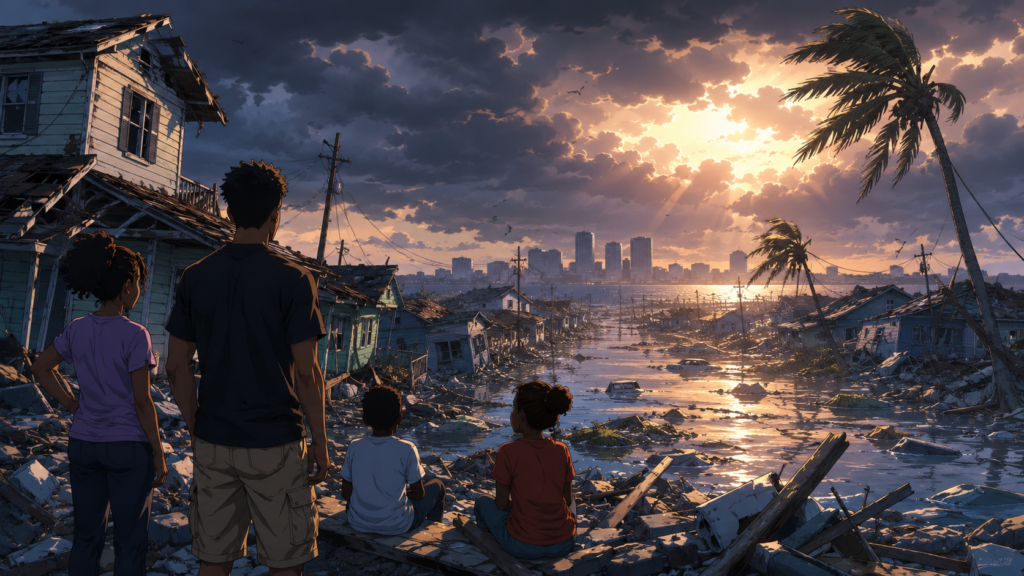
In Louisiana, disasters often expose existing inequalities rather than create entirely new ones. Vulnerable populations such as low-income families, elderly individuals, racial minorities, and rural residents frequently face the greatest hardships.
Disaster sociology focuses on several major questions:
- Who is most vulnerable during disasters?
- How do governments and institutions respond?
- How does social class influence recovery?
- How do disasters reshape communities?
- What role does race and inequality play?
- How do communities build resilience?
These questions are especially relevant in Louisiana due to its unique historical and social conditions.
Louisiana’s Geographic and Social Vulnerability
Louisiana is geographically vulnerable because of its low elevation, coastal wetlands, and proximity to the Gulf of Mexico. The state experiences tropical storms and hurricanes regularly. Climate change has increased sea surface temperatures, making hurricanes stronger and rainfall more intense.
However, geography alone does not explain disaster vulnerability. Social vulnerability is equally important. Louisiana has historically faced high poverty rates, racial inequality, inadequate public infrastructure, and uneven urban development.

The city of New Orleans particularly illustrates this vulnerability. Large sections of the city lie below sea level, relying on levee systems and pumps for protection. Many low-income neighborhoods are located in flood-prone areas due to historical segregation and discriminatory housing practices.
The state also has a significant African American population, many of whom historically experienced limited economic opportunities. Structural inequality affects access to transportation, healthcare, insurance, education, and safe housing. During disasters, these disadvantages become more severe.
Thus, hurricanes in Louisiana are both environmental and social crises.
Hurricane Katrina and Sociological Transformation
No discussion of disaster sociology in Louisiana can ignore Hurricane Katrina. Katrina struck the Gulf Coast in August 2005 and became one of the deadliest and costliest disasters in American history.
Although the hurricane itself caused major destruction, the catastrophic flooding resulted mainly from levee failures in New Orleans. Entire neighborhoods were submerged, and thousands of people were stranded without food, water, or medical assistance.
From a sociological perspective, Katrina exposed deep racial and economic inequalities in American society.
Race and Inequality
Images of predominantly Black residents trapped in flooded neighborhoods shocked the world. Many residents lacked private transportation and could not evacuate before the storm. Poverty limited their mobility and access to resources.
Sociologists argued that Katrina demonstrated how race and class shape disaster experiences. Wealthier residents often evacuated early, stayed in hotels, or relocated temporarily. Poorer residents depended on overcrowded shelters or remained trapped.
Historical housing segregation also influenced vulnerability. Many African American communities were situated in lower-lying flood-prone areas. These patterns were connected to decades of discriminatory urban planning and unequal investment.
Katrina revealed that disasters disproportionately harm marginalized populations.
Government Response and Institutional Failure
The response to Katrina faced severe criticism. Local, state, and federal agencies struggled with coordination. Delayed rescue operations created widespread anger and mistrust.
The role of Federal Emergency Management Agency became heavily debated. Many sociologists argued that institutional failures worsened human suffering.
The disaster weakened public confidence in governmental preparedness and emergency management systems. It also raised broader sociological questions about state responsibility, citizenship, and inequality.
Social Displacement
Katrina caused one of the largest internal migrations in modern American history. Hundreds of thousands of residents were displaced. Some families permanently relocated to cities such as Houston, Atlanta, and other parts of the United States.
Displacement disrupted families, schools, workplaces, and social networks. Communities lost long-standing residents, cultural traditions, and neighborhood bonds.
For many people, recovery was not only about rebuilding homes but rebuilding identity and belonging.
Community Resilience and Social Solidarity
Despite destruction and institutional failures, Louisiana communities demonstrated remarkable resilience. Sociologists emphasize that disasters can strengthen social solidarity and collective action.
After hurricanes, neighbors often help each other with rescue efforts, food distribution, cleanup, and emotional support. Religious organizations, local volunteers, community groups, and informal social networks become critical during crises.
In Louisiana, churches played a particularly important role after Katrina and later hurricanes. They provided shelter, meals, counseling, and social support. Community organizations also advocated for displaced residents and demanded fair rebuilding policies.
The concept of “social capital” is important here. Social capital refers to trust, cooperation, and social connections within communities. Areas with stronger social networks often recover more effectively because residents support one another.
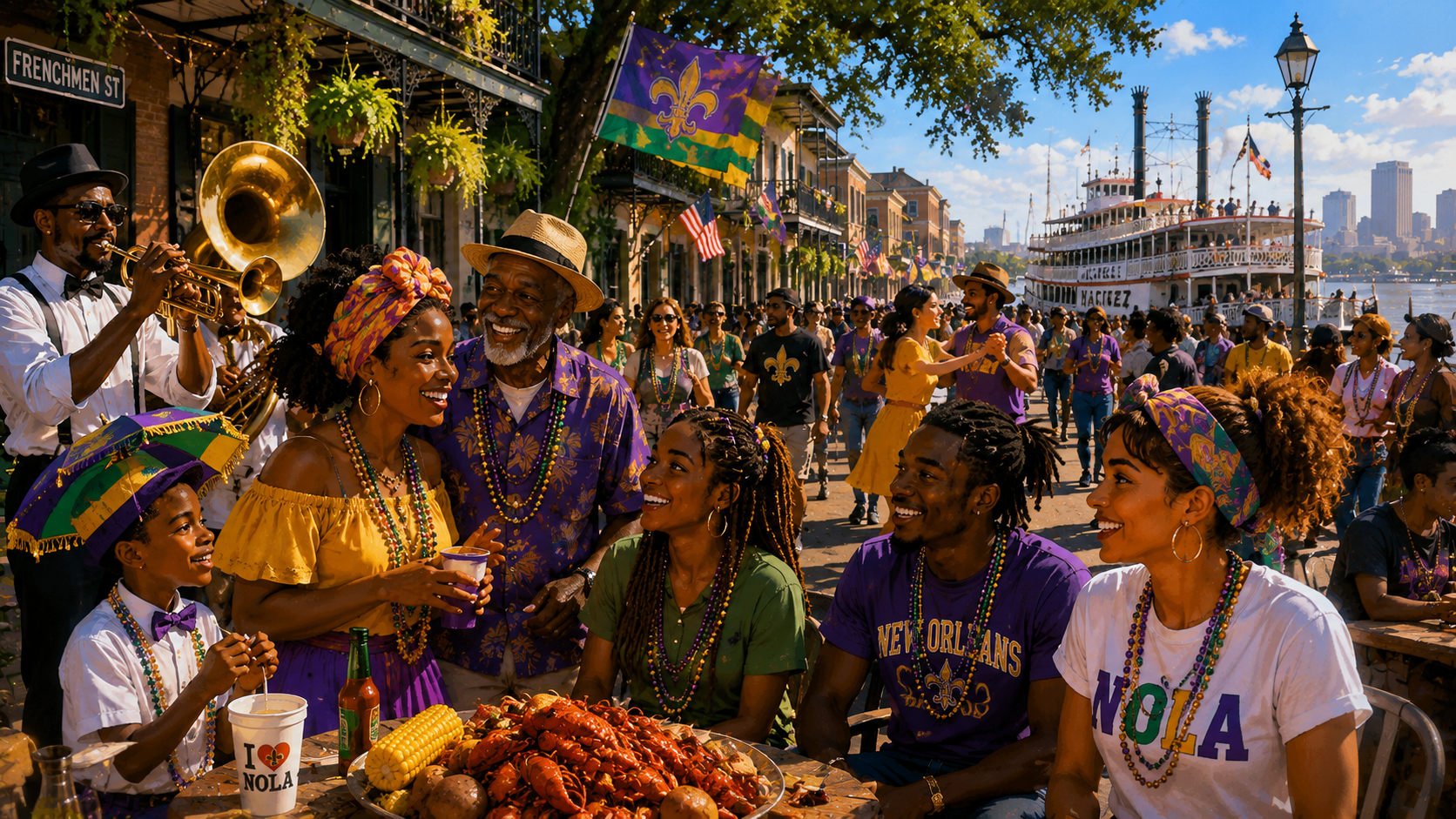
Louisiana’s strong cultural traditions, including music, food, festivals, and neighborhood identities, also contribute to resilience. Cultural continuity helps communities maintain hope and collective identity during recovery.
Environmental Justice and Coastal Communities
Disaster sociology increasingly focuses on environmental justice. Environmental justice examines how environmental risks disproportionately affect marginalized communities.
In Louisiana, coastal erosion and industrial pollution create additional dangers. Many low-income and minority communities live near petrochemical industries, refineries, and environmentally vulnerable zones.
The region known as “Cancer Alley” along the Mississippi River contains numerous industrial facilities linked to pollution concerns. Hurricanes can worsen these environmental risks by damaging industrial infrastructure and releasing hazardous materials.
Coastal communities also face land loss due to erosion and rising sea levels. Wetlands that once protected Louisiana from storms are disappearing rapidly. This environmental degradation increases hurricane vulnerability.
Indigenous communities in coastal Louisiana face especially severe challenges. Some Native American groups have been forced to relocate due to flooding and land loss. Sociologists describe such displacement as a form of climate migration.
Environmental injustice becomes evident when vulnerable populations face greater exposure to environmental risks while having fewer resources for adaptation and recovery.
Poverty and Disaster Vulnerability
Poverty is one of the strongest predictors of disaster vulnerability. Poor households often live in weaker housing structures and flood-prone areas. They may lack savings, insurance, transportation, and healthcare access.
In Louisiana, poverty intersects with race, geography, and employment patterns. Rural areas and urban low-income neighborhoods face significant challenges during hurricanes.
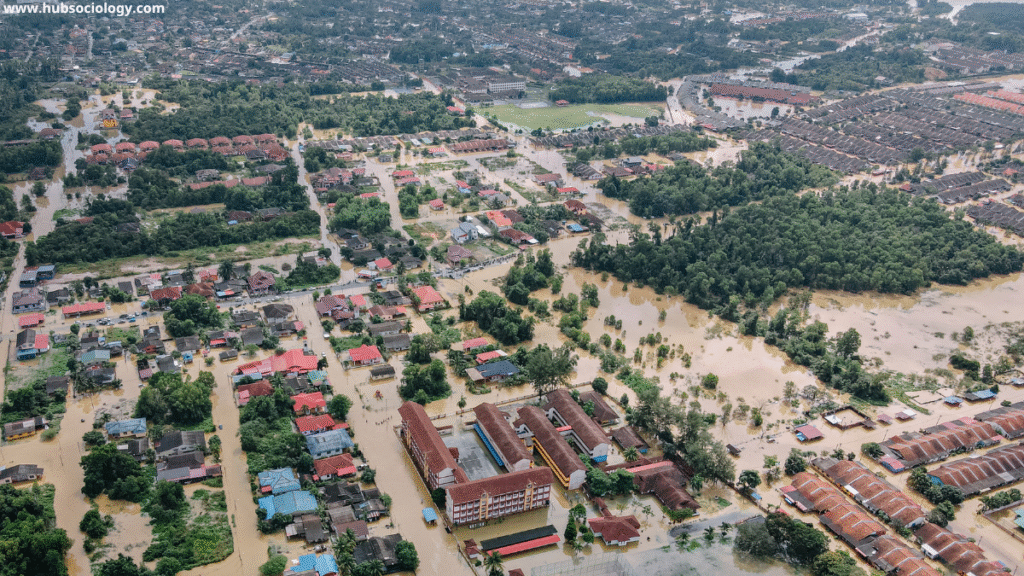
Evacuation itself requires money. Transportation costs, hotel expenses, food, and temporary housing can become major barriers. Many low-income residents cannot afford to leave.
After disasters, recovery programs often benefit wealthier homeowners more quickly than renters or informal workers. Insurance systems also favor people with financial resources.
Sociologists argue that disasters reproduce social inequality because affluent groups recover faster while poor communities experience long-term hardship.
Children from low-income families often face interrupted education after disasters. Families may lose employment, housing stability, and healthcare access. Such disruptions can have lifelong social consequences.
Mental Health and Social Trauma
Hurricanes create not only physical destruction but also psychological trauma. Disaster sociology studies the emotional and mental health effects of disasters on individuals and communities.
Many survivors experience anxiety, depression, grief, and post-traumatic stress disorder (PTSD). Losing homes, family members, jobs, and community ties can deeply affect emotional well-being.
In Louisiana, repeated hurricanes create cumulative trauma. Communities repeatedly exposed to disasters may develop chronic stress and insecurity.
Children are particularly vulnerable. School disruption, family displacement, and exposure to violence or instability after disasters can affect psychological development.
Mental health access is often limited after hurricanes because healthcare systems become disrupted. Vulnerable populations may struggle to obtain counseling or treatment.
At the community level, disasters can weaken social trust and increase feelings of abandonment if government responses are perceived as inadequate.
However, collective resilience, social support, and cultural identity can also help reduce trauma and encourage recovery.
Migration and Demographic Change
Hurricanes significantly influence migration patterns in Louisiana. Some residents permanently leave disaster-prone areas after repeated storms.
After Katrina, New Orleans experienced major demographic changes. Population decline affected schools, businesses, labor markets, and cultural institutions.
Migration also altered racial and economic compositions in some neighborhoods. In certain areas, redevelopment led to gentrification, where wealthier residents moved into rebuilt communities while displaced low-income residents struggled to return.
This created debates about “disaster capitalism,” a concept describing how economic elites may benefit from post-disaster redevelopment projects.
Rural coastal areas also face population decline because of environmental insecurity and economic instability. Younger generations may migrate elsewhere seeking safer living conditions and employment opportunities.
Climate change may increase future migration pressures as hurricanes intensify and sea levels rise.
Media Representation and Public Perception
Media plays an important sociological role during disasters. News coverage influences public understanding, political responses, and social attitudes.
During Hurricane Katrina, media images highlighted racial and class inequalities. However, some media narratives also reinforced stereotypes. For example, reports sometimes described Black survivors as “looters” while portraying white residents as “finding supplies.”
Such differences reflected broader social biases in media representation.
Media attention can influence disaster aid and political pressure. Communities receiving extensive coverage may attract more national support.
Social media has transformed disaster communication in recent years. During hurricanes such as Ida, residents used online platforms to request help, share information, and organize community support.
Digital communication has become increasingly important for disaster response and public awareness.
Climate Change and Future Challenges of Society in Louisiana
Climate change is intensifying hurricane risks in Louisiana. Rising sea temperatures contribute to stronger storms, while sea-level rise increases flooding risks.
Disaster sociology examines how societies adapt to these environmental changes. Climate adaptation is not only technical but social and political.
Important sociological questions include:
- Which communities receive protection investments?
- Who is forced to relocate?
- How are resources distributed?
- Which voices influence policy decisions?
Climate inequality may worsen existing social divisions. Wealthier communities often have greater ability to adapt through stronger infrastructure, insurance, and relocation options.
Poor communities may remain trapped in vulnerable areas because of limited economic choices.
Louisiana faces difficult policy debates regarding coastal restoration, relocation programs, infrastructure funding, and environmental protection.
The future of disaster management will depend not only on engineering solutions but also on social justice and equitable governance.
Religion and Cultural Identity During Disasters
Religion plays a major role in Louisiana society, especially during crises. Churches and faith-based organizations often provide emotional support, shelter, and humanitarian assistance.
Religious beliefs can shape how people interpret disasters. Some communities see hurricanes as tests of faith, while others emphasize collective responsibility and compassion.
Cultural traditions in Louisiana also contribute to resilience. Music, food, festivals, and neighborhood gatherings help communities preserve identity after disasters.
The cultural uniqueness of New Orleans, including jazz traditions and local heritage, became central to rebuilding efforts after Katrina. Residents viewed recovery not only as rebuilding infrastructure but preserving cultural life.
Sociologists note that cultural identity can strengthen community resilience by creating solidarity and emotional connection.
Government Policy and Disaster Preparedness of Society in Louisiana
Disaster preparedness involves planning, infrastructure, education, evacuation systems, and public communication.
After Katrina, Louisiana and federal authorities invested heavily in levee improvements, emergency response systems, and evacuation planning. However, challenges remain.
Preparedness is shaped by social inequality. Communities with fewer resources may struggle to access preparedness information or emergency supplies.
Trust in government also affects preparedness. If communities distrust authorities, evacuation compliance may decline.
Public policy must address both physical infrastructure and social vulnerability. Effective disaster management requires investment in affordable housing, healthcare, transportation, education, and environmental protection.
Sociologists argue that reducing inequality is itself a form of disaster preparedness.
The Role of Education and Public Awareness of Society in Louisiana
Education plays a critical role in disaster resilience. Public awareness campaigns help residents understand evacuation procedures, emergency preparedness, and climate risks.
Schools also serve as community centers during disasters. However, repeated hurricane disruptions can damage educational systems and increase inequality.
Students from vulnerable households may experience long-term academic setbacks after disasters. Educational inequality often deepens when schools close for extended periods.
Universities and research institutions in Louisiana contribute to disaster studies, environmental monitoring, and policy development. Sociological research helps policymakers understand how disasters affect different social groups.
Conclusion on Society in Louisiana
Disaster sociology demonstrates that hurricanes are not merely natural phenomena; they are deeply social events shaped by inequality, politics, culture, and community structures. In Louisiana, hurricanes expose historical inequalities related to race, poverty, urban development, and environmental injustice.
Events such as Hurricane Katrina transformed public understanding of disaster vulnerability and institutional failure. These disasters revealed how marginalized populations often suffer the greatest losses while facing the slowest recovery.
At the same time, Louisiana also demonstrates extraordinary community resilience. Social solidarity, cultural identity, religious organizations, and local networks play vital roles in survival and recovery.
Climate change will likely intensify future hurricane threats, making disaster sociology increasingly important. Policymakers must recognize that effective disaster management requires more than engineering solutions. It requires addressing social inequality, environmental justice, public trust, and community resilience.
The sociological study of hurricanes in Louisiana teaches that disasters are mirrors of society. They reveal both the weaknesses and strengths of social systems. Understanding these dynamics is essential for building safer, more equitable, and more resilient communities in the future.
FAQs: Society in Louisiana
1. What is meant by Society in Louisiana in disaster sociology?
Society in Louisiana refers to the social structure, communities, institutions, and cultural systems that are affected by hurricanes, flooding, and environmental disasters within the state.
2. Why is Society in Louisiana vulnerable to hurricanes?
Society in Louisiana is vulnerable because of its coastal geography, low-lying land, poverty, racial inequality, and dependence on levee systems for flood protection.
3. How did Hurricane Katrina affect Society in Louisiana?
Hurricane Katrina exposed racial and economic inequalities, displaced thousands of residents, damaged infrastructure, and reshaped communities across society in Louisiana.
4. What role does poverty play in Society in Louisiana during disasters?
Poverty limits evacuation options, healthcare access, safe housing, and recovery resources, making low-income groups more vulnerable during hurricanes.
5. How does climate change impact Society in Louisiana?
Climate change increases hurricane intensity, flooding, sea-level rise, and coastal erosion, creating long-term environmental and social challenges for society in Louisiana communities.
6. Why is New Orleans important in discussions about Society in Louisiana?
New Orleans is a major cultural and economic center that has experienced severe hurricane damage and become a key example of disaster inequality and resilience.
7. How does race influence Society in Louisiana during disasters?
Racial inequality affects housing, employment, transportation, and disaster recovery, causing minority communities to face greater risks and slower rebuilding processes.
8. What is community resilience in Society in Louisiana?
Community resilience refers to the ability of neighborhoods, families, and organizations to recover, rebuild, and support each other after disasters.
9. How do hurricanes affect education in Society in Louisiana?
Hurricanes can close schools, displace students, interrupt learning, and increase educational inequality, especially among low-income families.
10. What role do churches play in Society in Louisiana after disasters?
Churches and faith-based organizations provide shelter, food, emotional support, and community assistance during and after hurricanes.
11. How does migration affect Society in Louisiana?
Repeated hurricanes have caused population displacement and migration, changing the demographics, economy, and cultural structure of many society in Louisiana communities.
12. What is environmental justice in Society in Louisiana?
Environmental justice focuses on how poor and minority communities of society in Louisiana often face greater exposure to flooding, pollution, and environmental hazards.
13. How has disaster sociology helped Society in Louisiana?
Disaster sociology helps researchers and policymakers understand social inequality, disaster response, recovery patterns, and community resilience in Louisiana.
14. Why is coastal erosion a threat to Society in Louisiana?
Coastal erosion removes natural storm barriers, increases flood risks, damages livelihoods, and forces some communities to relocate in society in Louisiana.
15. What can improve disaster preparedness in Society in Louisiana?
Better infrastructure, equitable policies, public awareness, healthcare access, environmental protection, and community planning can strengthen disaster preparedness of society in Louisiana.