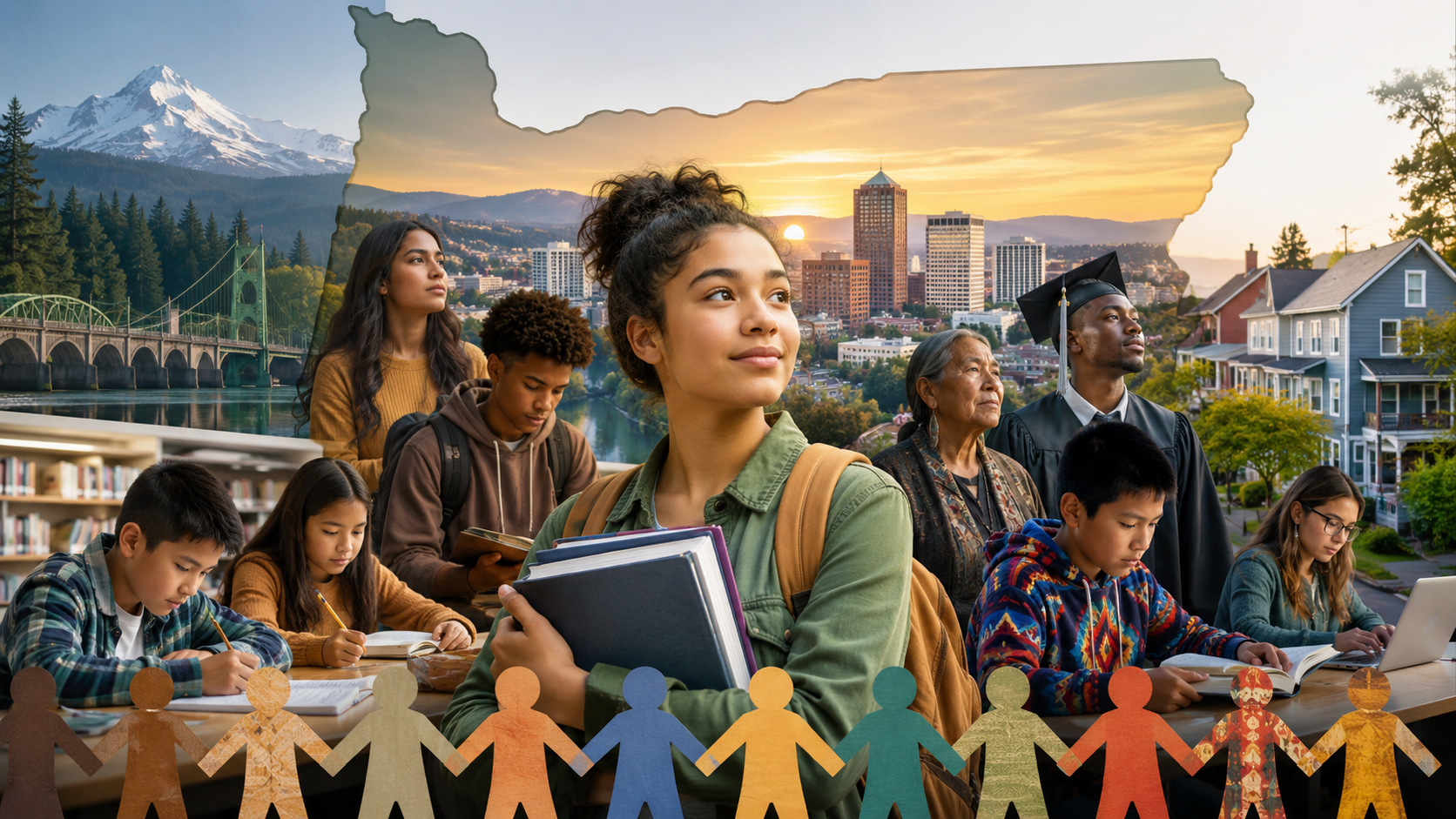
Education is one of the most important institutions in modern society because it shapes social mobility, economic opportunity, political awareness, and cultural identity. In the United States, education has long been considered a pathway to equality and democratic participation. However, educational systems often reproduce social inequalities based on class, race, geography, language, and gender. The state of Oregon presents an important sociological case for understanding how education and social equity interact in contemporary society. Known for its progressive political culture, environmental consciousness, and investment in public welfare, Oregon has attempted to create a more inclusive educational environment. Yet the state also faces deep inequalities in school funding, racial achievement gaps, rural access, and digital divides.
From a sociological perspective, education in Oregon reflects broader structural tensions between equality of opportunity and unequal social conditions. Schools are not isolated institutions; they are connected to family income, neighborhood segregation, labor markets, healthcare, and state policies. While Oregon has introduced reforms to improve educational outcomes for marginalized communities, disparities continue to affect Indigenous populations, Black students, Latino communities, immigrant families, rural students, and low-income households. Understanding these issues requires examining education not merely as a system of learning but as a social institution shaped by power, culture, and inequality.
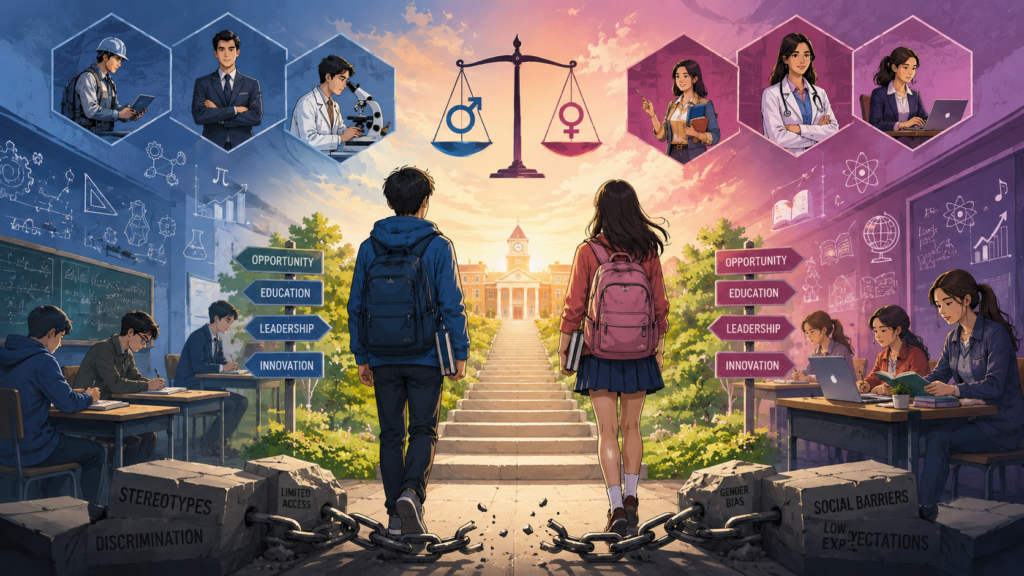
Explore Social Equity in Oregon from a sociological perspective, including education inequality, racial disparities, rural challenges, and policies promoting equal opportunities in society.
Understanding Social Equity in Education
Social equity in education refers to fairness in access, participation, and outcomes within the educational system. Equality means providing everyone with the same resources, while equity recognizes that different social groups require different forms of support to overcome historical and structural disadvantages. Sociologists argue that educational equity is achieved not when all students receive identical treatment, but when all students have genuine opportunities to succeed.
In Oregon, debates around educational equity often focus on funding disparities, culturally responsive teaching, language inclusion, disability services, and access to higher education. The state government and educational institutions increasingly recognize that students from marginalized communities face systemic barriers that cannot be solved solely through standardized reforms.
Sociological theories help explain these inequalities. Functionalist perspectives view education as a mechanism for social integration and skill development. Conflict theorists argue that schools reproduce class inequality by privileging dominant social groups. Symbolic interactionists examine how classroom interactions, teacher expectations, and labels influence student identity and achievement. These theoretical frameworks provide important insights into Oregon’s educational realities.
Historical Development of Education in Oregon
The educational history of Oregon reflects broader American social transformations. Early educational institutions in Oregon were primarily designed for white settler communities during the nineteenth century. Indigenous communities experienced exclusion, forced assimilation, and cultural suppression through boarding school systems. Native children were often separated from their families and prohibited from practicing their languages and traditions. This historical trauma continues to affect Indigenous educational experiences today.
Racial segregation and discrimination also influenced educational development in Oregon. Although Oregon is often perceived as progressive, the state has a complicated racial history. Black communities faced housing discrimination, economic marginalization, and unequal educational opportunities throughout the twentieth century. Latino migrant workers and immigrant populations similarly encountered barriers related to language access and economic inequality.
During the post-World War II period, Oregon expanded public education and higher education systems. Community colleges, public universities, and state-funded schools increased educational access for many citizens. However, suburbanization and economic inequality contributed to uneven school quality between wealthy and poor districts. Sociologists note that education became closely tied to residential geography, meaning that housing inequality directly shaped educational opportunity.
Economic Inequality and School Funding
One of the major sociological issues affecting educational equity in Oregon is economic inequality. Schools in affluent communities generally possess better facilities, advanced academic programs, experienced teachers, and stronger extracurricular opportunities. In contrast, schools in low-income or rural areas often struggle with overcrowding, teacher shortages, and limited educational resources.
Funding disparities are linked to broader patterns of wealth inequality. Families with higher incomes can provide tutoring, technology, private lessons, and stable educational environments for their children. Poor families may face housing insecurity, food insecurity, healthcare challenges, and unstable employment conditions that negatively affect academic performance.
Oregon has attempted to address these inequalities through state funding reforms and targeted educational investments. Programs supporting early childhood education, nutrition assistance, and low-income student services aim to reduce structural disadvantages. Nevertheless, sociologists argue that educational reforms alone cannot fully eliminate inequality because schools reflect larger economic systems.
The relationship between education and class inequality is particularly visible in urban-rural divides. Urban schools in cities such as Portland often have greater access to technological resources and specialized programs, while rural communities may struggle with limited broadband access and teacher recruitment. Rural students frequently experience geographic isolation that affects college preparation and career opportunities.
Race, Ethnicity, and Educational Achievement
Racial inequality remains a central concern in Oregon’s educational system. Achievement gaps between white students and students from marginalized racial communities reveal broader structural inequalities within society. Black, Latino, and Indigenous students often experience lower graduation rates, reduced access to advanced coursework, and disproportionate disciplinary actions.
Sociologists emphasize that these disparities are not caused by individual failure but by systemic factors. Residential segregation, income inequality, healthcare access, and discrimination all influence educational outcomes. Schools serving marginalized communities may have fewer resources, larger class sizes, and higher teacher turnover rates.

The educational experiences of Indigenous communities in Oregon are particularly significant. Native American students have historically faced cultural erasure within school curricula. Many schools failed to represent Indigenous histories, languages, and knowledge systems accurately. In recent years, Oregon has introduced initiatives promoting tribal history education and culturally responsive curricula. These reforms seek to acknowledge historical injustice and improve representation within educational institutions.
Latino students constitute one of the fastest-growing student populations in Oregon. Many Latino families contribute significantly to Oregon’s agricultural and service economies, yet they often encounter language barriers, economic hardship, and limited access to higher education resources. Bilingual education programs and community outreach initiatives have attempted to address these challenges.
Black students in Oregon also face significant educational disparities. Research shows that disciplinary policies disproportionately affect Black youth, contributing to what sociologists describe as the “school-to-prison pipeline.” Suspensions, expulsions, and criminalization within schools can increase long-term social exclusion. Equity-focused educational reforms aim to reduce discriminatory disciplinary practices and create more inclusive school environments.
The Role of Culture and Identity in Education
Education is not only about academic knowledge but also about identity formation and cultural recognition. Sociologists argue that schools transmit cultural norms, values, and social expectations. When educational systems privilege dominant cultural perspectives while marginalizing others, students from minority communities may experience alienation and exclusion.
Oregon has increasingly emphasized culturally responsive education. Teachers are encouraged to integrate diverse histories, perspectives, and experiences into classroom instruction. This approach recognizes that students learn more effectively when their identities and cultures are respected within educational spaces.
Language inclusion is another important issue. Students from immigrant families may speak Spanish, Indigenous languages, or other languages at home. Schools that fail to accommodate linguistic diversity may unintentionally disadvantage multilingual students. Oregon has expanded bilingual and English language learner programs to improve educational access.
Gender identity and sexuality have also become important dimensions of educational equity. Many schools in Oregon promote inclusive policies for LGBTQ+ students, including anti-bullying initiatives and gender-inclusive practices. Sociologically, these policies reflect changing cultural attitudes toward identity and human rights. However, debates over curriculum, parental authority, and cultural values continue to shape educational politics.
Higher Education and Social Mobility
Higher education plays a critical role in social mobility within Oregon. Public universities and community colleges provide opportunities for skill development, professional advancement, and economic mobility. Institutions such as University of Oregon and Oregon State University contribute significantly to the state’s educational and economic development.
However, access to higher education remains unequal. Tuition costs, student debt, and economic insecurity disproportionately affect low-income students and marginalized communities. First-generation college students often face additional social and cultural barriers because they may lack family guidance regarding college systems and academic expectations.
Community colleges in Oregon have become important mechanisms for educational inclusion. They provide affordable pathways for vocational training, technical education, and university transfer programs. Sociologists note that community colleges often serve working-class students, adult learners, and immigrant communities who may not have access to traditional four-year institutions.
Student debt has emerged as a major sociological issue in higher education. Many students graduate with significant financial burdens that affect employment choices, housing decisions, and family formation. Critics argue that rising educational costs undermine the ideal of equal opportunity.
Digital Divide and Educational Access
The digital divide became especially visible during the COVID-19 pandemic when schools shifted toward online learning. Students without reliable internet access, computers, or quiet study spaces faced severe educational disadvantages. Rural areas in Oregon experienced particular difficulties due to limited broadband infrastructure.
Sociologists interpret the digital divide as a form of technological inequality connected to class and geography. Access to digital resources increasingly determines educational participation, employment opportunities, and civic engagement. Students from affluent households generally adapted more easily to online education because they possessed greater technological resources.

Oregon has since invested in expanding broadband access and digital learning infrastructure. However, technological inequality remains a challenge. Educational equity in the digital age requires not only devices and internet access but also digital literacy skills and supportive learning environments.
Teachers and Educational Equity
Teachers occupy a central role in shaping educational experiences. Sociological studies demonstrate that teacher expectations significantly influence student achievement and self-confidence. Biases based on race, class, language, or gender may affect classroom interactions and evaluation practices.
Oregon has implemented initiatives aimed at diversifying the teaching workforce. Many educators and policymakers believe students benefit when teachers reflect the cultural and racial diversity of the communities they serve. Diverse representation can strengthen trust, improve communication, and promote inclusive learning environments.
Teacher shortages remain a serious issue in rural and underfunded districts. Schools in marginalized communities often struggle to retain experienced educators due to lower salaries, limited resources, and high workloads. This creates cycles of instability that negatively affect student learning outcomes.
Professional development programs focused on equity, anti-racism, and inclusive teaching methods have become increasingly important. Sociologically, these efforts reflect broader social movements demanding institutional accountability and social justice.
Educational Policy and Reform in Oregon
Educational reforms in Oregon frequently emphasize equity, inclusion, and opportunity. State policymakers have introduced measures addressing graduation rates, early childhood education, mental health services, and culturally responsive curricula. These reforms aim to reduce disparities and improve long-term social outcomes.
Early childhood education is particularly important from a sociological perspective because inequalities often emerge before children enter formal schooling. Access to preschool, healthcare, nutrition, and stable family environments strongly influences cognitive and social development. Oregon has expanded investments in early learning initiatives targeting disadvantaged communities.
School discipline reforms also represent significant policy changes. Many educators advocate restorative justice approaches that emphasize dialogue, accountability, and conflict resolution instead of punitive suspensions. These methods seek to reduce exclusionary practices that disproportionately affect marginalized students.
However, educational reform is often politically contested. Debates surrounding curriculum content, standardized testing, taxation, and parental rights reflect broader ideological conflicts within society. Education becomes a site where competing visions of citizenship, morality, and national identity intersect.
Education, Community, and Civic Participation
Education influences not only economic mobility but also democratic participation and community engagement. Sociologists argue that schools help develop civic values, social trust, and political awareness. Students who receive equitable educational opportunities are more likely to participate in voting, volunteering, and community leadership.
In Oregon, community organizations, nonprofits, and local activists play important roles in promoting educational equity. Grassroots initiatives often provide tutoring, mentorship, mental health support, and cultural programs for marginalized youth. These efforts demonstrate that educational success depends on community cooperation rather than schools alone.
Parental involvement is another important sociological factor. Families with greater economic and cultural resources often possess stronger influence over school systems and policy decisions. Marginalized communities may face barriers related to language, work schedules, or institutional distrust. Inclusive educational governance requires meaningful participation from diverse social groups.
Challenges Facing the Future of Educational Equity
Despite ongoing reforms, Oregon continues to face significant challenges in achieving educational equity. Economic inequality, housing instability, mental health crises, and political polarization all affect educational systems. Climate change and environmental disasters such as wildfires also disrupt schooling and disproportionately impact vulnerable communities.
Artificial intelligence and automation may further transform educational expectations and labor markets. Students increasingly require technological skills, critical thinking abilities, and adaptability to succeed in changing economies. However, unequal access to advanced educational resources may widen existing social inequalities.
Population growth and demographic change will also shape Oregon’s educational future. Increasing diversity requires schools to become more culturally inclusive and linguistically responsive. Sociologists argue that educational institutions must adapt to multicultural realities while addressing historical injustices.
Mental health has emerged as another major concern. Anxiety, depression, social isolation, and economic stress affect student well-being and academic performance. Equity-oriented educational systems must address emotional and psychological needs alongside academic achievement.
Conclusion
Education and social equity in Oregon represent a complex sociological issue shaped by history, economics, race, culture, and public policy. Although Oregon has made important efforts toward creating a more inclusive educational system, significant inequalities continue to affect marginalized communities. Educational disparities reflect broader social structures related to wealth distribution, racial inequality, geographic isolation, and cultural exclusion.
From a sociological perspective, schools are not neutral institutions. They can reproduce inequality or promote social transformation depending on policies, resources, and community engagement. Achieving educational equity requires addressing not only classroom conditions but also larger social problems such as poverty, discrimination, healthcare access, and housing inequality.
Oregon’s experiences demonstrate both the possibilities and limitations of educational reform. Investments in culturally responsive teaching, bilingual education, restorative justice, and early childhood programs show meaningful progress toward inclusion. However, long-term social equity depends on sustained political commitment, economic justice, and community participation.
Ultimately, education remains one of the most powerful tools for building democratic citizenship, reducing inequality, and promoting social cohesion. A socially equitable educational system is essential not only for individual success but also for the creation of a more just and inclusive society.
FAQs on Social Equity in Oregon
1. What is Social Equity in Oregon?
Social Equity in Oregon refers to the fair distribution of opportunities, resources, and social benefits among all communities regardless of race, class, gender, ethnicity, or geographic location. It focuses on reducing inequality in education, healthcare, employment, and housing.
2. Why is Social Equity in Oregon important in education?
Social Equity in Oregon is important because unequal access to quality education can limit social mobility and economic opportunities for marginalized communities. Equity-focused policies help students from diverse backgrounds achieve academic success.
3. How does economic inequality affect Social Equity in Oregon?
Economic inequality affects Social Equity in Oregon by creating disparities in school funding, healthcare access, housing quality, and employment opportunities. Low-income families often face barriers that reduce their educational and social advancement.
4. What role do public schools play in Social Equity in Oregon?
Public schools play a major role in Social Equity in Oregon by providing educational opportunities, promoting cultural inclusion, and helping students develop skills for social and economic mobility.
5. How are rural communities connected to Social Equity in Oregon?
Rural communities face challenges such as limited internet access, teacher shortages, and fewer higher education opportunities. Addressing these issues is essential for improving Social Equity in Oregon.
6. What challenges do Indigenous communities face regarding Social Equity in Oregon?
Indigenous communities often experience historical marginalization, cultural exclusion, and educational disparities. Efforts to improve Social Equity in Oregon include tribal history education and culturally responsive learning programs.
7. How does racial inequality impact Social Equity in Oregon?
Racial inequality impacts Social Equity in Oregon through achievement gaps, unequal disciplinary practices, and limited access to advanced educational resources for minority students.
8. What is culturally responsive education in Social Equity in Oregon?
Culturally responsive education recognizes and respects diverse cultural backgrounds within classrooms. It is a key strategy for strengthening Social Equity in Oregon by making education more inclusive.
9. How does technology influence Social Equity in Oregon?
Technology influences Social Equity in Oregon by affecting access to online learning, digital skills, and educational resources. The digital divide remains a major challenge for low-income and rural students.
10. What is the relationship between higher education and Social Equity in Oregon?
Higher education supports Social Equity in Oregon by creating opportunities for career development, income growth, and social mobility. However, tuition costs and student debt can create barriers for disadvantaged students.
11. How does housing inequality affect Social Equity in Oregon?
Housing inequality affects Social Equity in Oregon because school quality is often linked to neighborhood wealth. Students in poorer communities may attend underfunded schools with fewer opportunities.
12. What policies promote Social Equity in Oregon?
Policies promoting Social Equity in Oregon include early childhood education programs, bilingual education, restorative justice practices, and expanded mental health services in schools.
13. How do teachers contribute to Social Equity in Oregon?
Teachers contribute to Social Equity in Oregon by creating inclusive classrooms, supporting diverse learners, and reducing discriminatory practices in education.
14. What are the major barriers to Social Equity in Oregon?
Major barriers to Social Equity in Oregon include poverty, racial discrimination, unequal school funding, healthcare disparities, and limited access to technology.
15. What is the future of Social Equity in Oregon?
The future of Social Equity in Oregon depends on continued investment in inclusive education, economic justice, technological access, and policies that reduce systemic inequality.
1 thought on “Education and Social Equity in Oregon”