
The rural landscape of Wyoming represents one of the most distinctive social environments in the United States. Known for its vast plains, mountain ranges, ranching traditions, and low population density, Wyoming symbolizes the enduring image of the American rural frontier. Yet beneath this romantic image lies a serious sociological issue: rural population decline. Many counties and small towns across Wyoming have experienced decades of depopulation, economic restructuring, aging populations, and youth migration. These demographic transformations are not merely statistical changes; they deeply affect family structures, local economies, community identity, education, healthcare, and social cohesion.
Wyoming is already the least populated state in the United States, and many rural counties continue to lose residents year after year. Recent reports indicate that several rural counties in Wyoming are experiencing long-term demographic decline, leading to labor shortages, school closures, and weakening local institutions. Sociologically, this trend reflects broader processes of rural transformation, modernization, urbanization, and economic inequality.
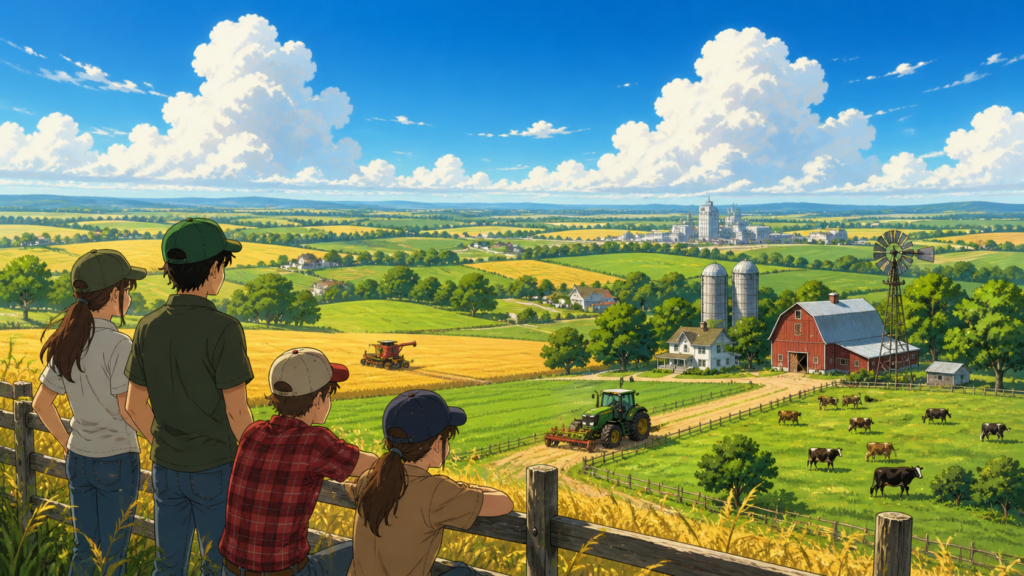
The study of rural society and population decline in Wyoming offers important insights into how social systems respond to economic change and migration patterns. It also raises critical questions about the future of rural communities in the twenty-first century.
Understanding Rural Society in Wyoming
Rural society refers to social life in sparsely populated areas where agriculture, ranching, mining, and local community networks shape everyday experiences. Wyoming’s rural communities historically developed around cattle ranching, farming, railroads, energy extraction, and natural resource industries. These activities created stable settlements where generations of families shared common cultural traditions and social values.
Rural society in Wyoming is characterized by several sociological features:
- Strong community ties
- Dependence on local institutions
- Traditional family structures
- Informal social control
- Attachment to land and environment
- Economic dependence on primary industries
In small Wyoming towns, people often know one another personally, creating what sociologist Ferdinand Tönnies described as Gemeinschaft, or community-based social relationships. Social life is built upon kinship, trust, cooperation, and shared identity. Churches, schools, county fairs, and agricultural events play central roles in maintaining community solidarity.
However, modernization and economic globalization have weakened many traditional rural institutions. Younger generations increasingly leave rural communities in search of higher education, employment opportunities, and urban lifestyles. As a result, rural society in Wyoming is undergoing profound transformation.
Historical Background of Population Change
Population decline in Wyoming is closely connected to historical changes in the rural economy. During the late nineteenth and early twentieth centuries, Wyoming experienced settlement growth due to ranching, railroad expansion, mining, and agricultural development. Small towns emerged as centers of trade and local governance.
Over time, technological advancements reduced the need for labor in agriculture and mining. Mechanized farming and industrial efficiency allowed fewer workers to produce greater output. This process contributed to rural out-migration across the Great Plains region, including Wyoming.
The Dust Bowl era, fluctuating commodity prices, and later economic crises accelerated rural depopulation. Families migrated to urban centers where industrial and service-sector jobs were expanding. This rural-to-urban migration became a defining feature of American demographic change during the twentieth century.
In Wyoming, many counties never recovered their earlier population levels. Some towns lost businesses, schools, and healthcare facilities as residents moved away. Recent census data continue to show population decline in multiple rural counties.
Sociological Causes of Population Decline
Economic Restructuring
One of the primary causes of rural population decline in Wyoming is economic restructuring. Rural economies traditionally depended on agriculture, ranching, coal mining, oil extraction, and other resource-based industries. Technological changes reduced labor demand in these sectors, leaving fewer employment opportunities for residents.
Agricultural consolidation also contributed to depopulation. Large commercial farms replaced smaller family-owned farms, reducing the number of farming households. Research on rural depopulation in the Great Plains shows that mechanization and restructuring significantly decreased farm employment.
Young people often leave rural areas because they perceive limited economic futures. Employment opportunities in technology, healthcare, finance, and education are concentrated in urban areas rather than small Wyoming towns.
Rural-to-Urban Migration
Migration plays a major role in Wyoming’s demographic decline. Sociologists describe migration as both an economic and social process. Individuals move not only for jobs but also for education, lifestyle, social mobility, and cultural opportunities.
Urban centers attract rural youth because cities offer:
- Universities and colleges
- Higher-paying jobs
- Entertainment and cultural diversity
- Better healthcare services
- Greater social mobility
This process creates what rural sociologists call “brain drain,” where educated and skilled individuals permanently leave rural communities.
As younger residents migrate away, rural areas experience population aging and declining birth rates, intensifying demographic decline.
Aging Population
Wyoming’s rural counties increasingly contain older populations. Many elderly residents remain in their hometowns while younger generations relocate elsewhere. This demographic imbalance creates several sociological challenges:
- Shrinking labor force
- Increased healthcare demands
- Reduced school enrollment
- Weakening economic productivity
- Declining community participation
Natural population decrease occurs when deaths exceed births. Research on rural population loss in the Great Plains indicates that aging populations and low fertility contribute significantly to rural decline.
An aging society also affects community sustainability because elderly populations may struggle to maintain local businesses, volunteer organizations, and civic institutions.
Isolation and Limited Services
Geographical isolation remains another important factor. Wyoming has vast distances between settlements, making access to healthcare, education, transportation, and communication more difficult.
Many rural residents face challenges such as:
- Long travel distances to hospitals
- Limited internet connectivity
- Lack of public transportation
- Shortage of educational institutions
- Limited housing options
These conditions discourage young families and professionals from settling in rural communities. Sociologically, inadequate infrastructure contributes to spatial inequality between urban and rural regions.
Effects of Population Decline on Rural Society
Decline of Local Economies
Population decline weakens rural economies because fewer residents mean fewer consumers, workers, and taxpayers. Small businesses struggle to survive when customer bases shrink.
In several Wyoming towns, historic downtown areas have experienced business closures and economic stagnation. Reports describe empty storefronts and declining commercial activity in rural communities.
Economic decline creates a cycle:
- Population decreases
- Businesses close
- Employment opportunities shrink
- More residents leave
This cycle reinforces rural decline and makes economic recovery difficult.
Educational Challenges
Schools are central institutions in rural society. When populations decline, school enrollments decrease, leading to funding shortages and consolidation.
Small rural schools often face:
- Teacher shortages
- Reduced academic programs
- Budget limitations
- School closures
The closure of schools affects more than education. Schools function as community centers where sports events, social gatherings, and civic activities occur. Their disappearance weakens local identity and community cohesion.
Young families may avoid settling in rural areas if educational opportunities appear limited, further accelerating population decline.
Healthcare Crisis
Healthcare access is a major concern in rural Wyoming. Population decline makes it difficult to sustain hospitals, clinics, and medical services. Rural healthcare facilities often face financial instability due to low patient numbers and staffing shortages.
Elderly populations require increased medical care, yet rural areas struggle to attract doctors and healthcare professionals. This creates health inequalities between urban and rural populations.
From a sociological perspective, healthcare access is closely linked to social justice and quality of life. Rural residents may experience greater vulnerability due to geographic and institutional disadvantages.
Weakening Social Institutions
Population decline affects churches, volunteer groups, local newspapers, and civic organizations. These institutions traditionally provided social integration and collective identity.
As populations shrink:
- Volunteer participation decreases
- Community events become less frequent
- Social networks weaken
- Political influence declines
Rural sociology emphasizes that communities depend upon social capital, meaning trust, cooperation, and collective participation. Depopulation reduces social capital and weakens community resilience.
Cultural Transformation
Wyoming’s rural communities possess unique cultural traditions connected to ranching, agriculture, rodeo culture, and frontier identity. Population decline threatens the continuity of these traditions.
When younger generations leave, cultural knowledge may not be passed down effectively. Historic buildings, local festivals, and family traditions may disappear over time.
At the same time, some rural communities experience cultural change through tourism, retirement migration, and economic diversification. This creates tensions between preserving traditional identity and adapting to modern realities.
Theoretical Perspectives on Rural Population Decline
Functionalist Perspective
Functionalist sociology views society as a system of interconnected institutions working together for social stability. From this perspective, population decline disrupts the normal functioning of rural communities.
Schools, businesses, churches, and families all perform important social functions. When depopulation weakens these institutions, community stability declines. Functionalists may argue that rural depopulation reflects broader structural changes in industrial society.
However, functionalists also believe societies adapt over time. Rural communities may develop new economic functions such as tourism, renewable energy, or remote work opportunities.
Conflict Perspective
Conflict theory focuses on inequality and power relations. From this viewpoint, rural decline results partly from unequal economic systems favoring urban and corporate interests.
Large corporations often control agriculture, mining, and energy industries, while small rural communities receive fewer economic benefits. Wealth and resources become concentrated in urban areas, increasing regional inequality.
Conflict theorists argue that government policies and capitalist restructuring contribute to rural marginalization. Rural populations may feel politically ignored compared to urban populations.
Symbolic Interactionism
Symbolic interactionism examines everyday social interactions and meanings. Rural depopulation changes how residents perceive identity, belonging, and community life.
For many Wyoming residents, small towns symbolize tradition, independence, and family heritage. When communities decline, residents may experience emotional loss and uncertainty about the future.
Abandoned buildings, empty schools, and disappearing businesses become symbols of social change. At the same time, community members may develop strong emotional attachments to preserving local identity.
Technology and the Future of Rural Wyoming
Technology may offer new opportunities for rural communities. Remote work, digital communication, and online businesses could reduce dependence on urban employment centers.

Improved internet infrastructure can help rural residents access:
- Remote education
- Telemedicine
- E-commerce
- Freelance work
- Digital entrepreneurship
Some rural areas in the American West have attracted newcomers seeking lower living costs and natural environments. However, successful adaptation requires investment in infrastructure, education, and public services.
Renewable energy industries such as wind power may also create new economic opportunities in Wyoming. Tourism and outdoor recreation industries continue to contribute to local economies as well.
Nevertheless, technological development alone cannot solve all demographic challenges. Sustainable rural development requires coordinated social, economic, and political strategies.
Government Responses and Rural Development
Government policies play an important role in addressing rural population decline. Possible strategies include:
- Expanding rural healthcare services
- Supporting small businesses
- Improving broadband internet
- Investing in rural education
- Encouraging affordable housing
- Promoting economic diversification
Community development programs can strengthen local participation and encourage residents to remain in rural areas. Sociologists emphasize that development policies should involve local communities rather than imposing external solutions.
Some Wyoming communities are attempting to attract new residents through tourism, entrepreneurship programs, and quality-of-life initiatives. Success varies depending on economic resources and geographic location.
Rural Identity and Social Resilience
Despite population decline, many Wyoming communities demonstrate resilience. Rural residents often maintain strong social bonds and collective identity even during economic hardship.
Community resilience includes:
- Mutual support networks
- Volunteerism
- Cultural preservation
- Local problem-solving
- Adaptation to economic change
Rural identity remains deeply connected to land, independence, and community solidarity. Many residents continue to value rural lifestyles despite economic difficulties.
Sociologically, resilience shows that communities are not passive victims of demographic change. Rural people actively negotiate social transformation while preserving aspects of their cultural identity.
Conclusion
Rural society and population decline in Wyoming represent a complex sociological issue shaped by economic restructuring, migration, aging populations, and regional inequality. The decline of rural populations affects nearly every aspect of community life, including schools, healthcare, businesses, social institutions, and cultural traditions.
Wyoming’s experience reflects broader demographic trends across the Great Plains and many rural regions worldwide. Technological change, urbanization, and globalization have transformed rural economies and altered traditional patterns of social organization. Younger generations continue to migrate toward urban centers, leaving aging populations behind in many rural counties.
Yet rural Wyoming is not simply a story of decline. Communities continue to adapt through resilience, cultural preservation, and economic innovation. New technologies, renewable energy, tourism, and remote work opportunities may provide pathways for future development.
From a sociological perspective, understanding rural population decline requires examining both structural forces and human experiences. Rural communities are more than geographic spaces; they are social systems shaped by relationships, identity, culture, and collective memory.
The future of rural Wyoming will depend on how effectively communities, governments, and institutions respond to demographic challenges while preserving the social values that define rural life. Addressing population decline is not only an economic issue but also a question of social justice, community survival, and cultural continuity.
FAQs on Population Decline in Wyoming
1. What is Population Decline in Wyoming?
Population Decline in Wyoming refers to the reduction of residents in many rural and small-town areas of the state due to migration, aging populations, and limited economic opportunities.
2. What are the main causes of Population Decline in Wyoming?
The main causes of Population Decline in Wyoming include rural-to-urban migration, lack of job opportunities, economic restructuring, aging communities, and declining birth rates.
3. How does Population Decline in Wyoming affect rural communities?
Population Decline in Wyoming weakens local economies, reduces school enrollment, limits healthcare services, and decreases community participation in social institutions.
4. Why are young people leaving rural Wyoming?
Young people leave rural Wyoming for better education, employment opportunities, healthcare, and modern urban lifestyles available in larger cities.
5. How does Population Decline in Wyoming impact schools?
Population Decline in Wyoming often leads to lower student enrollment, teacher shortages, reduced funding, and sometimes school consolidation or closures.
6. What industries are most affected by Population Decline in Wyoming?
Agriculture, ranching, mining, local retail businesses, and community-based services are among the industries most affected by Population Decline in Wyoming.
7. Is Population Decline in Wyoming connected to urbanization?
Yes, Population Decline in Wyoming is closely linked to urbanization because many residents migrate to urban areas seeking economic and social opportunities.
8. How does Population Decline in Wyoming affect healthcare services?
Population Decline in Wyoming creates challenges for rural hospitals and clinics due to staffing shortages, lower funding, and increasing healthcare demands from aging populations.
9. What sociological theories explain Population Decline in Wyoming?
Functionalism, conflict theory, and symbolic interactionism help explain Population Decline in Wyoming by examining social structures, inequality, migration, and community identity.
10. Does Population Decline in Wyoming affect cultural traditions?
Yes, Population Decline in Wyoming threatens rural cultural traditions such as ranching heritage, local festivals, and community events due to shrinking populations.
11. Can technology reduce Population Decline in Wyoming?
Improved internet access, remote work opportunities, telemedicine, and digital businesses may help reduce Population Decline in Wyoming by attracting new residents.
12. Which areas experience the highest Population Decline in Wyoming?
Remote rural counties and small agricultural towns often experience the highest Population Decline in Wyoming because of limited economic diversification.
13. How does Population Decline in Wyoming impact local businesses?
Population Decline in Wyoming reduces consumer demand, leading to business closures, economic stagnation, and declining investment in rural communities.
14. What role does government policy play in Population Decline in Wyoming?
Government policies related to infrastructure, healthcare, education, and economic development can either reduce or worsen Population Decline in Wyoming.
15. What is the future of Population Decline in Wyoming?
The future of Population Decline in Wyoming depends on economic innovation, rural investment, technology access, and the ability of communities to attract and retain residents.