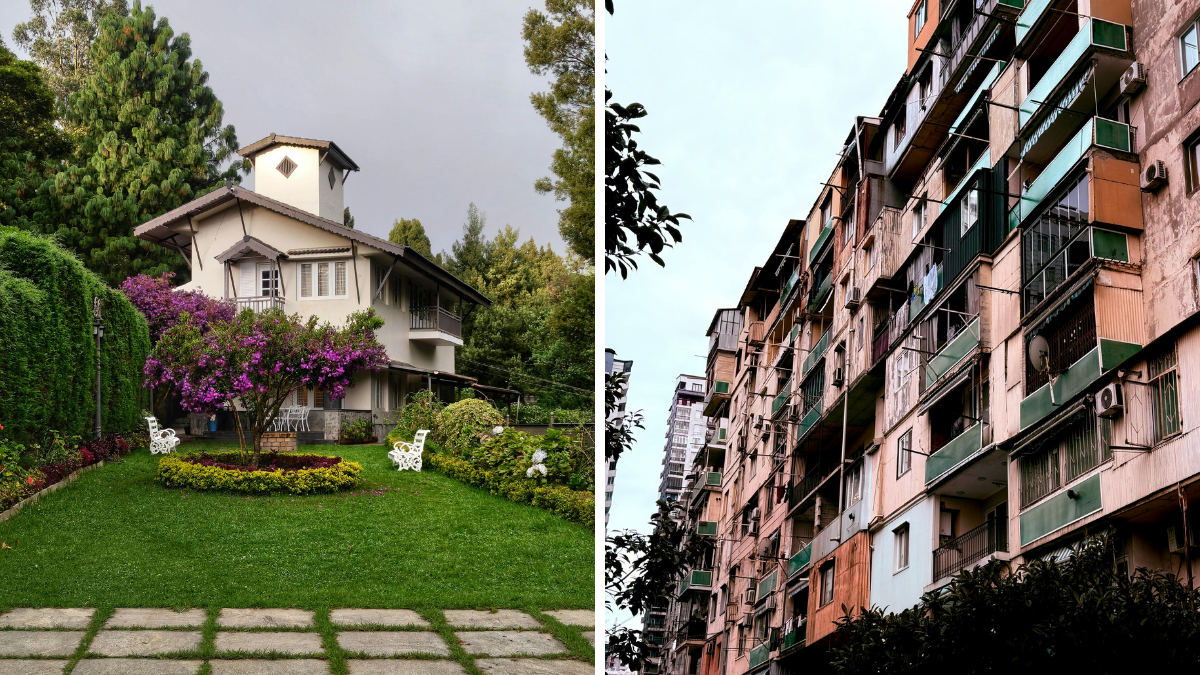
Urban inequality and segregation remain defining features of many American cities, and the state of Missouri offers a particularly revealing case. Cities such as Kansas City and St. Louis illustrate how historical processes, institutional practices, and socio-economic dynamics have shaped deeply unequal urban landscapes. From racialized housing policies to contemporary disparities in health, education, and income, Missouri’s urban spaces reflect the enduring consequences of structural inequality. This article explores the sociological dimensions of urban inequality and segregation in Missouri, focusing on historical roots, spatial patterns, and contemporary implications.
1. Conceptual Framework: Understanding Urban Inequality and Segregation
Urban inequality refers to uneven access to resources, opportunities, and life chances within cities. It encompasses disparities in income, housing, education, healthcare, and political power. Segregation, on the other hand, is the spatial separation of social groups—most commonly along lines of race, class, and ethnicity.

From a sociological perspective, segregation is not merely a demographic pattern but a structural phenomenon. It is embedded in institutions such as housing markets, urban planning systems, and labor markets. Scholars often emphasize structural racism, a system in which social institutions reproduce inequalities across generations. Structural Racism explains how inequality persists even without overt discriminatory intent.
In Missouri, urban inequality and segregation are deeply interconnected. Segregation creates concentrated poverty and limited mobility, while inequality reinforces spatial divisions, forming a self-perpetuating cycle.
2. Historical Roots: Slavery, Migration, and Segregation
The roots of urban segregation in Missouri can be traced to its historical position as a border state during the era of slavery. After the Civil War, African Americans faced systemic exclusion despite formal emancipation.
The Great Migration and Urban Transformation
During the early 20th century, the Great Migration brought thousands of African Americans from the rural South to cities like Kansas City and St. Louis. They sought employment and better living conditions but encountered discriminatory housing and labor practices.
Urban growth during this period was accompanied by racial zoning, restrictive covenants, and exclusionary practices that confined Black residents to specific neighborhoods. These patterns laid the foundation for long-term segregation.
3. Redlining and Institutionalized Segregation
One of the most significant mechanisms of segregation in Missouri was redlining, a practice in which banks and government agencies denied loans to residents of certain neighborhoods based on racial composition.
In Kansas City, redlining shaped urban geography in lasting ways. Historically “hazardous” areas—often populated by African Americans—were denied investment, leading to long-term disinvestment and decline.
Even after the passage of the Fair Housing Act, the legacy of redlining persisted. Many formerly redlined neighborhoods still exhibit lower property values, higher vacancy rates, and greater poverty.
Sociologically, redlining illustrates how state policies and market forces intersect to produce spatial inequality. It also demonstrates how past discrimination continues to shape present-day outcomes.
4. Spatial Segregation in Missouri Cities
Kansas City: The Troost Divide
Kansas City is often described as a “divided city.” One of the most visible symbols of segregation is Troost Avenue, which historically functioned as a racial boundary.
East of Troost, neighborhoods are predominantly Black and experience higher poverty, lower property values, and fewer resources. West of Troost, neighborhoods are largely white and more affluent. This division reflects decades of discriminatory housing practices and urban planning.
Segregation in Kansas City is not just spatial but also socio-economic. Black residents have significantly lower housing wealth and homeownership rates compared to white residents.
St. Louis: Fragmented Urban Landscape
St. Louis is another example of extreme segregation. The city’s history of zoning laws, suburbanization, and municipal fragmentation has produced stark divides between wealthy and impoverished areas.
Research shows that segregation in St. Louis is deeply embedded in housing systems and continues to influence neighborhood quality and access to resources.
From a sociological perspective, these cities exemplify the concept of the “dual city,” where affluent and marginalized populations coexist but remain spatially and socially separated.
5. Socio-Economic Consequences of Segregation
Urban segregation in Missouri has profound socio-economic consequences, affecting multiple aspects of life.
5.1 Wealth and Income Inequality
Housing is a primary source of wealth in the United States. In segregated cities, unequal access to homeownership contributes to persistent racial wealth gaps. In Kansas City, Black households possess significantly less housing wealth than white households.
5.2 Education Inequality
Segregated neighborhoods often correspond to segregated schools. Schools in low-income areas tend to have fewer resources, lower funding, and poorer educational outcomes. This reinforces intergenerational inequality.

5.3 Health Disparities
Health outcomes vary dramatically across segregated neighborhoods. In Kansas City, life expectancy differs by nearly two decades between predominantly white and predominantly minority areas.
Such disparities are linked to environmental conditions, access to healthcare, and socio-economic stressors.
5.4 Crime and Social Disorder
Concentrated poverty in segregated neighborhoods is associated with higher rates of crime and violence. Studies indicate that areas shaped by redlining experience greater social instability and reduced opportunities.
6. The Role of Urban Planning and Policy
Urban inequality in Missouri is not accidental—it is the result of policy decisions.
Housing Policies
Zoning laws, mortgage lending practices, and urban renewal programs have historically favored white, middle-class populations while marginalizing minorities.
Infrastructure and Public Services
Investment in infrastructure—such as transportation, schools, and healthcare—has been unevenly distributed, reinforcing spatial inequality.
Political Representation
Segregation also affects political power. Dividing communities along racial lines can dilute minority representation, limiting their influence over policy decisions.
7. Gentrification and Contemporary Dynamics
In recent decades, some urban areas in Missouri have experienced gentrification, a process in which affluent residents move into historically low-income neighborhoods.
While gentrification can bring investment and development, it often leads to displacement of long-term residents. This creates new forms of inequality and spatial exclusion.
Sociologically, gentrification reflects the tension between urban revitalization and social justice. It raises questions about who benefits from development and who is excluded.
8. Theoretical Perspectives
Several sociological theories help explain urban inequality in Missouri:
Conflict Theory
Associated with Karl Marx, conflict theory emphasizes power struggles between dominant and marginalized groups. Segregation can be seen as a tool for maintaining economic and social control.
Urban Ecology
The Urban Sociology perspective of urban ecology views cities as competitive environments where groups struggle for space and resources.
Critical Race Theory
Critical race theory highlights how laws and policies perpetuate racial inequality, even when they appear neutral.
9. Toward Solutions: Addressing Urban Inequality
Addressing urban inequality and segregation in Missouri requires comprehensive and multi-level interventions.
Policy Reforms
Stronger enforcement of fair housing laws, equitable zoning practices, and inclusive urban planning are essential.
Economic Investment
Targeted investment in marginalized neighborhoods can help reduce disparities in housing, education, and employment.
Community Development
Grassroots initiatives and community organizations play a crucial role in empowering residents and promoting social cohesion.
Education and Awareness
Public awareness of historical injustices is necessary to build support for equitable policies.
10. Conclusion
Urban inequality and segregation in Missouri are deeply rooted in history and sustained by institutional structures. Cities like Kansas City and St. Louis demonstrate how spatial divisions reflect broader social inequalities.

From redlining to contemporary disparities in health and wealth, the patterns of inequality are both persistent and systemic. Sociological analysis reveals that these issues are not merely the result of individual choices but are embedded in the organization of society itself.
Addressing these challenges requires more than policy reform—it demands a fundamental rethinking of urban development, social justice, and equality. Only by confronting the historical and structural foundations of segregation can Missouri move toward a more inclusive and equitable urban future.
FAQs on Segregation in Missouri
1. What is Segregation in Missouri?
Segregation in Missouri refers to the spatial and social separation of groups—especially along racial and economic lines—within cities like Kansas City and St. Louis, resulting in unequal access to resources and opportunities.
2. What caused Segregation in Missouri historically?
Segregation in Missouri developed through slavery-era legacies, the Great Migration, racially restrictive covenants, and discriminatory housing policies such as redlining.
3. How did redlining contribute to Segregation in Missouri?
Redlining reinforced Segregation in Missouri by denying loans and investments to predominantly Black neighborhoods, leading to long-term economic decline and spatial isolation.
4. Why is Segregation in Missouri still visible today?
Segregation in Missouri persists due to structural inequalities in housing, education, and employment, as well as the lasting effects of past discriminatory policies.
5. Which cities show the highest Segregation in Missouri?
Cities like Kansas City and St. Louis exhibit high levels of Segregation in Missouri, with clear racial and economic divisions across neighborhoods.
6. How does Segregation in Missouri affect education?
Segregation in Missouri leads to unequal school funding and resources, creating disparities in educational quality and outcomes between neighborhoods.
7. What is the link between poverty and Segregation in Missouri?
Segregation in Missouri often results in concentrated poverty, where marginalized communities face limited job opportunities and reduced economic mobility.
8. How does Segregation in Missouri impact healthcare access?
Segregation in Missouri contributes to health disparities, as underserved neighborhoods often lack quality healthcare facilities and face environmental risks.
9. What role does urban planning play in Segregation in Missouri?
Urban planning policies, including zoning and infrastructure decisions, have historically reinforced Segregation in Missouri by favoring certain communities over others.
10. Is Segregation in Missouri only about race?
No, Segregation in Missouri also involves class and income divisions, though race remains a central factor due to historical and systemic discrimination.
11. How does gentrification relate to Segregation in Missouri?
Gentrification can reshape Segregation in Missouri by displacing low-income residents and creating new patterns of inequality within urban spaces.
12. What are the economic effects of Segregation in Missouri?
Segregation in Missouri limits wealth accumulation, reduces employment opportunities, and perpetuates income inequality across generations.
13. How does Segregation in Missouri affect social mobility?
Segregation in Missouri restricts upward mobility by limiting access to quality education, jobs, and networks in disadvantaged communities.
14. What policies can reduce Segregation in Missouri?
Policies such as fair housing enforcement, inclusive zoning, and targeted investment can help reduce Segregation in Missouri and promote equity.
15. Why is studying Segregation in Missouri important?
Understanding Segregation in Missouri helps reveal broader patterns of inequality in urban America and informs strategies for creating more inclusive cities.
1 thought on “Urban Inequality and Segregation in Missouri: A Sociological Analysis”