Introduction
The state of Florida offers a compelling sociological landscape for examining race, ethnicity, and identity in contemporary society. Known for its demographic diversity, historical complexity, and dynamic migration patterns, Florida stands as a microcosm of broader global processes shaping identity formation. From Indigenous populations and African American communities to Cuban, Puerto Rican, Haitian, and other immigrant groups, Florida’s social fabric is layered with histories of colonization, slavery, migration, and globalization.
Understanding race and ethnicity in Florida requires more than descriptive statistics; it demands a sociological analysis of power, inequality, cultural exchange, and identity negotiation. Identity in Florida is not static—it evolves through interaction, policy, economic conditions, and transnational ties. This article explores how race and ethnicity shape identity in Florida, highlighting historical roots, demographic shifts, socio-economic disparities, cultural hybridity, and emerging challenges.
Conceptual Framework: Race, Ethnicity, and Identity
Before examining Florida specifically, it is essential to clarify key sociological concepts:
- Race is a socially constructed category based on perceived physical differences such as skin color.
- Ethnicity refers to shared cultural traits, including language, religion, traditions, and ancestry.
- Identity is the subjective sense of self shaped by social interactions, group membership, and cultural belonging.
In Florida, these categories often intersect. For instance, Afro-Caribbean populations may identify both racially (as Black) and ethnically (as Haitian or Jamaican), demonstrating the layered nature of identity.
Historical Foundations of Race and Ethnicity in Florida
Indigenous Presence and Colonization
Before European colonization, Florida was home to Native American groups such as the Seminole and Timucua. Colonization by Spanish, British, and later American forces disrupted Indigenous societies through displacement, warfare, and assimilation policies.
The Seminole Tribe of Florida remains a significant Indigenous presence today, symbolizing resilience and cultural continuity. However, Indigenous identities have often been marginalized in mainstream narratives.
Slavery and African American Communities
Florida’s racial landscape was deeply shaped by slavery. Enslaved Africans contributed significantly to the state’s economy, particularly in agriculture. After emancipation, African American communities established strong cultural and social institutions despite enduring segregation under Jim Crow laws.
The legacy of racial inequality continues to influence identity formation among African Americans in Florida, particularly in areas like education, housing, and employment.
Immigration and Ethnic Diversity
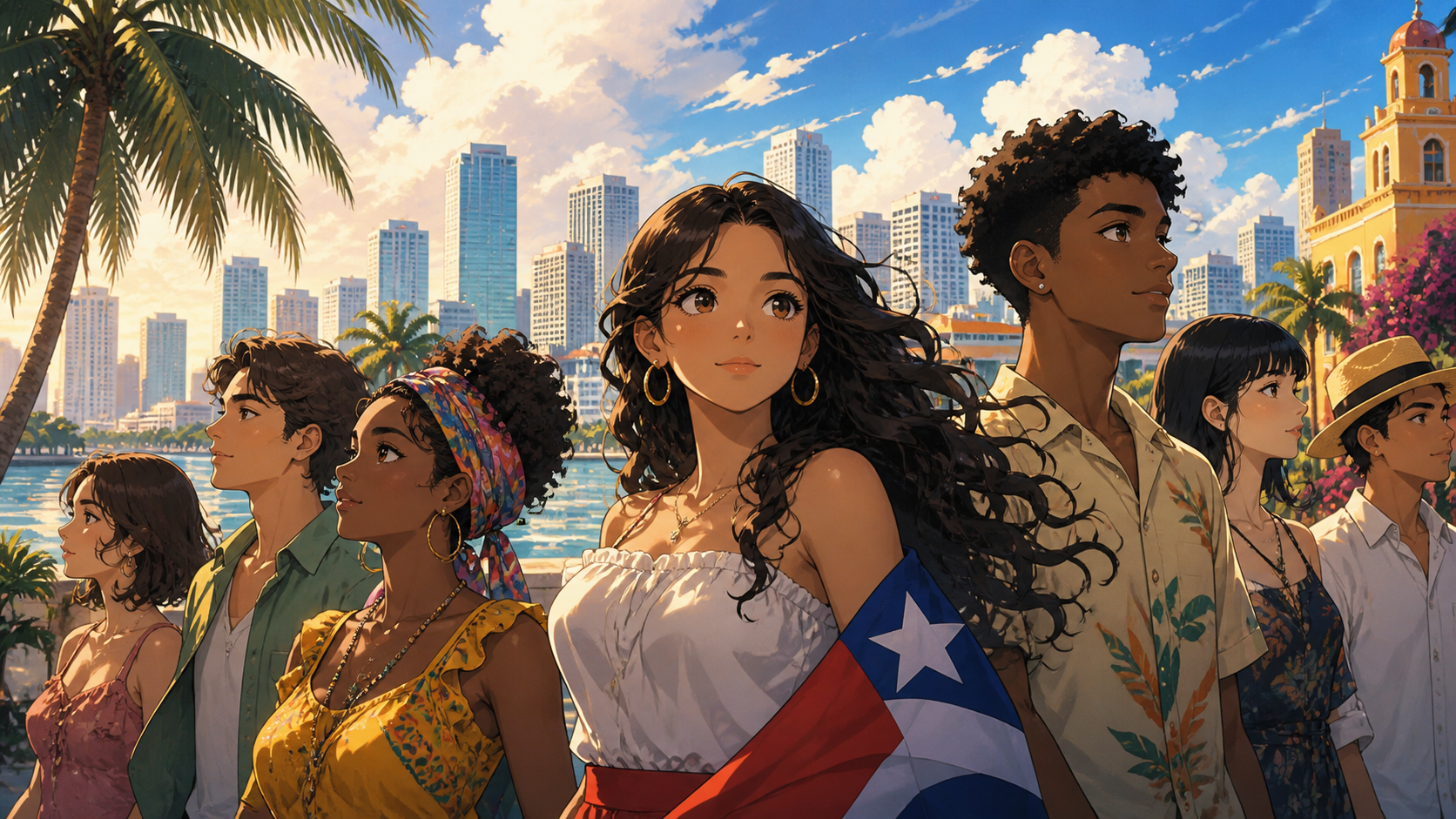
Florida’s demographic transformation accelerated in the 20th century due to immigration, especially from Latin America and the Caribbean. The arrival of Cuban refugees after the Cuban Revolution marked a turning point, making Miami a hub of Hispanic culture.
Subsequent waves of Puerto Rican, Haitian, Dominican, and Central American migrants further diversified the population, creating a multi-ethnic society with complex identity dynamics.
Demographic Diversity and Social Structure
Florida is one of the most ethnically diverse states in the United States. Major groups include:
- White (non-Hispanic)
- Hispanic/Latino (Cuban, Puerto Rican, Mexican, etc.)
- African American
- Caribbean populations (Haitian, Jamaican)
- Asian and Middle Eastern communities
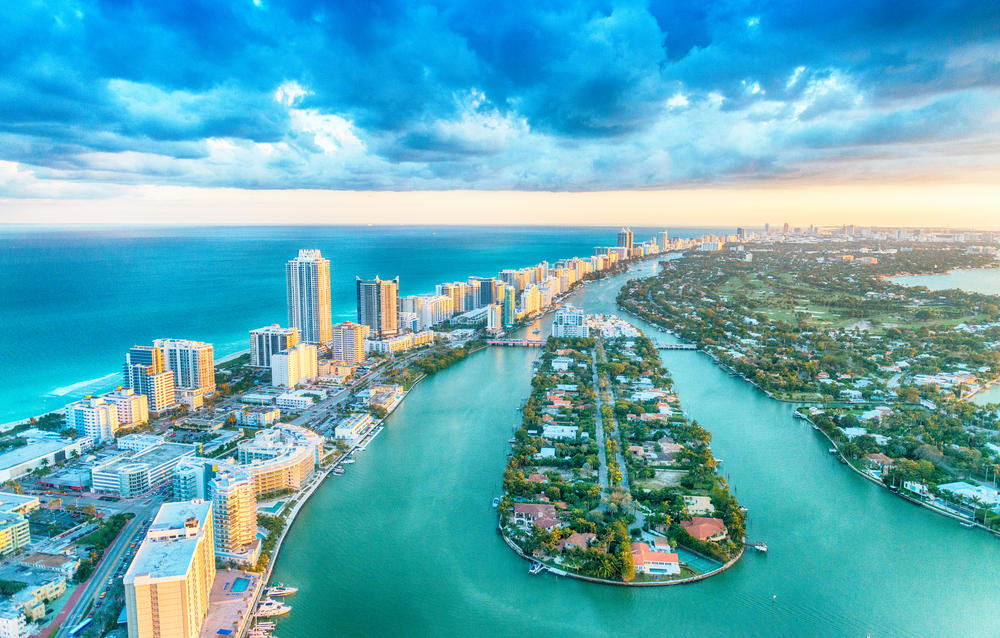
Cities like Miami, Orlando, and Tampa exhibit particularly high levels of diversity. Miami, for instance, is often described as a “global city” where Spanish is as commonly spoken as English.
Segregation and Spatial Patterns
Despite diversity, residential segregation persists. African American communities are often concentrated in historically marginalized neighborhoods, while affluent areas are disproportionately white or Cuban-American.
Sociologists refer to this as spatial inequality, where access to resources such as quality education, healthcare, and employment varies by neighborhood.
Identity Formation in a Multicultural Context
Hybrid Identities
Florida’s multicultural environment fosters hybrid identities—individuals who blend elements from multiple cultural backgrounds. For example, second-generation Cuban Americans may identify as both American and Cuban, navigating dual cultural expectations.
Similarly, Afro-Caribbean populations often negotiate identities that combine racial (Black) and ethnic (Caribbean) dimensions.
Language and Identity
Language plays a crucial role in identity formation. Spanish and Haitian Creole are widely spoken in Florida, influencing social interactions and cultural expression.
Bilingualism often becomes a marker of identity, especially among younger generations who navigate both heritage languages and English.
Religion and Cultural Practices
Religious practices such as Catholicism, Protestantism, and Afro-Caribbean traditions (e.g., Vodou, Santería) contribute to identity construction. These practices provide a sense of belonging and continuity, particularly for immigrant communities.
Race, Ethnicity, and Social Inequality
Economic Disparities
Racial and ethnic inequalities are evident in income levels, employment opportunities, and wealth distribution. African Americans and some Hispanic groups experience higher poverty rates compared to white populations.
These disparities are rooted in historical exclusion and systemic barriers, including discrimination in hiring and education.
Education and Opportunity
Educational inequality remains a significant issue. Schools in predominantly minority neighborhoods often face underfunding, leading to disparities in academic achievement.
Programs aimed at reducing these gaps have had mixed success, highlighting the structural nature of inequality.
Healthcare Access
Access to healthcare varies significantly across racial and ethnic groups. Immigrant populations, particularly undocumented individuals, often face barriers such as lack of insurance and language difficulties.
Immigration, Transnationalism, and Identity
Florida’s proximity to Latin America and the Caribbean makes it a key site for transnationalism, where individuals maintain connections across national borders.
Cuban American Identity
Cuban Americans in Florida have developed a distinct identity shaped by exile, political ideology, and economic success. Miami’s Little Havana is a cultural center reflecting this identity.
Puerto Rican Migration
Unlike other groups, Puerto Ricans are U.S. citizens, allowing easier migration. Their identity often involves navigating between mainland U.S. culture and Puerto Rican heritage.
Haitian Communities
Haitian Americans face unique challenges related to language barriers, economic inequality, and racial discrimination. However, they maintain strong cultural traditions and community networks.
Cultural Expression and Identity Politics
Media and Representation
Media plays a crucial role in shaping perceptions of race and ethnicity. In Florida, Spanish-language media outlets and ethnic newspapers provide platforms for cultural expression.
However, representation remains uneven, with some groups underrepresented or stereotyped.
Identity Politics
Identity politics has become increasingly significant in Florida, particularly in debates over immigration, voting rights, and education. Ethnic and racial groups mobilize to advocate for their interests, influencing policy and public discourse.
Globalization and Changing Identities
Globalization has intensified cultural exchange, leading to more fluid and dynamic identities. Florida’s tourism industry, international trade, and migration flows contribute to this process.
Digital Identity
Social media allows individuals to express and negotiate their identities in new ways, connecting with diasporic communities worldwide.
Cultural Commodification
Cultural elements such as food, music, and festivals are often commodified for tourism, raising questions about authenticity and cultural ownership.
Challenges and Future Directions
Racial Tensions
Despite diversity, racial tensions persist, particularly in policing, housing, and political representation. Addressing these issues requires structural reforms and inclusive policies.
Climate Change and Migration
Florida’s vulnerability to climate change may lead to new migration patterns, potentially reshaping racial and ethnic dynamics.
Policy Implications
Policies promoting equity in education, healthcare, and employment are essential for reducing disparities and fostering inclusive identity formation.
Conclusion
Race, ethnicity, and identity in Florida are shaped by a complex interplay of history, migration, culture, and power. The state’s diversity offers opportunities for cultural exchange and innovation but also presents challenges related to inequality and social cohesion.
From Indigenous resilience and African American struggles to immigrant adaptation and hybrid identities, Florida exemplifies the evolving nature of identity in a globalized world. Sociologically, it highlights the importance of understanding identity as both a personal and structural phenomenon—deeply rooted in history yet constantly reshaped by contemporary forces.
As Florida continues to change, studying its racial and ethnic dynamics provides valuable insights into broader questions of identity, belonging, and social justice in modern society.
FAQs on Identity in Florida
1. What is meant by Identity in Florida in a sociological context?
Identity in Florida refers to how individuals and groups define themselves based on race, ethnicity, culture, language, and social experiences within the state’s diverse environment.
2. How does migration influence Identity in Florida?
Migration, especially from Latin America and the Caribbean, shapes Identity in Florida by introducing new cultural practices, languages, and hybrid identities.
3. Why is Identity in Florida considered multicultural?
Identity in Florida is multicultural because the state hosts a wide range of ethnic groups, including Hispanic, African American, Caribbean, and Indigenous communities.
4. How do race and ethnicity intersect in shaping Identity in Florida?
Race and ethnicity intersect to create layered identities—for example, Afro-Caribbean individuals may identify both racially as Black and ethnically as Haitian or Jamaican.
5. What role does language play in Identity in Florida?
Language, especially Spanish and Haitian Creole, is central to Identity in Florida, influencing communication, cultural expression, and group belonging.
6. How does history shape Identity in Florida?
Historical factors such as colonization, slavery, and immigration significantly shape Identity in Florida by influencing social structures and cultural traditions.
7. What is the role of globalization in Identity in Florida?
Globalization enhances cultural exchange, leading to more fluid and hybrid forms of Identity in Florida.
8. How does economic inequality affect Identity in Florida?
Economic disparities can reinforce social divisions, impacting how different racial and ethnic groups experience and express Identity in Florida.
9. What is hybrid Identity in Florida?
Hybrid Identity in Florida refers to the blending of multiple cultural influences, often seen among second-generation immigrants.
10. How do educational institutions influence Identity in Florida?
Schools shape Identity in Florida by promoting cultural awareness, language use, and social integration among diverse student populations.
11. What role does religion play in Identity in Florida?
Religion contributes to Identity in Florida by preserving cultural traditions and providing community support among various ethnic groups.
12. How does media representation affect Identity in Florida?
Media influences Identity in Florida by shaping public perceptions, reinforcing stereotypes, or promoting cultural diversity.
13. What challenges exist in maintaining Identity in Florida?
Challenges include assimilation pressures, discrimination, language barriers, and socio-economic inequality.
14. How do younger generations redefine Identity in Florida?
Younger generations often create more fluid and inclusive forms of Identity in Florida, influenced by digital media and global culture.
15. Why is Identity in Florida important for sociological study?
Studying Identity in Florida helps understand broader issues of diversity, inequality, migration, and cultural interaction in modern societies.