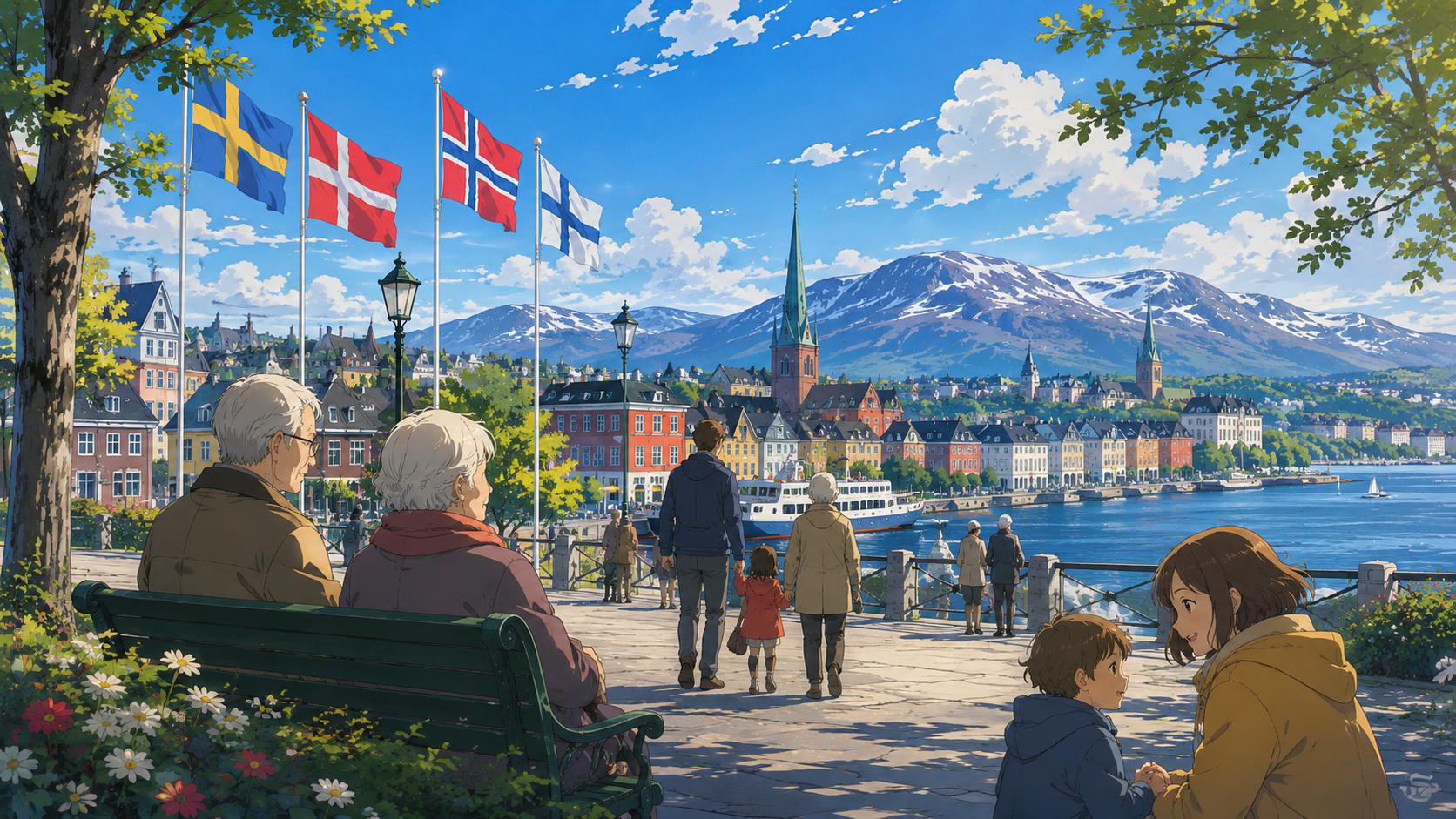
Population aging has become one of the most significant social transformations of the twenty-first century. Across the world, declining birth rates and increasing life expectancy are reshaping societies, economies, and welfare systems. In Northern Europe, countries such as Sweden, Norway, Denmark, Finland, and Iceland are experiencing rapid demographic aging while maintaining some of the most advanced welfare systems in the world. These societies are often considered models of social democracy because of their strong public healthcare, universal pension systems, and extensive social support networks. However, even these developed welfare states face serious sociological challenges due to the growing elderly population.
The issue of aging is not merely biological or demographic; it is deeply sociological. Aging influences family structures, labor markets, healthcare systems, social relationships, political priorities, and cultural values. In Northern Europe, the relationship between aging and welfare has become central to public policy discussions because governments must balance economic sustainability with social justice and human dignity.
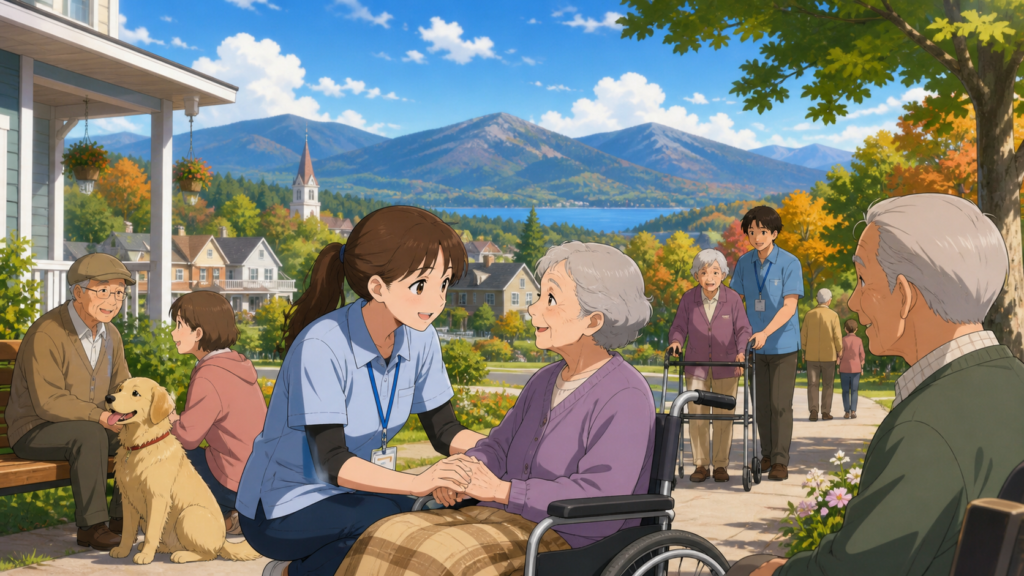
This article explores the sociological dimensions of aging populations and welfare in Northern Europe. It examines demographic transitions, welfare-state structures, changing family patterns, healthcare challenges, labor market effects, social isolation, gender dimensions, migration, technology, and future prospects.
Understanding Population Aging
Population aging refers to an increase in the proportion of elderly people within a society. Sociologists generally classify people aged 65 and above as elderly, although definitions may vary across cultures and institutions.
Northern European countries have among the highest life expectancies in the world. Better healthcare, nutrition, education, sanitation, and living conditions have significantly reduced mortality rates. At the same time, fertility rates have declined because of urbanization, women’s education, career participation, and changing social values regarding marriage and parenthood.
As a result, Northern European societies now have a larger elderly population and a smaller proportion of younger working-age citizens. This demographic imbalance creates both opportunities and challenges.
From a sociological perspective, population aging changes the dependency ratio, meaning fewer workers are available to support growing numbers of retirees through taxes and welfare contributions. This transformation affects intergenerational relationships, public spending, and social solidarity.
Welfare State Tradition in Northern Europe
Northern Europe is globally recognized for its welfare-state model. Sociologist Gøsta Esping-Andersen described Nordic welfare systems as “social democratic welfare regimes.” These systems emphasize universal social rights, equality, and state responsibility for citizens’ welfare.
The welfare model in Northern Europe includes:
- Universal healthcare
- Public pensions
- Elderly care services
- Housing support
- Unemployment benefits
- Disability assistance
- Family support policies
Unlike liberal welfare systems that rely heavily on markets, Northern European welfare states are based on collective responsibility. Citizens contribute through taxation and receive extensive social benefits in return.
This welfare structure has helped elderly citizens maintain relatively high living standards compared to many other regions. Poverty rates among senior citizens in Nordic countries remain lower than in many parts of the world. Nevertheless, the rapid growth of elderly populations is placing increasing pressure on these welfare systems.
Demographic Transition and Social Change
The demographic transition theory helps explain population aging in Northern Europe. According to this theory, societies move from high birth and death rates to low birth and death rates as they industrialize and modernize.
Northern Europe has reached the advanced stage of demographic transition. Several sociological factors contribute to this process:
Urbanization
Urban life often encourages smaller families because raising children in cities is expensive and time-consuming. Urban residents also prioritize education and careers, delaying marriage and childbirth.
Women’s Education and Employment
Northern Europe has high gender equality and female workforce participation. Women increasingly pursue higher education and professional careers, leading to delayed motherhood and lower fertility rates.
Individualism
Modern Northern European societies emphasize personal freedom and self-development. Marriage and family are no longer viewed as compulsory social institutions. Many individuals choose cohabitation, single living, or child-free lifestyles.
Secularization
Religious influence on family life has weakened in many Northern European societies. Traditional norms encouraging large families have declined, contributing to lower birth rates.
These social transformations collectively accelerate population aging.
Aging and Family Structure
Population aging has significantly changed family structures in Northern Europe. Traditionally, elderly parents lived with extended family members, and caregiving responsibilities were shared within households. However, modernization and individualism have transformed family relations.
Rise of Nuclear and Single-Person Households
Northern Europe has one of the highest rates of single-person households in the world. Many elderly individuals live alone after the death of a spouse or because adult children live separately.

While independence is valued culturally, living alone may increase loneliness and social isolation among older adults.
Decline of Informal Caregiving
In many societies, families remain the primary caregivers for elderly relatives. In Northern Europe, however, welfare institutions play a larger role in eldercare. Professional caregivers, nursing homes, and state-supported home services often replace traditional family care.
This shift reflects broader sociological changes in the role of the family and the state.
Intergenerational Relations
Although welfare systems reduce economic dependence between generations, emotional relationships remain important. Grandparents often contribute to childcare and family stability. However, increasing mobility and migration sometimes weaken daily interactions between older and younger generations.
Sociologists argue that maintaining intergenerational solidarity is crucial for social cohesion in aging societies.
Healthcare Challenges in Aging Societies
One of the biggest consequences of population aging is rising healthcare demand. Elderly individuals are more likely to suffer from chronic illnesses such as cardiovascular disease, diabetes, dementia, arthritis, and cancer.
Northern European healthcare systems are publicly funded and generally accessible to all citizens. However, aging populations create several challenges.
Increasing Healthcare Costs
Longer life expectancy means governments must spend more on hospitals, medicines, long-term care, and rehabilitation services. Healthcare expenditures continue to rise as elderly populations grow.
Shortage of Care Workers
Northern Europe faces shortages of nurses, caregivers, and healthcare professionals. Aging not only increases the need for healthcare workers but also affects the workforce itself, as many healthcare employees approach retirement age.
Mental Health Issues
Mental health among elderly populations is gaining greater sociological attention. Loneliness, depression, dementia, and social isolation affect many older adults, particularly those living alone.
Governments increasingly recognize that welfare must include psychological and emotional well-being, not only physical health.
Community-Based Care
Northern European countries increasingly promote “aging in place,” encouraging elderly citizens to remain in their homes rather than institutions. Community care services, home nursing, and digital healthcare technologies support this approach.
This model reflects sociological ideas about dignity, autonomy, and quality of life.
Pension Systems and Economic Sustainability
Pension systems are central to welfare states in Northern Europe. Public pensions provide financial security for retired citizens and reduce elderly poverty.
However, aging populations challenge pension sustainability because fewer workers contribute taxes while more retirees receive benefits.
Rising Dependency Ratio
The old-age dependency ratio is increasing across Northern Europe. This creates economic pressure on governments because public pensions depend on contributions from the working population.
Retirement Age Reforms
Many Northern European countries are gradually increasing retirement ages to maintain pension sustainability. Governments encourage older adults to remain economically active longer.
These reforms sometimes create debates about social inequality because not all occupations allow people to work into old age.
Flexible Retirement
Some countries promote flexible retirement systems, allowing elderly individuals to combine part-time work with pension benefits. This approach supports active aging and reduces financial pressure on welfare systems.
Economic Inequality Among Elderly People
Although Nordic welfare systems reduce inequality, not all elderly citizens experience equal economic security. Women, immigrants, and low-income workers often receive lower pensions because of interrupted careers or lower wages during working life.
Thus, aging intersects with broader issues of class and gender inequality.
Aging Workforce and Labor Market
Population aging also affects labor markets in Northern Europe.

Labor Shortages
As birth rates decline and retirees increase, labor shortages emerge in sectors such as healthcare, education, manufacturing, and public services.
Active Aging Policies
Governments encourage older adults to remain active in the labor market through lifelong learning, retraining programs, and age-friendly workplaces.
Sociologists view active aging as an attempt to redefine old age from dependency to productivity and participation.
Age Discrimination
Despite progressive welfare systems, age discrimination still exists. Older workers may face difficulties in hiring, promotion, or adapting to technological changes.
This creates tension between cultural ideals of equality and economic realities in capitalist labor markets.
Gender and Aging
The sociological study of aging must consider gender differences.
Feminization of Aging
Women generally live longer than men, meaning elderly populations are disproportionately female. Many older women live alone due to widowhood.
Economic Vulnerability
Older women often face greater economic insecurity because of lower lifetime earnings, caregiving interruptions, and part-time employment histories.
Caregiving Burden
Even in welfare-oriented societies, women continue to perform much unpaid caregiving labor for elderly relatives. Feminist sociologists argue that welfare systems still rely heavily on invisible female care work.
Health Differences
Women may live longer but often experience more chronic health conditions in later life. This increases demand for long-term healthcare and support services.
Migration and Welfare
Migration has become an important factor in addressing demographic aging.
Migrant Workers in Care Sectors
Northern European countries increasingly rely on migrants to fill labor shortages in healthcare and eldercare sectors. Migrant caregivers contribute significantly to welfare systems.
Integration Challenges
Migration also raises questions about social integration, cultural diversity, and welfare nationalism. Some political groups argue that welfare resources should prioritize native populations.
Multicultural Aging
Elderly immigrant populations are also increasing. Welfare systems must adapt to different languages, religions, and cultural expectations regarding aging and caregiving.
This diversity challenges traditional welfare-state models that were originally designed for culturally homogeneous societies.
Social Isolation and Loneliness
Loneliness is one of the most serious sociological problems associated with aging.
Causes of Isolation
Several factors contribute to social isolation among elderly individuals:
- Living alone
- Loss of spouses and friends
- Reduced mobility
- Retirement from work
- Digital exclusion
Consequences
Loneliness negatively affects mental and physical health. Studies show that social isolation can increase risks of depression, dementia, and cardiovascular disease.
Community Responses
Northern European societies increasingly promote community programs for elderly citizens, including:
- Senior clubs
- Volunteer organizations
- Social housing initiatives
- Intergenerational programs
- Digital literacy training
These efforts aim to strengthen social participation and reduce isolation.
Technology and Aging
Technology is transforming welfare systems in Northern Europe.
Digital Healthcare
Telemedicine, online consultations, and digital monitoring systems help elderly individuals access healthcare more efficiently.
Smart Homes
Smart-home technologies assist elderly citizens with daily tasks, medication reminders, and emergency alerts.
Robotics and AI
Some Northern European countries experiment with robots and artificial intelligence in elderly care. These technologies support caregivers but also raise ethical concerns about human interaction and emotional care.
Digital Divide
Not all elderly individuals can easily adapt to digital technologies. Sociologists warn that excessive digitization may exclude vulnerable populations.
Therefore, technological solutions must be balanced with human-centered welfare approaches.
Political Implications of Aging
Aging populations also influence politics.
Growing Political Influence of Elderly Citizens
Older adults represent a large and active voting group in Northern Europe. Political parties increasingly focus on pension security, healthcare, and elderly welfare.
Generational Tensions
Younger generations may feel burdened by taxation required to support aging populations. Sociologists warn that intergenerational tensions could weaken social solidarity if welfare systems become economically strained.
Welfare State Legitimacy
The sustainability of welfare states depends on public trust and collective responsibility. Northern European societies must maintain social cohesion despite demographic and economic pressures.
Sociological Theories of Aging
Several sociological theories help explain aging in Northern Europe.
Functionalist Perspective
Functionalists argue that welfare institutions help maintain social stability by supporting elderly populations and managing retirement transitions.
Conflict Theory
Conflict theorists emphasize inequality in access to resources, healthcare, and pensions. They argue that aging reflects broader class and economic power structures.
Symbolic Interactionism
This perspective examines how society defines aging and old age. Social attitudes toward elderly people influence identity, dignity, and social participation.
Feminist Perspective
Feminist sociology highlights gender inequalities in aging, caregiving, and pension systems.
Together, these theories provide a deeper understanding of aging as both a personal and structural experience.
Future of Welfare in Northern Europe
Northern Europe continues to adapt its welfare systems to demographic realities.
Sustainable Welfare Models
Governments seek to balance economic sustainability with universal social protection. Reforms include:
- Pension adjustments
- Preventive healthcare
- Workforce participation incentives
- Technological innovation
- Migration policies
Emphasis on Active Aging
Modern welfare approaches encourage elderly individuals to remain socially, physically, and economically active.
Human Dignity and Inclusion
Northern European societies increasingly recognize that successful aging involves more than financial security. Social participation, respect, autonomy, and emotional well-being are equally important.
Global Relevance
The Northern European experience offers valuable lessons for other aging societies worldwide. While no welfare system is perfect, Nordic countries demonstrate how social investment and collective responsibility can reduce the negative effects of demographic aging.
Conclusion
Aging populations are transforming Northern European societies in profound ways. Longer life expectancy and declining birth rates have created new social realities that affect families, labor markets, healthcare systems, and welfare institutions. From a sociological perspective, aging is not simply a biological process but a complex social phenomenon shaped by economic structures, cultural values, gender relations, and political systems.
Northern European welfare states have historically provided strong social protection through universal healthcare, pensions, and eldercare services. However, demographic aging now challenges the sustainability of these systems. Rising healthcare costs, labor shortages, pension pressures, and social isolation require innovative policy responses.
At the same time, Northern Europe demonstrates that aging societies can maintain high levels of social welfare through collective responsibility, social solidarity, and progressive policy adaptation. The region’s emphasis on equality, dignity, and active aging provides an important model for the rest of the world.
Ultimately, the future of aging and welfare in Northern Europe will depend on balancing economic sustainability with human compassion. Sociologically, the true measure of a society is how it treats its elderly citizens. As Northern Europe continues to evolve, its experiences will remain central to global discussions about aging, welfare, and social justice.
FAQs on Welfare in Northern Europe
1. What is Welfare in Northern Europe?
Welfare in Northern Europe refers to the social welfare systems in countries like Sweden, Norway, Denmark, Finland, and Iceland that provide healthcare, pensions, education, unemployment benefits, and elderly care through government-supported programs.
2. Why is Welfare in Northern Europe considered successful?
Welfare in Northern Europe is considered successful because it reduces poverty, promotes social equality, and ensures universal access to healthcare, education, and social security for citizens.
3. How does Welfare in Northern Europe support the elderly population?
Welfare in Northern Europe supports the elderly through public pensions, free or affordable healthcare, nursing care, home assistance services, and social housing programs.
4. Which countries are included in Welfare in Northern Europe?
The concept of Welfare in Northern Europe mainly includes Sweden, Norway, Denmark, Finland, and Iceland, often called the Nordic welfare states.
5. How is Welfare in Northern Europe funded?
Welfare in Northern Europe is primarily funded through high taxation systems where citizens contribute to social programs and public services.
6. What challenges does Welfare in Northern Europe face due to aging populations?
Welfare in Northern Europe faces challenges such as rising healthcare costs, pension burdens, labor shortages, and increasing demand for elderly care services.
7. How does Welfare in Northern Europe reduce social inequality?
Welfare in Northern Europe reduces social inequality by providing universal access to education, healthcare, unemployment benefits, and social protection regardless of income.
8. What role does healthcare play in Welfare in Northern Europe?
Healthcare is a major component of Welfare in Northern Europe, offering publicly funded medical services that ensure affordable treatment for all citizens.
9. How does Welfare in Northern Europe affect quality of life?
Welfare in Northern Europe improves quality of life by ensuring economic security, healthcare access, social equality, and support for vulnerable populations.
10. What is the relationship between taxation and Welfare in Northern Europe?
High taxes are closely connected to Welfare in Northern Europe because they finance social programs, pensions, healthcare systems, and public services.
11. How does Welfare in Northern Europe support gender equality?
Welfare in Northern Europe supports gender equality through parental leave policies, childcare support, equal employment opportunities, and financial assistance programs.
12. What is active aging in Welfare in Northern Europe?
Active aging in Welfare in Northern Europe encourages elderly citizens to remain socially, physically, and economically active through community participation and employment opportunities.
13. How does technology influence Welfare in Northern Europe?
Technology improves Welfare in Northern Europe through telemedicine, digital healthcare systems, smart homes, and online welfare services for elderly citizens.
14. What sociological issues are linked with Welfare in Northern Europe?
Major sociological issues linked with Welfare in Northern Europe include social isolation among elderly people, migration, intergenerational inequality, and changing family structures.
15. Can Welfare in Northern Europe be a model for other countries?
Many sociologists believe Welfare in Northern Europe can serve as a model because it combines economic development with social protection, equality, and human welfare.