Introduction
The history of Indigenous Hawaiian society is a story of resilience, adaptation, and cultural survival. Native Hawaiians, known as Kanaka Maoli, developed a sophisticated social system long before Western contact. Their society was deeply connected to the land, ocean, spirituality, and communal values. However, colonization, missionary influence, land dispossession, and political annexation profoundly transformed Hawaiian society. These changes led to cultural suppression, social inequality, and the marginalization of Indigenous identity.
In recent decades, Native Hawaiians have undertaken a significant cultural revival movement aimed at reclaiming language, traditions, political rights, and cultural practices. This revival is not merely a cultural phenomenon but also a sociological process involving identity reconstruction, resistance to colonial legacies, and the pursuit of social justice. Understanding Indigenous Hawaiian society and its cultural revival provides valuable insights into broader sociological themes such as colonialism, ethnicity, social movements, cultural preservation, and Indigenous rights.
This article examines the historical foundations of Indigenous Hawaiian society, the effects of colonial transformation, and the contemporary cultural revival movement from a sociological perspective.
Traditional Indigenous Hawaiian Society
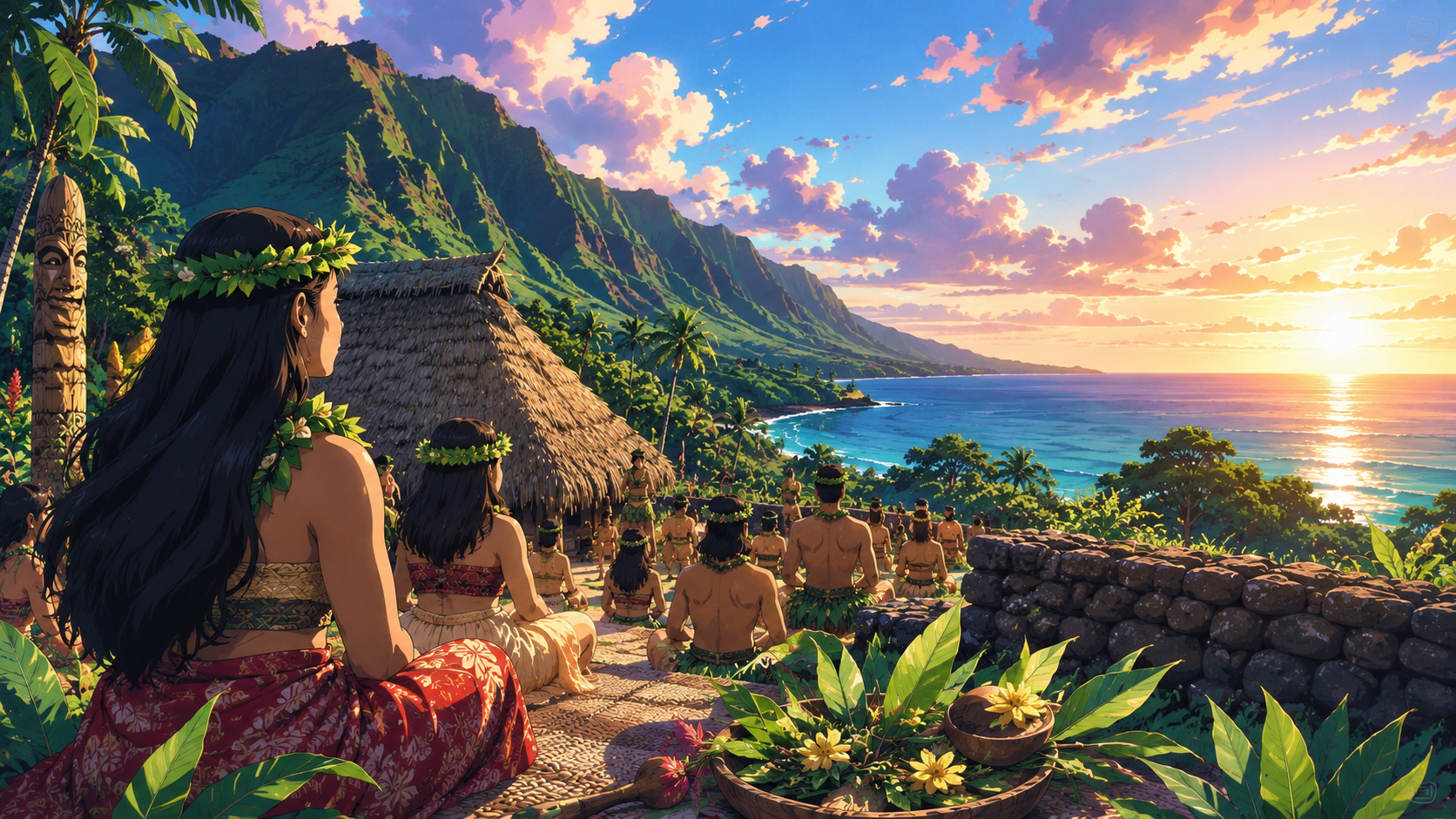
Before European arrival in 1778, Hawaiian society was highly organized and structured. The islands were inhabited by Polynesian settlers who developed complex systems of governance, agriculture, religion, and social organization.
The traditional Hawaiian social structure was hierarchical but interconnected. Society was organized into several classes, including the aliʻi (chiefs), kahuna (priests and specialists), makaʻāinana (common people), and kauwā (a marginalized group often described as servants or outcasts). Each group had specific responsibilities and social roles that contributed to community stability.
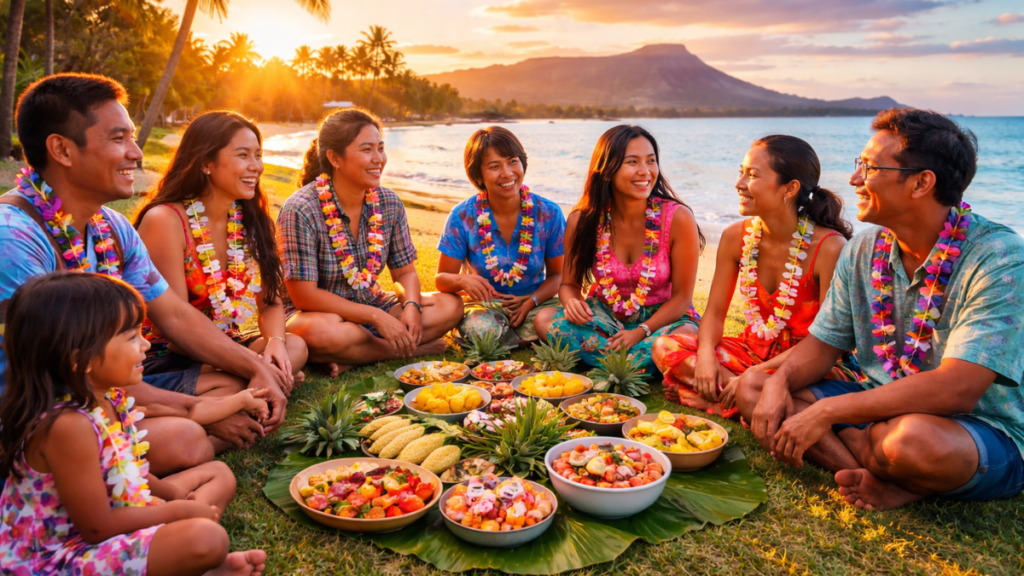
Unlike many modern societies that emphasize individual achievement, traditional Hawaiian society prioritized collective well-being. The concept of ‘ohana, or extended family, formed the foundation of social life. Family networks provided economic support, social identity, and cultural education. Individuals were viewed as part of a larger social and ecological system rather than isolated actors.
Land was not privately owned in the modern sense. Instead, it was managed through communal systems under the authority of chiefs. Resources were distributed according to social responsibilities and community needs. This arrangement fostered social cohesion and reinforced collective accountability.
Religion also played a central role. Hawaiian spirituality emphasized the sacred relationship between humans, ancestors, gods, and nature. Religious beliefs influenced governance, agriculture, fishing practices, and social norms. Sacred laws known as kapu regulated behavior and maintained social order.
From a sociological perspective, traditional Hawaiian society illustrates how culture, social structure, and environmental adaptation can create a sustainable and integrated community system.
Colonial Contact and Social Transformation
The arrival of European explorers marked the beginning of dramatic social change. When British explorer Captain James Cook arrived in Hawaii in 1778, Indigenous Hawaiians entered a new era characterized by increasing foreign influence.
Contact with Europeans introduced diseases such as smallpox, influenza, and measles. Native Hawaiians had no immunity to these illnesses, resulting in catastrophic population decline. Historians estimate that the Indigenous population decreased dramatically within a century of Western contact.
Missionaries arrived in the early nineteenth century and sought to convert Hawaiians to Christianity. While missionary efforts contributed to literacy and formal education, they also challenged traditional religious practices and cultural values. Many Indigenous customs were discouraged or prohibited.
Economic transformations further altered Hawaiian society. Foreign merchants and plantation owners gained increasing influence over land and political institutions. The introduction of capitalist economic systems gradually replaced communal resource management practices.
Sociologically, colonization represents a process through which external powers impose political, economic, and cultural control over Indigenous populations. In Hawaii, colonial influence disrupted traditional social structures and created new systems of inequality that continue to affect Native Hawaiians today.
The Overthrow of the Hawaiian Kingdom
One of the most significant events in Hawaiian history occurred in 1893 with the overthrow of the Hawaiian Kingdom. Queen Liliʻuokalani sought to restore greater political authority to Native Hawaiians, but a group of American and European businessmen, supported by U.S. military interests, overthrew the monarchy.
The subsequent annexation of Hawaii by the United States in 1898 transformed the islands politically and culturally. Native Hawaiians lost sovereignty over their homeland, and governance shifted to institutions largely controlled by outside interests.
The overthrow is a central issue in contemporary Hawaiian identity and political activism. Many Native Hawaiians view it as an act of colonial injustice that disrupted Indigenous self-determination.
From a conflict theory perspective, the overthrow illustrates how powerful economic and political groups can dominate marginalized populations. The event highlights struggles over resources, authority, and cultural survival.
Cultural Suppression and Assimilation
Following annexation, policies promoting Americanization encouraged cultural assimilation. English became the dominant language in schools and government institutions. Hawaiian language use declined significantly as educational policies discouraged its transmission.
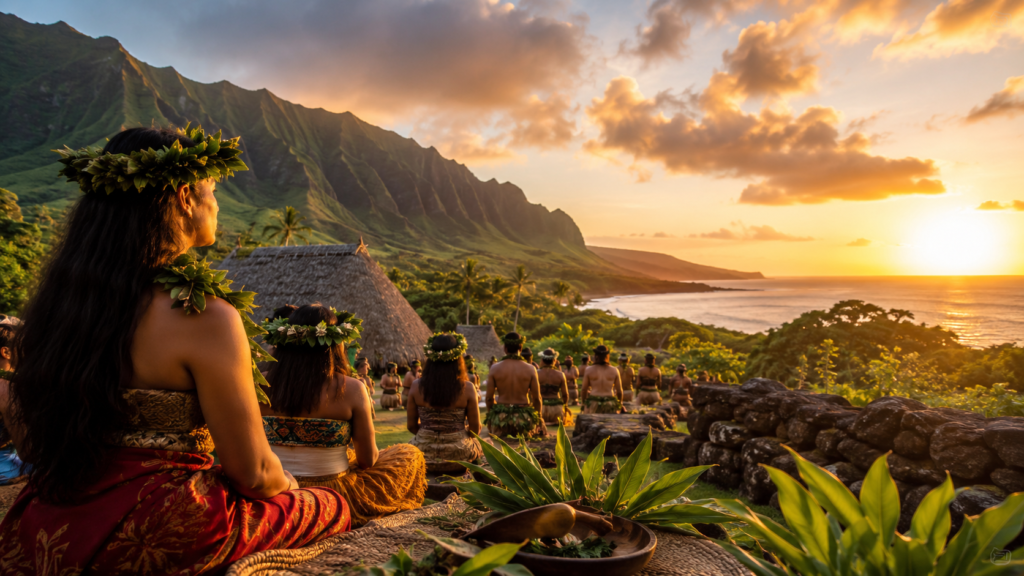
Traditional cultural practices, including hula and Indigenous spiritual ceremonies, faced social stigma. Western cultural norms increasingly shaped public life, education, and economic participation.
Assimilation policies sought to integrate Native Hawaiians into mainstream American society. However, these efforts often undermined Indigenous identity and contributed to cultural loss.
Sociologists describe assimilation as a process in which minority groups are pressured to adopt the customs and values of dominant groups. While assimilation may increase access to economic opportunities, it can also result in the erosion of cultural diversity.
For Native Hawaiians, assimilation generated tensions between preserving cultural heritage and adapting to changing social realities.
Contemporary Social Challenges
Today, Native Hawaiians face numerous social challenges linked to historical inequalities. These challenges include disparities in education, health, housing, income, and political representation.
Many Native Hawaiian communities experience higher rates of poverty compared to other population groups in Hawaii. Housing costs and land ownership issues continue to affect Indigenous families disproportionately.
Health disparities also remain significant. Native Hawaiians experience elevated rates of diabetes, heart disease, obesity, and other chronic illnesses. These patterns are influenced by socioeconomic factors, access to healthcare, and historical disruptions to traditional lifestyles.
Educational outcomes reveal similar inequalities. Although many Native Hawaiians achieve academic success, systemic barriers continue to influence educational opportunities and attainment.
Sociological theories of structural inequality help explain these patterns. Historical processes such as colonization, land dispossession, and economic marginalization have created disadvantages that persist across generations.
Understanding these issues requires recognizing that social inequalities are not simply individual problems but are deeply connected to historical and institutional structures.
The Hawaiian Cultural Renaissance
Beginning in the 1970s, Hawaii witnessed a powerful cultural revival often referred to as the Hawaiian Renaissance. This movement marked a turning point in Indigenous cultural preservation and political activism.
The Hawaiian Renaissance emerged from growing awareness of cultural loss and social inequality. Native Hawaiians began reclaiming traditions, language, historical knowledge, and Indigenous identity.
The movement encouraged renewed interest in traditional arts, music, navigation, dance, and storytelling. Cultural practitioners worked to preserve knowledge that had survived despite decades of suppression.
One of the most symbolic achievements of the renaissance was the revival of traditional Polynesian voyaging. The construction and voyages of the canoe Hōkūleʻa demonstrated Indigenous navigation techniques and inspired pride in Hawaiian heritage.
The renaissance also strengthened political activism. Native Hawaiians increasingly advocated for land rights, environmental protection, cultural recognition, and sovereignty.
From a sociological perspective, the Hawaiian Renaissance represents a social movement aimed at cultural empowerment and collective identity formation.
Language Revitalization and Cultural Identity
Language plays a crucial role in cultural survival. For Indigenous Hawaiians, the revival of the Hawaiian language has become one of the most successful aspects of cultural renewal.
By the mid-twentieth century, the number of fluent Hawaiian speakers had declined dramatically. Concerned community members launched language revitalization programs to reverse this trend.
Immersion schools known as Pūnana Leo became important institutions for language education. Children learned Hawaiian as a primary language, helping create new generations of speakers.
Universities, community organizations, and cultural centers also contributed to language preservation efforts. Hawaiian language courses became more widely available, and public visibility of the language increased.
Sociologists view language as a key component of collective identity. Language carries cultural knowledge, historical memory, and social values. Revitalizing the Hawaiian language therefore strengthens cultural continuity and community cohesion.
The success of language revitalization demonstrates how communities can actively resist cultural erosion and reclaim Indigenous heritage.
Land, Environment, and Indigenous Rights
Land occupies a central place in Hawaiian culture and identity. Traditional Hawaiian worldviews emphasize reciprocal relationships between people and nature.
Many contemporary Indigenous movements focus on protecting sacred sites, preserving ecosystems, and opposing developments that threaten cultural landscapes. Activists argue that environmental stewardship is inseparable from cultural survival.
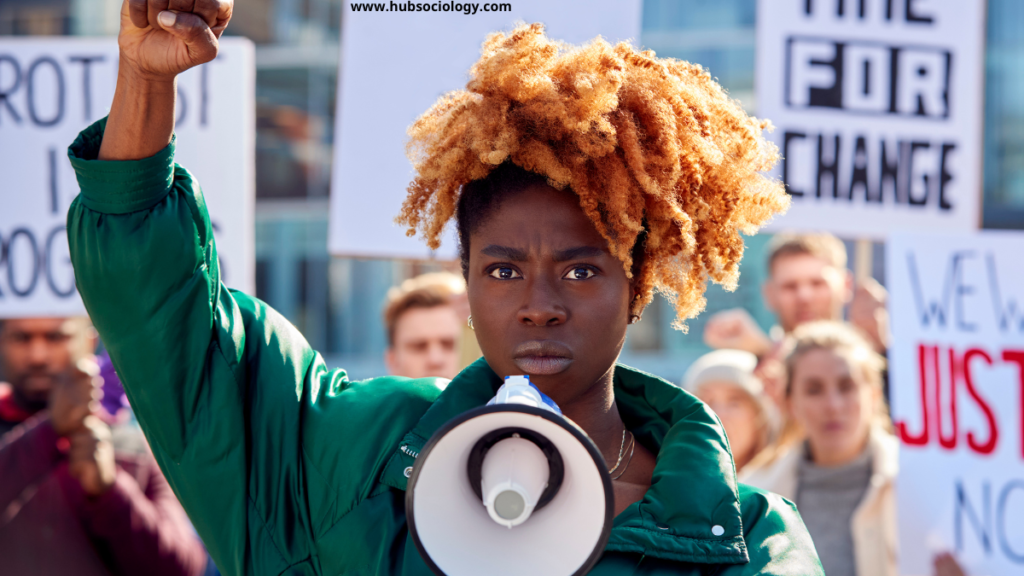
The protests against development projects on Mauna Kea illustrate this connection. Many Native Hawaiians view the mountain as a sacred site with profound cultural significance.
Environmental activism in Hawaii reflects broader Indigenous struggles around the world. Communities seek to protect ancestral lands while asserting their rights to participate in decision-making processes.
From an environmental sociology perspective, these movements highlight how ecological issues intersect with power, identity, and social justice.
Hawaiian Sovereignty and Political Activism
Political activism remains an important component of the cultural revival movement. Some Native Hawaiians advocate greater autonomy, while others support full sovereignty and recognition of Indigenous nationhood.
Sovereignty movements argue that Native Hawaiians possess inherent rights as an Indigenous people whose independent kingdom was overthrown. Activists seek political arrangements that acknowledge historical injustices and strengthen self-determination.
Political activism takes many forms, including legal advocacy, educational initiatives, cultural preservation programs, and public demonstrations.
Although perspectives vary within the Native Hawaiian community, sovereignty discussions encourage broader examination of colonial history and Indigenous rights.
Sociologically, these movements illustrate how marginalized groups mobilize collective identities to challenge existing power structures and pursue social change.
Cultural Revival and Social Identity
The cultural revival movement has transformed how many Native Hawaiians understand themselves and their place in society. Cultural practices such as hula, traditional music, canoe voyaging, and community ceremonies provide opportunities to reconnect with ancestral traditions.
These activities foster social solidarity and strengthen intergenerational relationships. Elders play important roles in transmitting knowledge, while younger generations contribute new energy and perspectives.
Identity formation is a central concern in sociology. Cultural revival enables individuals to construct meaningful identities rooted in historical continuity and collective memory.
For many Native Hawaiians, cultural participation is both a personal journey and a political act. Reclaiming Indigenous traditions challenges narratives that marginalized Native Hawaiian culture and affirms community resilience.
Global Significance of Hawaiian Cultural Revival
The Hawaiian experience has significance beyond the islands themselves. Indigenous communities worldwide face similar challenges involving cultural preservation, political recognition, and social inequality.
The success of Hawaiian language revitalization, cultural education, and community activism serves as an example for other Indigenous peoples. It demonstrates that cultural loss is not inevitable and that communities can reclaim traditions despite historical oppression.
The Hawaiian case also contributes to sociological discussions about decolonization. Decolonization involves more than political independence; it includes restoring cultural knowledge, transforming institutions, and challenging colonial narratives.
By examining Hawaiian cultural revival, sociologists gain deeper understanding of how communities negotiate identity, memory, and power in postcolonial contexts.
Conclusion
Indigenous Hawaiian society possesses a rich cultural heritage shaped by centuries of social organization, environmental knowledge, and communal values. Although colonization, annexation, and assimilation policies disrupted traditional institutions, Native Hawaiians have demonstrated remarkable resilience.
The Hawaiian cultural revival represents a powerful response to historical marginalization. Through language revitalization, cultural education, environmental activism, and political advocacy, Native Hawaiians continue to strengthen their cultural identity and pursue social justice.
From a sociological perspective, the revival highlights the importance of collective memory, social movements, cultural resistance, and Indigenous self-determination. It illustrates how communities can challenge structures of inequality while preserving cultural traditions for future generations.
The story of Indigenous Hawaiian society and cultural revival is ultimately a story of survival, renewal, and hope. It reminds us that culture is not static but a living force capable of adapting, resisting, and flourishing even in the face of profound historical challenges.
Do you like this this Article ? You Can follow as on :-
Facebook – https://www.facebook.com/hubsociology
Whatsapp Channel – https://whatsapp.com/channel/0029Vb6D8vGKWEKpJpu5QP0O
Gmail – hubsociology@gmail.com
FAQs on Indigenous Hawaiian Society
1. What is Indigenous Hawaiian Society?
Indigenous Hawaiian Society refers to the traditional social, cultural, political, and spiritual system developed by Native Hawaiians (Kanaka Maoli) before and after Western contact, emphasizing community, family, and connection to the land.
2. What were the main social classes in Indigenous Hawaiian Society?
Indigenous Hawaiian Society was organized into classes including the aliʻi (chiefs), kahuna (priests and experts), makaʻāinana (commoners), and kauwā, each with distinct social roles and responsibilities.
3. How did land ownership function in Indigenous Hawaiian Society?
In Indigenous Hawaiian Society, land was generally managed collectively under the authority of chiefs rather than privately owned, ensuring resources were shared among communities.
4. Why is family important in Indigenous Hawaiian Society?
The concept of ‘ohana, or extended family, is central to Indigenous Hawaiian Society because it provides social support, cultural education, and community identity.
5. What role did religion play in Indigenous Hawaiian Society?
Religion shaped daily life in Indigenous Hawaiian Society through spiritual beliefs, sacred rituals, and the kapu system, which regulated social behavior.
6. How did European contact affect Indigenous Hawaiian Society?
European contact brought diseases, economic changes, and colonial influences that significantly transformed Indigenous Hawaiian Society and reduced the Native Hawaiian population.
7. What was the impact of the overthrow of the Hawaiian Kingdom on Indigenous Hawaiian Society?
The overthrow of the Hawaiian Kingdom in 1893 weakened Indigenous political authority and accelerated cultural and social changes within Indigenous Hawaiian Society.
8. What is the Hawaiian Cultural Renaissance?
The Hawaiian Cultural Renaissance was a cultural revival movement that helped restore language, traditions, and pride in Indigenous Hawaiian Society during the twentieth century.
9. How has the Hawaiian language contributed to Indigenous Hawaiian Society?
The revitalization of the Hawaiian language has strengthened cultural identity and preserved traditional knowledge within Indigenous Hawaiian Society.
10. What are the major challenges facing Indigenous Hawaiian Society today?
Indigenous Hawaiian Society faces challenges such as economic inequality, health disparities, housing issues, and struggles for cultural and political recognition.
11. How does Indigenous Hawaiian Society view the environment?
Indigenous Hawaiian Society emphasizes a sacred relationship between humans and nature, promoting stewardship and sustainable use of natural resources.
12. What is the significance of hula in Indigenous Hawaiian Society?
Hula serves as a cultural expression that preserves history, values, spirituality, and identity within Indigenous Hawaiian Society.
13. What are Hawaiian sovereignty movements?
Hawaiian sovereignty movements seek greater self-determination, political recognition, and justice for Indigenous Hawaiian Society following historical colonization.
14. Why is cultural revival important for Indigenous Hawaiian Society?
Cultural revival helps Indigenous Hawaiian Society preserve traditions, strengthen identity, and address the long-term effects of colonialism and assimilation.
15. What can sociologists learn from Indigenous Hawaiian Society?
Sociologists study Indigenous Hawaiian Society to understand themes such as colonialism, social inequality, cultural resilience, Indigenous rights, and collective identity formation.