Subaltern Studies: Ranajit Guha and Its Sociological Significance
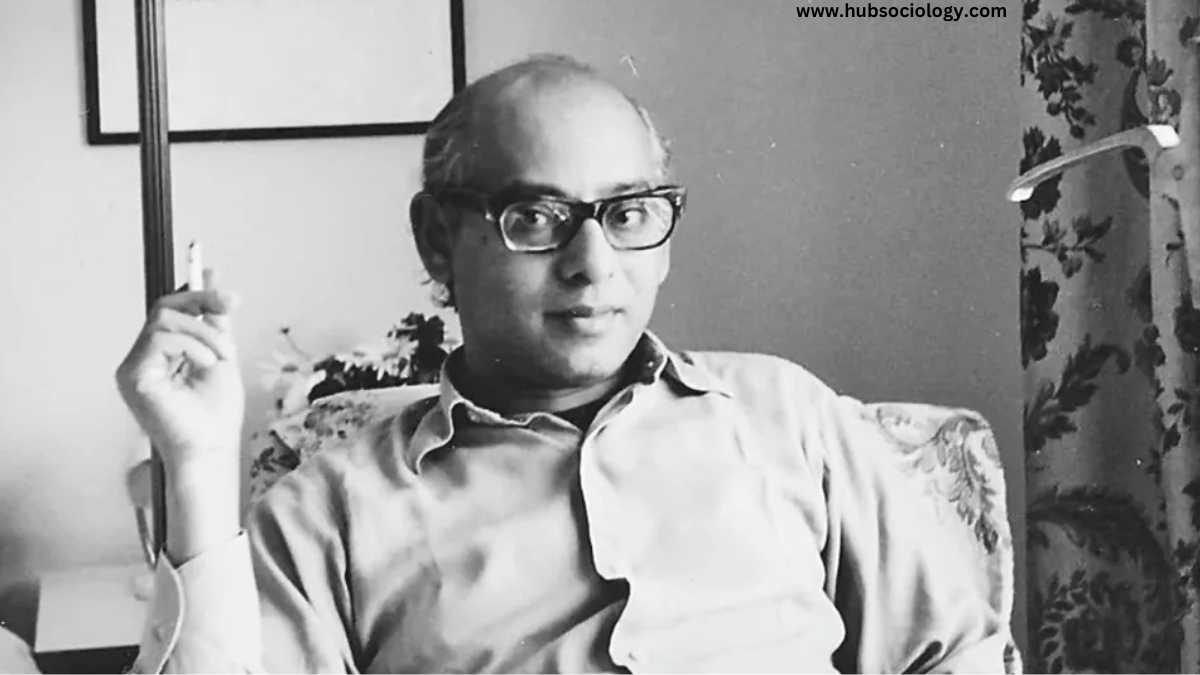
Subaltern Perspective Ranajit Guha

Introduction The Subaltern Studies collective, spearheaded by historian Ranajit Guha, emerged in the 1980s as a critical intervention in historiography and social sciences. It sought to challenge elitist narratives of history by focusing on the marginalized and oppressed sections of society—the “subalterns.” Guha’s work has had a profound impact on sociology, postcolonial studies, and critical … Read more
Nationalist Understanding of India: Jawaharlal Nehru – A Sociological Perspective

Nationalist Understanding of India: Jawaharlal Nehru

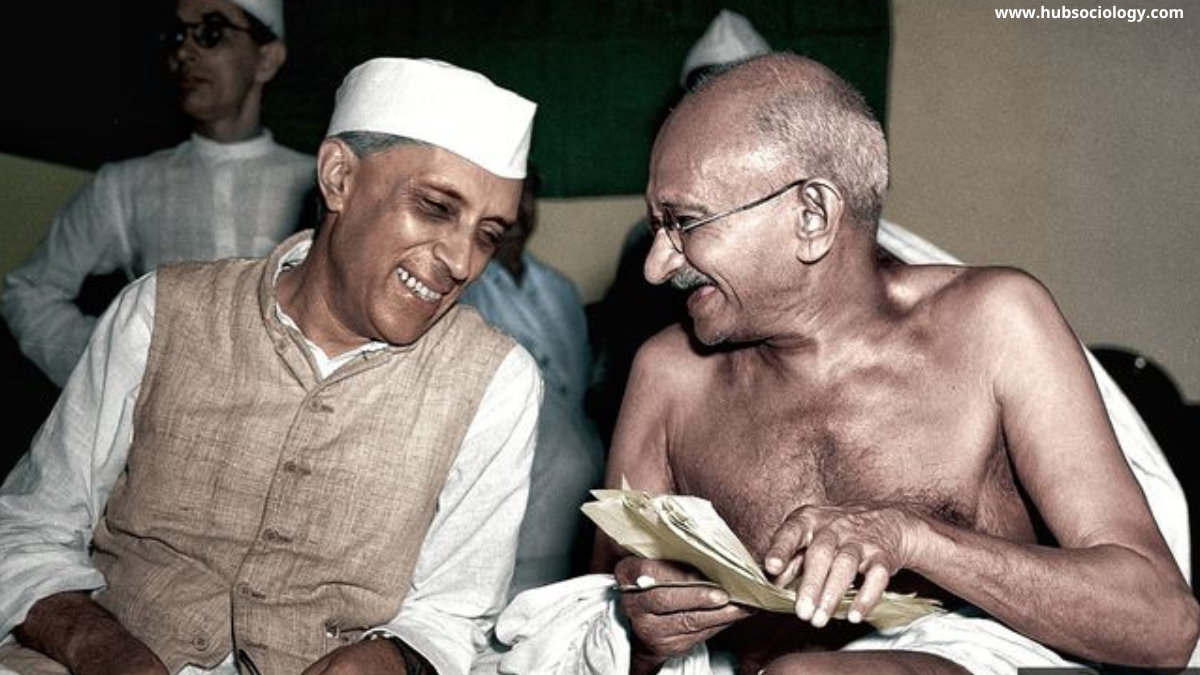
Introduction on Nationalist Understanding of India Jawaharlal Nehru, India’s first Prime Minister, was not just a political leader but also a key intellectual figure who shaped the nationalist understanding of India. His vision of India was deeply rooted in a sociological imagination that sought to reconcile tradition with modernity, diversity with unity, and socialism with … Read more

Colonial Understanding of Indian Society: Bernard S. Cohn

Colonial Understanding of Indian Society Bernard S. Cohn

Introduction on Colonial Understanding of Indian Society Bernard S. Cohn (1928–2003) was a prominent anthropologist and historian whose work significantly contributed to the understanding of colonial India from a sociological perspective. His research focused on how British colonial rule shaped Indian society, culture, and administrative structures. Cohn’s works are essential in postcolonial studies, as they … Read more

Adorno and Horkheimer’s Dialectics of Enlightenment: A Sociological Perspective

Adorno and Horkheimer’s Dialectics of Enlightenment: A Sociological Perspective

Introduction Theodor Adorno and Max Horkheimer’s Dialectics of Enlightenment (1947) is one of the most influential works of critical theory, offering a profound critique of modernity, rationality, and the Enlightenment’s legacy. Written during their exile in the United States amid the horrors of World War II and the Holocaust, the book presents a bleak diagnosis of modern … Read more

Habermas’ Theory of Communicative Action: A Sociological Perspective

The Sociological Perspective: Seeing the World Differently

Introduction Jürgen Habermas, one of the most influential contemporary sociologists and philosophers, developed the Theory of Communicative Action as a critical framework for understanding modern society. Published in 1981 in his two-volume work, The Theory of Communicative Action, Habermas seeks to reconstruct critical theory by shifting focus from instrumental rationality to communicative rationality. This theory provides a sociological lens … Read more

Jürgen Habermas: The Concept of Lifeworld and System in Sociological Perspective

Sustainable Development: A Sociological Perspective

Introduction Jürgen Habermas, a leading figure in contemporary critical theory, has made significant contributions to sociology, philosophy, and political theory. One of his most prominent concepts is the dichotomy between the lifeworld (Lebenswelt) and the system, which he elaborates in his Theory of Communicative Action (1981). This framework provides a critical lens to understand modern society’s structural transformations, the colonization … Read more

Ram Manohar Lohia and His Movements for Marginalized Groups in India

Reservation System in India: Sociological Arguments For and Against

Introduction on Ram Manohar Lohia Dr. Ram Manohar Lohia (1910–1967) was a prominent socialist leader, thinker, and activist in post-independence India. His contributions to Indian politics and social movements were deeply rooted in his critique of caste, class, and gender hierarchies. Lohia’s ideology emphasized the empowerment of marginalized groups—Dalits, women, peasants, and backward castes—through radical … Read more

B. R. Ambedkar and His Movements for Marginalized Groups in India

B. R. Ambedkar and His Movements for Marginalized Groups in India

Introduction Dr. Bhimrao Ramji Ambedkar (1891–1956), popularly known as Babasaheb Ambedkar, was a jurist, social reformer, economist, and the chief architect of the Indian Constitution. His life and work were dedicated to the upliftment of marginalized communities, particularly Dalits (formerly known as “untouchables”), Adivasis, and other oppressed groups in India. From a sociological perspective, Ambedkar’s … Read more

Jotirao Phule and His Movements for Marginalized Groups in India

Jotirao Phule and His Movements for Marginalized Groups in India

Introduction Jyotirao Govindrao Phule (1827–1890), popularly known as Mahatma Jotiba Phule, was a pioneering social reformer, thinker, and activist in 19th-century India. His work laid the foundation for anti-caste movements and the empowerment of marginalized communities, including Shudras, Ati-Shudras (Dalits), and women. From a sociological perspective, Phule’s contributions were revolutionary as he challenged the entrenched … Read more

E. V. Ramasamy Periyar & His Movements for Marginalized

E. V. Ramasamy Periyar & His Movements for Marginalized

Introduction Erode Venkatappa Ramasamy, popularly known as Periyar (meaning “The Great One”), was a social reformer, rationalist, and political activist who championed the rights of marginalized communities in India. His ideologies and movements were deeply rooted in anti-caste, anti-religious orthodoxy, and social justice principles. From a sociological perspective, Periyar’s work provides critical insights into the … Read more