Introduction
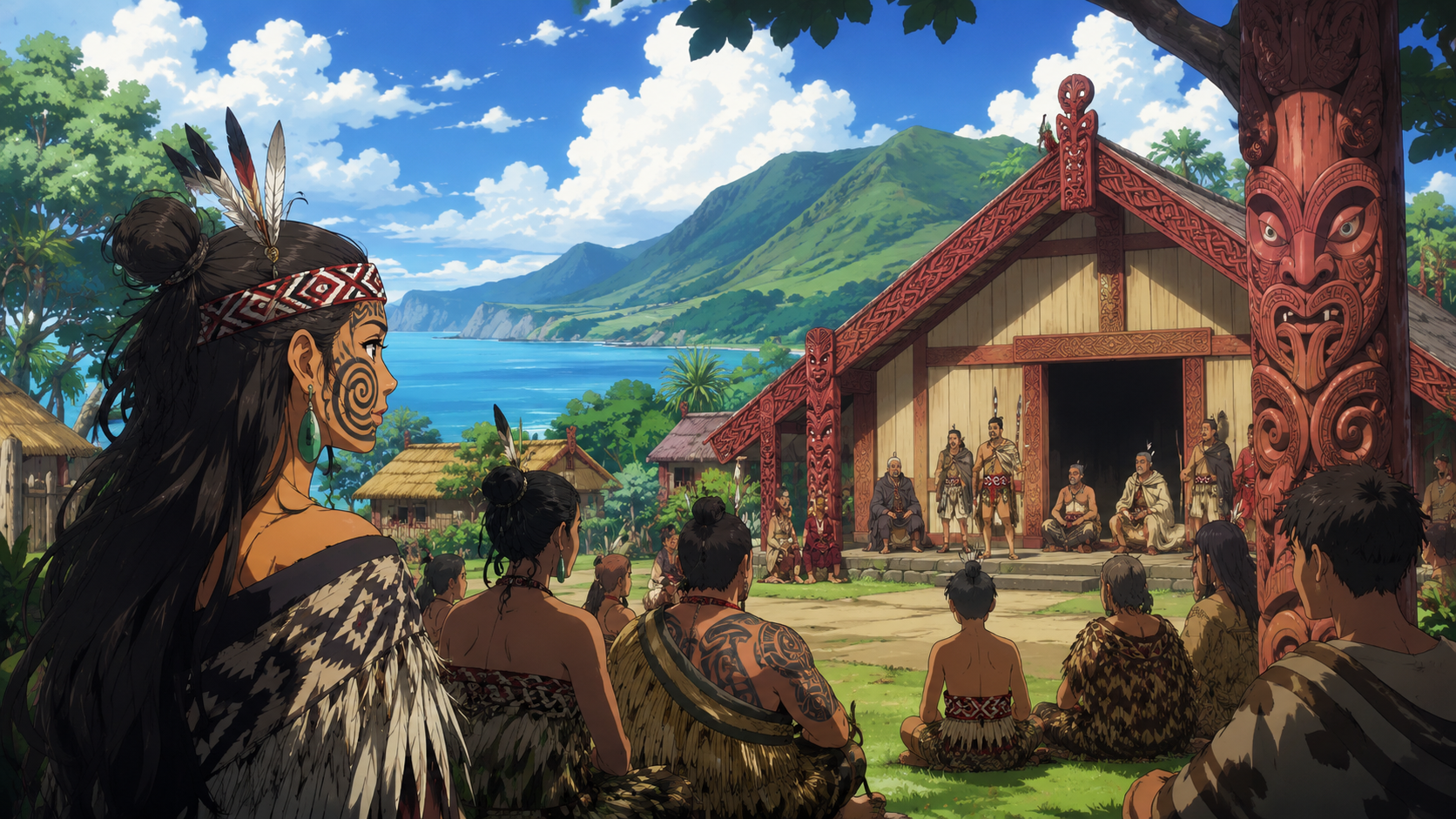
Māori society represents one of the most significant Indigenous cultures in the world. The Māori are the Indigenous Polynesian people of New Zealand (Aotearoa), whose history, traditions, language, and social institutions have shaped the country’s cultural landscape for centuries. From their arrival in Aotearoa around the thirteenth century to their contemporary struggles for cultural recognition and political rights, Māori communities have demonstrated remarkable resilience and adaptability.
From a sociological perspective, Māori society offers valuable insights into the dynamics of culture, identity, social organization, colonialism, resistance, and social change. The experiences of Māori people illustrate how Indigenous societies preserve their traditions while responding to modern economic, political, and social transformations. Their journey reflects broader themes of cultural survival, decolonization, social movements, and the pursuit of social justice.
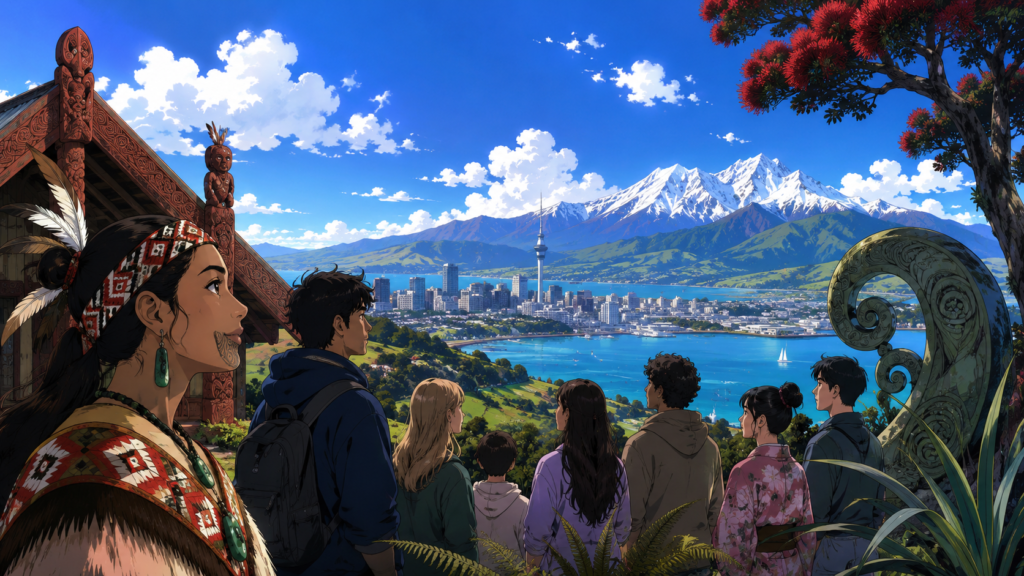
This article explores Māori society through a sociological lens, focusing on its cultural foundations, traditional social structures, the impact of colonization, and the emergence of contemporary Māori social movements.
Historical Background of Māori Society
The ancestors of the Māori migrated from Eastern Polynesia and settled in New Zealand centuries before European arrival. These early settlers developed a unique culture adapted to the environmental conditions of Aotearoa.
Before European contact, Māori society was highly organized and structured around kinship networks. Social life revolved around tribal affiliations, collective responsibilities, and strong spiritual beliefs. Communities maintained sophisticated systems of governance, resource management, and conflict resolution.
The arrival of Europeans in the late eighteenth century marked a significant turning point. Increased trade, missionary activity, land acquisition, and eventual British colonization transformed Māori society dramatically. The signing of the Treaty of Waitangi in 1840 became a foundational event in New Zealand’s history, although differing interpretations of the treaty later generated significant political and social conflicts.
The sociological study of Māori society requires understanding both pre-colonial traditions and the profound effects of colonial intervention on Indigenous social structures.
Cultural Foundations of Māori Society
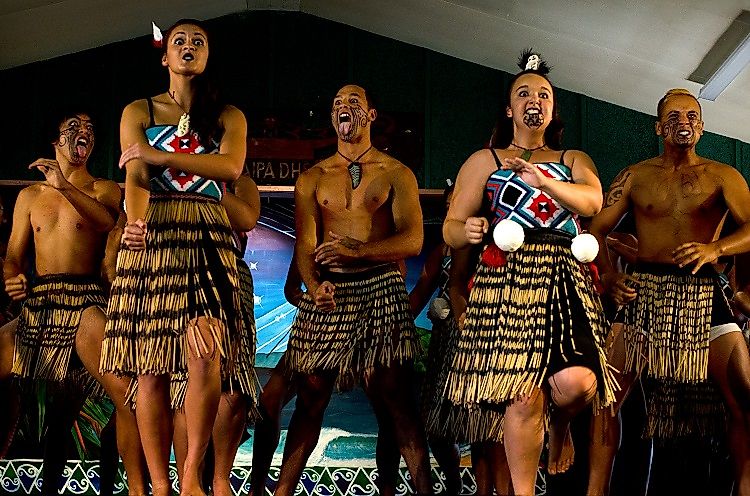
Culture serves as the foundation of Māori social life. It shapes identity, behavior, values, and social relationships.
Whakapapa (Genealogy)
One of the most important aspects of Māori culture is whakapapa, which refers to genealogy and ancestral connections. Whakapapa links individuals to their ancestors, families, tribes, natural environments, and spiritual worlds.
Sociologically, whakapapa functions as a mechanism of social integration. It provides individuals with a sense of belonging, identity, and collective responsibility. Through whakapapa, people understand their place within broader social networks.
Mana
Mana refers to prestige, authority, power, and spiritual influence. It is acquired through leadership, achievement, ancestry, and service to the community.
From a sociological perspective, mana operates as a form of social status that regulates relationships within Māori society. Individuals with high mana often possess greater influence in decision-making processes.
Tapu and Noa
Tapu refers to sacredness and restrictions associated with people, places, or objects. Noa represents the ordinary or unrestricted state.
These concepts regulate social behavior and maintain social order. Sociologists view tapu as a form of social control that establishes boundaries and promotes respect within communities.
Te Reo Māori
The Māori language, known as Te Reo Māori, remains a central symbol of cultural identity. Language carries cultural knowledge, traditions, values, and collective memory.
The revitalization of Te Reo Māori has become an important component of cultural preservation and resistance against historical assimilation policies.
Traditional Social Structure
Māori society traditionally operated through interconnected social units based on kinship and collective responsibility.
Whānau
The whānau, or extended family, serves as the basic social unit. Unlike the nuclear family model common in many Western societies, whānau includes multiple generations and extended relatives.
Whānau provides emotional support, economic cooperation, education, and socialization. It functions as an important institution for transmitting cultural knowledge.
Hapū
A hapū is a sub-tribe composed of several related whānau groups. Historically, hapū served as the primary political and economic unit.
Members worked collectively in agriculture, fishing, defense, and resource management. Leadership was generally based on respect, competence, and ancestral connections.
Iwi
An iwi is a larger tribal grouping consisting of multiple hapū. Iwi identities remain important today and play significant roles in cultural preservation, political representation, and economic development.
Sociologically, iwi function as collective identities that strengthen social cohesion and facilitate community mobilization.
Rangatira Leadership
Traditional leadership was exercised by rangatira (chiefs). Leadership was not solely inherited but also depended on personal qualities such as wisdom, bravery, generosity, and service.
This system illustrates how authority in Māori society combined both ascribed and achieved status.
Māori Worldview and Social Life
The Māori worldview differs significantly from many Western perspectives. It emphasizes interconnectedness between people, ancestors, nature, and spirituality.
Relationship with Nature
Māori culture views humans as part of the natural world rather than separate from it. Rivers, mountains, forests, and oceans are considered ancestors and living entities.
This ecological perspective encourages sustainable resource management and collective stewardship.
Modern sociologists often examine Māori environmental practices as examples of Indigenous ecological knowledge and environmental sustainability.
Collective Identity
Māori society traditionally prioritizes collective well-being over individual achievement. Social responsibilities extend beyond personal interests to include family, tribe, and community obligations.
This collectivist orientation contrasts with the individualism commonly found in Western societies.
Community-Based Socialization
Children are raised within extended family networks where multiple adults contribute to education and social development.
This communal approach reinforces social solidarity and cultural continuity across generations.
Colonization and Social Change
European colonization profoundly transformed Māori society.
Land Loss and Displacement
One of the most significant consequences of colonization was the large-scale loss of Māori land. Through warfare, legislation, and questionable transactions, vast areas of land were transferred to European settlers.
Land loss disrupted traditional economic systems, weakened tribal authority, and contributed to social inequality.
Cultural Suppression
Colonial policies often aimed to assimilate Māori people into European society. Indigenous language, customs, and educational practices were marginalized.
Schools frequently discouraged the use of Te Reo Māori, contributing to language decline during the twentieth century.
Urbanization
Following World War II, many Māori migrated from rural tribal areas to urban centers in search of employment.
Urbanization created new opportunities but also generated challenges. Many Māori experienced cultural disconnection, social isolation, and economic disadvantages.
Sociologists view urban migration as a major factor influencing modern Māori identity and social organization.
Māori Identity in Contemporary Society
Today, Māori identity continues to evolve in response to social, political, and economic changes.

Cultural Revival
Since the 1970s, Māori communities have engaged in extensive efforts to revive language, traditions, and cultural practices.
Language immersion schools, cultural festivals, and tribal organizations have played important roles in strengthening Indigenous identity.
Biculturalism
New Zealand increasingly recognizes the importance of biculturalism, acknowledging both Māori and European cultural traditions.
Bicultural policies promote Māori representation in education, government, and public institutions.
Identity Negotiation
Many contemporary Māori navigate multiple identities simultaneously. They participate in modern urban life while maintaining connections to tribal traditions and cultural heritage.
This process reflects broader sociological discussions about globalization, hybrid identities, and cultural adaptation.
Māori Social Movements
Social movements have played a crucial role in advancing Māori rights and promoting social change.
The Māori Renaissance
The Māori Renaissance emerged during the 1970s and represented a powerful movement for cultural, political, and social revitalization.
Activists challenged historical injustices and demanded recognition of treaty rights, language preservation, and self-determination.
This movement significantly influenced New Zealand society and transformed public attitudes toward Indigenous issues.
Land Rights Movements
Land remains central to Māori identity and social organization.
Numerous movements have sought the return of confiscated lands and compensation for historical injustices. Protest actions highlighted the importance of land as a cultural, economic, and spiritual resource.
These campaigns demonstrate how social movements mobilize collective identities to challenge existing power structures.
Language Revitalization Movement
The movement to revive Te Reo Māori represents one of the most successful Indigenous language revitalization efforts globally.
Community initiatives established language nests, immersion schools, and media platforms dedicated to Māori language preservation.
From a sociological perspective, language revitalization strengthens collective identity and cultural resilience.
Treaty Justice Movements
Activists have long advocated for greater recognition of the Treaty of Waitangi.
These movements seek accountability for historical grievances and equitable relationships between Māori communities and the state.
Treaty-based activism illustrates how social movements utilize legal frameworks and political institutions to pursue social justice.
Māori Women and Social Activism
Māori women have played essential roles in cultural preservation and social movements.
Historically, women contributed significantly to leadership, education, and community development. In contemporary society, Māori women continue to advocate for Indigenous rights, gender equality, environmental protection, and social justice.
Their activism demonstrates the intersection of ethnicity, gender, and social inequality.
Sociologists often analyze Māori women’s experiences through intersectional frameworks that recognize multiple forms of oppression and resistance.
Education and Cultural Empowerment
Education has become a major arena for Māori social transformation.
Kura Kaupapa Māori
Māori-language schools provide culturally grounded education that integrates Indigenous values, traditions, and language.
These institutions challenge assimilationist educational models and promote cultural empowerment.
Indigenous Knowledge Systems
Growing recognition of Māori knowledge systems has influenced educational curricula, environmental management, and public policy.
The inclusion of Indigenous perspectives contributes to greater cultural diversity and social inclusion.
Socioeconomic Challenges
Despite significant progress, Māori communities continue to face social and economic inequalities.
Health Disparities
Māori populations experience higher rates of certain health conditions compared to non-Māori populations.
These disparities reflect broader structural inequalities, including historical marginalization and unequal access to resources.
Educational and Employment Gaps
Although educational attainment has improved, socioeconomic inequalities remain evident in employment, income, and housing outcomes.
Sociologists emphasize that these challenges are linked to historical processes of colonization and systemic disadvantage.
Social Resilience
Despite these obstacles, Māori communities demonstrate remarkable resilience through cultural revitalization, community development, and collective action.
Their experiences illustrate the capacity of Indigenous societies to adapt and thrive while preserving cultural identity.
Māori Society and Global Indigenous Movements
Māori activism has inspired Indigenous movements worldwide.
Internationally, Māori leaders participate in discussions concerning Indigenous rights, environmental justice, cultural preservation, and self-determination.
The Māori experience contributes to global sociological understanding of decolonization, identity politics, and social movements.
Their success in language revitalization, treaty advocacy, and cultural preservation provides valuable lessons for Indigenous communities across the world.
Sociological Perspectives on Māori Society
Different sociological theories help explain Māori social experiences.
Functionalist Perspective
Functionalists emphasize how institutions such as whānau, hapū, and iwi contribute to social stability and cohesion.
Traditional practices strengthen community bonds and facilitate social integration.
Conflict Perspective
Conflict theorists focus on power inequalities resulting from colonization, land dispossession, and economic marginalization.
They view Māori social movements as responses to structural inequalities and historical injustices.
Symbolic Interactionism
This perspective examines how cultural symbols, language, rituals, and everyday interactions shape Māori identity.
The revival of cultural practices demonstrates the importance of symbols in maintaining collective identity.
Postcolonial Sociology
Postcolonial scholars analyze the enduring effects of colonial domination and Indigenous resistance.
This approach highlights the importance of decolonization, cultural sovereignty, and Indigenous self-determination.
Conclusion
Māori society represents a remarkable example of cultural resilience, collective identity, and social transformation. Rooted in traditions of whakapapa, whānau, mana, and community responsibility, Māori culture has survived centuries of colonial disruption while continuing to evolve in contemporary society.
From a sociological perspective, the Māori experience illustrates the complex relationship between culture, power, identity, and social change. Colonization created profound challenges, including land loss, cultural suppression, and socioeconomic inequalities. Yet Māori communities responded through collective action, cultural revitalization, and powerful social movements that reshaped New Zealand society.
Today, Māori social movements continue to promote treaty justice, language preservation, environmental stewardship, and Indigenous rights. Their efforts demonstrate how communities can preserve cultural heritage while adapting to modern realities. As a result, Māori society remains an important subject of sociological study and a powerful example of Indigenous resilience in the contemporary world.
FAQs
1. What is Māori Society?
Māori Society refers to the Indigenous social, cultural, political, and economic system of the Māori people of New Zealand (Aotearoa), based on kinship, tribal organization, traditions, and collective identity.
2. What are the main features of Māori Society?
The main features of Māori Society include strong family ties (whānau), tribal affiliations (iwi), respect for ancestors, collective responsibility, cultural traditions, and a deep connection to land and nature.
3. Why is whakapapa important in Māori Society?
In Māori Society, whakapapa (genealogy) connects individuals to their ancestors, family groups, tribes, and the natural world, helping shape identity and social belonging.
4. How is family organized in Māori Society?
Māori Society is organized around the whānau, an extended family system where multiple generations share responsibilities for childcare, education, and community support.
5. What role does culture play in Māori Society?
Culture is central to Māori Society, influencing language, customs, rituals, values, social relationships, and the transmission of knowledge across generations.
6. What is the significance of Te Reo Māori in Māori Society?
Te Reo Māori is the traditional language of the Māori people and serves as a key symbol of identity, heritage, and cultural continuity within Māori Society.
7. How did colonization affect Māori Society?
Colonization significantly impacted Māori Society through land loss, cultural suppression, economic inequality, and changes to traditional social structures and governance systems.
8. What are iwi and hapū in Māori Society?
In Māori Society, iwi are large tribal groups, while hapū are smaller sub-tribes that function as important social, political, and economic units.
9. What is mana in Māori Society?
Mana refers to authority, prestige, honor, and spiritual power. In Māori Society, mana influences leadership, social status, and community respect.
10. How has Māori Society preserved its traditions?
Māori Society has preserved its traditions through cultural education, language revitalization programs, tribal institutions, ceremonies, and social movements.
11. What is the Māori Renaissance?
The Māori Renaissance was a cultural and political revival movement beginning in the 1970s that strengthened language preservation, Indigenous rights, and cultural identity within Māori Society.
12. How does Māori Society view the environment?
Māori Society sees humans as interconnected with nature. Rivers, forests, mountains, and oceans are often regarded as ancestors or living entities deserving respect and protection.
13. What social movements have influenced Māori Society?
Land rights campaigns, Treaty of Waitangi advocacy, language revitalization efforts, and Indigenous rights movements have played major roles in transforming Māori Society.
14. What challenges does Māori Society face today?
Modern Māori Society faces challenges such as health disparities, educational inequalities, housing issues, and economic gaps, while continuing efforts toward social justice and self-determination.
15. Why is Māori Society important in sociology?
Māori Society provides valuable insights into Indigenous identity, cultural resilience, colonialism, social movements, community organization, and processes of social change.