Introduction
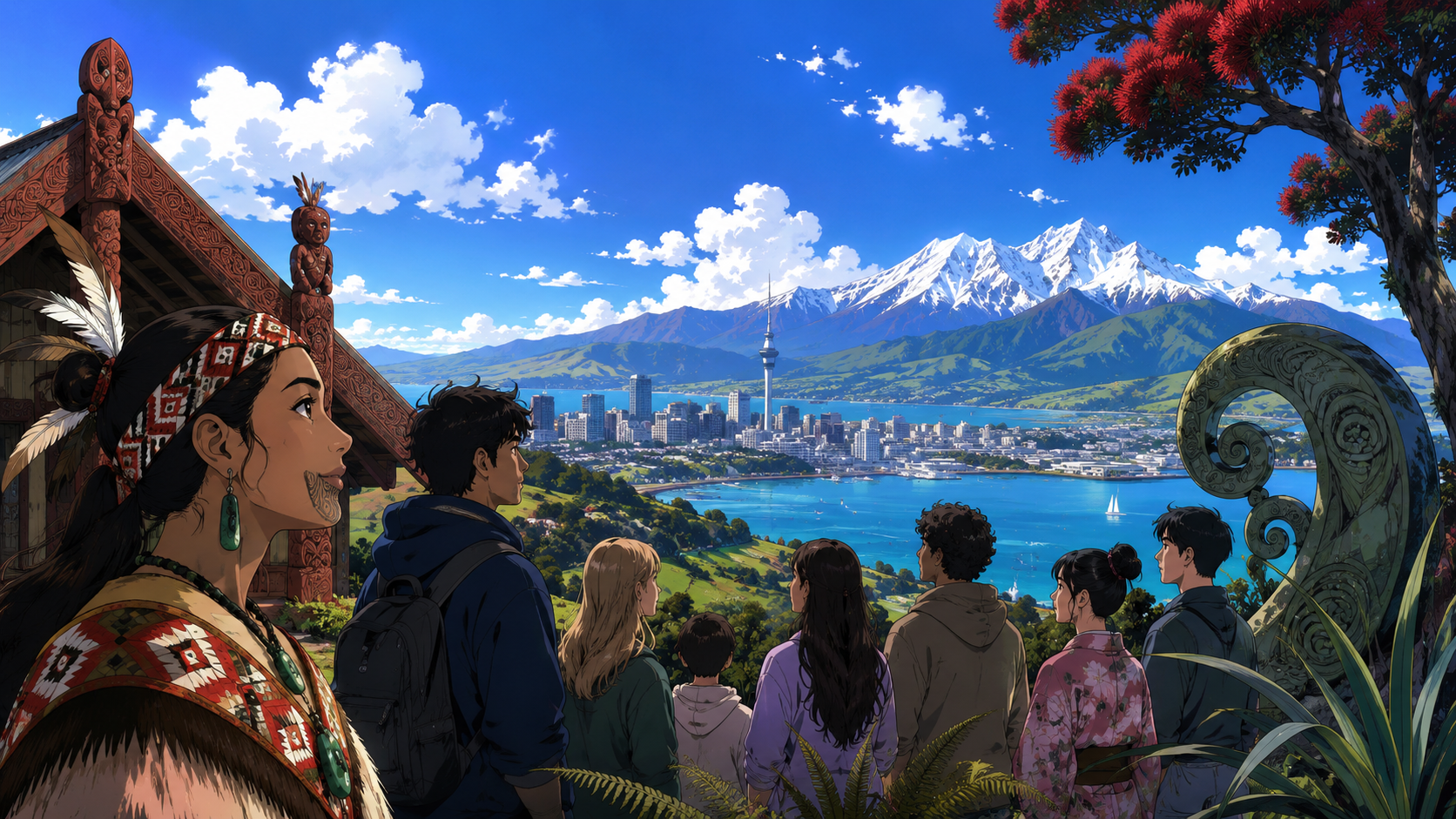
New Zealand is often recognized internationally for its breath-taking landscapes, democratic institutions, and high quality of life. However, from a sociological perspective, the country offers a fascinating case study of cultural diversity, identity formation, indigenous rights, globalization, and social transformation. Located in the southwestern Pacific Ocean, New Zealand has developed a unique society shaped by the interaction between Indigenous Māori communities, European settlers, Pacific Islanders, and more recent immigrant populations.
The sociology of New Zealand examines how social structures, cultural traditions, economic development, and political institutions influence the lives of its people. It explores questions related to ethnicity, national identity, social inequality, gender relations, urbanization, and multiculturalism. Understanding New Zealand’s social development provides valuable insights into how societies adapt to change while preserving cultural heritage.

This article examines the sociological dimensions of New Zealand with particular emphasis on culture, identity, and social change.
Table of Contents
Historical Foundations of New Zealand Society
The social history of New Zealand begins with the arrival of the Māori people, who migrated from Polynesia approximately one thousand years ago. Māori communities developed complex social structures based on kinship, tribal affiliations, and communal ownership of resources.
The arrival of European explorers and settlers during the eighteenth and nineteenth centuries dramatically transformed New Zealand society. British colonization introduced new political institutions, economic systems, and cultural values. The signing of the Treaty of Waitangi in 1840 between representatives of the British Crown and Māori chiefs remains one of the most significant events in New Zealand’s history.
From a sociological perspective, colonization led to profound social changes. Traditional Māori social systems faced disruption through land dispossession, cultural assimilation policies, and economic marginalization. At the same time, European settlement established the foundations of modern New Zealand society.
The interaction between indigenous and settler populations created a unique social landscape characterized by both cooperation and conflict. These historical processes continue to influence contemporary debates regarding identity, justice, and equality.
Cultural Diversity in New Zealand

One of the defining characteristics of New Zealand society is its cultural diversity. Although Māori and European populations have historically been the largest groups, the country has become increasingly multicultural.
Today, New Zealand includes people of Māori, European, Pacific Islander, Asian, Middle Eastern, African, and Latin American backgrounds. Immigration policies introduced during the late twentieth century encouraged skilled migration from various regions of the world, contributing to demographic diversification.
Sociologists view cultural diversity as both an opportunity and a challenge. On one hand, multiculturalism enriches society by introducing different traditions, languages, beliefs, and perspectives. On the other hand, diversity requires social institutions to address issues related to integration, inclusion, and social cohesion.
New Zealand has generally adopted policies that promote cultural recognition while encouraging participation in a shared national community. Schools, government agencies, and public organizations increasingly acknowledge the multicultural nature of society.
Māori Culture and Social Identity
Māori culture occupies a central place in New Zealand’s national identity. The recognition of Māori language, customs, and traditions has expanded significantly over recent decades.
Sociologically, Māori identity is rooted in concepts such as whakapapa (genealogy), whānau (extended family), hapū (sub-tribe), and iwi (tribe). These social structures emphasize collective relationships and communal responsibilities.
The Māori language, known as Te Reo Māori, serves as a vital symbol of cultural identity. Efforts to revitalize the language have gained momentum since the 1980s through educational initiatives, media broadcasting, and governmental support.
Cultural practices such as haka, marae gatherings, and traditional ceremonies continue to play important roles in social life. These traditions contribute to cultural continuity and strengthen community bonds.
The resurgence of Māori identity reflects broader sociological processes of indigenous empowerment and cultural revitalization. It demonstrates how marginalized groups can reclaim cultural heritage and influence national discourse.
National Identity and Biculturalism
New Zealand’s national identity has evolved considerably over time. Earlier conceptions often emphasized British heritage and colonial traditions. However, contemporary understandings increasingly recognize the importance of biculturalism.
Biculturalism refers to the recognition of both Māori and Pākehā (New Zealanders of European descent) cultures as foundational components of the nation. This approach seeks to acknowledge historical injustices while promoting mutual respect and partnership.
Sociologists argue that national identity is not fixed but socially constructed through historical experiences, political debates, and cultural practices. In New Zealand, symbols such as the Treaty of Waitangi, rugby, environmental conservation, and shared democratic values contribute to collective identity formation.
At the same time, growing multiculturalism has prompted discussions regarding whether New Zealand should be understood as bicultural, multicultural, or both. These debates illustrate the dynamic nature of identity in modern societies.
The Treaty of Waitangi and Social Justice
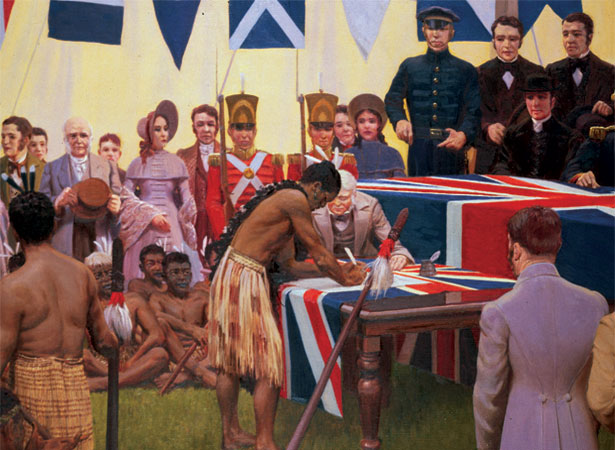
The Treaty of Waitangi occupies a unique position in New Zealand’s social and political life. It serves as a framework for relationships between Māori communities and the state.
Sociologically, the treaty represents an important mechanism for addressing historical inequalities. Throughout much of the twentieth century, Māori communities experienced significant disadvantages in areas such as education, health, housing, and employment.
Since the 1970s, governments have implemented treaty settlement processes aimed at recognizing historical grievances and providing compensation for land confiscations and other injustices.
The treaty has become a symbol of social justice and reconciliation. It also highlights broader sociological questions concerning indigenous rights, historical memory, and restorative justice.
Debates surrounding treaty interpretation continue to shape public policy and political discussions. These debates demonstrate how historical events remain relevant to contemporary social relations.
Immigration and Multiculturalism
Immigration has become one of the most influential factors shaping New Zealand society. During recent decades, significant numbers of migrants have arrived from Asia, the Pacific Islands, and other regions.
Sociologists study immigration because it affects demographic patterns, labor markets, cultural practices, and social identities. Migrants contribute to economic growth and cultural diversity while also creating new challenges related to integration and social inclusion.
Asian communities have become particularly important within urban centers such as Auckland. Pacific Island communities also play a significant role in New Zealand’s social and cultural landscape.
The increasing diversity of the population has encouraged discussions about multicultural citizenship and intercultural dialogue. Public institutions have responded by promoting inclusive policies that recognize various cultural backgrounds.
The New Zealand experience illustrates how immigration can transform national identity while maintaining social stability.
Urbanization and Social Transformation
Urbanization has profoundly influenced New Zealand society. Most of the population now lives in urban areas, with Auckland serving as the country’s largest city.
Urban sociology examines how city life shapes social relationships, economic opportunities, and community structures. Urban environments often provide greater access to education, healthcare, and employment. However, they can also generate challenges such as housing shortages, traffic congestion, and social inequality.
Rapid urban growth has increased demand for affordable housing and public infrastructure. Rising housing costs have become a significant social issue, particularly in major cities.
Urbanization has also altered family structures and community relationships. Traditional forms of social interaction may weaken as individuals become more mobile and geographically dispersed.
Despite these changes, many communities continue to maintain strong social networks through cultural organizations, religious institutions, and local associations.
Social Stratification and Inequality
Like many developed nations, New Zealand experiences various forms of social inequality. Sociologists analyze these inequalities through concepts such as class, ethnicity, gender, and geographic location.
Economic inequality has increased since market-oriented reforms implemented during the 1980s and 1990s. While economic growth created new opportunities, benefits were not distributed equally across all social groups.
Māori and Pacific Island communities often experience higher rates of poverty, unemployment, and health disparities compared to the national average. These inequalities reflect both historical disadvantages and contemporary structural factors.
Education plays a crucial role in social mobility. Access to quality education can improve employment prospects and reduce socioeconomic disparities. Consequently, policymakers continue to focus on educational equity as a means of promoting social justice.
The study of inequality in New Zealand reveals the complex relationship between economic development and social well-being.
Gender and Social Change
Gender relations in New Zealand have undergone significant transformation. The country is internationally recognized for its progressive history regarding women’s rights. In 1893, New Zealand became the first self-governing nation to grant women the right to vote.
Since then, women have achieved notable progress in education, employment, and political representation. Female leadership has become increasingly visible in both public and private sectors.
However, sociologists note that gender inequalities persist in areas such as income distribution, occupational segregation, and domestic responsibilities. Women remain underrepresented in certain industries and continue to face challenges related to work-life balance.
Contemporary discussions increasingly focus on gender diversity and inclusion. Public awareness regarding LGBTQ+ rights has expanded, contributing to more inclusive social policies.
The evolution of gender relations demonstrates how social norms and institutions adapt over time.
Education and Society
Education occupies a central role in New Zealand’s social development. Schools and universities serve not only as sites of learning but also as institutions that transmit cultural values and social norms.
From a sociological perspective, education contributes to socialization, citizenship formation, and economic development. It helps individuals acquire skills necessary for participation in modern society.
Educational reforms have increasingly emphasized cultural inclusivity, particularly regarding Māori perspectives and knowledge systems. Schools are encouraged to incorporate indigenous histories and languages into their curricula.
Despite overall success, disparities in educational outcomes remain a concern. Efforts to reduce achievement gaps continue to shape educational policy.
Education remains one of the most important mechanisms for promoting equality and social cohesion.
Globalization and Modern Society
Globalization has significantly influenced New Zealand’s social landscape. Advances in communication technology, international trade, and migration have connected the country more closely to global networks.
Sociologists argue that globalization creates both opportunities and challenges. It facilitates economic growth, cultural exchange, and technological innovation. At the same time, it can generate concerns regarding cultural homogenization, labor market competition, and environmental sustainability.
New Zealand’s economy increasingly depends on international markets. Global cultural influences are evident in media consumption, lifestyle choices, and consumer behavior.
Nevertheless, local communities continue to preserve distinctive cultural traditions. The interaction between global influences and local identities illustrates the complexity of contemporary social change.
Environmental Awareness and Society
Environmental consciousness is a significant aspect of New Zealand society. The country’s natural landscapes contribute strongly to national identity and tourism.
Environmental sociology examines how societies interact with natural environments. In New Zealand, public concern regarding conservation, climate change, and sustainable development has grown substantially.
Government policies and community initiatives often emphasize environmental protection. Indigenous Māori perspectives also contribute valuable approaches to environmental stewardship through concepts emphasizing interconnectedness between humans and nature.
Environmental issues increasingly influence political debates, economic planning, and social values.
Conclusion
The sociology of New Zealand provides a rich framework for understanding culture, identity, and social change in a modern democratic society. The country’s development reflects the complex interaction of indigenous traditions, colonial history, multicultural immigration, economic transformation, and globalization.
Māori cultural revitalization, bicultural partnerships, growing diversity, and ongoing efforts toward social justice demonstrate the dynamic nature of New Zealand society. At the same time, challenges related to inequality, urbanization, housing, and environmental sustainability continue to shape public discourse.
For students of Political Science and Sociology, New Zealand offers an important example of how societies negotiate cultural diversity, address historical injustices, and adapt to changing social conditions. The study of New Zealand highlights the broader sociological themes of identity formation, social integration, power relations, and social transformation that are relevant across the world.
As New Zealand continues to evolve, its experiences will remain valuable for understanding the opportunities and challenges facing contemporary societies in an increasingly interconnected global environment.
FAQs
1. What is the Sociology of New Zealand?
The Sociology of New Zealand is the study of New Zealand’s society, culture, social institutions, identities, and patterns of social change. It examines relationships among Māori, Pākehā, immigrants, and other social groups.
2. Why is the Sociology of New Zealand important?
The Sociology of New Zealand helps us understand how historical events, cultural diversity, and political developments have shaped modern New Zealand society and its social structure.
3. How does Māori culture influence the Sociology of New Zealand?
Māori culture is central to the Sociology of New Zealand because it influences national identity, language policies, social values, and discussions about indigenous rights and social justice.
4. What role does the Treaty of Waitangi play in the Sociology of New Zealand?
In the Sociology of New Zealand, the Treaty of Waitangi is viewed as a foundational document that shapes relationships between Māori communities and the government while influencing debates about equality and reconciliation.
5. How has immigration affected the Sociology of New Zealand?
Immigration has transformed the Sociology of New Zealand by increasing cultural diversity, contributing to economic development, and creating a more multicultural society.
6. What is biculturalism in the Sociology of New Zealand?
Biculturalism in the Sociology of New Zealand refers to the recognition of both Māori and Pākehā cultures as essential components of the nation’s identity and social framework.
7. How does globalization impact the Sociology of New Zealand?
Globalization affects the Sociology of New Zealand through international trade, migration, technological advancements, and cultural exchanges that influence social behavior and identity.
8. What are the major social issues studied in the Sociology of New Zealand?
The Sociology of New Zealand examines issues such as social inequality, housing affordability, ethnic relations, education disparities, gender equality, and environmental sustainability.
9. How does urbanization influence the Sociology of New Zealand?
Urbanization is an important topic in the Sociology of New Zealand because it affects housing, employment, social relationships, community life, and access to public services.
10. What is the significance of multiculturalism in the Sociology of New Zealand?
Multiculturalism enriches the Sociology of New Zealand by promoting cultural diversity, social inclusion, and interactions among different ethnic and cultural groups.
11. How does education contribute to the Sociology of New Zealand?
Education is a key institution in the Sociology of New Zealand, helping shape social values, cultural understanding, citizenship, and opportunities for social mobility.
12. What does the Sociology of New Zealand reveal about social inequality?
The Sociology of New Zealand highlights inequalities related to income, ethnicity, education, and access to resources, particularly among Māori and Pacific Island communities.
13. How has gender equality evolved in the Sociology of New Zealand?
The Sociology of New Zealand shows significant progress in gender equality, including women’s political participation, educational achievements, and leadership roles, while also recognizing ongoing challenges.
14. What is the relationship between environment and the Sociology of New Zealand?
Environmental awareness is a major theme in the Sociology of New Zealand, reflecting the country’s commitment to conservation, sustainability, and indigenous environmental perspectives.
15. What can students learn from the Sociology of New Zealand?
By studying the Sociology of New Zealand, students can gain insights into cultural diversity, indigenous rights, social change, globalization, and the development of inclusive societies in the modern world.
1 thought on “Sociology of New Zealand: Culture, Identity, and Social Change”