Introduction
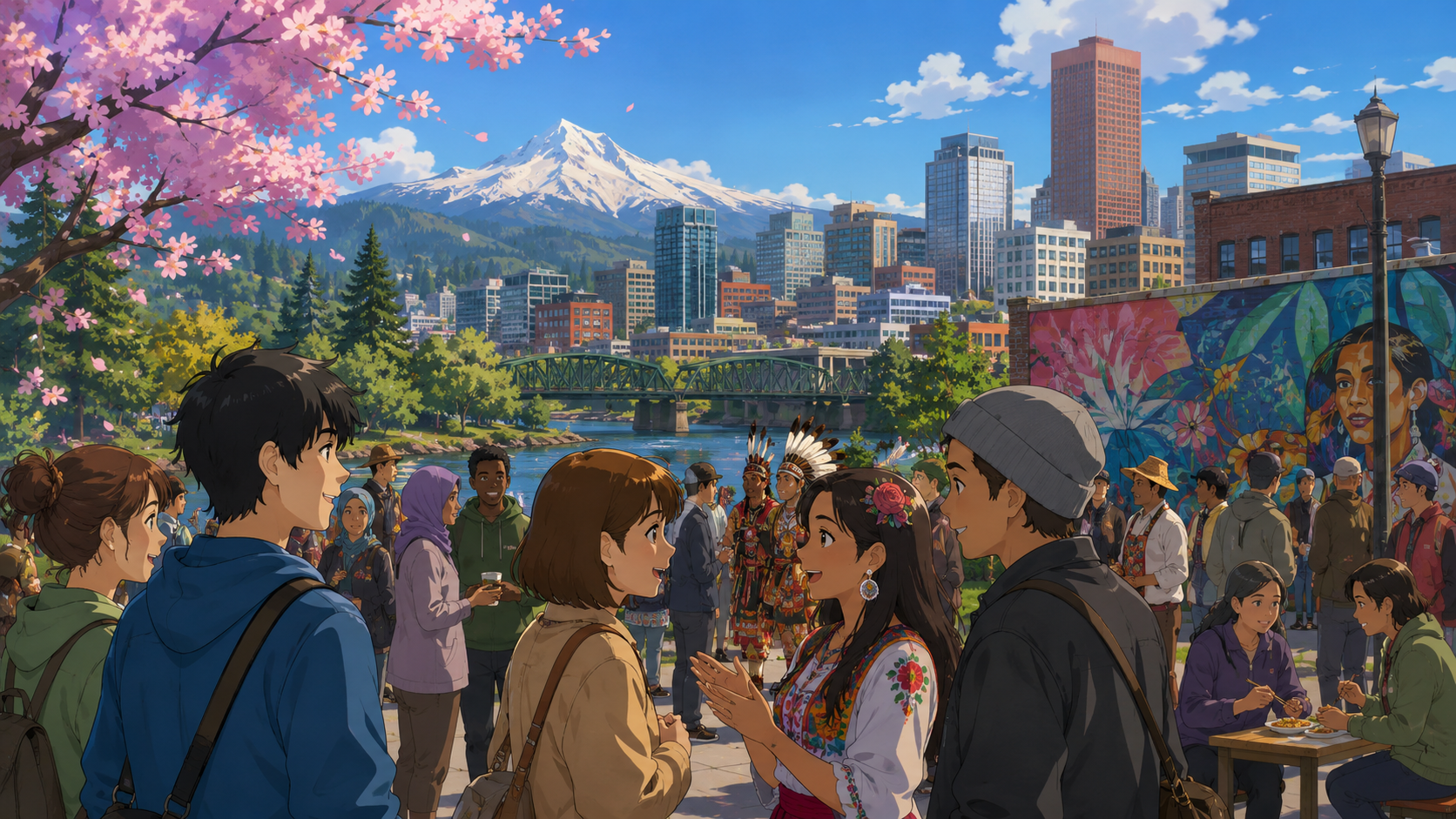
Migration is one of the most influential social processes shaping contemporary societies. Throughout history, human mobility has transformed economic systems, political structures, and cultural identities. In the United States, migration has played a central role in the development of states and regions, creating diverse communities and fostering cultural exchange. Among the states significantly influenced by migration is Oregon, located in the Pacific Northwest. Oregon’s unique geographical location, economic opportunities, environmental attractions, and cultural openness have made it a destination for migrants from various parts of the United States and around the world.
The relationship between migration and cultural change in Oregon provides an important sociological case study. As new populations settle in urban and rural areas, they introduce different languages, traditions, values, lifestyles, and social practices. These interactions create opportunities for cultural enrichment but may also generate tensions regarding identity, integration, and social cohesion.
This article examines migration and cultural change in Oregon from a sociological perspective. It explores historical migration patterns, demographic transformations, multicultural developments, social integration, challenges of diversity, and the future implications of migration for Oregon’s cultural landscape.

Table of Contents
Understanding Migration in Sociology
Migration refers to the movement of people from one place to another with the intention of settling temporarily or permanently. Sociologists study migration because it significantly affects social structures, institutions, communities, and cultural identities.
Migration can be categorized into several types:
- Internal migration, involving movement within a country.
- International migration, involving movement across national borders.
- Rural-to-urban migration.
- Urban-to-rural migration.
- Voluntary migration motivated by opportunities.
- Forced migration caused by conflict, disasters, or economic hardship.
Migration is often explained through push and pull factors. Push factors encourage people to leave their place of origin, while pull factors attract them to a new destination. In Oregon’s case, economic opportunities, environmental quality, educational institutions, and a reputation for progressive social values have served as significant pull factors.
Historical Migration Patterns in Oregon
The history of Oregon demonstrates how migration has continuously shaped society and culture.
Indigenous Communities
Before European settlement, Oregon was home to numerous Indigenous groups, including the Chinook, Klamath, Umatilla, Nez Perce, and many others. These communities developed distinct cultural traditions, languages, economic systems, and social organizations closely connected to the natural environment.
The arrival of European settlers during the nineteenth century dramatically altered Indigenous societies. Colonial expansion resulted in displacement, cultural suppression, and demographic decline among Native populations. Nevertheless, Indigenous cultures continue to contribute significantly to Oregon’s cultural identity.
European Settlement
The Oregon Trail became one of the most famous migration routes in American history. During the mid-nineteenth century, thousands of settlers moved westward seeking farmland, economic opportunities, and a better future.
These migrants brought European cultural traditions, Christianity, agricultural practices, and social institutions. The establishment of towns, schools, churches, and government structures reflected the cultural values of these settlers.
Asian Migration
Chinese immigrants arrived during the nineteenth century, contributing significantly to railroad construction, mining, fishing, and agriculture. Japanese immigrants later established farming communities and businesses.
Despite facing discrimination and exclusionary policies, Asian migrants left a lasting impact on Oregon’s economy and cultural diversity.
Latino Migration
The twentieth century witnessed increasing migration from Mexico and Latin America. Agricultural industries required labor, attracting migrant workers and their families.
Today, Latino communities represent one of Oregon’s fastest-growing populations, contributing to cultural diversity through language, cuisine, music, festivals, and entrepreneurship.
Contemporary Migration Trends in Oregon
Modern Oregon experiences both domestic and international migration.

Domestic Migration
Many people relocate to Oregon from states such as California, Washington, Texas, and Colorado. Several factors contribute to this trend:
- Employment opportunities in technology, healthcare, and education.
- High quality of life.
- Scenic landscapes and outdoor recreation.
- Environmental consciousness.
- Relatively progressive social environment.
Cities such as Portland, Eugene, Salem, and Bend have experienced significant population growth due to domestic migration.
International Migration
International migrants continue to arrive from various regions, including:
- Latin America.
- East Asia.
- South Asia.
- Africa.
- The Middle East.
These populations contribute to Oregon’s growing multicultural character.
Refugee Resettlement
Oregon has also welcomed refugees from countries affected by conflict and political instability. Refugees from countries such as Syria, Afghanistan, Ukraine, Somalia, and Myanmar have established communities across the state.
The presence of refugees introduces new cultural traditions while encouraging broader discussions about integration, diversity, and social inclusion.
Demographic Transformation and Social Change
Migration has significantly altered Oregon’s demographic composition.
Historically, Oregon was predominantly white compared to many other U.S. states. However, migration has increased ethnic and racial diversity.
This demographic transformation affects:
- Educational institutions.
- Labor markets.
- Housing patterns.
- Political participation.
- Community relationships.
Schools increasingly serve multilingual student populations. Public institutions have adapted by offering language support programs and culturally responsive services.
Sociologists view these demographic shifts as indicators of broader social transformation. As populations become more diverse, social norms and collective identities evolve.
Cultural Change Through Migration
One of the most visible consequences of migration is cultural change.
Language Diversity
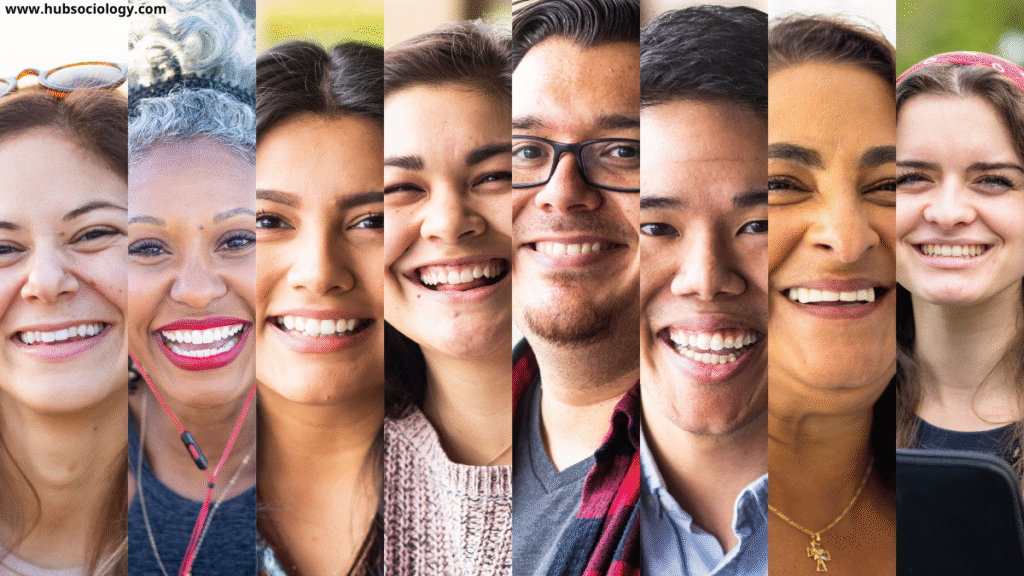
Migration introduces linguistic diversity into Oregon society. While English remains dominant, many residents speak Spanish, Chinese, Vietnamese, Russian, Arabic, Somali, and other languages.
Multilingualism contributes to cultural enrichment and promotes intercultural communication. Schools, healthcare providers, and government agencies increasingly recognize the importance of language accessibility.
Food Culture
Food serves as an important marker of cultural identity.
Migration has transformed Oregon’s culinary landscape. Restaurants and markets now offer:
- Mexican cuisine.
- Vietnamese dishes.
- Indian food.
- Ethiopian specialties.
- Korean barbecue.
- Middle Eastern cuisine.
The popularity of diverse food traditions reflects growing cultural acceptance and interaction among communities.
Festivals and Celebrations
Migrants bring cultural festivals that enrich community life.
Events celebrating Asian, Latino, African, and Indigenous heritage have become important aspects of Oregon’s cultural calendar. These celebrations encourage cultural exchange and foster mutual understanding.
Artistic Expression
Migration also influences artistic production.
Music, literature, visual arts, dance, and theater increasingly reflect multicultural experiences. Artists from migrant backgrounds contribute new perspectives that expand Oregon’s cultural creativity.
Urban Sociology and Migration in Portland
Portland represents the most prominent example of migration-driven cultural change in Oregon.
The city attracts migrants because of its employment opportunities, educational institutions, and cultural environment.
Diversity in Urban Neighborhoods
Migration has created culturally diverse neighborhoods where residents from different backgrounds interact daily.
These neighborhoods often become centers of:
- Cultural exchange.
- Economic innovation.
- Community activism.
- Artistic creativity.
Gentrification and Cultural Displacement
Migration into Portland has also contributed to gentrification.
As new residents move into historically working-class neighborhoods, housing prices often rise. This process can displace long-term residents, including minority communities.
Sociologists analyze gentrification as a complex interaction between migration, economic development, and social inequality.
Social Networks and Community Formation
Migrants often rely on social networks for support. Ethnic communities provide assistance in finding housing, employment, education, and healthcare.
These networks help newcomers adapt while preserving cultural traditions.
Migration and Economic Change
Migration influences economic development in several ways.
Labor Market Contributions
Migrants contribute to various sectors including:
- Agriculture.
- Technology.
- Construction.
- Healthcare.
- Hospitality.
- Education.
Highly skilled migrants support innovation industries, while migrant labor remains essential for agricultural production.
Entrepreneurship
Many migrants establish businesses that create employment opportunities and stimulate local economies.
Immigrant-owned businesses contribute to:
- Economic diversification.
- Urban revitalization.
- Cultural visibility.
Ethnic restaurants, grocery stores, retail shops, and service enterprises often become important community institutions.
Economic Mobility
Migration may provide opportunities for upward social mobility. However, access to economic success varies depending on education, legal status, language proficiency, and discrimination.
Sociologists emphasize that migration does not automatically guarantee economic advancement.
Theoretical Perspectives on Migration and Cultural Change
Several sociological theories help explain Oregon’s migration experience.
Functionalist Perspective
Functionalists view migration as a process that contributes to societal adaptation and development.
Migrants fill labor shortages, introduce new skills, and support economic growth. Cultural diversity enhances creativity and social innovation.
From this perspective, migration benefits society by promoting flexibility and modernization.
Conflict Perspective
Conflict theorists focus on inequality and competition.
Migration may create conflicts over:
- Employment opportunities.
- Housing resources.
- Political influence.
- Cultural recognition.
Power relations influence how migrants are treated and whether they gain equal access to resources.
Symbolic Interactionism
Symbolic interactionists examine everyday interactions between individuals.
They study how migrants negotiate identity, construct meanings, and develop social relationships within diverse communities.
This perspective highlights personal experiences of adaptation, belonging, and cultural exchange.
Transnationalism
Transnational theory argues that migrants maintain connections with their countries of origin while participating in their host society.
Modern communication technologies enable migrants to sustain social, economic, and cultural ties across borders.
Many Oregon migrants engage in transnational practices that influence both local and global cultural dynamics.
Cultural Integration and Multiculturalism
Cultural integration refers to the process through which migrants participate in society while maintaining aspects of their cultural heritage.
Oregon increasingly reflects a multicultural model rather than complete assimilation.
Benefits of Multiculturalism
Multiculturalism offers several advantages:
- Greater cultural understanding.
- Enhanced creativity.
- Economic innovation.
- Social inclusion.
- Global awareness.
Diverse communities often demonstrate greater adaptability in an interconnected world.
Challenges of Integration
Despite these benefits, integration can be challenging.
Migrants may encounter:
- Language barriers.
- Cultural misunderstandings.
- Discrimination.
- Limited access to services.
- Social isolation.
Successful integration requires supportive institutions and inclusive public policies.
Education and Cultural Transformation
Schools play a crucial role in managing cultural diversity.
Oregon’s educational institutions increasingly serve students from diverse cultural backgrounds.
Multicultural Education
Multicultural education promotes understanding of different cultures and histories.
Students learn to appreciate diversity while developing skills for participation in pluralistic societies.
Language Programs
Schools provide English language support while recognizing the value of multilingualism.
Bilingual education programs help students maintain cultural identity while acquiring necessary academic skills.
Socialization and Identity Formation
Educational institutions influence identity development.
Children of migrants often navigate multiple cultural environments, balancing family traditions with broader societal expectations.
This process contributes to the emergence of hybrid cultural identities.
Migration, Identity, and Belonging
Migration raises important questions about identity.
Migrants frequently negotiate multiple identities based on ethnicity, nationality, language, religion, and community membership.
Hybrid Identities
Second-generation migrants often develop hybrid identities combining elements from their ancestral culture and American society.
These identities challenge traditional notions of fixed cultural boundaries.
Sense of Belonging
Belonging is a fundamental sociological concept.
Migrants seek acceptance and recognition within their communities. Inclusive social environments promote stronger feelings of belonging and civic participation.
Community Solidarity
Cultural organizations, religious institutions, and community groups help migrants maintain cultural connections while building new social relationships.
These institutions strengthen social cohesion and collective identity.
Social Challenges Associated with Migration
While migration offers many benefits, it also presents challenges.
Housing Pressures
Population growth increases demand for housing, particularly in urban areas.
Rising housing costs affect both newcomers and long-term residents.
Social Inequality
Some migrant groups experience unequal access to:
- Employment.
- Education.
- Healthcare.
- Political representation.
Addressing these inequalities remains a significant policy challenge.
Cultural Tensions
Rapid demographic change may generate concerns about cultural preservation and social integration.
Open dialogue and intercultural engagement can reduce misunderstandings and strengthen community relations.
Political Debates
Migration often becomes a topic of political debate.
Discussions concerning immigration policy, refugee resettlement, and resource allocation reflect broader societal questions about identity and citizenship.
Future of Migration and Cultural Change in Oregon
The future of Oregon will likely continue to be shaped by migration.
Several trends suggest ongoing cultural transformation:
- Increasing international migration.
- Continued domestic relocation.
- Growing ethnic diversity.
- Expansion of multilingual communities.
- Greater cultural interconnectedness.
Technological advances and globalization will further strengthen cross-cultural interactions.
Oregon’s ability to manage diversity effectively will influence social cohesion, economic prosperity, and cultural vitality.
Inclusive policies, educational opportunities, and community engagement initiatives can help ensure that migration contributes positively to social development.
Conclusion
Migration has been a fundamental force shaping Oregon’s social and cultural landscape. From Indigenous communities and early settlers to contemporary domestic migrants, immigrants, and refugees, diverse populations have contributed to the state’s evolving identity. Migration has transformed demographic patterns, enriched cultural traditions, stimulated economic growth, and expanded opportunities for intercultural exchange.
From a sociological perspective, migration represents more than physical movement. It is a dynamic process that reshapes identities, institutions, and social relationships. Oregon’s experience demonstrates how cultural change emerges through interaction, adaptation, and diversity.
Although migration can generate challenges related to inequality, housing, and integration, it also creates opportunities for innovation, creativity, and social progress. As Oregon continues to evolve in the twenty-first century, understanding the relationship between migration and cultural change remains essential for building an inclusive and vibrant society.
FAQs on Cultural Change in Oregon
1. What is Cultural Change in Oregon?
Cultural Change in Oregon refers to the transformation of social values, traditions, lifestyles, languages, and community identities resulting from migration, economic development, technological advancement, and demographic shifts.
2. How has migration influenced Cultural Change in Oregon?
Migration has introduced diverse ethnic groups, languages, cuisines, and cultural traditions, making Oregon a more multicultural and socially dynamic state.
3. Why is Cultural Change in Oregon important for sociologists?
Sociologists study Cultural Change in Oregon to understand how population movements, social interactions, and institutional changes shape community identities and social relationships.
4. Which cities best reflect Cultural Change in Oregon?
Cities such as Portland, Eugene, Salem, and Bend are notable examples where migration and diversity have significantly contributed to Cultural Change in Oregon.
5. How has immigration contributed to Cultural Change in Oregon?
Immigration has enriched Oregon’s cultural landscape through new languages, religious practices, festivals, artistic expressions, and entrepreneurial activities.
6. What role do schools play in Cultural Change in Oregon?
Schools promote Cultural Change in Oregon by supporting multicultural education, language diversity, and inclusive learning environments for students from various backgrounds.
7. How has food culture been affected by Cultural Change in Oregon?
The growth of immigrant communities has expanded Oregon’s culinary diversity, introducing Mexican, Vietnamese, Indian, Korean, Ethiopian, and many other cuisines.
8. What are the social benefits of Cultural Change in Oregon?
Benefits include increased cultural understanding, innovation, creativity, economic growth, and stronger global connections within local communities.
9. Does Cultural Change in Oregon affect local traditions?
Yes. While some traditional practices evolve, many local traditions coexist with new cultural influences, creating a richer and more diverse cultural environment.
10. How has Cultural Change in Oregon impacted language diversity?
Oregon has become increasingly multilingual, with communities speaking Spanish, Chinese, Vietnamese, Arabic, Russian, and many other languages alongside English.
11. What challenges accompany Cultural Change in Oregon?
Challenges include social integration, language barriers, housing pressures, cultural misunderstandings, and concerns about preserving local identities.
12. How does Cultural Change in Oregon influence community identity?
Community identities become more inclusive and diverse as people from different cultural backgrounds interact and contribute to local social life.
13. What is the relationship between globalization and Cultural Change in Oregon?
Globalization facilitates the movement of people, ideas, goods, and cultural practices, accelerating Cultural Change in Oregon through international connections.
14. How do cultural festivals contribute to Cultural Change in Oregon?
Festivals celebrate diverse traditions, promote intercultural understanding, and strengthen community bonds across different social groups.
15. What is the future of Cultural Change in Oregon?
The future of Cultural Change in Oregon is expected to involve greater diversity, stronger multicultural communities, increased global connectivity, and continued social transformation.