
Introduction
Education is one of the most influential social institutions in modern society. It shapes individual opportunities, determines occupational mobility, and contributes significantly to the reproduction or transformation of social class structures. In the American state of Virginia, education plays a critical role in defining social and economic outcomes. Virginia is known for its prestigious universities, strong public school systems in some regions, and a growing economy driven by technology, government services, and higher education. However, despite these advantages, significant inequalities remain in educational access and achievement across different social classes.
From a sociological perspective, education is not merely a process of acquiring knowledge and skills. It is deeply connected to social stratification, cultural capital, economic resources, and power relations. The relationship between education and class structure in Virginia provides an important case study for understanding how social inequality persists in contemporary America.
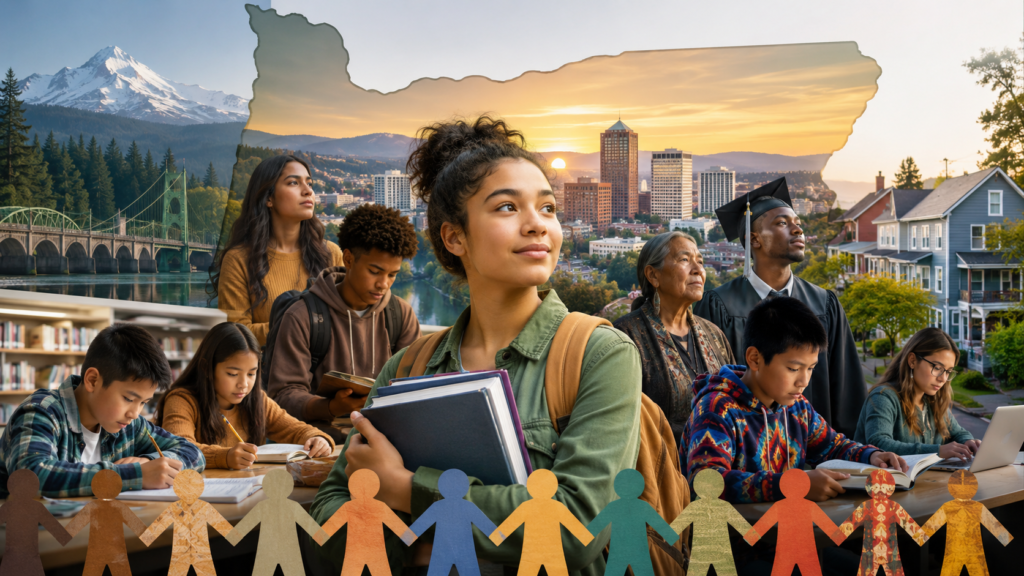
This article examines the sociological dimensions of education and class structure in Virginia, exploring historical developments, regional disparities, socioeconomic influences, educational inequalities, and the role of education in social mobility.
Understanding Class Structure in Sociology
Class structure refers to the hierarchical arrangement of individuals and groups based on economic resources, occupation, income, wealth, and social status. Sociologists generally identify three major classes:
- Upper class
- Middle class
- Working class
Some scholars also recognize an underclass characterized by persistent poverty and limited access to social opportunities.
In Virginia, class divisions are visible across urban, suburban, and rural communities. Northern Virginia contains some of the wealthiest counties in the United States, while parts of Southwest Virginia continue to face economic challenges linked to industrial decline and limited employment opportunities.
Education often serves as a bridge between these social classes. However, access to quality education is itself shaped by class position, creating a cycle in which educational achievement and social status reinforce each other.
Historical Development of Education in Virginia
The educational system in Virginia has evolved significantly over time. During the colonial period, formal education was largely restricted to wealthy families. Plantation owners and elite groups had access to tutors and private schools, while poor whites, enslaved Africans, and women often received little or no formal education.
Following the Civil War and Reconstruction, public education expanded, although racial segregation remained a dominant feature. Separate schools for Black and White students created profound inequalities in educational opportunities.
The landmark Supreme Court decision in the historical event of Brown v. Board of Education challenged school segregation across the United States, including Virginia. Despite legal progress, educational inequalities continued through residential segregation, funding disparities, and economic differences.
Today, Virginia’s educational system reflects both the achievements of educational expansion and the enduring influence of historical inequalities.
Education as a Social Institution
Functionalist sociologists view education as a mechanism that promotes social integration, skill development, and merit-based advancement. Schools prepare students for participation in the labor market and civic life.

In Virginia, educational institutions perform several important functions:
- Transmission of cultural values.
- Development of workforce skills.
- Preparation for higher education.
- Socialization of young people.
- Promotion of economic productivity.
However, conflict theorists argue that education often reproduces social inequality rather than eliminating it. According to this perspective, students from affluent backgrounds receive advantages that help maintain existing class structures.
The Virginia educational system demonstrates elements of both perspectives. While many students achieve upward mobility through education, socioeconomic inequalities continue to shape educational outcomes.
Regional Differences in Virginia’s Educational Landscape
Virginia exhibits substantial regional variation in educational quality and resources.
Northern Virginia
Northern Virginia includes counties such as Arlington, Fairfax, and Loudoun. These regions benefit from:
- High household incomes.
- Strong property tax bases.
- Well-funded schools.
- Access to advanced educational programs.
- Proximity to federal government agencies and technology industries.
Students in these areas often have access to modern facilities, experienced teachers, and extensive extracurricular opportunities.
Central Virginia
The Richmond metropolitan area displays mixed educational outcomes. Some districts perform exceptionally well, while others face challenges associated with poverty and urban inequality.
Rural Virginia
Many rural regions encounter difficulties including:
- Limited educational funding.
- Teacher shortages.
- Reduced access to advanced coursework.
- Lower college enrollment rates.
These disparities highlight how geography intersects with class structure to influence educational opportunities.
Socioeconomic Status and Educational Achievement
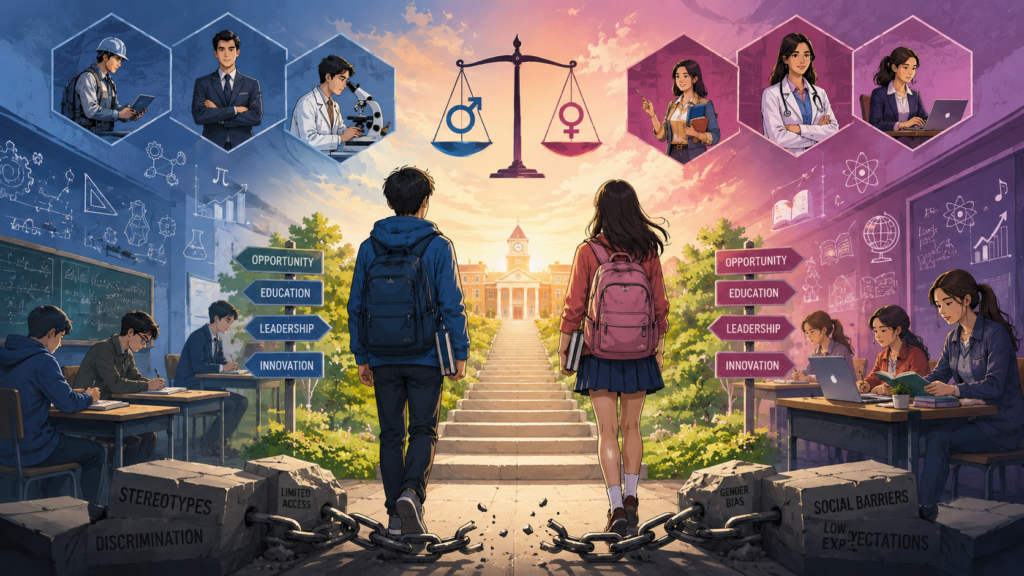
Socioeconomic status is among the strongest predictors of educational success in Virginia.
Families with higher incomes generally possess greater access to educational resources, including:
- Private tutoring.
- Educational technology.
- College preparation services.
- Enrichment activities.
- Stable learning environments.
Children from affluent households often enter school with advantages in language development, reading skills, and academic preparation.
In contrast, low-income families may face barriers such as:
- Housing instability.
- Food insecurity.
- Limited access to healthcare.
- Lack of educational materials.
These challenges can affect academic performance and long-term educational attainment.
Sociologist Pierre Bourdieu argued that families transmit cultural capital to their children. Cultural capital includes language styles, educational knowledge, values, and social behaviors that schools often reward.
In Virginia, middle-class and upper-class families frequently possess forms of cultural capital that align closely with educational expectations, giving their children additional advantages.
School Funding and Class Inequality
School funding remains a critical sociological issue in Virginia.
Public schools rely heavily on local revenue sources, particularly property taxes. As a result, affluent communities often generate greater educational resources than poorer communities.
Schools in wealthier districts may provide:
- Smaller class sizes.
- Advanced placement courses.
- Modern laboratories.
- Extensive extracurricular programs.
- College counseling services.
Schools serving low-income populations may struggle with limited resources despite state assistance.
This funding structure contributes to educational stratification by linking educational quality to neighborhood wealth.
From a conflict theory perspective, such disparities illustrate how educational institutions can reproduce existing class inequalities.
Higher Education and Social Mobility
Virginia is home to numerous prestigious higher education institutions, including University of Virginia, Virginia Tech, and William & Mary.
Higher education serves as an important pathway for upward social mobility. College graduates generally experience:
- Higher lifetime earnings.
- Greater occupational prestige.
- Increased employment stability.
- Enhanced social networks.
However, access to higher education is not equally distributed.
Students from affluent families often benefit from:
- College savings plans.
- Professional guidance.
- Legacy admissions advantages.
- Strong academic preparation.
Working-class students may encounter obstacles including tuition costs, student debt, and family financial responsibilities.
Consequently, higher education can simultaneously promote mobility and reproduce class inequalities.
Race, Class, and Educational Inequality
Class structure in Virginia cannot be understood without considering race.
Historical discrimination has contributed to wealth gaps and educational disparities among racial groups. These inequalities often intersect with socioeconomic status.
African American and Hispanic communities are more likely to experience concentrated poverty in certain regions, affecting educational opportunities.
Sociologists emphasize that educational inequality results from interconnected systems involving:
- Economic resources.
- Residential patterns.
- Labor market conditions.
- Historical discrimination.
Efforts to improve educational equity increasingly focus on addressing both racial and class-based disadvantages.
Digital Divide and Educational Access
Technology has become essential to modern education.
The COVID-19 pandemic revealed significant differences in access to digital resources. Students from affluent households generally had:
- Reliable internet connections.
- Personal computers.
- Dedicated study spaces.
Many low-income students faced challenges related to connectivity and technology access.
Although Virginia has invested in expanding broadband infrastructure, digital inequality continues to affect educational outcomes, particularly in rural areas.
The digital divide illustrates how technological resources have become a new dimension of class inequality.
Education and Occupational Opportunities
Educational attainment strongly influences occupational outcomes in Virginia.
The state’s economy increasingly emphasizes knowledge-based industries, including:
- Information technology.
- Healthcare.
- Government services.
- Engineering.
- Scientific research.
These sectors typically require advanced education and specialized skills.
Individuals with college degrees are more likely to secure high-paying professional positions, while those with lower educational attainment may face limited employment opportunities.
This relationship reinforces the importance of education in determining class position.
The Hidden Curriculum and Social Reproduction
Sociologists use the concept of the hidden curriculum to describe the informal lessons students learn in school.
Beyond academic subjects, schools teach:
- Discipline.
- Time management.
- Authority relationships.
- Competition.
- Social expectations.
According to sociologists such as Samuel Bowles and Herbert Gintis, schools often prepare students for positions within existing class structures.
Students from different social backgrounds may experience different expectations and opportunities within educational settings.
In Virginia, patterns of tracking, gifted programs, and college preparation pathways can influence future occupational trajectories.
Educational Policies and Reform Efforts
Virginia has implemented various educational reforms aimed at improving equity and academic performance.
These initiatives include:
- Expanded preschool programs.
- Increased educational accountability.
- Teacher recruitment efforts.
- Financial aid programs.
- Broadband expansion projects.
Policy makers increasingly recognize that educational achievement depends on broader social conditions, including family income, housing stability, and community resources.
Sociological research suggests that reducing educational inequality requires comprehensive approaches that address both school-based and societal factors.
Community, Family, and Educational Success
Families and communities play a crucial role in educational outcomes.
Research consistently demonstrates that parental involvement contributes positively to academic achievement. Parents who engage with schools, monitor academic progress, and encourage educational aspirations often help children achieve higher levels of success.
Community organizations also support education through:
- Mentoring programs.
- After-school activities.
- Scholarship opportunities.
- Academic support services.
In Virginia, local partnerships between schools, businesses, and community groups have become important tools for reducing educational disparities.
Social Mobility and Its Limitations
Education is often described as the “great equalizer,” but sociological evidence suggests a more complex reality.
Many Virginians have improved their socioeconomic status through educational attainment. First-generation college students frequently achieve upward mobility and access professional careers.
However, mobility remains uneven.
Factors limiting educational mobility include:
- Rising college costs.
- Income inequality.
- Residential segregation.
- Unequal school resources.
- Labor market competition.
Therefore, education can create opportunities for advancement while simultaneously reflecting broader social inequalities.
Future Challenges
Virginia’s educational system faces several important challenges in the coming decades.
Population growth, technological change, economic restructuring, and demographic diversity will continue to shape educational needs.
Key concerns include:
- Ensuring equitable funding.
- Expanding broadband access.
- Reducing achievement gaps.
- Supporting rural schools.
- Addressing college affordability.
- Preparing students for evolving labor markets.
Meeting these challenges will require cooperation among educators, policy makers, families, and communities.
Conclusion
The relationship between education and class structure in Virginia demonstrates the complex interaction between opportunity and inequality. Education serves as a powerful mechanism for social mobility, economic development, and personal advancement. At the same time, educational outcomes are deeply influenced by class-based differences in resources, cultural capital, and access to opportunities.
A sociological analysis reveals that schools do not operate independently of society. Instead, they reflect broader patterns of social stratification while also providing pathways for change. Virginia’s experience illustrates both the promise and limitations of education as a tool for reducing inequality.
As the state continues to evolve economically and demographically, addressing educational disparities will remain essential for promoting social justice, economic growth, and greater equality of opportunity. Understanding the connection between education and class structure is therefore crucial for building a more inclusive and equitable future for all Virginians.
FAQs on Class Structure in Virginia
1. What is the Class Structure in Virginia?
The Class Structure in Virginia refers to the social hierarchy based on income, occupation, education, and wealth. It generally includes upper, middle, working, and lower-income classes.
2. How does education influence the Class Structure in Virginia?
Education plays a major role in shaping the Class Structure in Virginia by providing opportunities for higher-paying jobs, social mobility, and improved economic status.
3. What are the main social classes found in Virginia?
The Class Structure in Virginia typically consists of the upper class, upper-middle class, middle class, working class, and lower-income populations.
4. Why is Northern Virginia considered wealthier than other regions?
Northern Virginia has a strong economy supported by government agencies, technology firms, and professional services, which significantly impacts the Class Structure in Virginia.
5. How does income inequality affect the Class Structure in Virginia?
Income inequality creates disparities in education, healthcare, housing, and employment opportunities, reinforcing divisions within the Class Structure in Virginia.
6. What role do public schools play in the Class Structure in Virginia?
Public schools influence the Class Structure in Virginia by providing educational opportunities that can either promote social mobility or reflect existing socioeconomic inequalities.
7. How does higher education impact social mobility in Virginia?
Higher education helps individuals move upward within the Class Structure in Virginia by increasing access to professional careers and higher incomes.
8. Are rural communities affected differently by the Class Structure in Virginia?
Yes, rural communities often face limited educational resources, fewer employment opportunities, and lower incomes, affecting their position within the Class Structure in Virginia.
9. How does race intersect with the Class Structure in Virginia?
Race and socioeconomic status often overlap, influencing educational attainment, wealth accumulation, and occupational opportunities within the Class Structure in Virginia.
10. What is the relationship between housing and the Class Structure in Virginia?
Housing affordability and neighborhood quality significantly affect educational access and economic opportunities, shaping the Class Structure in Virginia.
11. How does cultural capital influence the Class Structure in Virginia?
Cultural capital, such as educational values, communication skills, and social networks, can provide advantages that reinforce positions within the Class Structure in Virginia.
12. Can education reduce inequality in the Class Structure in Virginia?
Education can reduce inequality by creating opportunities for upward mobility, although broader economic and social factors also influence the Class Structure in Virginia.
13. What challenges do low-income students face in Virginia?
Low-income students may face barriers such as inadequate resources, digital access issues, and financial constraints, which affect their place in the Class Structure in Virginia.
14. How does occupational status affect the Class Structure in Virginia?
Occupational status influences income, prestige, and social standing, making it a key component of the Class Structure in Virginia.
15. Why is studying the Class Structure in Virginia important?
Studying the Class Structure in Virginia helps sociologists understand patterns of inequality, social mobility, and the relationship between education and economic opportunity.