
Alfred Schutz is a central figure in interpretative sociology. His work bridges phenomenology and social action theory, deeply influencing hermeneutic traditions in sociology. For UGC NET aspirants, Schutz’s ideas on lifeworld, intersubjectivity, typification, and meaningful social action are extremely important.
1. Alfred Schutz is primarily associated with which sociological tradition?
A. Positivism
B. Structural Functionalism
C. Interpretative Sociology
D. Conflict Theory
✅ Answer: C
2. Schutz was heavily influenced by which philosopher?
A. Karl Marx
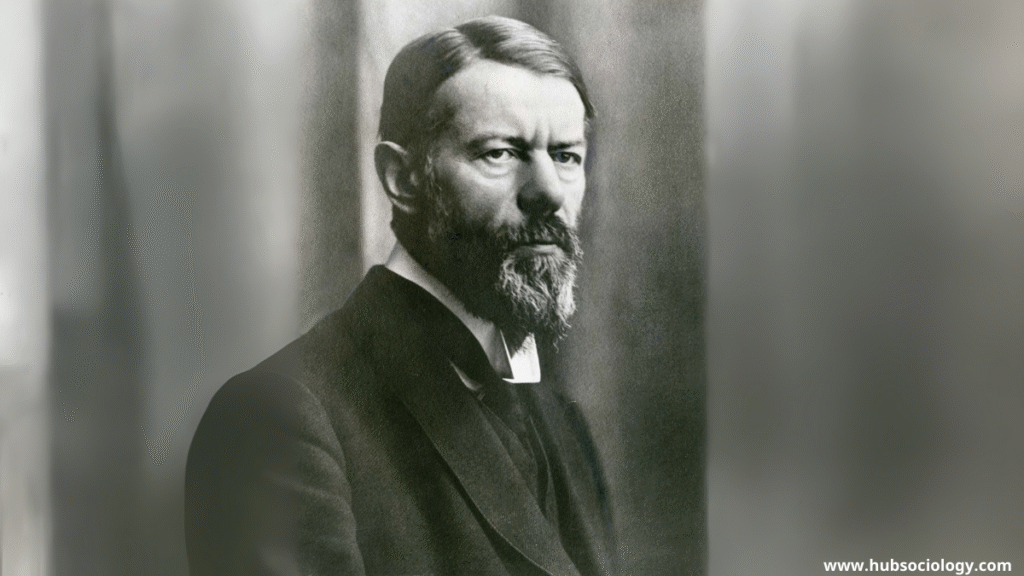
B. Max Weber
C. Émile Durkheim
D. Auguste Comte
✅ Answer: B
3. Alfred Schutz integrated sociology with which philosophical approach?
A. Pragmatism
B. Existentialism
C. Phenomenology
D. Structuralism
✅ Answer: C
4. The concept of “lifeworld” in Schutz’s theory refers to:
A. Economic structure
B. Objective social reality
C. Everyday world of lived experience
D. Political institutions
✅ Answer: C
5. Schutz borrowed phenomenology mainly from:
A. Martin Heidegger
B. Edmund Husserl
C. Jean-Paul Sartre
D. Maurice Merleau-Ponty
✅ Answer: B
6. According to Schutz, social reality is constructed through:
A. Social structures
B. Power relations
C. Shared meanings
D. Economic forces
✅ Answer: C
7. “Intersubjectivity” in Schutz’s theory means:
A. Individual isolation
B. Subjective bias
C. Shared understanding between individuals
D. Social conflict
✅ Answer: C
8. Schutz’s sociology is best described as:
A. Macro-structural
B. Quantitative
C. Phenomenological and interpretative
D. Positivist
✅ Answer: C
9. The idea of “typification” refers to:
A. Legal classification
B. Statistical grouping
C. Common-sense categories used in daily life
D. Biological classification
✅ Answer: C
10. Alfred Schutz expanded whose theory of social action?
A. Marx
B. Durkheim
C. Weber
D. Parsons
✅ Answer: C
11. Schutz emphasized understanding society from the viewpoint of:
A. Institutions
B. Elites
C. Ordinary actors
D. The state
✅ Answer: C
12. Hermeneutics mainly deals with:
A. Social facts
B. Interpretation of meaning
C. Statistical laws
D. Structural patterns
✅ Answer: B
13. Schutz’s work is closest to which level of analysis?
A. Macro
B. Meso
C. Micro
D. Global
✅ Answer: C
14. Which book is most associated with Alfred Schutz?
A. The Sociological Imagination
B. Phenomenology of the Social World
C. Suicide
D. The Presentation of Self
✅ Answer: B
15. Schutz criticized positivism mainly for:
A. Being too theoretical
B. Ignoring subjective meaning
C. Focusing on power
D. Supporting capitalism
✅ Answer: B
16. According to Schutz, common-sense knowledge is:
A. Scientific
B. Abstract
C. Taken for granted
D. Ideological
✅ Answer: C
17. Schutz believed social science should aim to:

A. Predict behavior
B. Control society
C. Understand meaning
D. Measure facts
✅ Answer: C
18. “Stock of knowledge” refers to:
A. Formal education
B. Scientific data
C. Accumulated everyday experiences
D. Economic resources
✅ Answer: C
19. Schutz’s interpretative approach is also called:
A. Positivist sociology
B. Phenomenological sociology
C. Structural sociology
D. Critical sociology
✅ Answer: B
20. Schutz viewed social reality as:
A. Objective and fixed
B. Natural and biological
C. Meaningfully constructed
D. Economically determined
✅ Answer: C
21. Schutz’s ideas influenced which sociological approach?
A. Ethnomethodology
B. Functionalism
C. Marxism
D. Feminism
✅ Answer: A
22. Which sociologist was directly influenced by Schutz?
A. Talcott Parsons
B. Harold Garfinkel
C. Robert Merton
D. Louis Althusser
✅ Answer: B
23. The “here and now” experience is central to:
A. Structuralism
B. Positivism
C. Phenomenology
D. Functionalism
✅ Answer: C
24. Schutz’s approach focuses on:
A. Social systems
B. Social action
C. Social structure
D. Social institutions
✅ Answer: B
25. Meaning in Schutz’s theory arises from:
A. Laws
B. Norms
C. Interaction
D. Authority
✅ Answer: C
26. Schutz differentiated between:
A. Rural and urban society
B. Objective and subjective meaning
C. Sacred and profane
D. Power and authority
✅ Answer: B
27. Schutz’s sociology emphasizes:
A. Explanation (Erklären)
B. Interpretation (Verstehen)
C. Experimentation
D. Quantification
✅ Answer: B
28. Hermeneutic tradition in sociology stresses:
A. Measurement
B. Causality
C. Interpretation
D. Prediction
✅ Answer: C
29. Schutz argued that actors rely on:
A. Scientific theories
B. Legal codes
C. Common-sense knowledge
D. Ideology
✅ Answer: C
30. Schutz’s work is considered a bridge between:
A. Marxism and feminism
B. Positivism and empiricism
C. Weberian sociology and phenomenology
D. Functionalism and conflict theory
✅ Answer: C
31. Schutz rejected the idea that social reality is:
A. Constructed
B. Meaningful
C. Value-free
D. Subjective
✅ Answer: C
32. For Schutz, understanding society requires understanding:
A. Structures
B. Laws
C. Actor’s motives
D. Institutions
✅ Answer: C
33. Schutz viewed time as:
A. Objective and fixed
B. Subjectively experienced
C. Biologically determined
D. Socially imposed
✅ Answer: B
34. Schutz’s theory belongs to:
A. Macro sociology
B. Interpretative paradigm
C. Positivist paradigm
D. Structural paradigm
✅ Answer: B
35. Schutz’s concept of “we-relationship” refers to:
A. Conflict
B. Face-to-face interaction
C. Bureaucracy
D. Authority
✅ Answer: B
36. Schutz argued that meaning is:
A. Universal
B. Natural
C. Contextual
D. Biological
✅ Answer: C
37. Schutz emphasized understanding:
A. Social laws
B. Social facts
C. Subjective experiences
D. Social systems
✅ Answer: C
38. Schutz’s sociology is best suited to study:
A. Markets
B. Bureaucracies
C. Everyday life
D. Political systems
✅ Answer: C
39. The hermeneutic circle involves:
A. Cause and effect
B. Theory and data
C. Part and whole interpretation
D. Structure and function
✅ Answer: C
40. Schutz opposed which method dominance in sociology?
A. Comparative
B. Historical
C. Natural science model
D. Case study
✅ Answer: C
41. Schutz believed sociology should be:
A. Value-neutral only
B. Experimental
C. Interpretative
D. Statistical
✅ Answer: C
42. Schutz’s contribution strengthened:
A. Critical theory
B. Feminist sociology
C. Interpretative sociology
D. Structural functionalism
✅ Answer: C
43. Schutz’s theory sees actors as:
A. Passive
B. Determined
C. Meaning-creating
D. Controlled
✅ Answer: C
44. Schutz emphasized which type of rationality?
A. Instrumental
B. Value rational
C. Practical rationality
D. Formal rationality
✅ Answer: C
45. Schutz’s sociology rejects:
A. Meaning
B. Subjectivity
C. Determinism
D. Interaction
✅ Answer: C
46. Schutz’s work is important for understanding:
A. Industrialization
B. Capitalism
C. Social action
D. Social change
✅ Answer: C
47. Schutz focused mainly on:

A. Macro structures
B. Statistical patterns
C. Everyday social reality
D. Global systems
✅ Answer: C
48. Schutz’s ideas are central to:
A. Interpretative paradigm
B. Positivist paradigm
C. Marxist paradigm
D. Feminist paradigm
✅ Answer: A
49. Schutz argued that reality is:
A. Fixed
B. Natural
C. Socially constructed
D. Biologically given
✅ Answer: C
50. Alfred Schutz’s contribution lies in linking:
A. Sociology and biology
B. Sociology and psychology
C. Sociology and phenomenology
D. Sociology and economics
✅ Answer: C
FAQs on Alfred Schutz (UGC NET–Oriented)
- Who was Alfred Schutz in sociology?
Alfred Schutz was a phenomenological sociologist known for developing interpretative sociology by integrating Max Weber’s social action theory with phenomenology. - Why is Alfred Schutz important for UGC NET Sociology?
Alfred Schutz is important for UGC NET because his ideas explain hermeneutic and interpretative traditions, especially concepts like lifeworld, intersubjectivity, and typification. - What is the main contribution of Alfred Schutz to sociology?
The main contribution of Alfred Schutz is the development of phenomenological sociology, focusing on subjective meaning and everyday social reality. - How did Alfred Schutz extend Max Weber’s ideas?
Alfred Schutz extended Weber’s concept of Verstehen by explaining how individuals construct meaning in daily life using common-sense knowledge. - What does ‘lifeworld’ mean according to Alfred Schutz?
In Alfred Schutz’s theory, the lifeworld refers to the everyday world of lived experiences that people take for granted while interacting socially. - What is intersubjectivity in Alfred Schutz’s theory?
Intersubjectivity in Alfred Schutz’s sociology means shared understanding and mutual meanings between individuals in social interaction. - What is typification according to Alfred Schutz?
Typification refers to the common-sense categories and classifications people use to understand others and social situations in everyday life. - Which philosophical tradition influenced Alfred Schutz the most?
Alfred Schutz was mainly influenced by phenomenology, especially the philosophy of Edmund Husserl. - How is Alfred Schutz related to the hermeneutic tradition?
Alfred Schutz contributed to the hermeneutic tradition by emphasizing interpretation of meaning rather than causal explanation in sociology. - Which sociological approaches were influenced by Alfred Schutz?
Alfred Schutz strongly influenced ethnomethodology, symbolic interactionism, and other micro-level interpretative approaches.