Introduction on social change in Montana
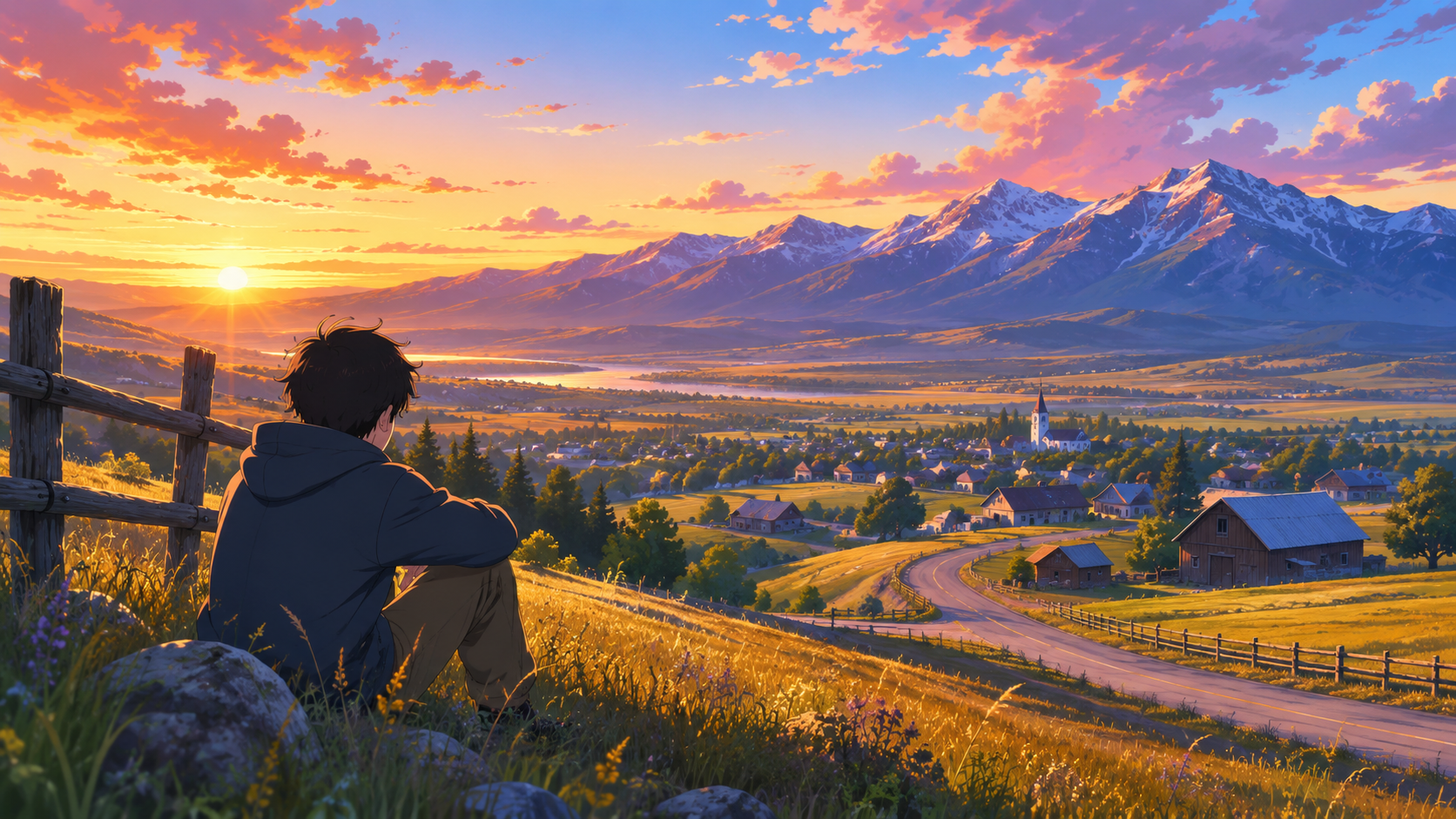
Rural isolation has long been one of the defining characteristics of many communities in Montana. Known as the “Big Sky Country,” Montana is celebrated for its breath-taking mountains, vast prairies, and low population density. However, behind these scenic landscapes lies a complex social reality where geographic remoteness shapes economic opportunities, educational access, healthcare services, community relationships, and cultural identity. Rural isolation in Montana is not simply a matter of distance; it is a sociological phenomenon that influences social structures, patterns of inequality, and processes of social change.
Montana has one of the lowest population densities in the United States, with many counties having fewer than five people per square mile. Residents often travel long distances for schools, hospitals, employment, and government services. While isolation fosters close-knit communities and strong local traditions, it also creates significant challenges, including population decline, youth migration, aging populations, digital inequality, labor shortages, and limited access to essential services.
From a sociological perspective, rural isolation can be understood through theories of structural functionalism, conflict theory, symbolic interactionism, social capital, and modernization. These perspectives help explain how rural communities adapt to economic restructuring, technological change, environmental challenges, and demographic transformation.
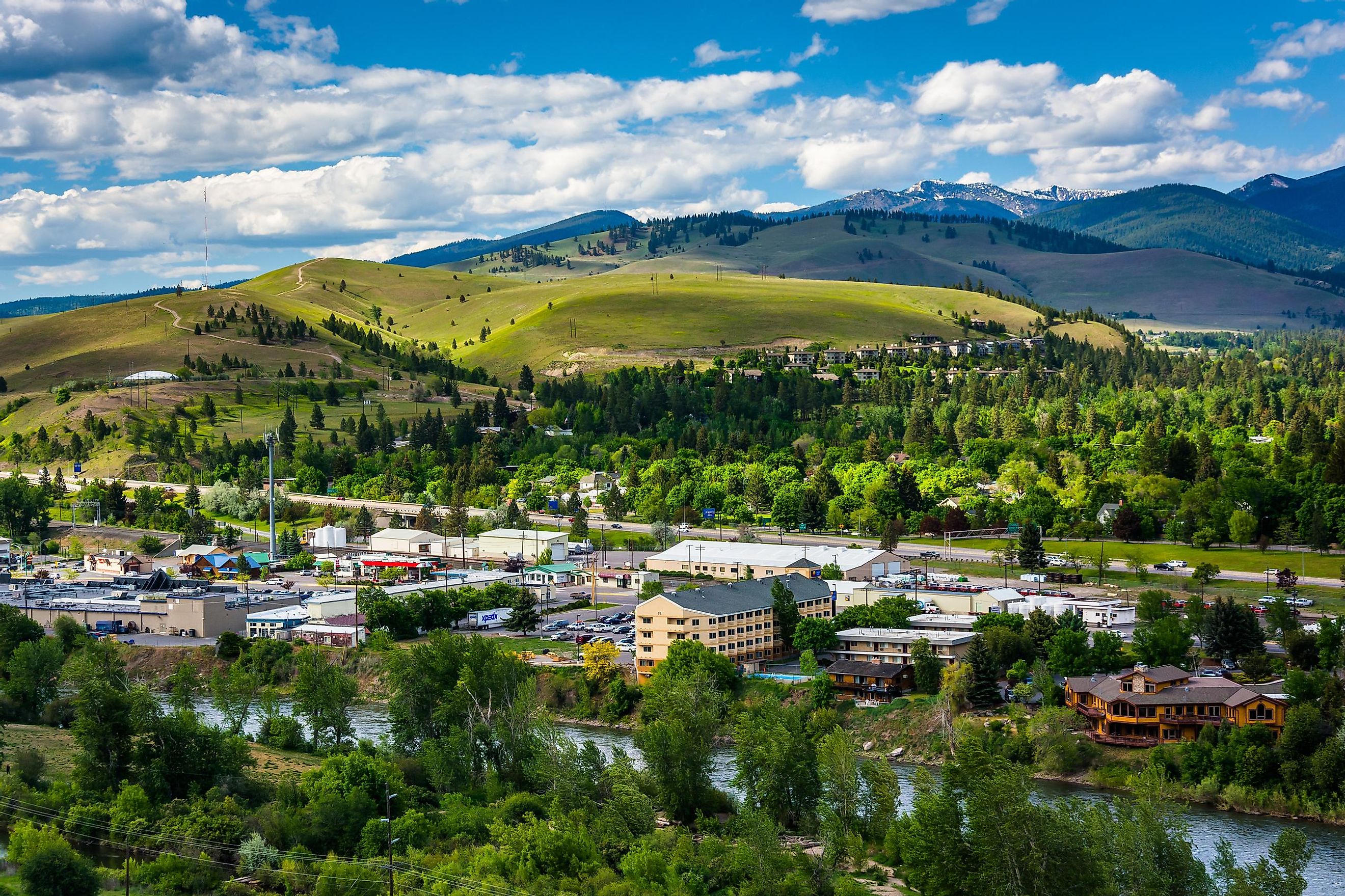
This article examines the sociological dimensions of rural isolation and social change in Montana. It explores historical developments, demographic patterns, economic transitions, education, healthcare, Indigenous communities, gender roles, digital transformation, environmental concerns, migration, community resilience, and policy implications while highlighting both challenges and opportunities for sustainable rural development.
Understanding Rural Isolation
Rural isolation refers to the physical, economic, social, and institutional separation experienced by people living in sparsely populated regions. In Montana, isolation is influenced by several factors:
- Large geographic distances
- Low population density
- Limited transportation infrastructure
- Restricted access to healthcare
- Fewer educational institutions
- Digital connectivity challenges
- Seasonal weather barriers
Isolation affects daily life far beyond transportation. It shapes employment opportunities, family relationships, political participation, cultural practices, and overall quality of life.
Unlike urban isolation, which may occur despite physical proximity, rural isolation often stems from actual geographic separation combined with limited institutional resources.
Historical Development of Rural Montana
Montana’s rural landscape emerged through ranching, farming, mining, and railroad expansion during the nineteenth century. Early settlements depended heavily on agriculture, livestock production, timber, and mineral extraction.
These industries created relatively stable rural communities where schools, churches, local businesses, and civic organizations formed the backbone of community life.
However, during the late twentieth century several transformations occurred:
- Agricultural mechanization reduced labor demand.
- Mining employment declined.
- Family farms consolidated.
- Young people migrated to cities.
- Small-town populations decreased.
- Service industries became increasingly important.
These structural shifts fundamentally changed Montana’s rural social organization.
Sociological Theories Explaining Rural Isolation
Structural Functionalism
Structural functionalists argue that every social institution contributes to social stability.
In Montana, families, schools, churches, volunteer organizations, and local governments perform essential functions despite limited resources. When schools close or hospitals disappear, the balance of rural communities is disrupted.
The theory suggests that social change requires institutions to adapt rather than disappear.
Conflict Theory
Conflict theorists emphasize inequality and unequal access to resources.
From this perspective, rural isolation reflects unequal distribution of:
- Economic investment
- Political influence
- Healthcare
- Broadband infrastructure
- Educational opportunities
Urban regions often receive greater investment while rural communities experience declining services.
Symbolic Interactionism
Symbolic interactionists examine everyday social interactions.
Residents of isolated Montana communities often develop strong local identities built around:
- Farming traditions
- Ranch culture
- Community festivals
- Local schools
- Shared history
These identities reinforce belonging while also influencing attitudes toward newcomers and modernization.
Social Capital Theory
Robert Putnam’s concept of social capital is particularly relevant.
Many Montana communities possess strong bonding social capital through:
- Volunteer fire departments
- Churches
- Cooperative farming
- Local associations
- Community fundraising
However, bridging social capital connecting rural communities to wider economic networks may be weaker.
Demographic Changes in Montana

Montana’s population has undergone significant demographic transformation.
Major trends include:
- Aging rural populations
- Declining birth rates
- Youth outmigration
- Growth near urban centers
- Increasing retirement migration
- Rising housing costs in desirable rural regions
Young adults frequently leave rural communities for higher education and employment opportunities.
This migration reduces workforce availability and weakens long-term community sustainability.
Economic Transformation
Historically, Montana’s rural economy depended on:
- Agriculture
- Ranching
- Forestry
- Mining
Today, economic diversification has become increasingly important.
Growing sectors include:
- Tourism
- Outdoor recreation
- Renewable energy
- Healthcare
- Remote work
- Small entrepreneurship
Despite diversification, many rural counties continue experiencing limited employment options and lower average incomes than urban regions.
Agriculture and Social Change
Agriculture remains central to Montana’s identity.
However, farming has experienced dramatic transformation through:
- Precision agriculture
- GPS technology
- Large-scale mechanization
- Climate adaptation
- Market globalization
Family farms increasingly compete with larger agricultural enterprises.
This economic restructuring alters:
- Family labor patterns
- Rural employment
- Community demographics
- Local business sustainability
Agriculture continues to shape rural culture even as its share of employment declines.
Rural Healthcare Challenges

Healthcare access represents one of the greatest consequences of rural isolation.
Many Montana residents travel hours for specialized care.
Common challenges include:
- Physician shortages
- Hospital closures
- Mental health service shortages
- Emergency response delays
- Limited maternity care
Telemedicine has improved healthcare accessibility, although broadband limitations continue restricting its effectiveness.
Healthcare inequalities contribute directly to broader social inequalities.
Education and Rural Schools
Schools serve as major community institutions in rural Montana.
Small schools often function as:
- Educational centers
- Community meeting spaces
- Cultural institutions
- Recreational facilities
Yet declining enrollment threatens many schools.
Students often face:
- Long bus rides
- Limited advanced coursework
- Teacher shortages
- Restricted extracurricular activities
Distance learning and digital education have expanded opportunities while also exposing digital inequality.
Digital Divide and Technological Change
High-speed internet has become essential for education, employment, healthcare, and communication.
Many rural Montana communities continue facing:
- Slow internet
- Limited broadband infrastructure
- High connectivity costs
- Poor mobile coverage
The digital divide contributes to educational inequality, economic disadvantages, and reduced civic participation.
Expanding broadband is increasingly viewed as a critical component of rural development.
Indigenous Communities and Rural Isolation
Montana is home to several Native American reservations that experience unique forms of rural isolation.
Historical colonization, forced displacement, and institutional discrimination continue influencing social conditions.
Many Indigenous communities face:
- Higher poverty rates
- Limited healthcare
- Educational inequality
- Infrastructure challenges
- Employment barriers
At the same time, tribal governments actively promote:
- Cultural revitalization
- Language preservation
- Economic development
- Community education
- Environmental stewardship
Indigenous resilience remains a vital part of Montana’s social landscape.
Gender Roles in Rural Montana
Gender relations are evolving alongside broader social change.
Traditional rural communities often emphasized:
- Male agricultural labor
- Female caregiving
- Family farming partnerships
Today, women increasingly participate in:
- Business ownership
- Local government
- Healthcare professions
- Education
- Entrepreneurship
Changing gender roles contribute to greater social diversity while challenging traditional expectations.
Youth Migration and Brain Drain
One of Montana’s greatest rural challenges is youth outmigration.
Young adults leave seeking:
- Universities
- Professional careers
- Higher salaries
- Urban amenities
This “brain drain” produces:
- Aging communities
- Labor shortages
- School enrollment decline
- Reduced innovation
Communities increasingly seek strategies that encourage young residents to remain or return after completing education.
Aging Population
Many rural Montana counties have growing elderly populations.
Older residents contribute valuable experience and community leadership.
However, population aging increases demand for:
- Healthcare
- Transportation
- Assisted living
- Home care
- Social services
Communities must adapt to changing demographic needs while maintaining economic sustainability.
Housing and Rural Development
Housing availability has become an important issue.
Population growth in scenic areas has increased demand for:
- Vacation homes
- Retirement properties
- Tourism accommodations
Consequently, housing affordability has declined for many local workers.
Higher housing costs may encourage younger families to relocate elsewhere.
Community Identity and Social Cohesion
Despite isolation, Montana’s rural communities often display remarkable social cohesion.
Community identity develops through:
- Shared history
- Local traditions
- Agricultural heritage
- School sports
- Religious organizations
- Volunteerism
High levels of trust strengthen collective problem-solving and community resilience.
However, demographic change and migration sometimes create tensions between long-term residents and newcomers.
Environmental Change and Rural Society
Environmental conditions strongly influence rural life.
Montana communities increasingly experience:
- Wildfires
- Drought
- Water scarcity
- Climate variability
- Ecosystem changes
These environmental pressures affect:
- Ranching
- Farming
- Tourism
- Wildlife management
- Community planning
Sociologists recognize climate adaptation as both an environmental and social challenge.
Tourism and Cultural Transformation
Tourism has become an increasingly important economic sector.
National parks, outdoor recreation, fishing, hunting, and skiing attract visitors worldwide.
Benefits include:
- Employment
- Local business growth
- Infrastructure investment
However, tourism also contributes to:
- Rising housing costs
- Seasonal employment
- Cultural commercialization
- Resource pressure
Balancing tourism growth with community preservation remains a significant policy challenge.
Social Networks in Rural Communities
Strong interpersonal relationships characterize many Montana communities.
Residents frequently depend on informal networks for:
- Emergency assistance
- Childcare
- Agricultural cooperation
- Transportation
- Volunteer services
These networks increase resilience during economic hardship and natural disasters.
However, shrinking populations may weaken traditional support systems over time.
Political Participation
Rural isolation influences political behavior.
Residents often advocate for:
- Agricultural support
- Land rights
- Infrastructure investment
- Water management
- Rural healthcare
- Educational funding
Local civic participation remains relatively high despite declining populations, reflecting strong community engagement.
The Role of Nonprofit Organizations
Nonprofit organizations increasingly fill service gaps left by declining public resources.
They contribute to:
- Food security
- Youth programs
- Healthcare outreach
- Community development
- Housing assistance
- Disaster recovery
Partnerships between nonprofits, local governments, and community organizations strengthen rural resilience.
Remote Work and New Opportunities
The expansion of remote work has created new possibilities for rural Montana.
Professionals can increasingly live in rural communities while working for employers elsewhere.
Potential benefits include:
- Population stabilization
- Higher household incomes
- Business creation
- Increased tax revenue
Success depends largely on reliable broadband infrastructure and affordable housing.
Community Resilience
Resilience refers to the capacity of communities to adapt to change while maintaining social cohesion.
Montana communities demonstrate resilience through:
- Volunteerism
- Local leadership
- Cooperative organizations
- Community fundraising
- Agricultural innovation
- Cultural preservation
Resilience does not eliminate structural inequalities but helps communities respond to them effectively.
Government Policies Supporting Rural Development
Several policy areas can reduce rural isolation:
- Broadband expansion
- Rural healthcare investment
- Educational funding
- Transportation improvements
- Affordable housing initiatives
- Small business support
- Renewable energy development
Integrated rural development policies should recognize both economic and social dimensions of isolation.
Future Directions
Montana’s rural future will likely be shaped by:
- Technological innovation
- Climate adaptation
- Population migration
- Digital infrastructure
- Renewable energy
- Indigenous leadership
- Remote employment
- Sustainable agriculture
Successful development will require balancing modernization with preservation of rural identity and community values.
Conclusion
Rural isolation in Montana is far more than a geographic condition; it is a multifaceted sociological reality that shapes community life, economic opportunities, education, healthcare, political participation, and cultural identity. While isolation presents significant challenges—including population decline, healthcare shortages, educational inequality, digital exclusion, and labor shortages—it also fosters resilience, strong social networks, local cooperation, and a deep sense of belonging.
Sociological perspectives demonstrate that rural isolation results from interactions among historical development, economic restructuring, demographic change, institutional capacity, and environmental conditions. Structural functionalism highlights the importance of rural institutions in maintaining community stability, conflict theory reveals inequalities in resource distribution, symbolic interactionism explains the construction of rural identity, and social capital theory emphasizes the strength of community relationships.
Montana’s rural communities continue adapting to rapid technological, economic, and demographic transformations. Expanding broadband access, strengthening healthcare systems, supporting education, encouraging sustainable agriculture, promoting Indigenous leadership, and investing in affordable housing will be essential for ensuring long-term rural vitality.
Ultimately, understanding rural isolation through a sociological lens reveals not only the challenges faced by Montana’s rural residents but also the remarkable resilience, adaptability, and social solidarity that continue to define life across the state’s diverse rural landscapes. By addressing structural inequalities while preserving community strengths, Montana can build a more inclusive and sustainable future for its rural populations.
FAQs
1. What is social change in Montana?
Social Change in Montana refers to the transformation of the state’s social, economic, cultural, and demographic structures over time. These changes are influenced by migration, technology, education, healthcare, environmental factors, and shifts in employment.
2. What causes social change in Montana’s rural communities?
Major drivers of Social Change in Montana include population migration, agricultural modernization, climate change, digital technology, economic diversification, tourism, and changing family structures.
3. How does rural isolation influence social change in Montana?
Rural isolation affects access to education, healthcare, employment, and technology, making Social Change in Montana both slower and more challenging in remote communities.
4. How has migration affected social change in Montana?
Migration has reshaped Montana by increasing population in some regions while causing population decline in many rural counties, significantly contributing to Social Change in Montana.
5. What role does technology play in social change in Montana?
Improved internet access, telemedicine, online education, and remote work have accelerated Social Change in Montana, especially in isolated rural areas.
6. How is agriculture contributing to social change in Montana?
Modern farming technologies, larger agricultural operations, and changing labor demands have transformed rural economies and influenced Social Change in Montana.
7. Why are young people leaving rural Montana?
Many young residents leave for higher education and better employment opportunities, contributing to demographic shifts and Social Change in Montana.
8. How does tourism affect social change in Montana?
Tourism creates jobs and economic growth but also increases housing costs, alters local cultures, and influences Social Change in Montana.
9. What challenges do Indigenous communities face regarding social change in Montana?
Indigenous communities experience unique challenges related to historical inequality, healthcare, education, and economic opportunities while actively preserving cultural traditions amid Social Change in Montana.
10. How does healthcare access impact social change in Montana?
Limited rural healthcare services influence population stability, quality of life, and overall Social Change in Montana, especially in remote communities.
11. How has education influenced social change in Montana?
Expanding educational opportunities, online learning, and improved school access have supported workforce development and encouraged positive Social Change in Montana.
12. What is the relationship between climate change and social change in Montana?
Climate-related challenges such as droughts, wildfires, and changing agricultural conditions have reshaped rural livelihoods, contributing to ongoing Social Change in Montana.
13. How does remote work contribute to social change in Montana?
Remote work enables professionals to live in rural communities while working for employers elsewhere, creating new economic opportunities and accelerating Social Change in Montana.
14. What policies can support positive social change in Montana?
Investments in broadband, affordable housing, rural healthcare, education, transportation, and sustainable economic development can strengthen Social Change in Montana.
15. What is the future of social change in Montana?
The future of Social Change in Montana will likely depend on technological innovation, community resilience, environmental adaptation, economic diversification, and inclusive public policies that support both rural and urban populations.