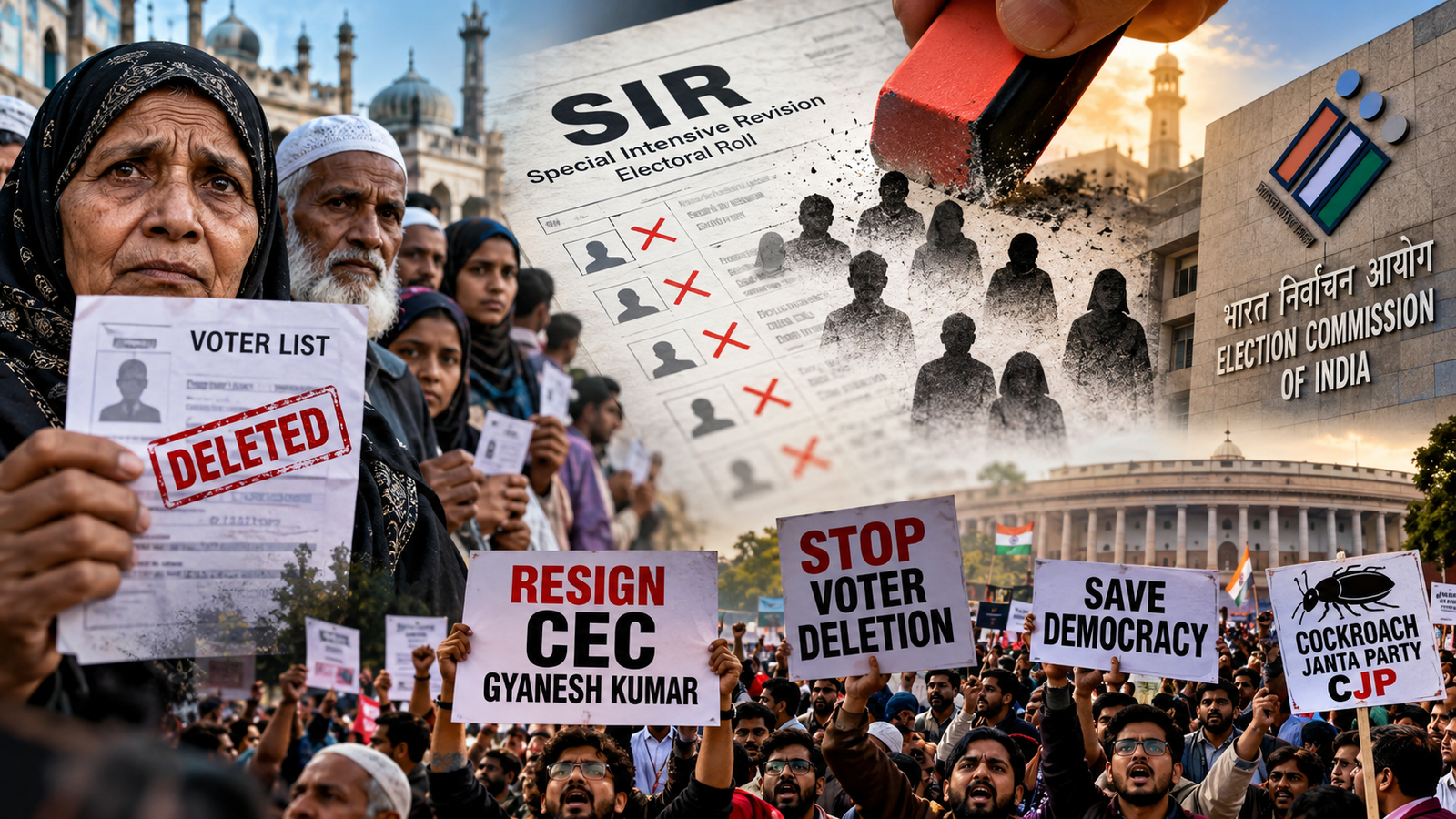
India’s Special Intensive Revision (SIR) has evolved from an electoral-roll revision exercise into a major public debate over citizenship, political participation, institutional accountability and the rights of marginalised communities. The Election Commission of India (ECI) says the central objective is to ensure that no eligible citizen is excluded and no ineligible person is included in electoral rolls.
Critics, however, argue that the scale of verification, documentation requirements and deletion of names may create disproportionate difficulties for poorer, migrant and minority citizens.
The controversy has intensified in recent weeks. Opposition parties and civil-society groups have staged protests demanding greater transparency and, in several cases, the resignation of Chief Election Commissioner Gyanesh Kumar. At the same time, allegations of mass or fraudulent use of Form 7 to seek deletion of voters—including Muslim voters in Karnataka—have added a new dimension to the controversy. These allegations are being investigated or contested and should not automatically be treated as proven electoral manipulation.
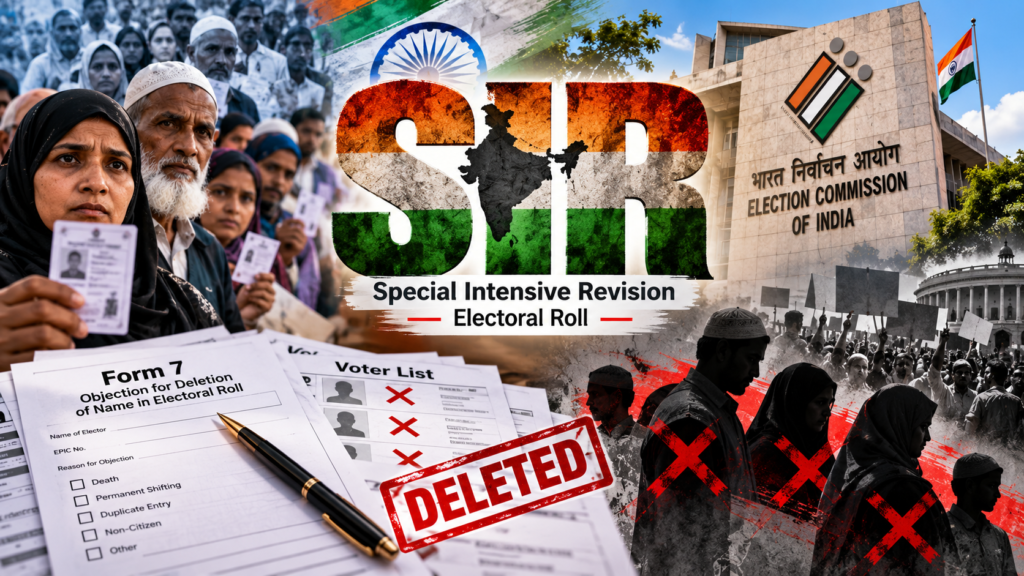
SIR and the Politics of Electoral Inclusion
The fundamental purpose of electoral-roll revision is not controversial in itself. Electoral rolls have to be updated because people die, migrate, become eligible to vote, change residence or appear more than once on the roll.
The ECI’s official Form 7 specifically allows an elector to object to another person’s inclusion or seek deletion on grounds including death, being underage, permanent shifting, duplicate enrolment or non-citizenship. The applicant is required to provide the reason and is legally responsible for the declaration. False statements can attract punishment under Section 31 of the Representation of the People Act, 1950.
The critical question, therefore, is not whether Form 7 should exist.
It is:
What happens when the mechanism intended to correct electoral rolls is allegedly used in bulk against eligible voters?
That question has become particularly important during the current SIR controversy.
The Form 7 Controversy: When Electoral Correction Becomes a Potential Instrument of Exclusion
One of the most serious recent allegations concerns the bulk filing of Form 7 applications.
Form 7 is a legitimate mechanism. An ordinary elector can use it to object to another person’s inclusion or request deletion when there is a legally recognised reason.
But reports from Karnataka have documented allegations that large numbers of Form 7 applications were submitted against existing voters, including substantial numbers of Muslim electors.
In Bidar’s Bhalki constituency, residents alleged that more than 500 applications were filed across several polling stations, with particularly large numbers of Muslim voters reportedly facing objections. In some cases, residents said the applicants were not from the locality and that the applications contained voters’ names and EPIC numbers.
In another reported case in Ujire, 82 Form 7 applications were filed seeking deletion of Muslim voters, while one political claimant reported 279 applications across 16 polling stations.
These reports are serious, but an important distinction must be maintained:
A Form 7 application is not itself a deletion.
The ECI’s system requires electoral officials to process and verify applications. The Karnataka Chief Electoral Officer subsequently directed officials not to approve Form 7 applications concerning death or duplicate entries without supporting evidence, according to reporting on the October 2 developments.
Why the Alleged Targeting of Muslim Voters Is Sociologically Important
The reported concentration of objections against Muslim voters raises a larger sociological question.
If the same administrative mechanism is disproportionately used against a particular religious community, three possibilities need to be investigated:
- Geographical explanation — Are the affected communities concentrated in constituencies with unusually high migration or duplicate-registration problems?
- Administrative explanation — Were verification procedures applied inconsistently?
- Intentional targeting — Were applications deliberately submitted to remove eligible voters from a particular community?
The third proposition requires evidence. It should not be assumed merely because the affected voters are disproportionately Muslim.
But neither should the pattern be dismissed without investigation.
That is precisely why independent auditing of Form 7 applications is important.
The Social Meaning of Bulk Deletion Attempts
The significance goes beyond the immediate loss of individual votes.
For minority communities, particularly those already experiencing concerns about documentation and citizenship, repeated challenges to their electoral status can generate a wider sense of institutional insecurity.
The sociological chain can be expressed as:
Documentation uncertainty → Electoral uncertainty → Political insecurity → Reduced institutional trust
This does not establish that SIR is intentionally designed to produce such insecurity.
Rather, it demonstrates how an administrative process can acquire a broader social meaning among communities that already perceive themselves as vulnerable.
Recent Anti-SIR Protests
The controversy has now moved from courtrooms and political meetings to the streets.
On October 2, 2026, thousands gathered in Mumbai for a protest associated with the Cockroach Janta Party (CJP), demanding the resignation of Chief Election Commissioner Gyanesh Kumar and raising concerns about voter-list revisions.
The following day, October 3, protests also took place in New Delhi, where police detained protesters after attempts to gather near Jantar Mantar. Reuters reported that the demonstrations involved CJP supporters and allied opposition groups and focused on allegations concerning voter-roll changes.
Separately, Delhi Police registered FIRs concerning the October 2 protest activity, according to The Indian Express.
These developments demonstrate that SIR has become more than a technical electoral-administration question.
It has become a contested issue of democratic legitimacy.
Opposition Parties and the Demand for CEC’s Resignation
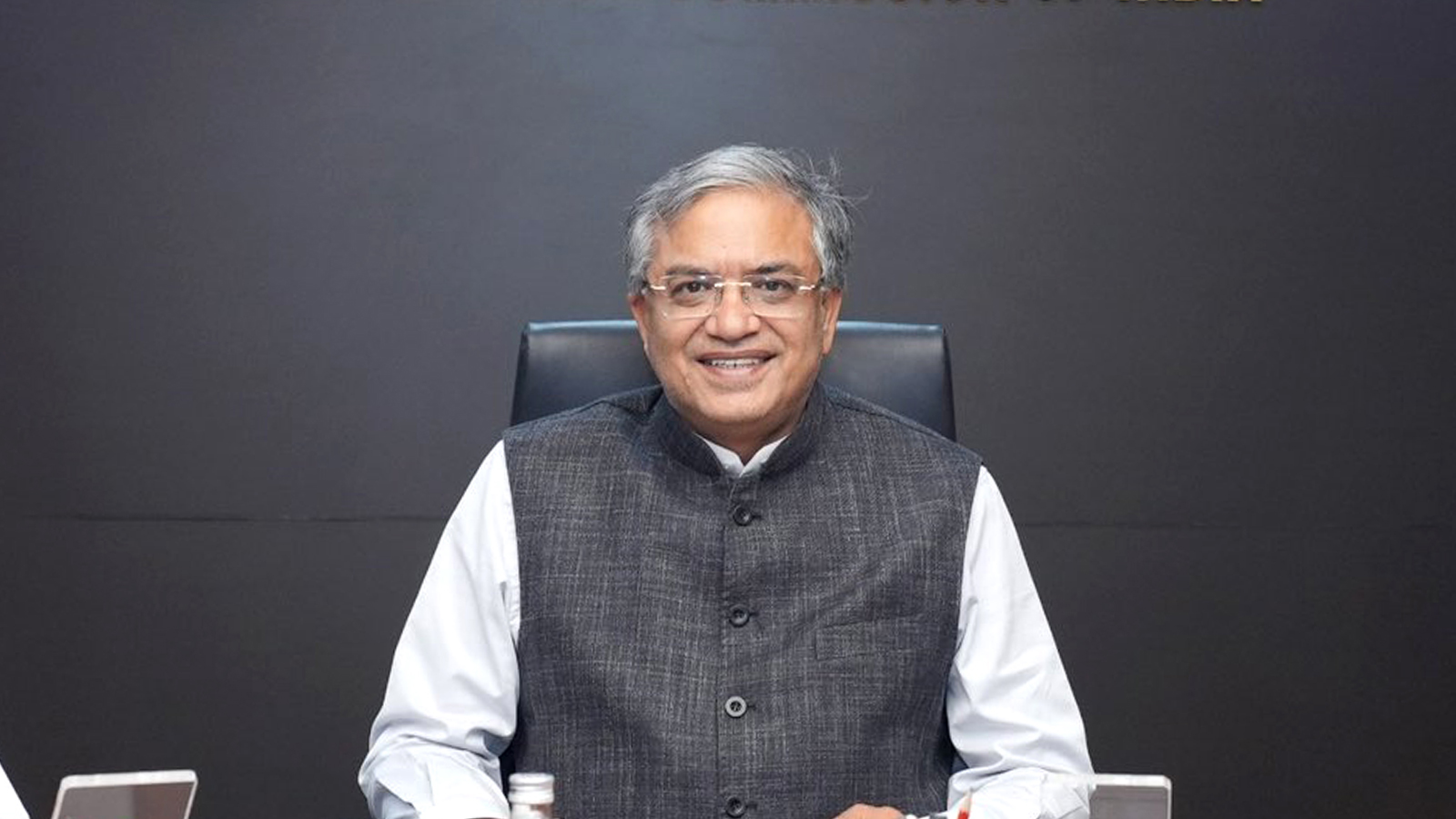
Opposition parties have increasingly connected their criticism of SIR with demands for the resignation of Chief Election Commissioner Gyanesh Kumar.
For example, RJD workers protested in Ranchi and demanded Kumar’s resignation, while Congress-led protests in Karnataka focused on allegations concerning bulk Form 7 submissions.
The opposition’s argument is essentially that the Election Commission has not provided sufficient transparency regarding the scale and administration of electoral-roll changes.
The Election Commission and government have rejected allegations of politically motivated manipulation and maintain that SIR is intended to protect electoral-roll integrity.
This disagreement should be presented as a contested political claim, rather than as an established fact.
Cockroach Janta Party and the New Politics of Electoral Accountability
The emergence of the Cockroach Janta Party (CJP) adds another interesting dimension to the SIR debate.
The organisation has demanded the resignation of CEC Gyanesh Kumar and called for an independent investigation into decisions associated with SIR. It has also demanded a freeze on SIR-related exclusions and restoration of the January 2025 electoral roll pending verification.
The CJP’s intervention is sociologically significant because it demonstrates how youth-led political mobilisation can expand from employment and education issues into questions concerning democratic institutions and electoral administration.
However, its allegations and demands should be identified as the organisation’s political position, rather than treated as independently established findings.
The Question of Institutional Independence
The controversy has also raised questions about the internal functioning of the Election Commission.
The Indian Express reported that Election Commissioners Sukhbir Singh Sandhu and Vivek Joshi had formally objected on multiple occasions to decisions concerning voter registration, deletions and centralised electoral data systems. The report said the objections covered at least 14 instances over approximately ten months.
The Election Commission disputed aspects of this reporting, describing the situation as differences in views and deliberations rather than the characterisation of formal dissent suggested by some reports.
This creates another important institutional question:
How much transparency should an independent constitutional institution provide when making decisions that can directly affect millions of citizens’ electoral status?
That question is legitimate irrespective of political party.
Why Muslims Are at the Centre of the Debate
The controversy surrounding Muslim voters cannot be separated from India’s broader social context.
Three different phenomena need to be distinguished:
1. Religious identity
Being Muslim does not make someone more or less eligible to vote.
2. Socio-economic vulnerability
Poor and marginalised citizens may face greater documentation and administrative difficulties regardless of religion.
3. Political geography
Muslim populations are concentrated in particular regions and constituencies, which can produce geographical patterns in electoral data.
Therefore, finding more deletions among Muslim voters does not automatically prove religious discrimination.
But if statistical analysis shows a persistent and unexplained disproportionate impact, that becomes an important issue for democratic oversight.
SIR and the Fear of “Administrative Disenfranchisement”
The concept of administrative disenfranchisement is particularly useful here.
Traditional disenfranchisement often involves an explicit legal prohibition.
Administrative disenfranchisement can occur more indirectly:
Complex documentation → failure to complete verification → exclusion from roll → loss of voting opportunity
The crucial question becomes whether citizens had a realistic opportunity to challenge their exclusion.
The ECI provides mechanisms for claims, objections and appeals, including the ability to appeal against decisions of Electoral Registration Officers.
But the existence of an appeal mechanism is not sufficient by itself.
A sociological analysis must ask:
- Do citizens know about the mechanism?
- Can they access it?
- Can they afford the associated costs?
- Can elderly citizens navigate it?
- Can migrant workers return in time?
- Can people without digital literacy use it?
- Are minority-language communities adequately informed?
These questions determine whether formal rights become substantive rights.
The Larger Democratic Problem
The SIR controversy reveals a fundamental tension between two democratic objectives:
Electoral integrity
The electoral roll should not contain:
- duplicate voters;
- deceased voters;
- permanently shifted voters;
- ineligible persons.
Electoral inclusion
At the same time, eligible citizens should not be removed because of:
- administrative mistakes;
- inadequate documentation;
- fraudulent objections;
- migration;
- inability to navigate bureaucracy.
A democratic system must protect both principles simultaneously.
Conclusion: SIR as a Test of Democratic Citizenship
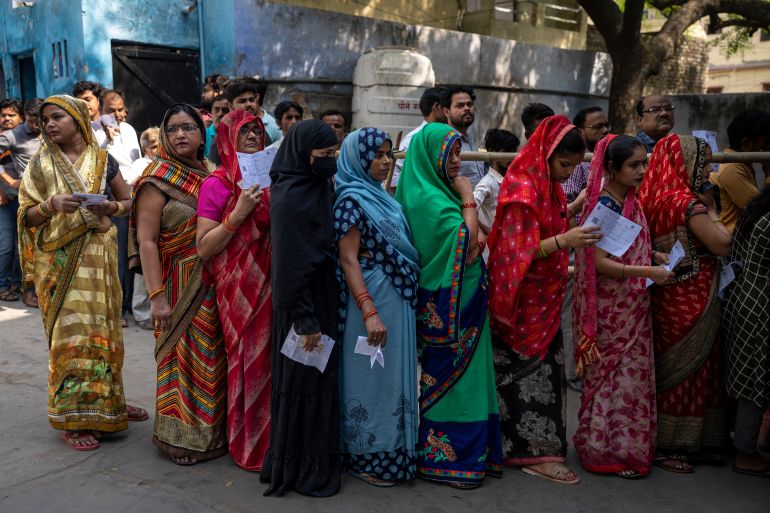
The controversy surrounding India’s SIR is ultimately not merely about voter-list revision.
It is about who can remain politically visible to the state.
The recent protests, opposition demands for the resignation of CEC Gyanesh Kumar, the mobilisation of the Cockroach Janta Party, and allegations concerning bulk Form 7 applications have transformed SIR into a wider debate about institutional accountability.
The reported cases involving Muslim voters in Karnataka make the issue particularly sensitive. There are documented reports of large numbers of Form 7 applications being submitted against Muslim voters, but allegations that these constituted a coordinated or unlawful campaign require investigation rather than assumption. The Karnataka election authorities have indicated that Form 7 objections require verification and have moved toward legal action where false claims are alleged.
The critical sociological question is therefore:
Can an electoral system simultaneously eliminate genuinely ineligible entries and protect every eligible citizen from arbitrary or fraudulent exclusion?
That is the real test of SIR.
For religious minorities, the stakes are particularly significant because electoral inclusion is not merely an administrative status. It is a practical expression of equal citizenship.
A credible SIR therefore requires not only accurate databases but also transparency, independent verification, accessible appeals, protection against fraudulent Form 7 applications, public disclosure of deletion patterns, and special attention to communities vulnerable to documentary and administrative exclusion.
In this sense, the SIR debate is ultimately a debate about the meaning of democracy itself:
Is citizenship merely a legal status recorded in a database, or is it a lived political right that the state has a responsibility to protect?
FAQs
1. What is SIR in India?
SIR stands for Special Intensive Revision of electoral rolls. It is an Election Commission exercise to verify and update voter lists.
2. Why has SIR become controversial?
SIR has attracted criticism because of concerns about voter deletions, documentation requirements, migrant voters, minority representation and the transparency of the verification process.
3. How can SIR affect religious minorities?
Religious minorities may be affected if documentation, migration, poverty or administrative barriers disproportionately affect communities concentrated in particular regions. However, disproportionate impact must be established through reliable data.
4. What is Form 7 in the electoral system?
Form 7 is used to object to another person’s inclusion in the electoral roll or request deletion on specified grounds such as death, permanent shifting or duplicate enrolment.
5. What are the allegations concerning bulk Form 7 applications?
There have been reports and allegations of large numbers of Form 7 applications being submitted against voters, including Muslim voters in some areas. Such allegations require verification and should not automatically be treated as proven electoral fraud.
6. Can Form 7 automatically delete someone’s name?
No. A Form 7 application is an objection or request for deletion. Electoral authorities are required to examine and decide the matter according to the prescribed procedure.
7. Why are Muslim voters particularly discussed in the SIR debate?
Analyses and political claims have suggested that Muslim voters may have experienced disproportionate effects in some areas. However, religion is not ordinarily recorded as a category in electoral-roll data, making independent assessment methodologically challenging.
8. What is administrative disenfranchisement?
Administrative disenfranchisement refers to the possibility that an eligible citizen loses practical access to voting because of administrative barriers, documentation problems, errors or difficulties navigating the electoral system.
9. Have opposition parties protested against SIR?
Yes. Opposition parties and other political groups have organised protests and criticised aspects of SIR, including voter deletions and the Election Commission’s handling of the revision.
10. Why are some opposition parties demanding the CEC’s resignation?
Some opposition parties have argued that the Election Commission has not provided sufficient transparency or accountability regarding SIR and electoral-roll changes. The demand for resignation is a political position, not an established finding of wrongdoing.
11. What is the Cockroach Janta Party’s position on SIR?
The Cockroach Janta Party (CJP) has publicly criticised SIR and demanded greater electoral transparency, including accountability from the Election Commission. Its allegations and demands represent the party’s political position and should be distinguished from independently verified findings.
12. Does SIR prove discrimination against Muslims?
No. Evidence of disproportionate impact can raise legitimate questions about possible inequality, but it does not by itself establish discriminatory intent. Individual deletion reasons and administrative procedures need to be examined.
13. How can SIR affect migrant workers?
Migrant workers may face difficulties because their permanent electoral registration, current residence and employment location can differ. Returning home for verification or accessing documentation can also create practical barriers.
14. Why is SIR important from a sociological perspective?
SIR provides a way to study citizenship, documentation, social inequality, migration, religious identity, political participation and the relationship between citizens and state institutions.
15. What is the biggest democratic concern surrounding SIR?
The central concern is balancing electoral-roll accuracy with protection against wrongful exclusion. A credible electoral system needs both clean voter lists and effective protection of every eligible citizen’s right to vote.