
Introduction
Education has long been regarded as one of the most powerful instruments for achieving social equality. In democratic societies, educational institutions are expected to provide individuals with equal opportunities regardless of their social, economic, racial, or cultural backgrounds. The state of Minnesota in the United States presents an interesting case for examining the relationship between education and social equality. Minnesota is often recognized for its high educational standards, strong public institutions, and commitment to social welfare. However, like many modern societies, it also faces significant challenges related to educational inequality, racial disparities, income differences, and unequal access to educational resources.
From a sociological perspective, education is not merely a process of acquiring knowledge. It is a social institution that shapes individual identities, transmits cultural values, and influences social mobility. Sociologists study how educational systems contribute to either reducing or reproducing social inequalities. In Minnesota, educational achievements coexist with persistent gaps among different social groups, making it an important area for sociological analysis.
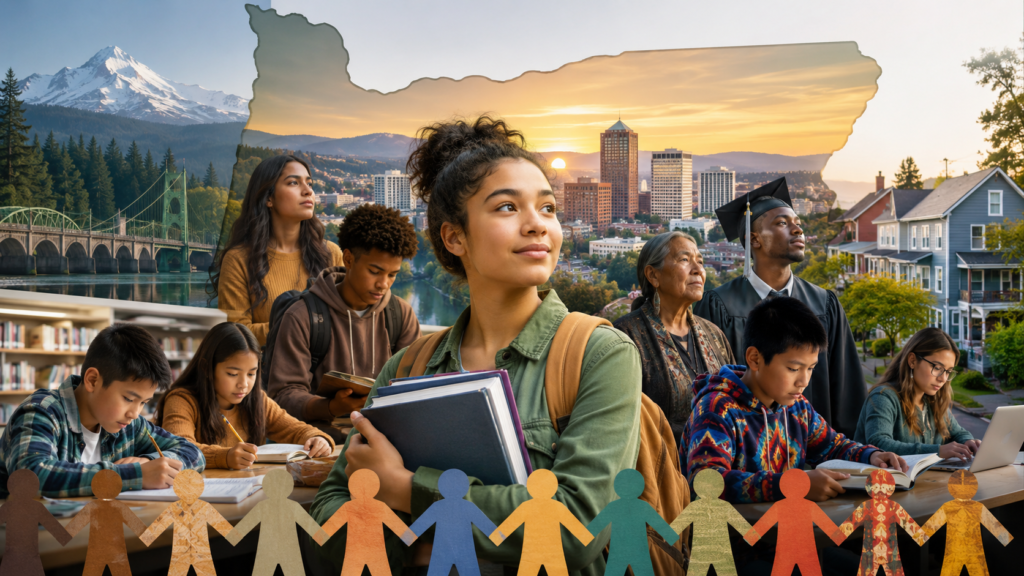
This article explores the relationship between education and social equality in Minnesota by examining historical developments, theoretical perspectives, structural inequalities, racial disparities, economic influences, policy initiatives, and future challenges.
Table of Contents
Understanding Social Equality Through Education
Social equality refers to a condition in which individuals have equal opportunities, rights, and access to social resources regardless of their social characteristics. Education is often considered the primary pathway toward achieving such equality because it can provide skills, knowledge, and credentials necessary for social advancement.
Sociologists argue that education serves multiple functions in society. It prepares individuals for participation in the labor market, promotes civic engagement, and fosters social integration. When educational opportunities are distributed fairly, education can help reduce poverty, enhance social mobility, and strengthen democratic participation.

In Minnesota, educational institutions are viewed as essential mechanisms for promoting social equality. Public schools, colleges, and universities aim to provide accessible education to diverse populations. However, sociological studies reveal that equal access does not always result in equal outcomes.
Historical Development of Education in Minnesota
Minnesota has a long history of investment in public education. Since the nineteenth century, state leaders have emphasized the importance of universal schooling as a foundation for economic growth and democratic citizenship.
The expansion of public schools during the twentieth century increased literacy rates and educational attainment. State-funded educational programs helped ensure that children from different communities could attend school regardless of family income.
The establishment of institutions such as the University of Minnesota contributed significantly to higher education opportunities. Over time, educational reforms focused on improving quality, accessibility, and inclusiveness.
Despite these achievements, historical inequalities affected educational experiences among Indigenous communities, African Americans, immigrant populations, and low-income families. These historical patterns continue to influence contemporary educational outcomes.
Sociological Theories and Educational Equality
Functionalist Perspective
Functionalist sociologists view education as a mechanism that promotes social cohesion and stability. According to this perspective, schools teach shared values, social norms, and skills necessary for societal functioning.
In Minnesota, public education contributes to social integration by bringing together students from diverse backgrounds. Schools encourage civic participation, cultural understanding, and preparation for employment.
Functionalists argue that educational achievement should be based on merit. If educational opportunities are accessible to all, talented individuals can advance regardless of their social origins.
Conflict Theory
Conflict theorists present a different perspective. They argue that educational systems often reproduce existing social inequalities rather than eliminate them.
According to this approach, students from affluent families possess greater access to educational resources, tutoring, technology, and social networks. As a result, they often achieve better academic outcomes than students from disadvantaged backgrounds.
In Minnesota, disparities in school funding, neighborhood resources, and family income can contribute to unequal educational experiences. Conflict theorists see these inequalities as reflections of broader social and economic structures.
Symbolic Interactionism
Symbolic interactionists focus on everyday interactions within schools. They examine how teacher expectations, classroom experiences, and peer relationships influence educational outcomes.
Research suggests that students who receive positive encouragement often perform better academically. Conversely, labeling and stereotyping may negatively affect student confidence and achievement.
In Minnesota’s diverse educational environment, interactions between teachers and students play an important role in shaping educational success and perceptions of equality.
Educational Achievement and Social Mobility
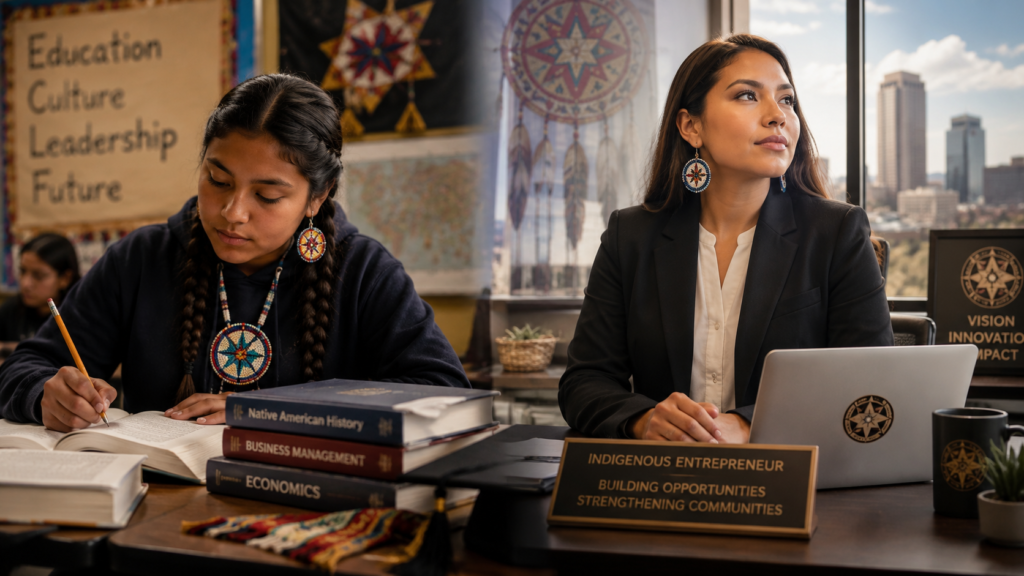
One of the most significant sociological functions of education is promoting social mobility. Social mobility refers to movement between different social and economic positions within society.
Minnesota has relatively high levels of educational attainment compared to many other states. Individuals with higher education generally enjoy better employment opportunities, higher incomes, and improved living conditions.
Higher education institutions provide pathways for students to acquire specialized skills and professional qualifications. These opportunities can help individuals overcome economic disadvantages and achieve upward mobility.
However, sociological research indicates that mobility outcomes vary across different social groups. Students from wealthier families often possess advantages that facilitate educational success, while disadvantaged students may encounter barriers throughout their educational journeys.
Economic Inequality and Educational Outcomes
Economic inequality remains one of the most influential factors affecting educational equality in Minnesota.
Families with higher incomes can often afford better housing, educational materials, extracurricular activities, and academic support services. These advantages contribute to improved educational performance.
Low-income families may face challenges such as housing instability, food insecurity, limited access to technology, and inadequate healthcare. Such factors can negatively affect academic achievement and school attendance.
Sociologists emphasize that educational inequality cannot be understood solely within schools. Broader economic conditions significantly influence student success.
Minnesota’s efforts to reduce economic disparities through social welfare programs have contributed to improved educational access, but socioeconomic differences continue to shape educational experiences.
Racial and Ethnic Disparities in Education
Minnesota is known for its cultural diversity. The state includes significant populations of African Americans, Native Americans, Asian Americans, Latino communities, and immigrants from various regions.
Despite overall educational success, Minnesota has experienced some of the largest achievement gaps between racial groups in the United States.
African American Students
African American students often face educational challenges associated with historical discrimination, residential segregation, and economic inequality. These factors can contribute to disparities in graduation rates and academic achievement.
Native American Students
Indigenous communities have historically experienced educational marginalization. Many Native American students continue to face barriers related to poverty, cultural exclusion, and limited educational resources.
Efforts to incorporate Indigenous history and culture into school curricula have sought to address these challenges and promote educational inclusion.
Immigrant Communities
Minnesota hosts large immigrant populations, including Somali, Hmong, and Latino communities. Many immigrant students bring valuable cultural and linguistic diversity to schools.
However, language barriers, cultural adjustment, and economic difficulties can create obstacles to educational success. Schools increasingly implement multicultural programs to support immigrant students and their families.
Gender and Educational Equality
Gender equality has improved substantially within Minnesota’s educational system.
Girls and women now achieve educational outcomes comparable to or exceeding those of males in many areas. Female participation in higher education has increased significantly over recent decades.
Nevertheless, gender disparities persist in certain fields such as science, technology, engineering, and mathematics (STEM). Sociologists examine how gender stereotypes influence educational choices and career aspirations.
Educational institutions continue to develop programs encouraging greater gender equity across academic disciplines.
Urban-Rural Educational Differences
Geographic location significantly influences educational opportunities in Minnesota.
Urban areas such as Minneapolis and Saint Paul generally possess greater access to educational resources, specialized programs, libraries, and technological infrastructure.
Rural communities may face challenges including limited funding, teacher shortages, and reduced access to advanced coursework. Students in remote areas sometimes encounter fewer opportunities for academic enrichment.
Advancements in digital learning technologies have helped reduce some geographic barriers, although disparities in internet access and technological resources remain concerns.
The Role of Higher Education
Higher education serves as a critical mechanism for promoting social equality.
Institutions such as the University of Minnesota and Minnesota State Colleges and Universities provide educational opportunities for diverse populations.
Scholarship programs, financial aid initiatives, and community college pathways help improve access for low-income students. These measures contribute to broader efforts aimed at reducing educational inequality.
Higher education also promotes social mobility by enabling students to enter professional occupations and participate more fully in economic and civic life.
However, rising tuition costs and student debt continue to raise concerns regarding equitable access to higher education.
Multicultural Education and Inclusion
Minnesota’s increasingly diverse population has encouraged the development of multicultural educational approaches.
Multicultural education seeks to recognize and value cultural diversity while promoting equal opportunities for all students. Schools incorporate diverse perspectives into curricula and encourage intercultural understanding.
Such initiatives can help reduce prejudice, improve social cohesion, and enhance educational outcomes among marginalized groups.
Sociologists view multicultural education as an important strategy for promoting social equality in pluralistic societies.
Educational Policies Promoting Equality
Minnesota has implemented various policies aimed at reducing educational disparities.
State initiatives focus on:
- Expanding early childhood education.
- Supporting low-income students.
- Improving educational outcomes among minority populations.
- Enhancing teacher training.
- Increasing access to higher education.
Early childhood education programs are particularly important because sociological research demonstrates that educational inequalities often emerge before formal schooling begins.
Investments in preschool education can significantly improve long-term academic outcomes and social mobility.
Technology and Educational Equality
Technology has become increasingly important in contemporary education.
Digital learning platforms provide access to educational resources regardless of location. Online courses, virtual classrooms, and educational software have expanded learning opportunities for many students.
However, the digital divide remains a concern. Students from low-income households may lack reliable internet access, computers, or technological support.
Minnesota has invested in broadband expansion and digital learning initiatives to address these inequalities, but challenges persist.
The Impact of COVID-19 on Educational Equality
The COVID-19 pandemic highlighted existing educational inequalities across Minnesota.
School closures and remote learning disproportionately affected disadvantaged students. Limited access to technology, unstable housing conditions, and economic hardship created additional barriers to learning.
Students from marginalized communities often experienced greater educational disruptions compared to more affluent peers.
The pandemic reinforced sociological arguments that educational outcomes are deeply connected to broader social and economic conditions.
Community Involvement and Educational Success
Communities play a crucial role in supporting educational equality.
Parental involvement, community organizations, religious institutions, and local nonprofits contribute to student success by providing resources, mentorship, and support networks.
Minnesota’s strong tradition of civic engagement has encouraged partnerships between schools and communities. These collaborations help address educational challenges and promote social inclusion.
Sociologists emphasize that educational equality requires collective efforts extending beyond the classroom.
Challenges for the Future
Despite significant progress, Minnesota continues to face several challenges in achieving educational equality.
Persistent racial achievement gaps remain a major concern. Economic inequality continues to influence educational opportunities and outcomes. Rural communities face ongoing resource limitations. Access to affordable higher education remains an important issue.
Additionally, rapid technological changes require educational institutions to continuously adapt their teaching methods and infrastructure.
Addressing these challenges will require sustained policy efforts, community engagement, and commitment to social justice principles.
Conclusion
Education remains one of the most powerful instruments for promoting social equality in Minnesota. The state’s commitment to public education, social welfare, and educational innovation has contributed to high levels of educational attainment and social development. Nevertheless, sociological analysis reveals that significant inequalities persist across lines of race, ethnicity, income, geography, and culture.
Functionalist perspectives highlight education’s role in fostering social integration and opportunity, while conflict theorists emphasize the ways educational institutions may reproduce existing inequalities. Symbolic interactionists draw attention to the importance of everyday educational experiences in shaping student outcomes.
Minnesota’s experience demonstrates that educational equality is not simply a matter of providing access to schools. True equality requires addressing broader social and economic conditions that influence educational success. By investing in inclusive policies, supporting disadvantaged communities, and promoting equitable opportunities, Minnesota can continue moving toward a more socially just educational system.
Ultimately, the pursuit of educational equality is inseparable from the broader goal of social equality. A society that ensures fair educational opportunities for all individuals creates stronger communities, greater social mobility, and a more democratic future.
FAQs
1. What is Social Equality in Minnesota?
Social Equality in Minnesota refers to the effort to ensure that all residents have equal access to opportunities, resources, rights, and services regardless of their race, ethnicity, gender, income, religion, or social background.
2. Why is Social Equality in Minnesota important?
Social Equality in Minnesota is important because it promotes fairness, social cohesion, economic development, and equal opportunities for education, employment, healthcare, and political participation.
3. How does education contribute to Social Equality in Minnesota?
Education helps achieve Social Equality in Minnesota by providing individuals with knowledge, skills, and qualifications that can improve social mobility and reduce socioeconomic disparities.
4. What are the main challenges to Social Equality in Minnesota?
Major challenges to Social Equality in Minnesota include racial achievement gaps, income inequality, housing disparities, healthcare access differences, and unequal educational opportunities.
5. How does income inequality affect Social Equality in Minnesota?
Income inequality can limit access to quality education, healthcare, and housing, making it more difficult to achieve Social Equality in Minnesota across different communities.
6. What role do public schools play in Social Equality in Minnesota?
Public schools support Social Equality in Minnesota by offering educational opportunities to students from diverse backgrounds and helping reduce barriers related to social class and economic status.
7. How do racial disparities impact Social Equality in Minnesota?
Racial disparities can affect employment, education, healthcare, and housing outcomes, creating obstacles to achieving full Social Equality in Minnesota for all communities.
8. What is the relationship between social mobility and Social Equality in Minnesota?
Greater social mobility strengthens Social Equality in Minnesota by allowing individuals to improve their socioeconomic status through education, employment, and access to resources.
9. How does higher education promote Social Equality in Minnesota?
Higher education contributes to Social Equality in Minnesota by expanding career opportunities, increasing earning potential, and supporting upward social mobility.
10. What policies support Social Equality in Minnesota?
Policies that support Social Equality in Minnesota include educational funding programs, affordable housing initiatives, healthcare access measures, anti-discrimination laws, and workforce development programs.
11. How does cultural diversity influence Social Equality in Minnesota?
Cultural diversity enriches society and encourages inclusive policies that strengthen Social Equality in Minnesota by recognizing and respecting different cultural backgrounds.
12. What role do communities play in Social Equality in Minnesota?
Local communities, nonprofits, and civic organizations help advance Social Equality in Minnesota by providing support services, educational programs, and opportunities for social participation.
13. How has technology affected Social Equality in Minnesota?
Technology can improve Social Equality in Minnesota by increasing access to education, information, and employment opportunities, although digital access disparities still exist.
14. What are the future prospects for Social Equality in Minnesota?
The future of Social Equality in Minnesota depends on continued efforts to reduce educational gaps, address economic inequalities, improve social inclusion, and expand access to essential services.
15. How can citizens contribute to Social Equality in Minnesota?
Citizens can support Social Equality in Minnesota by promoting inclusion, participating in community initiatives, supporting equitable policies, and advocating for equal opportunities for all residents.