
Introduction
Education is often described as the great equalizer, a social institution capable of reducing inequality and creating opportunities for upward mobility. However, sociological research consistently demonstrates that educational systems frequently reproduce existing social inequalities rather than eliminate them. The relationship between education and social class is particularly significant in the United States, where economic disparities shape educational access, quality, and outcomes. The state of Maryland presents an important case study for understanding this relationship because it contains both some of the wealthiest communities in the nation and areas experiencing persistent poverty.
The class divide in Maryland influences educational opportunities from early childhood through higher education. Students from affluent families often attend well-funded schools, have access to private tutoring, advanced technology, and extensive extracurricular opportunities. In contrast, students from lower-income communities may face overcrowded classrooms, limited educational resources, and economic pressures that affect academic performance. These differences contribute to broader patterns of social inequality.
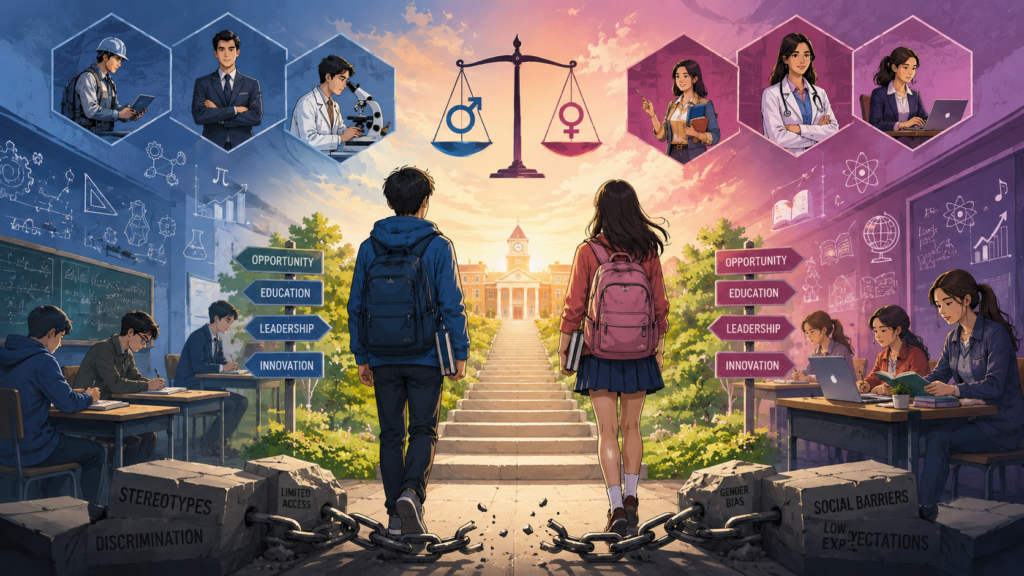
From a sociological perspective, the education system in Maryland reflects larger social structures involving class, race, geography, and economic power. Understanding these dynamics helps explain why educational inequality persists despite policies aimed at improving educational access and achievement. This article examines the relationship between education and class division in Maryland, exploring historical developments, theoretical perspectives, contemporary challenges, and future possibilities.
Understanding Social Class and Education
Social class refers to the hierarchical arrangement of individuals and groups based on economic resources, occupation, income, wealth, and social status. Sociologists view class as a major determinant of life chances, influencing access to education, healthcare, employment, and political participation.
Education serves multiple functions within society. It transmits cultural values, prepares individuals for employment, promotes social integration, and contributes to social mobility. However, education also reflects existing social inequalities. Students enter schools with different levels of economic, cultural, and social capital, which significantly affect their educational experiences.
In Maryland, educational inequality often mirrors class inequality. Wealthier families possess resources that enable them to support their children’s educational development. These advantages include access to quality childcare, educational materials, safe neighborhoods, and opportunities for enrichment activities. Lower-income families frequently face financial constraints that limit these opportunities.
The educational experiences of students are therefore shaped not only by individual effort but also by broader social and economic conditions.
Historical Development of Educational Inequality in Maryland
The roots of educational inequality in Maryland can be traced to historical patterns of economic development, racial segregation, and residential stratification. Like many American states, Maryland experienced significant educational disparities during the nineteenth and twentieth centuries.
Historically, access to quality education was closely connected to wealth and social status. Affluent communities invested more heavily in schools, while poorer areas often lacked adequate educational infrastructure. Segregation further intensified inequalities, particularly affecting African American communities.
The landmark decision in Brown v. Board of Education in 1954 challenged legally segregated schooling, but educational inequality did not disappear. Residential segregation and economic disparities continued to shape school quality and educational outcomes.
Over time, Maryland implemented various reforms to improve educational equity. Funding initiatives, accountability measures, and educational improvement programs sought to reduce disparities between districts. Nevertheless, significant differences remain between schools serving affluent populations and those serving economically disadvantaged communities.
The historical legacy of inequality continues to influence contemporary educational structures and outcomes across the state.
The Geography of Class and Education in Maryland

One of the most visible dimensions of educational inequality in Maryland is geographic variation. Different regions of the state exhibit substantial differences in wealth, income, and educational resources.
Counties such as Montgomery County and Howard County are known for high household incomes, strong tax bases, and highly ranked public schools. These areas benefit from significant investments in educational infrastructure, advanced academic programs, and extracurricular opportunities.
In contrast, some urban neighborhoods and rural communities face greater economic challenges. Schools in these areas often serve students experiencing poverty, housing instability, and limited access to educational support services.
Geographic disparities contribute to unequal educational experiences. Students living in affluent areas frequently attend schools with modern facilities, smaller class sizes, and extensive academic offerings. Students in economically disadvantaged areas may encounter resource limitations that affect learning outcomes.
The sociological significance of these patterns lies in the relationship between residential location and educational opportunity. Where families live often determines the quality of schooling available to their children, reinforcing broader class divisions.
Sociological Theories and Educational Inequality
Several sociological theories help explain the persistence of educational inequality in Maryland.
Functionalist Perspective
Functionalist theorists argue that education serves important social functions by promoting social integration and preparing individuals for future occupational roles. According to this perspective, educational achievement reflects merit and ability.
However, critics argue that unequal access to educational resources undermines the principle of meritocracy. Students from different social classes do not begin with equal opportunities, making educational outcomes partly dependent on social background rather than individual talent.
Conflict Theory
Conflict theorists emphasize the role of power and inequality in shaping educational systems. They argue that education often reproduces existing class structures by providing advantages to privileged groups.
In Maryland, schools located in affluent communities generally possess greater resources and opportunities. This unequal distribution of educational advantages helps maintain existing patterns of social inequality.
Conflict theory suggests that educational institutions may contribute to the reproduction of class divisions rather than eliminating them.
Pierre Bourdieu and Cultural Capital
The French sociologist Pierre Bourdieu introduced the concept of cultural capital to explain educational inequality. Cultural capital includes language skills, knowledge, behaviors, and cultural competencies valued by educational institutions.
Students from middle-class and upper-class families often possess forms of cultural capital that align with school expectations. These students may find it easier to navigate educational environments and achieve academic success.
In Maryland, differences in cultural capital contribute to variations in educational performance and attainment among students from different class backgrounds.
School Funding and Resource Inequality
School funding remains one of the most important factors influencing educational inequality. Although Maryland has implemented funding reforms aimed at promoting equity, disparities continue to exist.
Schools serving affluent communities often benefit from stronger local tax revenues and greater parental fundraising capacity. These additional resources can support advanced academic programs, technology initiatives, arts education, and extracurricular activities.
Schools serving lower-income communities frequently face greater challenges. They may require additional resources to address student needs related to poverty, language barriers, and social services.
Resource inequality affects multiple dimensions of education, including:
- Teacher recruitment and retention
- Classroom technology
- Library resources
- Academic support services
- Extracurricular opportunities
The unequal distribution of resources contributes to differences in educational experiences and outcomes across social classes.
Early Childhood Education and Class Differences

Educational inequality often begins before children enter formal schooling. Early childhood experiences play a crucial role in cognitive, emotional, and social development.
Affluent families in Maryland typically have greater access to high-quality preschool programs, educational toys, books, and enrichment activities. These experiences help prepare children for academic success.
Children from lower-income families may face barriers to accessing quality early childhood education. Economic constraints can limit opportunities for early learning and development.
Sociologists emphasize that achievement gaps often emerge during early childhood and may widen throughout the educational process if adequate support is not provided.
Investment in early childhood education therefore represents an important strategy for reducing class-based educational inequality.
The Digital Divide and Educational Access
Technology has become an increasingly important component of education. Digital tools support learning, communication, research, and academic achievement.
However, access to technology is not equally distributed across social classes. The digital divide refers to disparities in access to computers, internet connectivity, and technological resources.
In Maryland, students from affluent households generally possess reliable internet access and multiple digital devices. Students from lower-income families may face challenges related to technology availability and connectivity.
The COVID-19 pandemic highlighted the significance of the digital divide. Remote learning exposed inequalities in technological access and demonstrated how class differences can affect educational participation.
Addressing the digital divide remains essential for promoting educational equity in the modern era.
Race, Class, and Educational Outcomes
Although this article focuses on class division, it is important to recognize the intersection between race and class in Maryland.
Historical patterns of discrimination and residential segregation have contributed to unequal educational opportunities for many minority communities. African American and Hispanic students are disproportionately represented in lower-income populations, increasing their exposure to educational disadvantages.
Sociologists describe this relationship as intersectionality, emphasizing how multiple forms of inequality interact to shape social experiences.
Educational disparities cannot be fully understood without considering the combined influence of race, class, and geography.
Policies aimed at reducing educational inequality must therefore address these interconnected factors.
Higher Education and Social Mobility
Higher education is often viewed as a pathway to social mobility. Colleges and universities provide opportunities for skill development, professional advancement, and increased earnings.
Maryland is home to numerous respected higher education institutions. However, access to higher education remains influenced by social class.
Students from affluent families are more likely to attend college, complete degrees, and avoid substantial financial hardship. Lower-income students often face challenges related to tuition costs, student debt, employment responsibilities, and family obligations.
These barriers can affect college enrollment, persistence, and graduation rates.
Despite these challenges, higher education continues to serve as an important mechanism for upward mobility. Expanding access and affordability remains critical for reducing class-based inequalities.
Teachers and Educational Inequality
Teachers play a vital role in shaping educational experiences and outcomes. Their expectations, instructional practices, and relationships with students influence academic achievement.
Schools serving disadvantaged communities often experience greater difficulty attracting and retaining experienced teachers. High turnover rates can disrupt learning environments and affect educational quality.
Teachers working in economically challenged schools frequently face additional responsibilities related to student welfare, emotional support, and community engagement.
Providing adequate support for educators is therefore essential for addressing educational inequality and improving student outcomes.
Community and Family Influences
Educational achievement is influenced not only by schools but also by families and communities. Sociologists emphasize that education operates within broader social contexts.
Families with greater economic resources can provide educational support through tutoring, extracurricular activities, college preparation programs, and academic enrichment experiences.
Community characteristics also matter. Neighborhoods with strong social networks, safe environments, and community organizations often provide additional support for educational success.
Conversely, communities experiencing poverty, crime, or economic instability may face challenges that affect educational achievement.
Strengthening family and community support systems can contribute to more equitable educational outcomes.
Policy Responses and Educational Reform
Maryland has implemented various policies aimed at reducing educational inequality and improving educational outcomes.
These efforts include school funding reforms, accountability initiatives, early childhood education programs, and targeted support for disadvantaged schools.
Educational reform initiatives often focus on improving teacher quality, increasing resource allocation, expanding technological access, and enhancing student support services.
While progress has been made, significant challenges remain. Educational inequality is deeply connected to broader patterns of social and economic inequality, making reform efforts complex and multifaceted.
Long-term success requires sustained investment and collaboration among policymakers, educators, families, and communities.
The Future of Education and Class Relations in Maryland
The future of education in Maryland will depend largely on the state’s ability to address persistent class-based inequalities.
Technological innovation, demographic change, and economic transformation will continue to influence educational systems. Preparing students for an increasingly complex and competitive society requires equitable access to quality education.
Reducing educational inequality involves more than improving schools alone. It requires addressing poverty, housing inequality, healthcare access, and economic opportunity.
A sociological perspective highlights the interconnected nature of these issues. Educational reform must be accompanied by broader social policies aimed at promoting equity and inclusion.
If these challenges are successfully addressed, education can become a more effective instrument for social mobility and social justice.
Conclusion
The relationship between education and class division in Maryland reflects broader patterns of social inequality within American society. While education is often celebrated as a pathway to opportunity and advancement, sociological analysis reveals that educational outcomes are strongly influenced by social class, economic resources, and community conditions.
Historical inequalities, geographic disparities, funding differences, cultural capital, and technological access all contribute to educational stratification. Students from affluent backgrounds generally enjoy significant advantages, while economically disadvantaged students often encounter structural barriers that affect academic success.
Understanding these dynamics requires moving beyond individual explanations and examining the social structures that shape educational experiences. Sociological theories provide valuable insights into how educational systems both reflect and reproduce broader patterns of inequality.
Despite persistent challenges, opportunities for positive change remain. Through equitable policies, community engagement, investment in early childhood education, and support for disadvantaged students, Maryland can work toward a more inclusive and equitable educational system.
Ultimately, the pursuit of educational equality is closely connected to the broader goal of creating a more just and democratic society. The future of Maryland depends not only on educational excellence but also on ensuring that educational opportunities are accessible to all members of society regardless of social class.
FAQs
1. What is the Class Divide in Maryland?
The Class Divide in Maryland refers to the social and economic gap between wealthy and low-income populations, which influences access to education, healthcare, housing, and employment opportunities.
2. How does the Class Divide in Maryland affect education?
The Class Divide in Maryland affects education by creating differences in school funding, educational resources, teacher quality, and access to advanced academic programs.
3. Which areas are most affected by the Class Divide in Maryland?
Urban neighborhoods with high poverty rates and some rural communities experience greater effects of the Class Divide in Maryland compared to affluent counties such as Montgomery and Howard County.
4. Why is the Class Divide in Maryland considered a sociological issue?
The Class Divide in Maryland is a sociological issue because it shapes life chances, social mobility, educational attainment, and access to economic opportunities.
5. How does family income influence the Class Divide in Maryland?
Family income plays a major role in the Class Divide in Maryland by determining access to quality schools, tutoring, technology, and extracurricular activities.
6. What role does school funding play in the Class Divide in Maryland?
School funding contributes to the Class Divide in Maryland because wealthier districts often have more resources, better facilities, and additional educational programs.
7. How does the Class Divide in Maryland impact college attendance?
Students from lower-income families may face financial barriers that limit college enrollment and completion, reinforcing the Class Divide in Maryland.
8. Is the Class Divide in Maryland connected to residential segregation?
Yes, residential segregation often reinforces the Class Divide in Maryland by concentrating wealth and educational opportunities in specific communities.
9. How does technology relate to the Class Divide in Maryland?
Unequal access to computers and high-speed internet widens the Class Divide in Maryland, especially in education and workforce preparation.
10. What is the relationship between race and the Class Divide in Maryland?
Race and economic inequality often intersect, making the Class Divide in Maryland more complex and affecting educational and employment outcomes.
11. How does early childhood education influence the Class Divide in Maryland?
Access to quality preschool programs can reduce the effects of the Class Divide in Maryland by improving school readiness and long-term academic success.
12. What are the long-term effects of the Class Divide in Maryland?
The Class Divide in Maryland can lead to persistent income inequality, limited social mobility, and unequal access to opportunities across generations.
13. How can educational reforms address the Class Divide in Maryland?
Educational reforms can reduce the Class Divide in Maryland through equitable funding, improved teacher support, expanded technology access, and early intervention programs.
14. Does the Class Divide in Maryland affect employment opportunities?
Yes, educational inequalities linked to the Class Divide in Maryland often influence job prospects, career advancement, and earning potential.
15. What can policymakers do to reduce the Class Divide in Maryland?
Policymakers can address the Class Divide in Maryland by investing in education, affordable housing, workforce development, and community support programs.