
Introduction on Society in Washington
Environmental justice has emerged as one of the most significant social issues of the twenty-first century. It focuses on the fair distribution of environmental benefits and burdens across different social groups regardless of race, ethnicity, income, or social status. In the United States, environmental justice movements have highlighted how marginalized communities often experience disproportionate exposure to environmental hazards while enjoying fewer environmental benefits. The state of Washington provides an important case study for understanding the relationship between environmental justice and society.
Washington is often recognized for its beautiful landscapes, dense forests, rivers, and commitment to environmental sustainability. However, beneath this image lies a complex reality where environmental inequalities affect Indigenous communities, racial minorities, low-income populations, and migrant workers. Industrial pollution, climate change, transportation emissions, and unequal access to clean environments have created social challenges that require sociological examination.
Explore Society in Washington through the lens of environmental justice, examining social inequality, climate change, Indigenous rights, public health, and sustainable development.
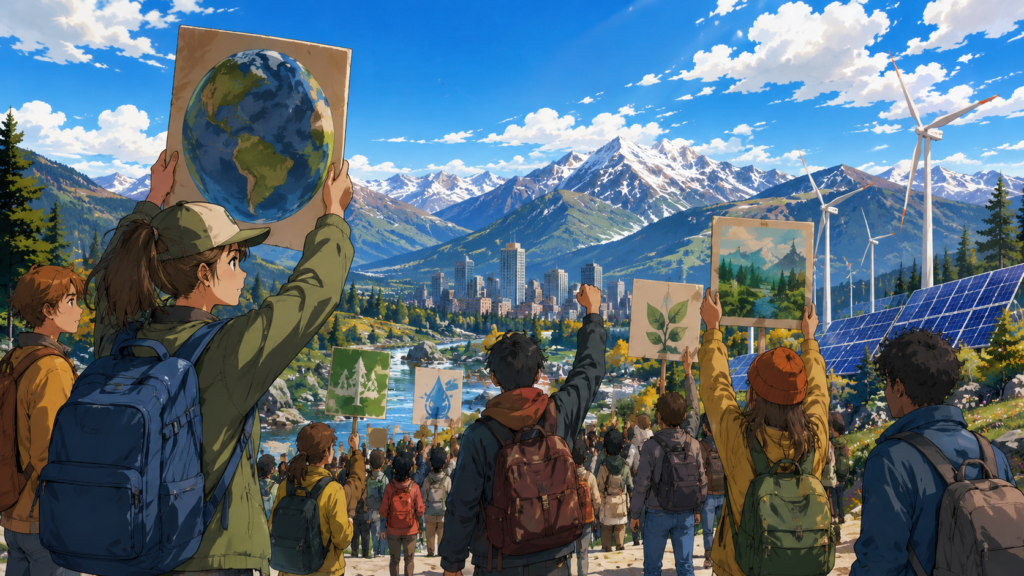
Table of Contents
Understanding Environmental Justice
Environmental justice refers to the principle that all people deserve equal protection from environmental harms and equal access to environmental benefits. The concept gained national attention during the 1980s when researchers discovered that hazardous waste facilities were disproportionately located in minority and low-income neighborhoods.
From a sociological perspective, environmental justice examines how power relations, social stratification, race, and economic inequality influence environmental outcomes. Environmental problems are not distributed randomly. Instead, they often reflect broader social structures and historical patterns of discrimination.
Environmental justice involves three major dimensions:
- Distributional justice, concerning the fair allocation of environmental resources and risks.
- Procedural justice, ensuring equal participation in environmental decision-making.
- Recognition justice, acknowledging the rights, cultures, and experiences of marginalized groups.
These dimensions are highly relevant in Washington, where diverse populations experience environmental issues differently.
Historical Context of Environmental Inequality in Washington
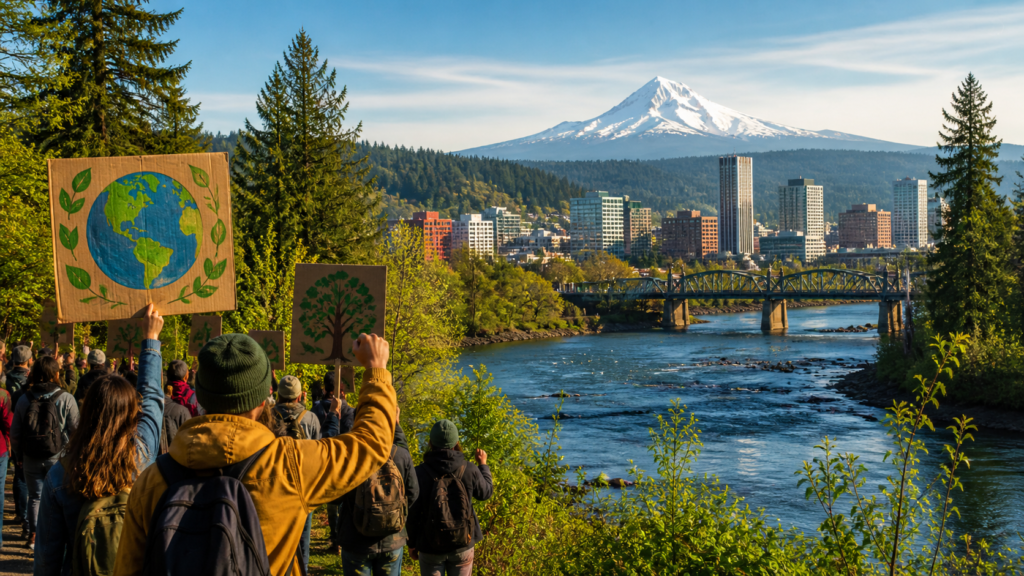
The environmental history of Washington is closely linked to industrialization, urbanization, and resource extraction. Logging, fishing, mining, agriculture, and manufacturing have contributed significantly to economic development but have also produced environmental consequences.
Historically, Indigenous communities in Washington faced displacement from traditional lands due to colonization and economic expansion. The loss of access to rivers, forests, and fisheries disrupted traditional lifestyles and cultural practices. Many tribal communities experienced environmental degradation long before environmental justice became a recognized issue.
During the twentieth century, industrial growth concentrated pollution in specific areas. Urban centers such as Seattle and Tacoma became economic hubs, but industrial facilities often operated near lower-income neighborhoods. These communities frequently lacked political influence to challenge environmental hazards.
Sociologically, this reflects the concept of environmental inequality, where socially disadvantaged populations bear greater environmental burdens while benefiting less from economic development.
Race, Ethnicity, and Environmental Justice
Race remains one of the most significant factors influencing environmental inequality in Washington. Studies consistently demonstrate that communities of color are more likely to live near pollution sources and experience environmental health risks.
African American, Latino, Asian American, Pacific Islander, and Indigenous populations often reside in neighborhoods affected by industrial emissions, heavy traffic, and poor air quality. These communities may face higher rates of asthma, respiratory diseases, and other health conditions linked to environmental exposure.
Environmental sociologists argue that racial disparities are not merely accidental. They result from historical housing discrimination, economic inequality, and unequal political representation. Residential segregation has often concentrated minority populations in areas with fewer environmental protections.
For example, neighborhoods located near ports, highways, and industrial zones frequently contain larger proportions of racial minority residents. Exposure to diesel emissions and industrial pollutants creates health inequalities that reinforce broader patterns of social disadvantage.
Environmental justice advocates in Washington emphasize that racial equity must be integrated into environmental policy and planning.
Indigenous Communities and Environmental Rights

Indigenous peoples occupy a central position in discussions of environmental justice in Washington. Tribes have long maintained deep cultural, spiritual, and economic relationships with natural ecosystems.
Many tribal nations depend on fishing, hunting, and gathering practices that require healthy environments. Pollution, habitat destruction, and climate change threaten these traditional activities and cultural identities.
Environmental sociologists often describe Indigenous environmental struggles as examples of environmental colonialism, where external actors exploit natural resources without respecting Indigenous rights or knowledge systems.
Washington tribes have played leading roles in environmental protection efforts. They have advocated for clean water, salmon habitat restoration, and sustainable resource management. Tribal governments frequently emphasize that environmental justice includes protecting cultural survival and traditional ecological knowledge.
The recognition of treaty rights has strengthened Indigenous participation in environmental governance. However, challenges remain as tribes continue to confront environmental threats from industrial development and climate change.
Air Pollution and Urban Inequality
Air quality represents a major environmental justice issue in Washington’s urban areas. Although Washington generally enjoys better air quality than many states, significant disparities exist among communities.
Neighborhoods located near major highways, airports, ports, and industrial facilities often experience higher pollution levels. Residents in these areas face increased risks of asthma, cardiovascular disease, and other health problems.
Low-income households are particularly vulnerable because they may have limited options for relocation. Economic constraints often force families to remain in environmentally hazardous neighborhoods.
Sociologists explain these patterns through theories of social stratification. Wealthier populations possess greater resources to access cleaner environments and influence policy decisions. Conversely, marginalized communities often lack equivalent political and economic power.
The unequal distribution of environmental health risks illustrates how environmental problems intersect with broader social inequalities.
Climate Change and Social Vulnerability
Climate change is increasingly shaping environmental justice discussions in Washington. Rising temperatures, changing precipitation patterns, wildfires, and sea-level rise create new social challenges.
Climate impacts are not experienced equally across society. Vulnerability depends on factors such as income, housing quality, occupation, age, and health status.
Agricultural workers in Eastern Washington face increased exposure to extreme heat. Many of these workers are immigrants or members of marginalized communities. Heat stress, poor working conditions, and limited access to healthcare increase their vulnerability.
Coastal communities face risks from sea-level rise and flooding. Indigenous communities located near shorelines may experience threats to cultural sites and traditional livelihoods.
Wildfires have become more frequent and intense in recent years. Smoke exposure affects public health, but low-income populations often lack access to air filtration systems or alternative housing options during severe events.
The sociological concept of climate justice highlights the unequal distribution of climate risks and emphasizes the need for equitable adaptation strategies.
Water Quality and Environmental Justice
Access to clean water is a fundamental component of environmental justice. In Washington, concerns about water pollution affect both urban and rural communities.
Agricultural runoff, industrial discharges, and aging infrastructure contribute to water quality challenges. Rural communities relying on private wells may face contamination risks that are not always adequately monitored.
For Indigenous communities, water quality issues carry cultural as well as health implications. Rivers and waterways often hold spiritual significance and support traditional practices.
Environmental sociologists emphasize that water justice involves more than technical management. It requires addressing power imbalances that determine who has access to safe and affordable water resources.
Community organizations across Washington have advocated for stronger water protections and greater public participation in environmental decision-making.
Environmental Justice and Public Health
Environmental conditions significantly influence health outcomes. Sociologists studying health inequalities recognize that environmental factors contribute to disparities in disease, life expectancy, and overall well-being.
Communities exposed to pollution often experience cumulative health burdens. These may include respiratory illnesses, cardiovascular disease, mental health stress, and developmental problems among children.
Environmental health disparities are closely connected to socioeconomic inequality. Poor housing, limited healthcare access, and environmental exposure interact to create compounded disadvantages.
The COVID-19 pandemic further highlighted these connections. Communities already facing environmental burdens often experienced higher health vulnerabilities during the pandemic.
Washington’s environmental justice initiatives increasingly recognize the need to integrate environmental protection with public health strategies.
Community Activism and Social Movements
Grassroots activism has played a crucial role in advancing environmental justice in Washington. Community organizations, tribal governments, labor groups, and environmental advocates have worked together to address environmental inequalities.
Social movement theory helps explain how communities mobilize around environmental issues. Collective action often emerges when people perceive environmental harms as threats to their health, livelihoods, or cultural identity.
Environmental justice movements seek not only environmental improvements but also greater democratic participation. Activists demand transparency, accountability, and inclusion in policy decisions.
Community-led campaigns have contributed to air quality improvements, habitat restoration projects, and stronger environmental regulations. These efforts demonstrate the importance of civic engagement in promoting environmental justice.
Grassroots activism also challenges traditional assumptions that environmental protection is solely a scientific or technical issue. Instead, it highlights the social and political dimensions of environmental problems.
Environmental Justice Policies in Washington
Washington has become a national leader in environmental justice policy development. State agencies increasingly incorporate equity considerations into environmental planning and regulation.
Recent policy initiatives emphasize the identification of overburdened communities and the evaluation of cumulative environmental impacts. Policymakers recognize that environmental risks often overlap with social vulnerabilities.
Environmental justice legislation aims to improve community participation, enhance transparency, and direct resources toward disadvantaged populations.
From a sociological perspective, these policies represent efforts to address structural inequalities. However, implementation remains challenging. Effective environmental justice requires sustained commitment, adequate funding, and meaningful community involvement.
Policy success depends not only on legal frameworks but also on social trust, institutional accountability, and public participation.
Economic Development and Environmental Equity
Economic growth and environmental protection are often portrayed as competing goals. However, environmental justice advocates argue that sustainable development should benefit all communities.
Industrial facilities provide employment opportunities but may also generate pollution. The challenge lies in balancing economic benefits with environmental health protections.
Green jobs and renewable energy investments offer potential pathways toward more equitable development. These initiatives can create employment opportunities while reducing environmental impacts.
Sociologists emphasize that economic transitions must be socially inclusive. If environmental policies disproportionately burden vulnerable populations, they may reinforce existing inequalities.
Washington’s efforts to promote clean energy and sustainability present opportunities to integrate economic development with environmental justice objectives.
The Role of Education and Awareness
Education plays a critical role in advancing environmental justice. Public awareness helps communities understand environmental risks and advocate for their rights.
Schools, universities, community organizations, and media outlets contribute to environmental education. Increased awareness can strengthen civic participation and support informed decision-making.
Environmental sociology highlights the importance of knowledge in shaping environmental behavior and policy outcomes. Communities equipped with information are better positioned to challenge environmental inequalities.
Educational initiatives also promote understanding of the connections between environmental issues, social justice, and public health.
Future Challenges and Opportunities
Washington faces several emerging environmental justice challenges. Climate change, population growth, urban expansion, and technological transformation will continue to shape environmental conditions.
Future policy efforts must address cumulative environmental impacts rather than isolated problems. Integrated approaches are necessary to understand how multiple environmental burdens affect communities.
Technological innovations, renewable energy development, and environmental monitoring systems offer opportunities for progress. However, these benefits must be distributed equitably.
Building environmental justice requires collaboration among governments, tribal nations, businesses, researchers, and community organizations. Inclusive decision-making processes are essential for creating sustainable and equitable outcomes.
The future of environmental justice in Washington will depend on society’s ability to address both environmental and social inequalities simultaneously.
Conclusion
Environmental justice represents a vital framework for understanding the relationship between society and the environment in Washington. While the state is widely recognized for its environmental leadership, significant inequalities remain. Indigenous communities, racial minorities, low-income populations, and other marginalized groups often face disproportionate environmental burdens.
A sociological perspective reveals that environmental problems are deeply connected to issues of power, inequality, race, and social structure. Environmental justice is therefore not only an ecological concern but also a social and moral issue.
Washington’s experiences demonstrate that achieving environmental justice requires more than pollution control. It demands equitable participation, recognition of diverse communities, protection of cultural rights, and commitment to social equity. Through community activism, policy innovation, and inclusive governance, Washington continues to move toward a future where environmental benefits and responsibilities are shared more fairly across society.
Environmental justice ultimately seeks to create a society in which all individuals, regardless of background or socioeconomic status, can enjoy a healthy environment and contribute meaningfully to decisions affecting their lives.
FAQs on Society in Washington
1. What are the key characteristics of Society in Washington?
Society in Washington is diverse and shaped by urban development, environmental awareness, technological innovation, and cultural diversity.
2. How does environmental justice affect Society in Washington?
Environmental justice influences Society in Washington by addressing unequal exposure to pollution and ensuring fair access to environmental resources.
3. What role do Indigenous communities play in Society in Washington?
Indigenous communities contribute significantly to Society in Washington through cultural preservation, environmental stewardship, and advocacy for treaty rights.
4. How has climate change impacted Society in Washington?
Climate change affects Society in Washington through wildfires, rising temperatures, flooding risks, and challenges to public health and local economies.
5. Why is social inequality an important issue in Society in Washington?
Social inequality influences access to housing, healthcare, education, and environmental quality within Society in Washington.
6. How does urbanization shape Society in Washington?
Urbanization has transformed Society in Washington by creating economic opportunities while also contributing to housing and environmental challenges.
7. What environmental challenges are faced by Society in Washington?
Society in Washington faces challenges such as air pollution, water contamination, climate change, and habitat degradation.
8. How does environmental policy influence Society in Washington?
Environmental policies help protect natural resources, improve public health, and promote sustainability within Society in Washington.
9. What is the relationship between public health and Society in Washington?
Public health in Society in Washington is closely connected to environmental quality, access to healthcare, and socioeconomic conditions.
10. How do community organizations strengthen Society in Washington?
Community organizations support Society in Washington by advocating for environmental protection, social equity, and civic participation.
11. What economic sectors influence Society in Washington?
Technology, agriculture, manufacturing, trade, tourism, and renewable energy significantly influence Society in Washington.
12. How does education contribute to Society in Washington?
Education enhances social mobility, environmental awareness, and civic engagement within Society in Washington.
13. What role does diversity play in Society in Washington?
Cultural and ethnic diversity enrich Society in Washington by fostering innovation, inclusion, and social interaction.
14. How is sustainability promoted in Society in Washington?
Sustainability is promoted through green policies, renewable energy projects, conservation programs, and community initiatives in Society in Washington.
15. What is the future of Society in Washington regarding environmental justice?
The future of Society in Washington depends on balancing economic growth, environmental sustainability, and social equity to create more inclusive communities.