Introduction
The study of Indigenous reservations in Montana offers a profound insight into the intersections of history, culture, identity, and socio-economic structures. Montana, located in the northwestern United States, is home to twelve Indigenous tribes and seven federally recognized reservations, including the Crow, Northern Cheyenne, Blackfeet, Flathead, Fort Peck, Fort Belknap, and Rocky Boy’s reservations . These reservations are not merely geographic spaces; they are sociocultural ecosystems where Indigenous identities are preserved, negotiated, and transformed.
From a sociological perspective, Indigenous reservations in Montana embody themes of colonial legacy, structural inequality, cultural resilience, and community cohesion. This article explores the social life within these reservations, focusing on institutions, cultural practices, economic realities, and contemporary challenges.

Explore Social Life in Montana through a sociological lens, focusing on Indigenous reservations, cultural traditions, kinship systems, and contemporary challenges shaping Native American communities.
Historical Formation of Reservations
The reservation system in Montana emerged through treaties and federal policies during the 19th century. Agreements such as the Fort Laramie Treaty of 1851 and subsequent negotiations confined Indigenous populations to designated lands, often a fraction of their ancestral territories . These processes were part of broader colonial strategies aimed at controlling land and resources.
The Indian Appropriations Act and subsequent policies institutionalized the reservation system, marking a shift from nomadic and semi-nomadic lifestyles to sedentary living under federal oversight . Sociologically, this transition disrupted traditional kinship structures, economic systems, and cultural practices.
Demographic and Cultural Diversity

Montana’s Indigenous population exceeds 78,000, with a significant proportion residing on reservations . Each reservation is associated with distinct tribes:
- The Crow Reservation is home to the Apsáalooke (Crow) people
- The Northern Cheyenne Reservation hosts the Northern Cheyenne tribe
- The Flathead Reservation includes the Salish, Pend d’Oreille, and Kootenai tribes
- The Blackfeet Reservation is inhabited by the Blackfeet Nation
These communities maintain unique languages, traditions, and social norms. Montana alone hosts multiple Indigenous languages, many of which are endangered .
From a sociological viewpoint, this diversity challenges homogenized representations of Indigenous peoples and highlights the importance of cultural specificity.
Social Structure and Community Life
Kinship and Family Systems
Indigenous social life in Montana reservations is deeply rooted in kinship networks. Extended families often form the core social unit, emphasizing collective responsibility and interdependence. Unlike Western nuclear family models, these systems prioritize communal living and shared caregiving.
Kinship ties extend beyond blood relations to include clan affiliations and spiritual connections. These structures foster strong social cohesion and serve as informal support systems in times of economic or personal hardship.
Cultural Practices and Identity

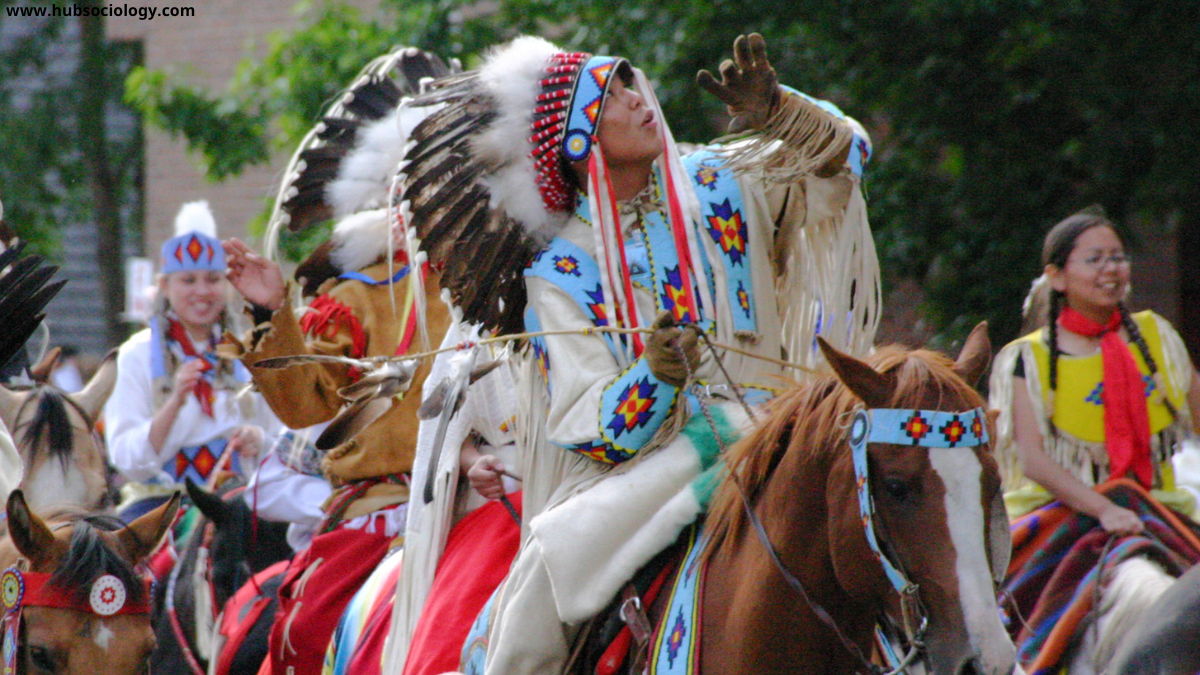
Cultural practices play a central role in shaping social life. Events such as powwows, storytelling sessions, and traditional ceremonies are vital for cultural transmission. For instance, the Blackfeet Nation hosts annual gatherings like North American Indian Days, which celebrate dance, music, and heritage .
These practices reinforce collective identity and provide a sense of belonging. Sociologically, they function as mechanisms of cultural reproduction, ensuring that traditions are passed across generations.
Education and Socialization
Education on reservations reflects a blend of formal schooling and cultural learning. Many reservations host tribal colleges, such as Little Big Horn College and Salish Kootenai College, which integrate Indigenous knowledge systems with academic curricula .
Schools often incorporate language preservation programs and cultural education, addressing the historical marginalization of Indigenous knowledge. Socialization processes emphasize respect for elders, environmental stewardship, and community values.
However, challenges such as underfunding, limited resources, and historical trauma continue to affect educational outcomes.
Economic Structures and Inequality
Employment and Poverty
Reservations in Montana face significant economic challenges. Limited access to employment opportunities, geographic isolation, and historical marginalization contribute to high poverty rates. Many communities rely on tribal enterprises, government assistance, and informal economies.
Resource Management
Natural resources, including land, water, and wildlife, play a crucial role in reservation economies. Tribes often engage in agriculture, tourism, and energy development. However, control over resources is frequently contested, reflecting broader issues of sovereignty and economic autonomy.
Political Organization and Sovereignty
Indigenous reservations operate under tribal governments, which exercise a degree of sovereignty. For example, the Crow Reservation has its own executive branch and governance structures .
Tribal councils manage internal affairs, including education, healthcare, and law enforcement. This political autonomy is a key aspect of Indigenous identity and resistance against assimilation.
From a sociological perspective, tribal governance represents a form of self-determination that challenges dominant state structures.
Health, Well-being, and Social Issues
Health disparities are a significant concern in Montana reservations. Issues such as diabetes, substance abuse, and mental health challenges are prevalent, often linked to historical trauma and socio-economic conditions.
Community-based programs and traditional healing practices are increasingly integrated into healthcare systems. These approaches emphasize holistic well-being, combining physical, emotional, and spiritual health.
Cultural Resilience and Revitalization

Despite challenges, Indigenous communities in Montana demonstrate remarkable resilience. Efforts to revitalize languages, traditions, and cultural practices are central to contemporary social life.
Programs focused on youth engagement, cultural education, and community development are helping to strengthen Indigenous identity. The revival of traditional practices, such as buffalo restoration and language immersion, reflects a broader movement toward cultural sustainability.
Contemporary Challenges and Transformations
Modern Indigenous life in Montana is shaped by globalization, technological change, and shifting social dynamics. Urban migration, digital communication, and economic diversification are transforming traditional ways of life.
At the same time, Indigenous communities continue to navigate issues of marginalization, discrimination, and environmental threats. Sociologically, these challenges highlight the tension between tradition and modernity.
Conclusion
Indigenous reservations in Montana are complex social systems shaped by history, culture, and socio-economic forces. They represent both the enduring impact of colonial policies and the resilience of Indigenous communities.
From a sociological perspective, these reservations are not merely sites of disadvantage but also spaces of cultural vitality and resistance. Social life within these communities is characterized by strong kinship networks, rich cultural traditions, and ongoing efforts toward self-determination and revitalization.
Understanding Indigenous reservations in Montana requires a nuanced approach that acknowledges diversity, respects cultural autonomy, and addresses structural inequalities. As these communities continue to evolve, they offer valuable insights into the dynamics of identity, community, and social change in contemporary society.
FAQs
- What is meant by Social Life in Montana Indigenous reservations?
Social Life in Montana Indigenous reservations refers to the cultural practices, kinship systems, traditions, and daily interactions that shape community living among Native American tribes. - How does kinship influence Social Life in Montana reservations?
Kinship plays a central role in Social Life in Montana by fostering strong family bonds, collective responsibility, and community support systems. - What role do traditions play in Social Life in Montana Indigenous communities?
Traditions such as storytelling, ceremonies, and powwows are essential in preserving identity and strengthening Social Life in Montana. - How do powwows contribute to Social Life in Montana?
Powwows act as social gatherings that reinforce cultural pride, unity, and intergenerational bonding within Social Life in Montana. - What are the major challenges affecting Social Life in Montana reservations?
Economic inequality, limited employment opportunities, and health disparities significantly impact Social Life in Montana. - How does education shape Social Life in Montana Indigenous communities?
Education, especially in tribal colleges, promotes cultural preservation and social awareness, enriching Social Life in Montana. - What is the importance of tribal governance in Social Life in Montana?
Tribal governance ensures self-determination and plays a key role in maintaining order and identity within Social Life in Montana. - How does cultural diversity influence Social Life in Montana?
Different tribes bring unique languages, customs, and traditions, making Social Life in Montana diverse and dynamic. - What role do elders play in Social Life in Montana?
Elders are respected knowledge keepers who guide younger generations, strengthening Social Life in Montana. - How is language preservation connected to Social Life in Montana?
Language is a core part of identity, and its preservation is crucial for sustaining Social Life in Montana. - How do economic conditions affect Social Life in Montana?
Poverty and unemployment can limit opportunities, but strong community ties help sustain Social Life in Montana. - What role does spirituality play in Social Life in Montana?
Spiritual beliefs and traditional healing practices are deeply embedded in Social Life in Montana. - How are youth involved in Social Life in Montana?
Youth participate in cultural programs, education, and community events, ensuring continuity of Social Life in Montana. - What is the impact of modernization on Social Life in Montana?
Modern technology and urban migration are transforming traditional patterns of Social Life in Montana. - How do Indigenous communities preserve Social Life in Montana today?
Through cultural revitalization programs, education, and community initiatives, Indigenous people actively sustain Social Life in Montana.
2 thoughts on “Indigenous Reservations and Social Life in Montana: A Sociological Analysis”