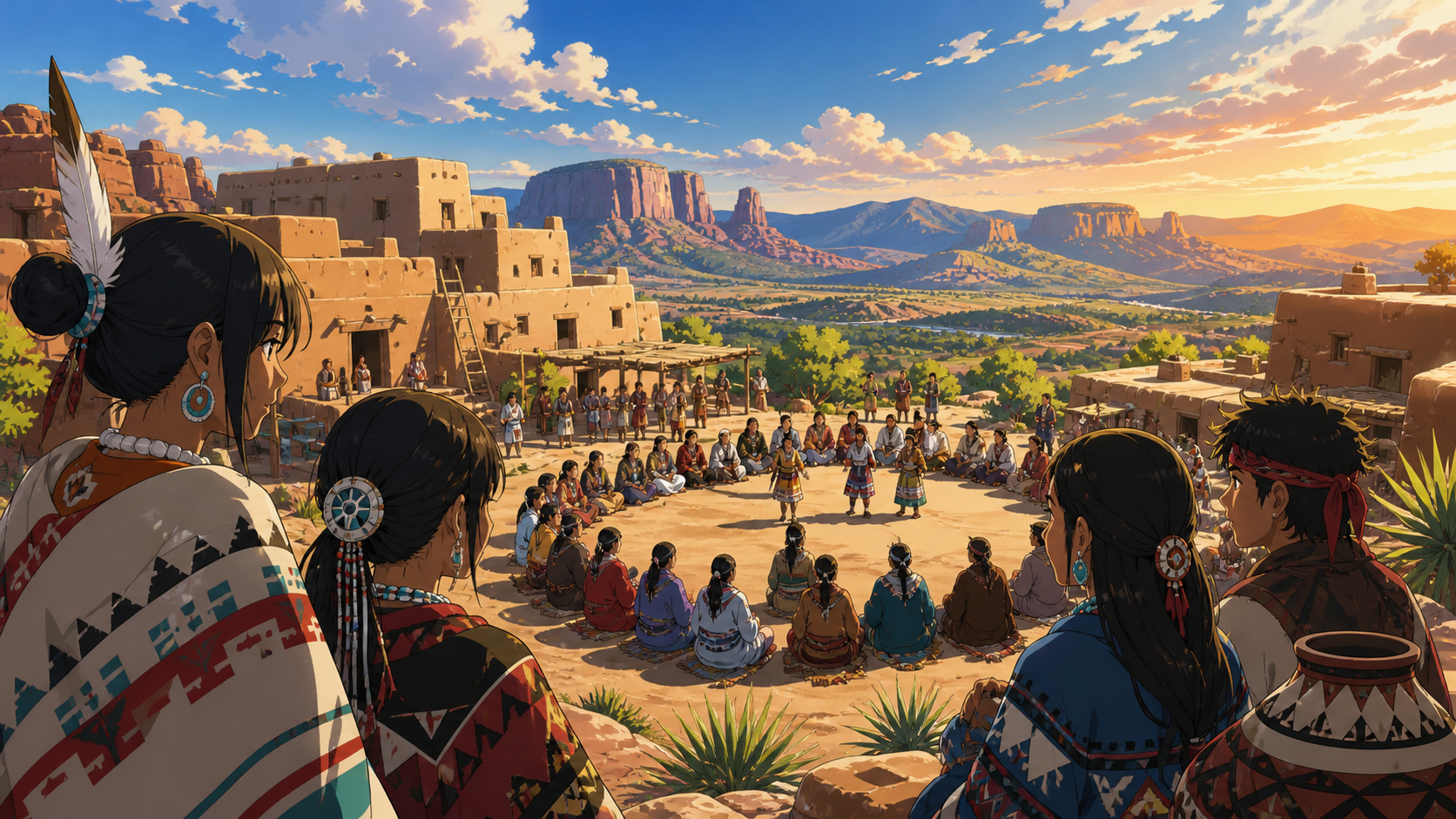
The study of Indigenous communities in New Mexico offers a rich and complex field for sociological inquiry. Home to a diverse array of Native American tribes, including the Navajo Nation, Apache, and numerous Pueblo groups such as the Hopi and Zuni, New Mexico represents one of the most culturally layered Indigenous regions in the United States. These communities possess distinct social structures shaped by centuries of tradition, colonial encounters, and modern transformations.
This article explores the sociological dimensions of Indigenous social organization in New Mexico, focusing on kinship systems, political structures, economic practices, cultural identity, and the impacts of modernization.
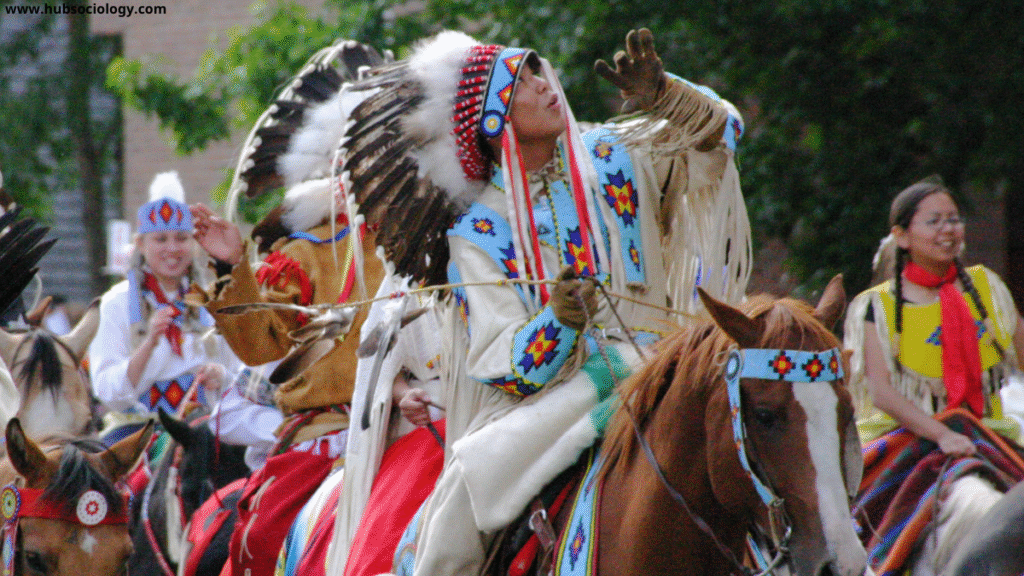
Explore Social Structure in New Mexico through a sociological lens, focusing on Indigenous communities, kinship systems, governance, and cultural resilience in a diverse society.
Historical Context and Cultural Diversity
Indigenous communities in New Mexico have inhabited the region for thousands of years. The Pueblo peoples developed sedentary agricultural societies, constructing complex settlements and practicing irrigation farming. In contrast, groups like the Navajo and Apache historically practiced semi-nomadic lifestyles.
Colonial encounters, particularly with Spanish settlers in the 16th century, significantly disrupted Indigenous social systems. Events such as the Pueblo Revolt demonstrate Indigenous resistance and resilience. Later, U.S. expansion brought new forms of governance, land policies, and assimilation efforts, including boarding schools and cultural suppression.
Despite these challenges, Indigenous communities have maintained strong social institutions, adapting while preserving core cultural values.
Kinship and Family Structures
At the heart of Indigenous social structure lies kinship, which organizes social relationships, inheritance, and identity.
Among the Navajo, kinship is matrilineal. Clan membership is inherited through the mother, and individuals identify themselves based on their maternal lineage. This system fosters strong family bonds and defines social roles. Marriage within the same clan is prohibited, reinforcing social cohesion across groups.
Pueblo communities also emphasize extended family systems, often organized around communal living arrangements. Households are not merely nuclear but include multiple generations, reflecting a collective approach to social life.
From a sociological perspective, these kinship systems contrast sharply with the individualistic family models dominant in Western societies. They emphasize collectivism, mutual support, and interdependence.
Political Organization and Governance
Indigenous political systems in New Mexico are diverse and rooted in tradition. Many Pueblo communities operate under a theocratic governance structure, where religious leaders play a central role in decision-making. Authority is often based on spiritual knowledge and community consensus rather than formal elections.
The Navajo Nation, one of the largest tribal governments in the United States, has a more formal political system with an executive, legislative, and judicial branch. However, even within this modern framework, traditional values and customs influence governance.
Sociologically, these systems challenge the notion that modern state structures are the only viable forms of governance. Indigenous political organization often blends tradition and modernity, creating hybrid systems that reflect both cultural heritage and contemporary needs.
Economic Systems and Adaptation
Traditional Indigenous economies in New Mexico were based on subsistence practices such as agriculture, hunting, and craftsmanship. The Pueblo peoples cultivated crops like corn, beans, and squash, while the Navajo developed pastoralism, particularly sheep herding.
In the contemporary era, Indigenous economies have diversified. Many communities engage in tourism, arts and crafts, and gaming enterprises. For example, Pueblo pottery and Navajo textiles are globally recognized cultural products.
However, economic challenges persist. High unemployment rates, limited access to resources, and geographic isolation affect many Indigenous communities. Sociologically, this reflects structural inequalities rooted in historical dispossession and ongoing marginalization.
Despite these challenges, Indigenous economic practices often emphasize sustainability and community welfare, contrasting with capitalist models focused on profit maximization.
Religion, Culture, and Identity
Religion plays a central role in Indigenous social structure. Spiritual beliefs are deeply intertwined with daily life, guiding social norms, rituals, and community organization.
Pueblo religions are characterized by ceremonial cycles, dances, and rituals that maintain harmony between humans, nature, and the spiritual world. Similarly, Navajo spirituality emphasizes balance and harmony, often expressed through healing ceremonies.
Cultural identity is reinforced through language, storytelling, and artistic expression. However, language loss remains a concern, as younger generations increasingly adopt English.
From a sociological perspective, cultural identity among Indigenous communities is both resilient and dynamic. It is maintained through collective practices while adapting to changing social conditions.
Education and Social Change
Education has been a critical site of both oppression and transformation. Historically, Indigenous children were subjected to boarding school systems designed to assimilate them into mainstream American culture. These institutions often suppressed Indigenous languages and traditions.
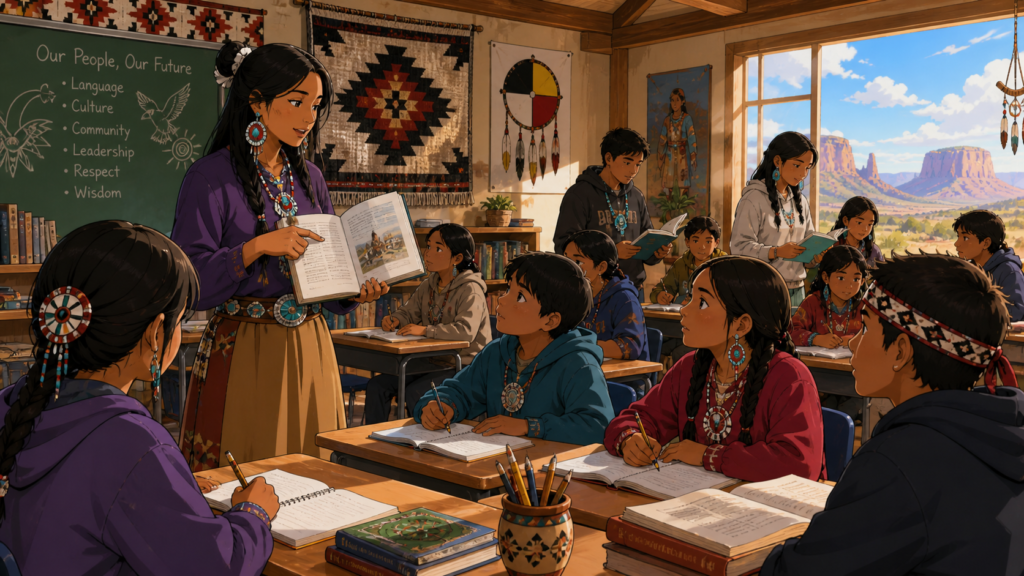
In recent decades, there has been a shift toward culturally responsive education. Tribal schools and programs now incorporate Indigenous knowledge, languages, and values into curricula.
Education serves as a tool for empowerment, enabling Indigenous youth to navigate modern society while preserving their cultural heritage. Sociologically, this reflects a process of cultural revitalization and resistance to assimilation.
Gender Roles and Social Dynamics
Gender roles in Indigenous communities often differ from Western norms. In many Pueblo societies, women hold significant economic and social power, particularly in matrilineal systems.
Among the Navajo, women traditionally control property and play central roles in family and community life. Additionally, Indigenous cultures often recognize non-binary gender identities, such as the concept of “Two-Spirit” individuals, who occupy unique social roles.
These gender dynamics challenge dominant sociological theories that assume universal patterns of patriarchy. Indigenous social structures demonstrate that gender roles are culturally constructed and variable.
Impact of Modernization and Globalization
Modernization has brought both opportunities and challenges to Indigenous communities in New Mexico. Access to technology, healthcare, and education has improved living standards in some areas. However, globalization also threatens traditional ways of life.
Urban migration, economic pressures, and cultural assimilation can weaken community ties and cultural practices. At the same time, digital platforms have enabled Indigenous communities to share their culture globally and advocate for their rights.

Sociologically, this reflects a process of cultural negotiation, where Indigenous communities balance tradition and modernity.
Social Inequality and Marginalization
Indigenous communities in New Mexico continue to face significant social inequalities. Issues such as poverty, limited healthcare access, and educational disparities are prevalent.
These challenges are not merely individual but structural, rooted in historical processes such as colonization, land dispossession, and systemic discrimination.
Sociological analysis highlights the importance of addressing these structural factors to achieve social justice. Policies that respect Indigenous sovereignty and promote economic and cultural sustainability are essential.
Indigenous Resilience and Revitalization
Despite centuries of marginalization, Indigenous communities in New Mexico have demonstrated remarkable resilience. Cultural revitalization movements have strengthened language preservation, traditional practices, and community solidarity.
Events, ceremonies, and educational initiatives play a crucial role in maintaining cultural continuity. Indigenous activism has also gained momentum, advocating for land rights, environmental protection, and social justice.
From a sociological perspective, resilience is not merely survival but active resistance and adaptation. It reflects the قدرة of communities to maintain identity and agency in the face of adversity.
Conclusion
The social structure of Indigenous communities in New Mexico is a testament to the richness and diversity of human social organization. Rooted in kinship, tradition, and collective values, these communities offer alternative models of social life that challenge dominant Western paradigms.
Sociological analysis reveals that Indigenous social structures are not static but dynamic, shaped by historical experiences and contemporary challenges. They demonstrate resilience, adaptability, and a deep commitment to cultural preservation.
Understanding these communities requires moving beyond stereotypes and recognizing their complexity and agency. As Indigenous communities continue to navigate the pressures of modernization, their social structures remain vital sources of identity, strength, and continuity.
FAQs on Social Structure in New Mexico
- What is meant by Social Structure in New Mexico?
Social Structure in New Mexico refers to the organized patterns of relationships, institutions, and cultural systems within Indigenous and broader communities in the state. - How do Indigenous communities influence Social Structure in New Mexico?
Indigenous communities such as the Navajo Nation and Pueblo groups shape Social Structure in New Mexico through kinship systems, traditions, and governance models. - What role does kinship play in Social Structure in New Mexico?
Kinship is central to Social Structure in New Mexico, especially among Indigenous groups where clan systems determine identity, inheritance, and social roles. - How is Social Structure in New Mexico different from other U.S. states?
Social Structure in New Mexico is unique due to its strong Indigenous presence, blending traditional systems with modern governance. - What is the importance of matrilineal systems in Social Structure in New Mexico?
Matrilineal systems, especially among the Navajo, define Social Structure in New Mexico by passing lineage and property through the mother. - How do Pueblo communities contribute to Social Structure in New Mexico?
Pueblo communities contribute through communal living, religious governance, and collective decision-making practices. - What economic factors shape Social Structure in New Mexico?
Traditional economies, tourism, crafts, and modern employment opportunities all influence Social Structure in New Mexico. - How has colonization affected Social Structure in New Mexico?
Colonization disrupted traditional Social Structure in New Mexico through land loss, cultural suppression, and imposed governance systems. - What role does religion play in Social Structure in New Mexico?
Religion is deeply integrated into Social Structure in New Mexico, guiding social norms, rituals, and leadership structures. - How does education impact Social Structure in New Mexico?
Education influences Social Structure in New Mexico by promoting cultural preservation and providing opportunities for social mobility. - What are the gender roles in Social Structure in New Mexico?
Gender roles in Social Structure in New Mexico often empower women, particularly in matrilineal Indigenous societies. - How does globalization affect Social Structure in New Mexico?
Globalization introduces new economic and cultural influences, reshaping Social Structure in New Mexico while challenging traditional practices. - What challenges exist within Social Structure in New Mexico today?
Challenges include poverty, inequality, cultural erosion, and limited access to resources. - How do Indigenous governance systems shape Social Structure in New Mexico?
Indigenous governance systems emphasize consensus, tradition, and community values within Social Structure in New Mexico. - Why is Social Structure in New Mexico important for sociological study?
It provides insight into cultural diversity, resilience, and alternative social systems beyond Western models.