Introduction
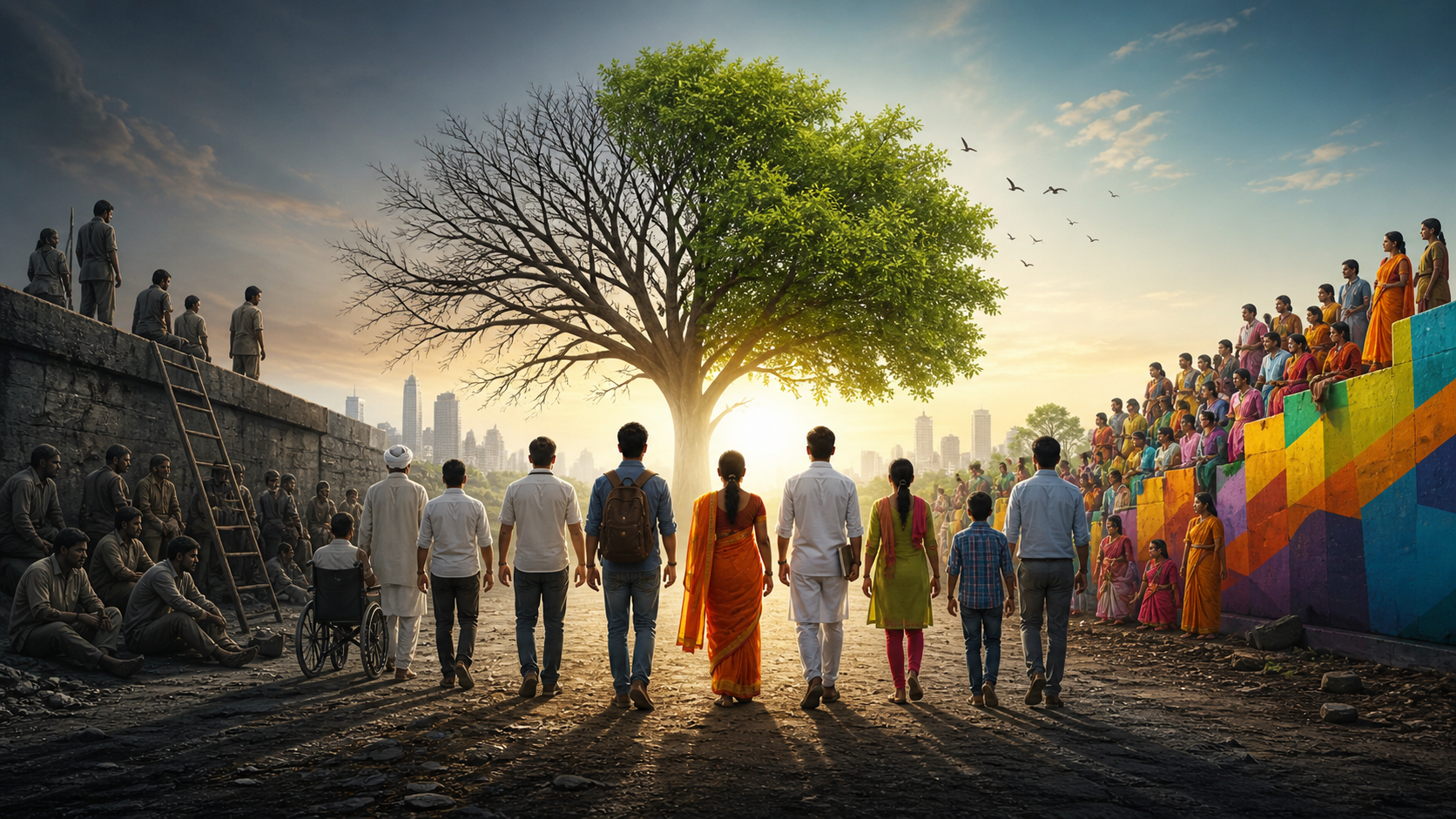
The question of whether India can become a casteless society is one of the most enduring and complex debates in sociology. Despite constitutional guarantees of equality and decades of social reform, caste continues to shape social relations, access to resources, political mobilization, and identity formation in contemporary India. While modernization, urbanization, education, and globalization have altered traditional caste dynamics, they have not eliminated caste altogether.
The idea of a casteless society implies a social order where caste no longer determines an individual’s social status, opportunities, or identity. This ideal aligns with the principles of equality, justice, and human dignity enshrined in the Indian Constitution. However, the persistence of caste-based inequalities raises critical questions about whether such a transformation is realistically achievable or merely an aspirational goal.
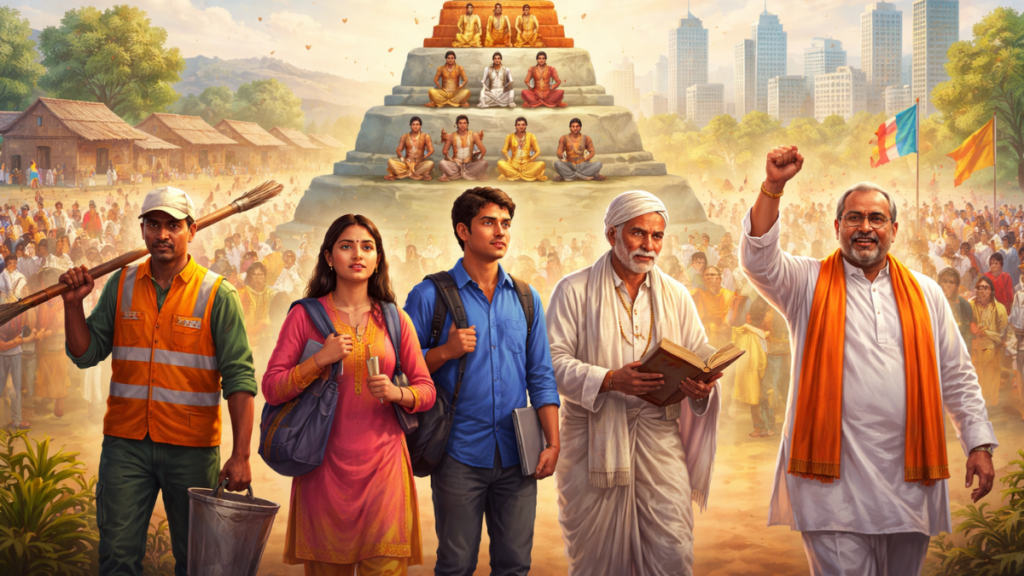
This article explores the sociological realities surrounding caste in India, analyzing its historical roots, structural persistence, transformations, and the prospects for a casteless future.
Historical Foundations of the Caste System
The caste system in India has deep historical roots, traditionally linked to the varna system described in ancient texts. Over time, this evolved into a highly complex and localized system of jati, characterized by hereditary occupations, endogamy, and hierarchical stratification.
Sociologists such as G. S. Ghurye and M. N. Srinivas emphasized that caste is not merely a system of inequality but also a system of social organization governing marriage, food habits, and ritual practices.
Colonial rule further transformed caste by institutionalizing it through census classifications and administrative categories. Rather than weakening caste, colonial policies often reinforced it by making it a basis for governance and social identity.
Constitutional Vision and Legal Framework
After independence, India adopted a strong legal framework aimed at dismantling caste-based discrimination. The Constitution abolished untouchability (Article 17) and guaranteed equality before the law (Article 14). Policies such as reservations in education, employment, and politics were introduced to uplift historically marginalized communities.
Dr. B. R. Ambedkar, one of the principal architects of the Constitution, envisioned a society where caste would gradually disappear through social and economic transformation. However, he also warned that political democracy without social democracy would remain incomplete.
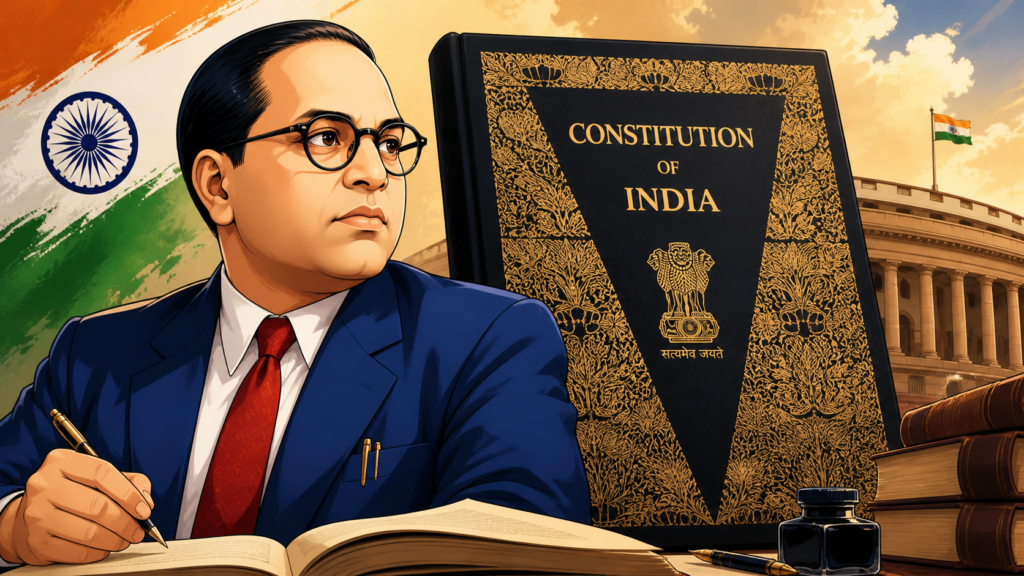
Despite these efforts, legal measures alone have not been sufficient to eradicate caste-based inequalities, indicating the deep-rooted nature of caste in Indian society.
Structural Persistence of Caste
Caste persists in India not merely as a relic of tradition but as a living social structure embedded in everyday life. Several sociological factors explain this persistence.
First, caste continues to regulate marriage patterns. Endogamy remains one of the strongest features of caste, with most marriages occurring within the same caste group. Even in urban areas, matrimonial advertisements and online platforms often emphasize caste identity.
Second, caste influences access to economic opportunities. While economic liberalization has created new avenues for mobility, caste networks still play a significant role in job access, business opportunities, and social capital.
Third, caste remains deeply intertwined with rural social structure. In many villages, land ownership, labor relations, and social hierarchy are still organized along caste lines. Lower-caste groups often face systemic disadvantages in terms of resources and power.
Urbanization and Changing Caste Dynamics
Urbanization is often seen as a force that weakens caste by promoting anonymity and merit-based interactions. Cities bring together individuals from diverse backgrounds, potentially reducing the salience of caste.
However, sociological studies show that caste does not disappear in urban settings; rather, it transforms. Urban caste networks manifest in housing patterns, social associations, and professional networks. For instance, people may prefer to live in neighborhoods dominated by their own caste group.
Moreover, caste-based organizations and associations continue to thrive in cities, often serving as support systems for migrants. These organizations also play a role in political mobilization and identity preservation.
Thus, urbanization modifies caste but does not necessarily eliminate it.
Education and Social Mobility
Education is widely regarded as a key instrument for social change. Increased access to education has enabled many individuals from marginalized castes to achieve upward mobility and challenge traditional hierarchies.
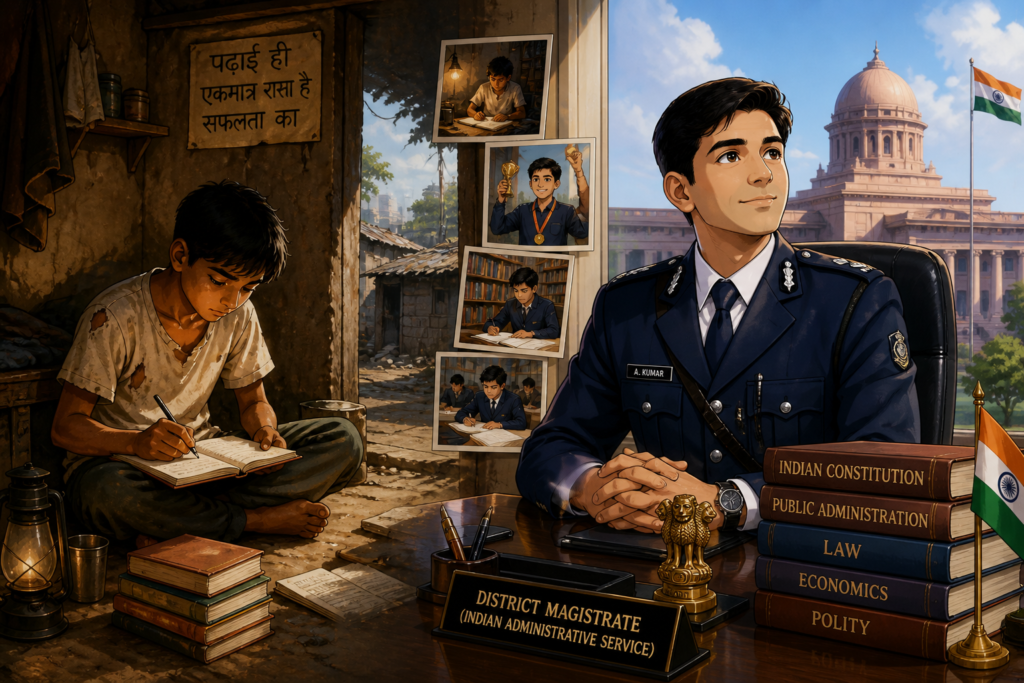
The concept of “Sanskritization,” introduced by M. N. Srinivas, explains how lower castes adopt practices of higher castes to improve their social status. However, this process does not abolish caste; it merely reshapes its hierarchy.
At the same time, education has also contributed to the politicization of caste. Educated individuals from marginalized groups have become more aware of their rights and have mobilized collectively to demand equality and representation.
While education reduces some forms of discrimination, it does not fully dismantle caste identities.
Caste and Politics
One of the most significant reasons for the persistence of caste in India is its central role in politics. Caste has become a powerful tool for political mobilization, with parties often appealing to specific caste groups to secure votes.
The rise of caste-based political parties and leaders has empowered marginalized communities but has also reinforced caste identities. Electoral politics often revolves around caste alliances and vote banks, making caste a key factor in political decision-making.
Sociologists argue that while political mobilization has democratized power, it has also institutionalized caste in new ways. Instead of disappearing, caste has adapted to modern political structures.
Economic Changes and Caste Inequality
Economic liberalization and globalization have transformed India’s economy, creating new opportunities for wealth generation and mobility. However, these changes have not affected all groups equally.
Upper-caste groups, with greater access to education and resources, have often benefited more from economic reforms. Meanwhile, marginalized castes continue to face barriers in accessing quality education, employment, and capital.
The intersection of caste and class further complicates the issue. While some individuals from lower castes have achieved economic success, many remain trapped in cycles of poverty and exclusion.
This uneven distribution of economic gains suggests that caste remains a significant determinant of life chances in India.
Cultural and Psychological Dimensions
Caste is not only a structural phenomenon but also a cultural and psychological one. It shapes identities, beliefs, and social interactions from an early age.
Prejudices and stereotypes associated with caste are often internalized, influencing attitudes and behavior. Even when legal and economic barriers are removed, these cultural dimensions can perpetuate discrimination.
For example, practices such as social exclusion, discrimination in dining, and subtle forms of bias continue to exist in many parts of India. These practices indicate that caste operates at a deeper level than formal institutions.
Movements Against Caste
India has witnessed numerous social reform movements aimed at challenging caste inequality. Leaders such as Jyotirao Phule and Periyar E. V. Ramasamy played crucial roles in advocating for social justice and equality.
Dalit movements, in particular, have been instrumental in raising awareness about caste discrimination and demanding rights. These movements have contributed to significant changes in law, policy, and public consciousness.
However, the persistence of caste-based violence and discrimination indicates that these movements, while impactful, have not fully eradicated caste.
Media, Technology, and New Possibilities
The rise of digital media and technology has created new spaces for challenging caste hierarchies. Social media platforms allow marginalized voices to be heard and enable the formation of new solidarities.
At the same time, technology can also reproduce caste biases. Online platforms, matrimonial websites, and social networks often reinforce caste preferences.
Thus, technology is a double-edged sword—it has the potential to both weaken and strengthen caste structures.
Is a Casteless Society Possible?
The idea of a casteless society in India remains both an aspiration and a challenge. From a sociological perspective, completely eliminating caste may be difficult due to its deep-rooted nature and adaptability.
However, significant progress can be made in reducing caste-based inequalities and discrimination. A casteless society may not necessarily mean the disappearance of caste identities but rather the absence of hierarchy and discrimination based on caste.
In this sense, the goal should be to transform caste from a system of inequality into a neutral cultural identity.
The Way Forward
Achieving a more egalitarian society requires a multi-dimensional approach.
Strengthening education and ensuring equal access to quality schooling can play a crucial role in reducing inequalities. Economic policies should focus on inclusive growth, ensuring that marginalized communities benefit from development.
Legal measures must be complemented by social and cultural change. Awareness campaigns, inter-caste interactions, and efforts to challenge stereotypes can help transform attitudes.
Political reforms are also necessary to reduce the instrumental use of caste in electoral politics. Encouraging issue-based politics rather than identity-based mobilization could contribute to weakening caste divisions.
Conclusion
The question of whether India can become a casteless society does not have a simple answer. Caste is deeply embedded in the social fabric, adapting to changing economic, political, and cultural contexts.
While the complete eradication of caste may be difficult, the reduction of caste-based inequality and discrimination is both possible and necessary. The vision of a casteless society should not be seen as an unattainable ideal but as a guiding principle for social transformation.
Ultimately, the future of caste in India will depend on the collective efforts of individuals, institutions, and the state to promote equality, justice, and human dignity.
FAQs
- What is a casteless society?
A casteless society refers to a social system where caste-based distinctions, hierarchies, and discrimination no longer influence an individual’s status or opportunities. - Is a casteless society possible in India?
A casteless society in India is possible in theory, but sociological realities show that deeply rooted traditions and structures make it a long-term challenge. - Why is the idea of a casteless society important?
The concept of a casteless society promotes equality, social justice, and human dignity by eliminating discrimination based on birth. - What are the main barriers to achieving a casteless society?
Key barriers include social traditions, endogamy, political mobilization, economic inequality, and cultural beliefs tied to caste. - How does education contribute to a casteless society?
Education helps reduce prejudice, increases awareness of rights, and promotes social mobility, all of which support the idea of a casteless society. - Does urbanization lead to a casteless society?
Urbanization can weaken caste boundaries, but it does not completely eliminate caste identities or practices. - What role does the Constitution play in building a casteless society?
The Indian Constitution promotes a casteless society by ensuring equality, abolishing untouchability, and providing affirmative action. - How does caste-based politics affect a casteless society?
Caste-based politics often reinforces caste identities, making the goal of a casteless society more difficult to achieve. - Can economic development create a casteless society?
Economic growth can reduce inequality, but without inclusive policies, it may not fully lead to a casteless society. - What is the role of social movements in achieving a casteless society?
Social movements raise awareness, challenge discrimination, and advocate for equality, contributing to the vision of a casteless society. - How does inter-caste marriage promote a casteless society?
Inter-caste marriages break traditional boundaries and reduce caste-based divisions, supporting the idea of a casteless society. - Is caste disappearing among younger generations?
While attitudes are changing, caste still influences identity and social relations, meaning a casteless society is not yet a reality. - What is the difference between caste equality and a casteless society?
Caste equality focuses on equal rights within the system, while a casteless society aims to eliminate the system altogether. - How does technology impact the idea of a casteless society?
Technology can both challenge caste discrimination and reinforce caste identities through social and digital networks. - What steps are needed to achieve a casteless society in India?
Key steps include education reform, inclusive economic policies, social awareness, and reducing caste-based political practices.