Introduction
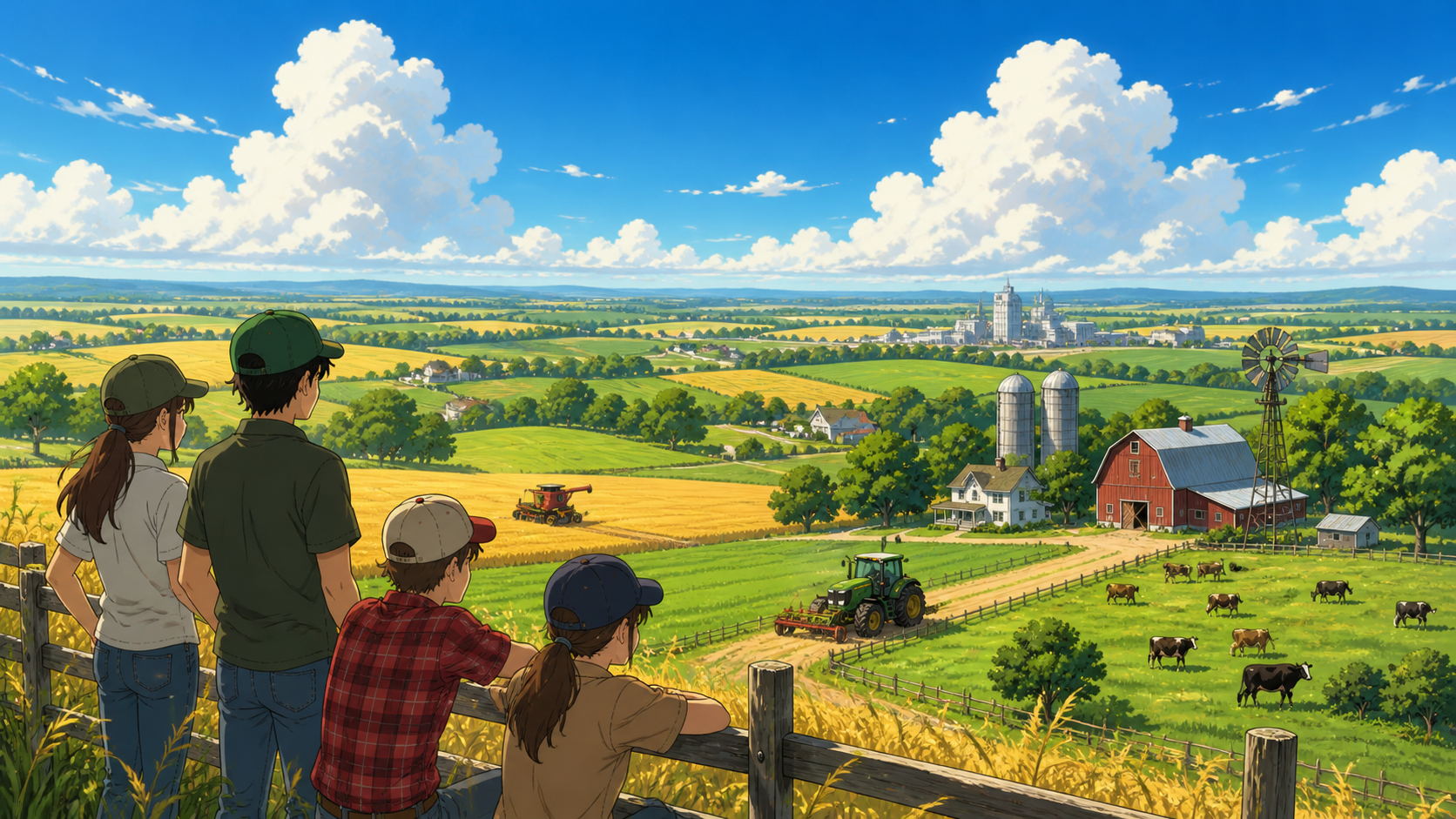
Agriculture has long been recognized as the backbone of many regional economies, but in few places is this more evident than in the U.S. state of Nebraska. Known as the “Cornhusker State,” Nebraska presents a compelling case for understanding the dynamics of an agricultural society and its associated rural sociological structures. With vast stretches of farmland, a strong agrarian identity, and a deeply embedded rural culture, Nebraska offers valuable insights into how agriculture shapes social institutions, economic relations, community life, and cultural values.
From a sociological standpoint, an agricultural society is one in which farming and related activities form the primary basis of economic production and social organization. Rural sociology, as a discipline, studies the social structures, processes, and issues of rural life, particularly those connected to agriculture. In Nebraska, these two concepts intersect powerfully, producing a unique social landscape where land, labor, and community are closely intertwined.
This article explores the agricultural society of Nebraska through a rural sociological lens, examining its historical development, economic significance, social structures, demographic trends, cultural characteristics, and contemporary challenges. Explore Rural Sociology in Nebraska through a sociological lens, analyzing agricultural society, rural communities, social structure, and contemporary challenges.
Historical Development of Agricultural Society in Nebraska
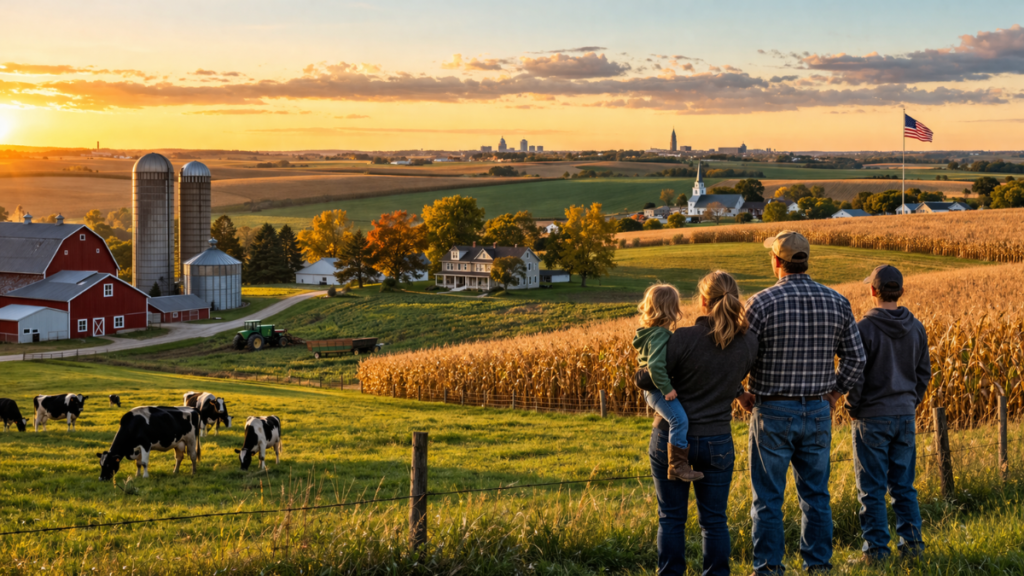
The development of Nebraska’s agricultural society is rooted in the broader history of American westward expansion. During the 19th century, federal policies such as the Homestead Act encouraged settlers to move westward and cultivate land. Nebraska’s fertile soil, vast plains, and access to water resources made it an ideal location for farming and ranching.
As settlers established farms, small rural communities began to emerge. These communities were typically organized around agricultural production, with social institutions such as schools, churches, and local markets playing central roles. Over time, agriculture became not only an economic activity but also a defining feature of social identity in Nebraska.
The establishment of land-grant universities, such as the University of Nebraska, further institutionalized agricultural development. These institutions contributed to research, education, and extension services, strengthening the scientific and social foundations of rural life. Rural sociology itself developed in the United States through such institutions, focusing on improving rural conditions and understanding agricultural communities.
Economic Foundations of Nebraska’s Agricultural Society
Nebraska’s economy is heavily dependent on agriculture, making it one of the most agriculturally oriented states in the United States. The scale and significance of agriculture in Nebraska are remarkable:
- Nearly 1 in 4 jobs in the state are tied to agriculture.
- The state has over 44,000 farms and ranches, covering about 44 million acres, or nearly 90% of its land area.
- Agriculture contributes tens of billions of dollars annually to the state’s economy.
Nebraska is a leading producer of commodities such as corn, soybeans, cattle, pork, and ethanol. These products are not only vital for domestic consumption but also play a significant role in global trade.
From a sociological perspective, the economic centrality of agriculture influences the entire social structure of the state. Employment patterns, income distribution, land ownership, and even migration trends are closely linked to agricultural production. The dominance of agribusiness and large-scale farming has also reshaped traditional rural economies, introducing new forms of economic organization and social stratification.
Social Structure and Rural Community Life
Family and Kinship
In Nebraska’s agricultural society, the family plays a central role as both a social and economic unit. Many farms are family-owned and operated, with knowledge and land passed down through generations. This creates strong kinship ties and a sense of continuity.
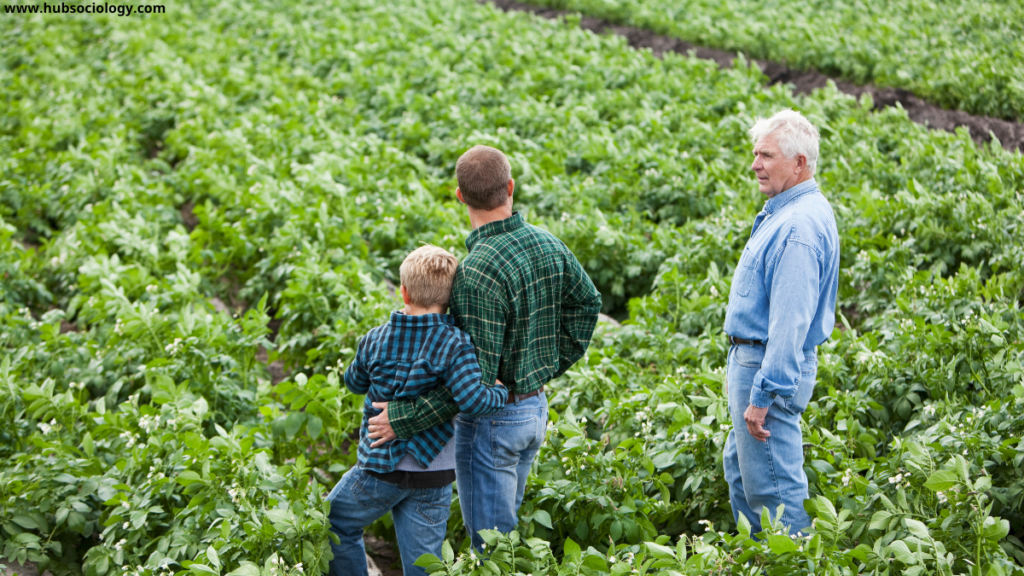
Family labor is often essential for farm operations, blurring the boundaries between home and workplace. This dual role reinforces traditional values such as cooperation, responsibility, and resilience.
Community Institutions
Rural communities in Nebraska are characterized by close-knit social networks. Institutions such as schools, churches, and local cooperatives serve as hubs of social interaction and collective identity.
Community events—such as county fairs, agricultural exhibitions, and local festivals—play a significant role in maintaining social cohesion. These events not only celebrate agricultural life but also reinforce shared values and traditions.
Social Capital
High levels of social capital are a defining feature of rural Nebraska. Trust, reciprocity, and mutual aid are common, particularly in times of crisis such as droughts or economic downturns. Farmers often rely on neighbors for support, creating a strong sense of solidarity.
However, modernization and technological changes have begun to alter these traditional patterns, leading to both opportunities and challenges.
Demographic Trends and Rural Population Dynamics
Nebraska’s rural population has undergone significant changes over time. While the state experienced rapid population growth during the settlement period, the 20th and 21st centuries have seen a slowdown and, in some areas, a decline in rural populations.
Aging Population
One notable trend is the aging of the farming population. The average age of producers in Nebraska is approximately 57 years. This has important sociological implications, including concerns about generational succession and the future of family farms.
Youth Migration
Many young people leave rural areas in search of education and employment opportunities in urban centers. This rural-to-urban migration contributes to population decline and changes in community structure.
Gender Roles
Women play an increasingly important role in agriculture, with a growing number of female producers participating in farming activities. This shift reflects broader changes in gender roles within rural society.
Agricultural Practices and Technological Change
Nebraska’s agricultural society is characterized by a combination of traditional practices and modern technological innovations.
Mechanization and Industrialization
The introduction of advanced machinery, irrigation systems, and biotechnology has transformed agricultural production. For example, center-pivot irrigation systems are widely used to ensure consistent crop yields despite variable rainfall.
These technological advancements have increased productivity but have also reduced the need for manual labor, contributing to rural depopulation.
Agribusiness and Globalization
Agriculture in Nebraska is increasingly integrated into global markets. Large agribusiness firms play a significant role in production, processing, and distribution.
While globalization has created new economic opportunities, it has also exposed farmers to market volatility and increased competition. This has led to greater economic inequality within rural communities.
Rural Inequality and Social Stratification
Despite the overall prosperity associated with agriculture, rural Nebraska faces significant social inequalities.
Economic Inequality
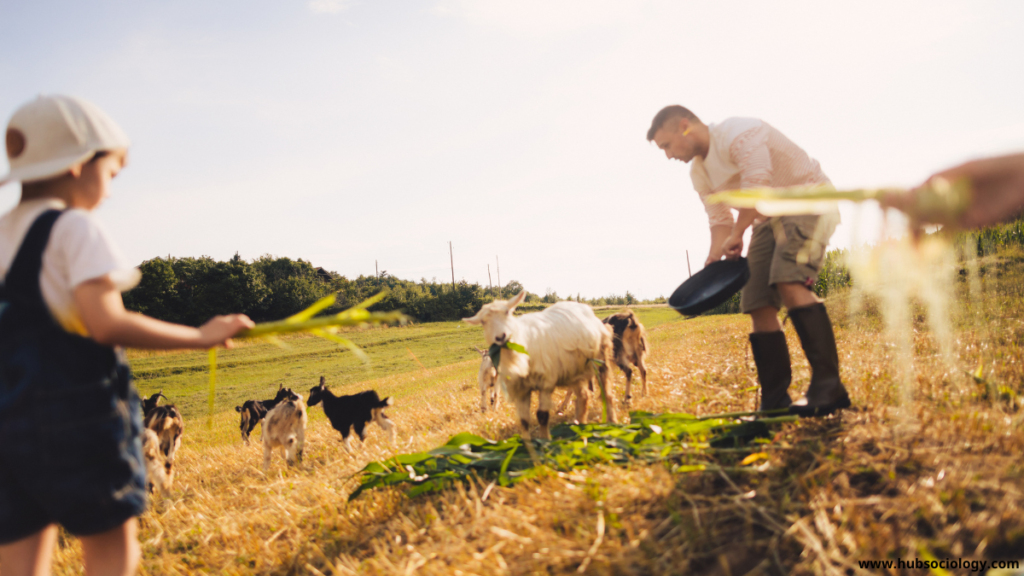
Farm income can be highly volatile, influenced by factors such as weather, market prices, and government policies. Reports indicate that farm incomes have fluctuated significantly over time, sometimes falling below sustainable levels.
Large-scale farms and agribusinesses tend to have greater resources and stability, while small family farms often struggle to compete.
Access to Resources
Access to healthcare, education, and infrastructure can be limited in rural areas. This creates disparities between rural and urban populations, affecting quality of life and social mobility.
Land Ownership Patterns
Land ownership is a key factor in rural stratification. Those who own large tracts of land have greater economic power and social influence, while tenant farmers and agricultural laborers occupy more vulnerable positions.
Culture and Identity in Agricultural Society
Agriculture is not just an economic activity in Nebraska; it is a way of life that shapes cultural identity.
Agrarian Values
Values such as hard work, self-reliance, and a strong connection to the land are deeply ingrained in Nebraska’s rural culture. These values are often passed down through generations, reinforcing a sense of continuity and tradition.
Symbolism of Land
Land holds both economic and symbolic significance. It represents heritage, identity, and social status. Ownership of land is often associated with prestige and stability.
Community Solidarity
Rural communities in Nebraska exhibit a strong sense of solidarity, rooted in shared experiences and collective challenges. This solidarity is a key aspect of rural sociological analysis.
Environmental and Sustainability Issues
Agriculture in Nebraska is closely linked to environmental factors, making sustainability a critical concern.
Water Resources
Nebraska relies heavily on groundwater from aquifers for irrigation. While these resources are abundant, their long-term sustainability is a matter of concern.
Climate Change
Changing climate patterns pose challenges for agricultural production, including increased droughts and extreme weather events.
Sustainable Practices
There is growing interest in sustainable and organic farming practices, reflecting a shift towards environmental consciousness within the agricultural community.
Role of Institutions and Policy
Institutions play a crucial role in shaping Nebraska’s agricultural society.
Government Policies
Federal and state policies, including subsidies and agricultural programs, significantly influence farming practices and rural development.
Educational Institutions
Universities and extension services provide research, training, and support to farmers, contributing to innovation and sustainability.
Non-Governmental Organizations
Organizations such as the Center for Rural Affairs work to support rural communities, advocate for family farms, and promote economic development.
Contemporary Challenges and Future Prospects
Nebraska’s agricultural society faces several challenges that have important sociological implications:
- Rural depopulation and community decline
- Economic pressures on small farms
- Environmental sustainability concerns
- Technological changes and labor displacement
At the same time, there are opportunities for renewal and transformation. The development of local food systems, investment in rural infrastructure, and adoption of sustainable practices can contribute to a more resilient agricultural society.
Conclusion
The agricultural society of Nebraska provides a rich context for understanding the principles of rural sociology. It demonstrates how economic activities, social structures, cultural values, and environmental factors are deeply interconnected.
Nebraska’s experience highlights both the strengths and challenges of an agrarian way of life. Strong community bonds, cultural continuity, and economic significance coexist with issues such as inequality, demographic change, and environmental stress.
From a sociological perspective, the study of Nebraska’s rural society offers valuable insights into the broader dynamics of agricultural communities worldwide. As agriculture continues to evolve in response to technological, economic, and environmental changes, the importance of rural sociology in understanding and addressing these transformations remains as relevant as ever.
FAQs on Rural Sociology in Nebraska
1. What is Rural Sociology in Nebraska?
Rural Sociology in Nebraska refers to the study of social relationships, institutions, and structures in Nebraska’s rural and agricultural communities.
2. Why is Rural Sociology in Nebraska important?
Rural Sociology in Nebraska is important because it helps understand how agriculture shapes social life, economic systems, and community development in rural areas.
3. How does agriculture influence Rural Sociology in Nebraska?
Agriculture forms the backbone of Rural Sociology in Nebraska by shaping employment, family structures, land ownership, and community interactions.
4. What are the main features of Rural Sociology in Nebraska?
Key features include strong community ties, family-based farming, agrarian values, and dependence on agriculture for livelihood.
5. How does Rural Sociology in Nebraska explain rural community life?
It explains how institutions like schools, churches, and cooperatives maintain social cohesion and cultural continuity in rural Nebraska.
6. What role do families play in Rural Sociology in Nebraska?
Families are central, functioning as both economic units (farm labor) and social units that preserve traditions and land ownership.
7. How does Rural Sociology in Nebraska address rural depopulation?
It studies migration patterns, especially youth moving to urban areas, and its impact on rural communities.
8. What challenges are studied under Rural Sociology in Nebraska?
Major challenges include economic inequality, aging population, environmental issues, and technological changes in agriculture.
9. How does Rural Sociology in Nebraska relate to social inequality?
It examines disparities between large agribusinesses and small farmers, as well as access to healthcare, education, and infrastructure.
10. What is the role of technology in Rural Sociology in Nebraska?
Technology increases productivity but also reduces labor demand, influencing rural employment and social structures.
11. How does Rural Sociology in Nebraska view gender roles?
It highlights changing roles, with increasing participation of women in farming and rural leadership.
12. What cultural values are emphasized in Rural Sociology in Nebraska?
Values such as hard work, self-reliance, community cooperation, and attachment to land are central.
13. How does Rural Sociology in Nebraska address environmental concerns?
It studies sustainable farming, water use, and the impact of climate change on rural livelihoods.
14. What institutions are important in Rural Sociology in Nebraska?
Educational institutions, government policies, and rural organizations play key roles in shaping agricultural and social development.
15. What is the future of Rural Sociology in Nebraska?
The future lies in balancing modernization with sustainability while preserving rural culture and community resilience.