
Environmental problems are no longer viewed only as scientific or ecological issues. In modern sociology, environmental crises are understood as deeply connected with social structures, economic systems, cultural beliefs, and political power. Environmental sociology examines the relationship between human society and the natural environment, while climate activism represents collective efforts by citizens, communities, and organizations to respond to climate change and ecological degradation. In the United States, Colorado has emerged as one of the most significant regions where environmental sociology and climate activism intersect in powerful ways.
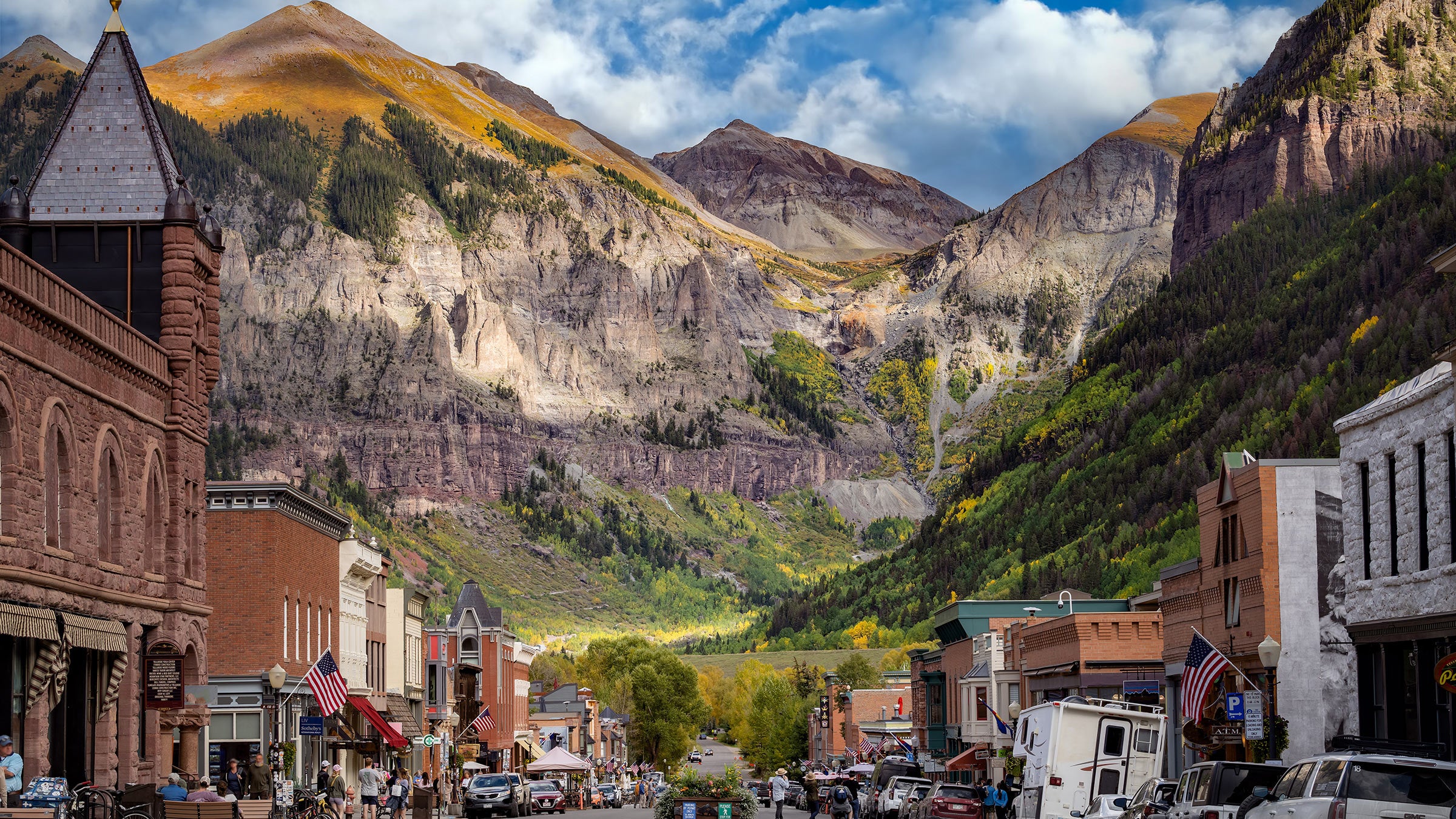
Colorado is widely known for its mountains, forests, rivers, and outdoor culture. The Rocky Mountains, ski tourism, agricultural valleys, and urban expansion create a unique environmental landscape. However, the state also faces serious environmental challenges such as droughts, wildfires, water shortages, air pollution, energy conflicts, and climate inequality. These problems have encouraged the rise of strong environmental movements, grassroots activism, Indigenous ecological struggles, youth-led climate campaigns, and debates about sustainable development.
From a sociological perspective, climate activism in Colorado reflects broader questions about capitalism, industrialization, environmental justice, political participation, social inequality, and community resilience. Environmental sociology helps explain why certain groups are more affected by climate change, why environmental conflicts emerge, and how social movements attempt to transform society.
Meaning of Environmental Sociology
Environmental sociology is a branch of sociology that studies interactions between society and nature. It examines how human activities affect the environment and how environmental changes influence social life. The field emerged strongly during the environmental movements of the 1960s and 1970s, especially after industrial pollution and ecological crises became visible worldwide.
Environmental sociologists analyze issues such as:
- Climate change
- Environmental justice
- Pollution and industrialization
- Resource distribution
- Energy politics
- Ecological movements
- Urban environmental problems
- Sustainable development
The discipline argues that environmental problems are socially produced rather than purely natural. Human decisions, economic systems, political institutions, and cultural values shape ecological outcomes. Environmental sociology also studies how social inequalities influence environmental risks. Poor communities, Indigenous populations, migrants, and marginalized groups often face greater environmental dangers than wealthy populations.
In Colorado, environmental sociology becomes especially relevant because environmental conflicts are closely tied to economic development, tourism, urban growth, fossil fuel extraction, and water politics.
Environmental Background of Colorado
Colorado possesses a diverse ecological environment. The state includes mountains, deserts, forests, rivers, plains, and urban centers such as Denver and Boulder. Its economy depends on industries like tourism, agriculture, mining, energy production, and technology.
However, climate change has significantly affected the region. Rising temperatures have increased drought conditions, intensified wildfires, reduced snowpack in the Rocky Mountains, and created water scarcity. Snowpack is crucial because it provides water for millions of people across western states. Reduced snowfall threatens agriculture, hydropower, ecosystems, and urban water supplies.
Colorado has also experienced:
- More frequent wildfires
- Heat waves
- Air pollution problems
- Urban sprawl
- Biodiversity loss
- Water conflicts between rural and urban areas
These environmental changes influence social life, economic stability, public health, and political debates. Climate change in Colorado therefore becomes not only an ecological issue but also a sociological issue involving power, inequality, and social adaptation.
Theoretical Perspectives in Environmental Sociology
Environmental sociology uses several sociological theories to understand climate activism and environmental crises in Colorado.
Structural Functionalism
Structural functionalists view society as a system where institutions work together to maintain stability. Environmental degradation is seen as a disruption of social balance. Climate activism emerges as a corrective mechanism aimed at restoring ecological and social stability.
In Colorado, environmental organizations, universities, local governments, and activists work together to promote renewable energy, wildfire management, and sustainable urban planning. These institutions attempt to adapt society to environmental changes.
Conflict Theory
Conflict theory argues that environmental problems result from unequal power relations and capitalist exploitation. Wealthy corporations and powerful industries often prioritize profits over ecological sustainability.
In Colorado, conflicts frequently occur between fossil fuel companies and environmental activists. Oil and gas drilling projects have generated protests because local communities fear pollution, health risks, and ecosystem destruction. Environmental justice movements argue that vulnerable populations often bear the costs of industrial development while corporations gain the profits.
Conflict theorists believe climate activism in Colorado reflects resistance against environmentally destructive economic systems.
Symbolic Interactionism
Symbolic interactionism focuses on meanings, symbols, and human interactions. Environmental activists create powerful symbols and narratives to influence public opinion.
In Colorado, mountains, rivers, forests, and wildlife symbolize identity and community pride. Climate activists use these cultural meanings to mobilize people. Public demonstrations, social media campaigns, climate marches, and community meetings shape environmental awareness through symbolic communication.
Ecological Modernization Theory
Ecological modernization theory argues that modern societies can solve environmental problems through technological innovation, green energy, and policy reforms.
Colorado has become a leader in renewable energy initiatives, solar power development, and sustainable urban policies. Many activists support green capitalism and technological transformation rather than complete economic restructuring.
Climate Change and Social Inequality in Colorado
One of the central ideas of environmental sociology is that climate change affects different social groups unequally. In Colorado, environmental inequality is visible across race, class, and geographic location.

Urban Inequality
Cities such as Denver experience air pollution, rising housing costs, and unequal environmental conditions. Low-income communities often live closer to highways, industrial zones, or polluted areas. These populations face greater health risks from environmental degradation.
Environmental justice activists in Colorado argue that climate policies must address social inequality along with ecological sustainability.
Rural Communities
Rural communities dependent on agriculture face water shortages, droughts, and economic instability caused by climate change. Farmers and ranchers experience uncertainty regarding crop production and livestock management.
Climate adaptation policies sometimes create tensions between environmental regulations and local economic survival. This demonstrates how environmental problems are deeply connected to social and economic structures.
Indigenous Communities
Indigenous peoples in Colorado maintain strong cultural and spiritual relationships with land and water. Climate change threatens sacred sites, ecosystems, and traditional livelihoods.
Environmental sociology emphasizes Indigenous ecological knowledge and community-based sustainability practices. Indigenous activism often challenges colonial environmental exploitation and promotes ecological justice.
Rise of Climate Activism in Colorado
Colorado has become an important center for climate activism in the United States. Environmental movements in the state involve students, scientists, Indigenous activists, nonprofit organizations, local residents, and political groups.
Climate activism in Colorado includes:
- Anti-fracking protests
- Renewable energy campaigns
- Wildfire awareness movements
- Water conservation activism
- Youth climate strikes
- Environmental justice campaigns
- Sustainable transportation advocacy
These movements aim to influence public policy, corporate behavior, and social attitudes.
Youth Climate Activism
Young people play a major role in Colorado’s climate activism. Inspired by global climate movements, students organize strikes, demonstrations, awareness programs, and online campaigns demanding stronger environmental action.
Youth activists argue that climate change threatens their future. They criticize governments and corporations for insufficient environmental responsibility. Schools and universities in Colorado have become important spaces for climate discussions and activism.
Sociologically, youth climate activism reflects generational conflict and changing social values. Younger generations are more likely to prioritize sustainability, renewable energy, and ecological ethics compared to older industrial models of development.
Anti-Fracking Movements
One of the most visible environmental conflicts in Colorado involves hydraulic fracturing or “fracking.” Fracking is used to extract oil and natural gas from underground formations.
Many communities in Colorado oppose fracking because of concerns regarding:
- Water contamination
- Air pollution
- Earthquakes
- Noise pollution
- Public health risks
- Ecosystem damage
Environmental activists organize protests, public hearings, legal campaigns, and grassroots mobilization against fossil fuel expansion.
From a sociological perspective, anti-fracking movements demonstrate how citizens resist industrial activities that threaten community well-being. These movements also show tensions between economic growth and environmental sustainability.
Wildfires and Community Response
Colorado has experienced severe wildfires in recent years due to rising temperatures and drought conditions. Wildfires destroy homes, forests, wildlife habitats, and local economies.
Environmental sociology examines how communities respond socially to environmental disasters. Wildfires create collective trauma, migration pressures, economic instability, and mental health challenges.
At the same time, disasters often strengthen community solidarity. Volunteers, local organizations, firefighters, and activists cooperate during emergencies. Climate activists use wildfire events to raise awareness about global warming and ecological vulnerability.
Water Politics in Colorado
Water is one of the most important environmental issues in Colorado. Rivers originating in the Rocky Mountains provide water to multiple western states. Climate change threatens these water systems through drought and reduced snowpack.
Environmental sociology studies water politics as a struggle over resources, power, and inequality. Conflicts emerge between:
- Urban and rural populations
- Agricultural and industrial users
- Environmental conservation and economic development
- States sharing river systems
Climate activists promote water conservation, sustainable agriculture, and ecosystem protection. Water politics in Colorado reveals how environmental resources are linked with political and economic interests.
Environmental Justice Movements
Environmental justice movements argue that environmental harms are distributed unequally. Marginalized communities often suffer greater exposure to pollution and ecological risks.
In Colorado, environmental justice campaigns focus on:
- Clean air access
- Public health protection
- Pollution control
- Equitable climate policies
- Community participation in environmental decisions
These movements combine environmental concerns with civil rights and social justice. Environmental sociology highlights that ecological sustainability cannot be achieved without addressing social inequality.
Role of Universities and Research Institutions
Universities in Colorado play a major role in climate research and environmental education. Institutions such as Colorado State University contribute to environmental sociology, climate science, sustainability studies, and ecological policy discussions.
Research institutions help:
- Produce climate data
- Educate future activists
- Influence public policy
- Promote sustainable technologies
- Increase environmental awareness
Academic knowledge often supports grassroots activism and policy reforms.
Media and Digital Climate Activism
Social media has transformed climate activism in Colorado. Digital platforms allow activists to organize protests, share scientific information, and build national and global networks.
Environmental sociology studies how media shapes environmental consciousness. Online activism creates new forms of collective identity and public participation. Climate campaigns use hashtags, videos, online petitions, and digital storytelling to mobilize support.
However, digital activism also faces challenges such as misinformation, political polarization, and online harassment.
Political Polarization and Climate Debate
Climate change remains politically controversial in many parts of the United States. Colorado reflects this political division.
Urban areas often support environmental regulations and renewable energy, while some rural and industrial communities prioritize economic growth and fossil fuel industries. Political polarization affects environmental policies, public opinion, and climate legislation.
Environmental sociology examines how ideology, media, and economic interests shape climate beliefs. Climate activism therefore becomes not only an environmental movement but also a political and cultural struggle.
Renewable Energy and Green Transition
Colorado has increasingly invested in renewable energy sources such as solar and wind power. Many climate activists support a transition away from fossil fuels toward sustainable energy systems.
The green transition creates both opportunities and challenges:
Opportunities
- Reduced carbon emissions
- Green employment
- Sustainable urban development
- Energy innovation
Challenges
- Job losses in fossil fuel industries
- Economic restructuring
- Political resistance
- Infrastructure costs
Environmental sociology studies how societies manage these transitions and how workers, communities, and institutions adapt to changing energy systems.
Sociological Importance of Climate Activism
Climate activism in Colorado demonstrates the sociological importance of collective action. Social movements influence public policy, cultural values, and environmental behavior.
Environmental activism contributes to:
- Public awareness
- Democratic participation
- Environmental education
- Policy reforms
- Community solidarity
- Ecological responsibility
Climate activism also shows how ordinary citizens challenge powerful institutions and demand social change.
Challenges Facing Climate Activism in Colorado
Despite significant progress, climate activism faces several obstacles:
- Corporate lobbying by fossil fuel industries
- Political polarization
- Economic dependence on energy industries
- Public skepticism regarding climate science
- Limited environmental funding
- Social inequality
Activists must therefore combine scientific knowledge, political strategy, community organization, and public communication to achieve long-term environmental goals.
Future of Environmental Sociology and Climate Activism
The future of environmental sociology in Colorado will likely focus on sustainability, resilience, environmental justice, and climate adaptation. Climate change will continue affecting ecosystems, cities, economies, and social relations.
Future environmental activism may emphasize:
- Green urban planning
- Renewable energy expansion
- Indigenous ecological knowledge
- Climate education
- Community resilience
- Sustainable agriculture
- Ecological democracy
Environmental sociology will remain essential for understanding how societies respond to ecological crises and how social transformations can promote sustainability.
Conclusion
Environmental sociology and climate activism in Colorado reveal the deep connection between society and the environment. Climate change is not only a scientific issue but also a social issue shaped by inequality, politics, economic systems, and cultural values. Colorado’s environmental challenges, including wildfires, droughts, pollution, water conflicts, and fossil fuel debates, demonstrate the sociological complexity of ecological crises.
Climate activism in Colorado reflects collective efforts by communities, youth groups, Indigenous activists, researchers, and environmental organizations to protect ecosystems and promote sustainability. These movements challenge industrial practices, demand environmental justice, and encourage democratic participation in ecological decision-making.
Environmental sociology provides valuable tools for understanding these social dynamics. It explains how environmental problems emerge, why certain populations suffer more than others, and how collective action can create social change. As climate change intensifies in the future, environmental sociology and climate activism will become even more important for building sustainable and equitable societies.
FAQs on Climate Activism in Colorado
1. What is climate activism in Colorado?
Climate activism in Colorado refers to organized social, political, and environmental efforts aimed at addressing climate change, promoting renewable energy, protecting ecosystems, and encouraging sustainable development across the state.
2. Why is climate activism in Colorado important?
Climate activism in Colorado is important because the state faces major environmental challenges such as wildfires, droughts, water shortages, air pollution, and rising temperatures caused by climate change.
3. How do youth participate in climate activism in Colorado?
Young people participate through climate strikes, awareness campaigns, environmental clubs, online activism, public demonstrations, and sustainability projects in schools and universities.
4. What environmental problems influence climate activism in Colorado?
Major issues include wildfires, melting snowpack, drought, pollution, water scarcity, biodiversity loss, and fossil fuel extraction activities like fracking.
5. How does environmental sociology explain climate activism in Colorado?
Environmental sociology studies how social structures, economic systems, political institutions, and cultural values shape environmental problems and climate movements in Colorado.
6. What role do Indigenous communities play in climate activism in Colorado?
Indigenous communities contribute traditional ecological knowledge, protect sacred lands, advocate for environmental justice, and support sustainable resource management.
7. How does climate activism in Colorado affect public policy?
Climate activism influences renewable energy policies, environmental regulations, climate legislation, conservation programs, and public awareness campaigns.
8. What is the connection between climate activism in Colorado and renewable energy?
Many activists support transitioning from fossil fuels to renewable energy sources such as solar and wind power to reduce carbon emissions and environmental damage.
9. Why is fracking controversial in Colorado?
Fracking is controversial because many residents and activists believe it causes water contamination, air pollution, public health risks, and environmental degradation.
10. How do wildfires impact climate activism in Colorado?
Severe wildfires increase public awareness about climate change and encourage stronger demands for environmental protection and sustainable climate policies.
11. What are environmental justice movements in Colorado?
Environmental justice movements focus on protecting marginalized communities from pollution, unequal environmental risks, and climate-related social inequality.
12. How do universities support climate activism in Colorado?
Universities conduct climate research, promote sustainability education, organize awareness programs, and encourage student participation in environmental movements.
13. What challenges does climate activism in Colorado face?
Climate activism faces challenges such as political polarization, corporate influence, economic dependence on fossil fuels, misinformation, and limited funding.
14. How does social media influence climate activism in Colorado?
Social media helps activists spread information, organize events, mobilize supporters, and connect local environmental campaigns with global climate movements.
15. What is the future of climate activism in Colorado?
The future of climate activism in Colorado will likely focus on renewable energy, climate justice, sustainable cities, water conservation, and community resilience against environmental crises.
1 thought on “Environmental Sociology and Climate Activism in Colorado”