Introduction
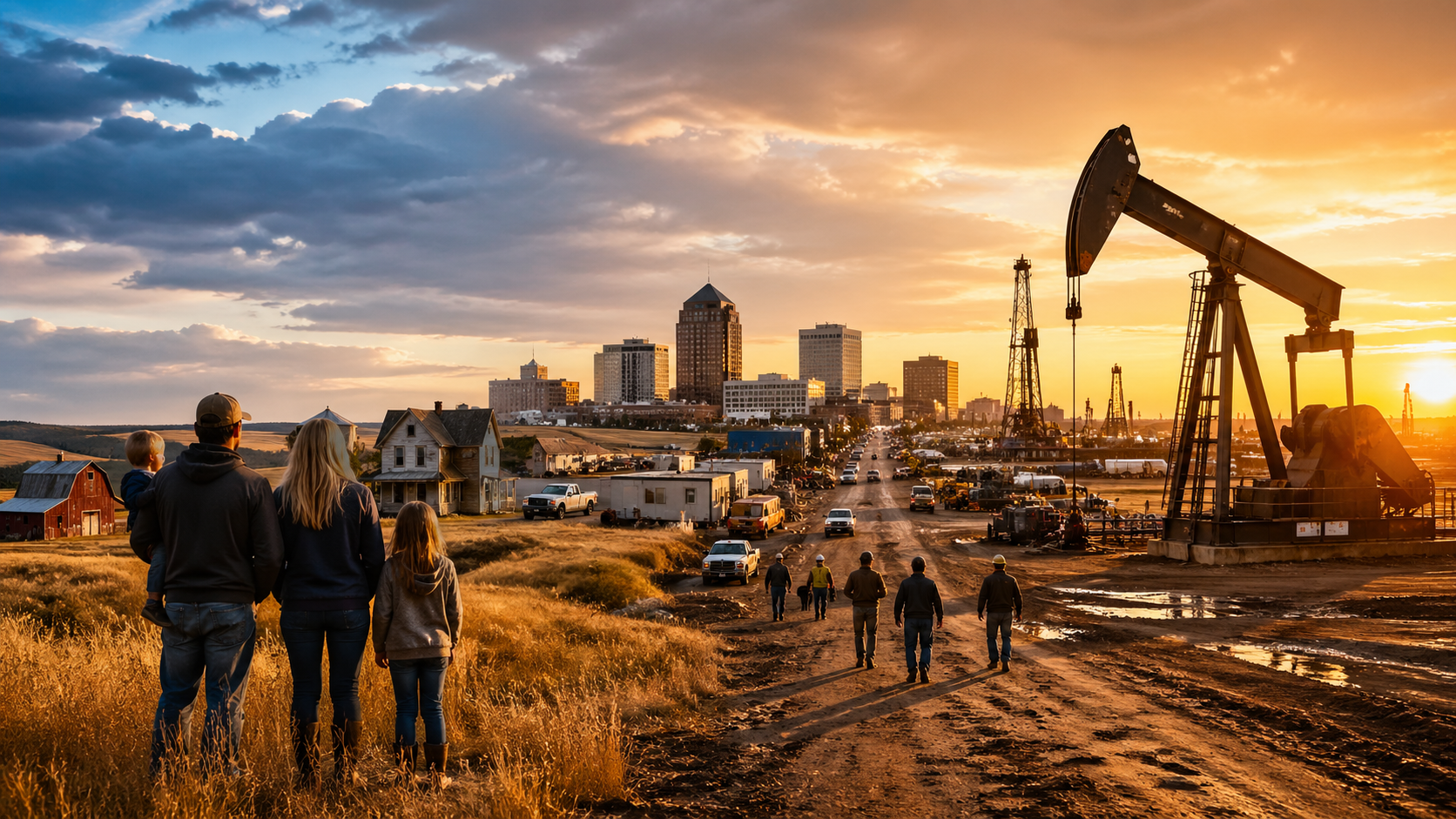
The transformation of North Dakota from a predominantly agrarian and sparsely populated state into a focal point of energy production offers a compelling case for sociological inquiry. The discovery and large-scale extraction of oil from the Bakken Formation in the early 21st century triggered a dramatic economic boom. This boom reshaped not only the economy but also the social fabric, demographic patterns, cultural life, and institutional dynamics of the region.
From a sociological perspective, the oil economy in North Dakota serves as an example of how natural resource exploitation can catalyze rapid social change. Concepts such as modernization, social stratification, migration, and community transformation become particularly relevant in understanding these developments. This article explores how the oil economy has influenced social change in North Dakota, highlighting both its opportunities and challenges.

Historical Background: From Agriculture to Oil Economy
Before the oil boom, North Dakota was largely characterized by agriculture-based livelihoods, small-town communities, and slow population growth. Farming and ranching dominated economic life, and social structures were relatively stable, with strong kinship networks and community cohesion.
The turning point came with advancements in hydraulic fracturing (fracking) and horizontal drilling technologies, which made it economically viable to extract oil from shale formations like the Bakken. By the late 2000s, North Dakota experienced one of the fastest-growing economies in the United States.
This shift from an agrarian economy to a resource-extraction economy marked a transition from traditional social organization to a more industrial and market-driven structure. Sociologically, this transformation aligns with modernization theory, where technological advancements lead to economic growth and social differentiation.
Economic Boom and Structural Transformation
The oil boom brought unprecedented economic prosperity to North Dakota. Employment opportunities surged, wages increased, and state revenues grew significantly. Cities like Williston and Minot became economic hubs due to their proximity to oil fields.
From a sociological standpoint, this economic growth led to structural changes:
- Occupational Shift: Many residents moved from agriculture to oil-related jobs, such as drilling, transportation, and services.
- Rise of Service Economy: The influx of workers created demand for housing, retail, healthcare, and education services.
- Infrastructure Development: Roads, schools, and hospitals expanded to accommodate population growth.
However, this transformation also revealed uneven development, where certain regions and social groups benefited more than others.
Migration and Demographic Changes
One of the most visible social changes was the influx of migrants. Workers from across the United States—and even internationally—moved to North Dakota seeking employment in the oil industry.
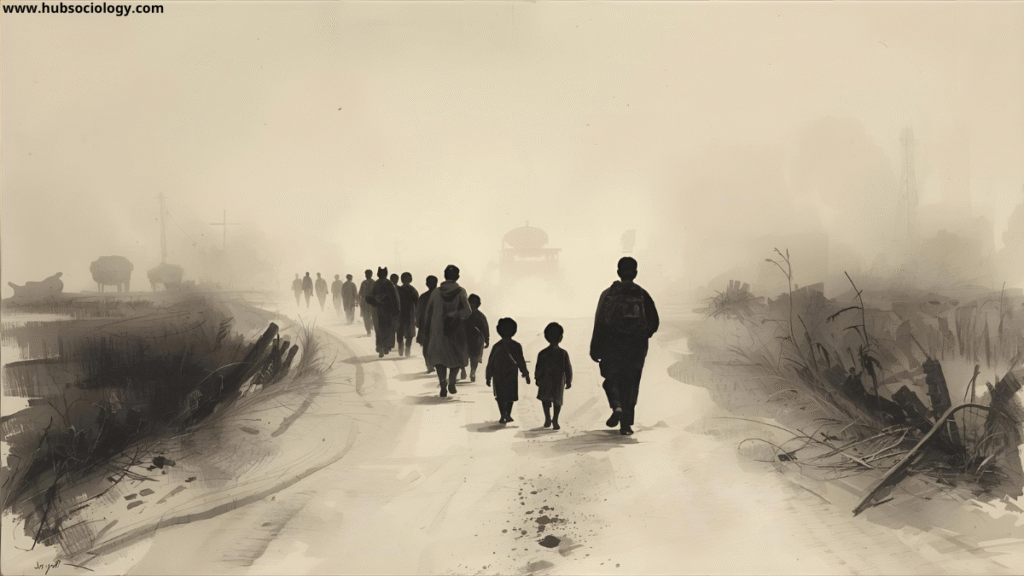
This migration led to:
- Population Growth: Towns experienced rapid population increases, often doubling within a few years.
- Demographic Diversity: The previously homogeneous population became more diverse in terms of ethnicity, culture, and age.
- Gender Imbalance: A large proportion of migrants were male workers, leading to skewed gender ratios.
From a sociological perspective, this aligns with theories of labor migration, where economic opportunities attract mobile populations. However, rapid demographic change also strained social institutions and community relations.
Urbanization and Community Transformation
The oil boom accelerated urbanization in North Dakota. Small towns transformed into bustling urban centers almost overnight. Temporary housing units, often called “man camps,” emerged to accommodate workers.
This rapid urbanization had several social implications:
- Erosion of Traditional Community Bonds: Long-standing social networks were disrupted as new populations arrived.
- Rise of Individualism: The influx of transient workers weakened collective community values.
- Pressure on Local Governance: Municipal authorities struggled to manage growth, leading to challenges in planning and service delivery.
Sociologically, this reflects the shift from Gemeinschaft (community-based society) to Gesellschaft (association-based society), as described by Ferdinand Tönnies.
Social Stratification and Inequality
While the oil boom generated wealth, it also intensified social inequalities:
- Income Disparities: Oil workers earned high wages, while service workers often faced lower pay despite increased living costs.
- Housing Crisis: Rent and property prices skyrocketed, making housing unaffordable for many residents.
- Class Divisions: A clear divide emerged between those benefiting from the oil economy and those marginalized by it.
This situation illustrates the concept of resource-based inequality, where access to natural resources determines economic and social status.
Cultural Change and Identity
The influx of diverse populations and the dominance of industrial work culture led to significant cultural shifts:
- Changing Lifestyles: Traditional rural lifestyles gave way to fast-paced, work-oriented routines.
- Cultural Integration and Conflict: Differences in values, norms, and behaviors sometimes led to tensions between locals and newcomers.
- Redefinition of Identity: North Dakota’s identity evolved from a quiet agricultural state to a dynamic energy hub.
From a symbolic interactionist perspective, these changes reflect how social interactions reshape collective meanings and identities.
Gender Relations and Family Dynamics
The oil economy also influenced gender roles and family structures:
- Male-Dominated Workforce: The predominance of male workers reinforced traditional gender divisions in labor.
- Family Separation: Many workers lived away from their families, leading to changes in family dynamics.
- Opportunities for Women: At the same time, the service sector created new employment opportunities for women.
These changes highlight the intersection of economic structures and gender relations, a key concern in feminist sociology.
Social Problems and Deviance
Rapid economic growth often brings unintended social consequences, and North Dakota was no exception:
- Crime Rates: Reports indicated increases in theft, substance abuse, and other crimes in boomtown areas.
- Mental Health Issues: The stressful and isolated nature of oil work contributed to mental health challenges.
- Substance Abuse: High incomes and transient lifestyles led to increased alcohol and drug use.
From a functionalist perspective, these issues can be seen as dysfunctions arising from rapid social change.
Environmental Impact and Social Awareness
The oil economy has significant environmental implications, including land degradation, water contamination, and greenhouse gas emissions. These environmental concerns have influenced social attitudes and activism.

Communities and organizations have increasingly engaged in debates over sustainability, balancing economic benefits with environmental protection. This reflects the growing importance of environmental sociology in understanding human-nature relationships.
Indigenous Communities and Resource Politics
The oil boom also affected Indigenous populations, particularly those near oil extraction sites such as the Fort Berthold Indian Reservation.
Key issues include:
- Economic Opportunities vs. Cultural Preservation
- Land Rights and Sovereignty
- Environmental Justice
The protests against the Dakota Access Pipeline, especially near the Standing Rock Indian Reservation, highlighted conflicts between economic development and Indigenous rights.
These developments underscore the importance of conflict theory in analyzing power struggles over resources.
Institutional Responses and Policy Implications
The state government and local institutions played a crucial role in managing the oil boom:
- Regulation of Oil Industry
- Investment in Infrastructure
- Social Services Expansion
However, policy responses often lagged behind the pace of change, leading to gaps in housing, education, and healthcare.
Sociologically, this highlights the role of institutions in mediating the effects of economic transformation.
Boom and Bust Cycles
The oil economy is inherently volatile, subject to global price fluctuations. North Dakota experienced periods of economic slowdown when oil prices dropped.
These boom-and-bust cycles have significant social implications:
- Job Insecurity
- Population Fluctuations
- Economic Uncertainty
Such cycles illustrate the dependency theory perspective, where local economies are influenced by global market forces.
Long-Term Social Impacts
The long-term effects of the oil economy on North Dakota include:
- Permanent Demographic Changes
- Diversification of Economy
- Shift in Social Values
While some changes may stabilize over time, others may continue to evolve, shaping the future of the state.
Conclusion
The oil economy in North Dakota has been a powerful driver of social change, transforming the state’s economic structure, demographic composition, and cultural landscape. From migration and urbanization to inequality and environmental concerns, the effects of oil extraction are multifaceted and complex.
Sociologically, North Dakota’s experience demonstrates how economic forces can reshape society in profound ways. It also highlights the need for balanced development policies that address not only economic growth but also social equity, environmental sustainability, and cultural preservation.
As the state continues to navigate the challenges and opportunities of the oil economy, its experience offers valuable lessons for other regions undergoing similar transformations.
FAQs on Social Change in North Dakota
- What is meant by Social Change in North Dakota?
Social Change in North Dakota refers to the transformation in economic structures, population patterns, cultural norms, and social institutions driven largely by the oil boom. - How did the oil economy trigger Social Change in North Dakota?
The oil boom created jobs, attracted migrants, and reshaped communities, leading to rapid Social Change in North Dakota. - What role does the Bakken Formation play in Social Change in North Dakota?
The Bakken Formation enabled large-scale oil extraction, which became the foundation of Social Change in North Dakota. - How has migration influenced Social Change in North Dakota?
Migration increased population diversity, altered demographics, and contributed significantly to Social Change in North Dakota. - What are the economic effects of Social Change in North Dakota?
Economic effects include higher wages, job creation, and infrastructure growth, alongside rising inequality and cost of living. - How has urbanization contributed to Social Change in North Dakota?
Rapid urban growth transformed small towns into busy centers, changing lifestyles and weakening traditional community bonds. - What impact has Social Change in North Dakota had on housing?
It caused housing shortages, rising rents, and the emergence of temporary accommodations like man camps. - How has Social Change in North Dakota affected local culture?
It introduced diverse cultural influences, reshaped identities, and sometimes created tensions between locals and newcomers. - What are the gender implications of Social Change in North Dakota?
A male-dominated workforce altered gender balance, family life, and employment opportunities for women. - How has Social Change in North Dakota influenced crime rates?
Some boomtown areas experienced increases in crime and substance abuse due to rapid population growth. - What is the relationship between Social Change in North Dakota and environmental issues?
Oil extraction has raised concerns about pollution and sustainability, shaping environmental awareness and activism. - How have Indigenous communities been affected by Social Change in North Dakota?
Indigenous groups faced both economic opportunities and challenges related to land rights and environmental protection, especially near the Standing Rock Indian Reservation. - What role did the Dakota Access Pipeline play in Social Change in North Dakota?
It sparked protests and debates over development, sovereignty, and environmental justice. - Is Social Change in North Dakota permanent or temporary?
Some changes, like demographic shifts, may be long-term, while others fluctuate with oil market cycles. - What lessons can be learned from Social Change in North Dakota?
It highlights the need for balanced development that considers economic growth, social equity, and environmental sustainability.
1 thought on “Oil Economy and Social Change in North Dakota: A Sociological Analysis”