
Introduction
Work culture plays a decisive role in shaping individual identities, social relationships, and overall well-being. In East Asia—particularly in countries such as Japan, South Korea, China, and Taiwan—work culture is deeply embedded in historical traditions, economic development models, and collective social values. While this region has achieved remarkable economic growth and global competitiveness, it has also witnessed rising concerns related to mental health, including stress, burnout, depression, anxiety, and even work-related suicides.
From a sociological standpoint, mental health issues in East Asia cannot be understood merely as individual psychological problems. Rather, they are socially produced, shaped by organizational structures, cultural expectations, state policies, and power relations within workplaces. This article explores how East Asian work culture affects mental health, examining its historical roots, structural characteristics, cultural norms, gender dimensions, and emerging reforms.

Understanding Work Culture in East Asia
Historical Foundations
East Asian work culture has been strongly influenced by Confucian philosophy, which emphasizes discipline, hierarchy, loyalty, respect for authority, and collective responsibility. These values historically promoted social harmony and economic productivity but also reinforced rigid organizational structures.
During the post-World War II period, countries like Japan and South Korea adopted developmental state models, prioritizing rapid industrialization. Long working hours, lifelong employment (especially in Japan), and strong corporate loyalty became normalized as moral obligations rather than contractual arrangements.
In China, socialist work ethics combined with post-reform market competition have produced a hybrid work culture marked by intense productivity pressures.
Key Characteristics of East Asian Work Culture
Long Working Hours
East Asia is globally known for extended working hours. Sociologically, long hours symbolize commitment, loyalty, and moral worth, rather than mere labor input.
- Japan popularized the concept of karōshi (death due to overwork).
- South Korea has historically recorded some of the highest annual working hours among OECD countries.
- China’s tech sector has normalized the controversial “996” work schedule (9 a.m. to 9 p.m., six days a week).
These patterns reflect structural coercion, where workers internalize organizational expectations due to job insecurity and social pressure.
Presenteeism and Workplace Surveillance
Presenteeism—the expectation to remain physically present even when productivity is low—reflects a symbolic commitment to work. Employees may hesitate to leave before their seniors, fearing negative evaluation.
From a sociological lens, this practice represents disciplinary power, as described by Michel Foucault, where surveillance becomes internalized and self-regulated.
Hierarchy and Authority
Workplaces in East Asia are typically hierarchical, with decision-making concentrated at the top. Questioning authority or expressing emotional distress is often perceived as weakness or disrespect.
This hierarchical rigidity limits emotional expression, contributing to suppressed stress and unaddressed mental health problems.
Mental Health as a Social Issue

Stigma and Cultural Silence
Mental health remains heavily stigmatized across East Asia. Cultural norms emphasize emotional restraint, endurance (gaman in Japan), and perseverance.
Mental illness is often viewed as:
- A personal failure
- A family embarrassment
- A threat to workplace harmony
As a result, workers frequently avoid seeking professional help, leading to underreporting and delayed intervention.
Work Stress and Psychological Strain
Sociologically, work stress in East Asia arises not only from workload but from role expectations and social comparison.
Key stressors include:
- Performance-based evaluations
- Job insecurity in neoliberal economies
- Pressure to meet family expectations
- Fear of social failure
Émile Durkheim’s concept of anomie is relevant here, as rapid economic and social changes disrupt traditional norms, increasing psychological distress.
Country-Specific Perspectives
Japan: Karōshi and Corporate Loyalty
Japan’s work culture is rooted in post-war corporate paternalism. While lifetime employment offered security, it also demanded total dedication.
Karōshi cases reveal how structural exploitation is normalized through moral narratives of sacrifice. Suicide linked to overwork (karōjisatsu) highlights the fatal consequences of unchecked work pressure.
Despite recent labor reforms, cultural change remains slow.
South Korea: Competition and Educational Pressure
South Korea’s work culture is shaped by intense competition originating in its education system. Success is measured through productivity and economic status.
Employees face:
- Long hours
- High performance expectations
- Limited work-life balance
Sociologically, this reflects status anxiety, where individuals constantly strive to maintain social position in a highly stratified society.
China: Neoliberal Growth and the 996 Culture
China’s rapid capitalist expansion has intensified labor exploitation, particularly in the private and tech sectors.
The “996” culture reflects:
- Weak labor enforcement
- Corporate dominance
- Internalized neoliberal ideology
Mental health struggles are often dismissed as personal weakness, reflecting structural invisibility of worker suffering.
Taiwan and East Asian Variations
Taiwan exhibits similar pressures but has made relatively greater progress in workplace mental health awareness, influenced by democratic governance and civil society activism.
Gender, Work, and Mental Health
Double Burden on Women
Women in East Asia face a dual responsibility of professional work and unpaid domestic labor. Despite increased workforce participation, traditional gender norms persist.
Consequences include:
- Higher emotional labor
- Career interruptions
- Workplace discrimination
Sociologically, this represents patriarchal structuring of labor, where mental health risks are unevenly distributed.
Masculinity and Emotional Suppression
Men face pressure to embody ideals of toughness and endurance. Expressing mental distress contradicts dominant models of masculinity.
This contributes to:
- Higher male suicide rates
- Lower help-seeking behavior
- Emotional isolation
The Role of the State and Institutions
Labor Laws and Policy Interventions
Governments have begun recognizing the mental health crisis:
- Japan introduced caps on overtime and mandatory stress checks.
- South Korea reduced maximum weekly working hours.
- China has initiated discussions on labor rights, though enforcement remains limited.
However, sociologically, policy reforms often clash with deeply embedded cultural norms, limiting their effectiveness.
Corporate Responses and Limitations
Many companies promote wellness programs, but these often focus on individual resilience rather than structural reform.
This reflects neoliberal responsibilization, where workers are expected to manage stress without addressing systemic causes.
Digitalization and New Work Pressures
The rise of remote work and digital monitoring has blurred boundaries between work and personal life.
Sociologically, this creates:
- Constant availability expectations
- Algorithmic management
- New forms of surveillance
While technology offers flexibility, it also intensifies mental health risks if unregulated.
Resistance and Changing Attitudes
Youth Movements and Cultural Shifts
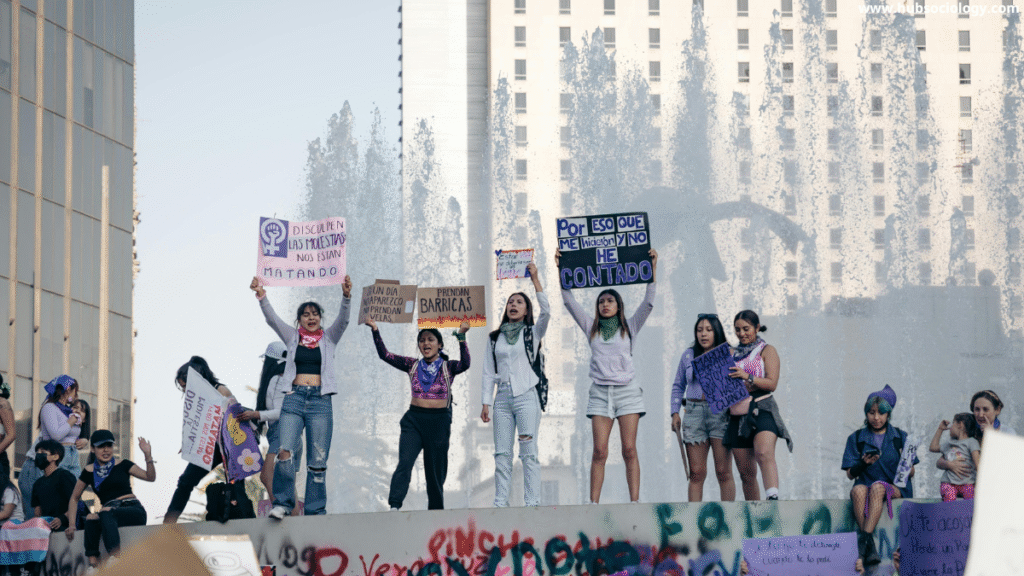
Younger generations increasingly challenge traditional work norms, valuing:
- Work-life balance
- Mental well-being
- Personal fulfillment
In Japan and South Korea, declining work commitment among youth reflects cultural resistance rather than laziness.
Role of Media and Public Discourse
Media coverage of burnout, suicide, and workplace abuse has increased public awareness, contributing to collective consciousness around mental health.
Sociological Theoretical Interpretations
- Marxist perspective: Views mental health issues as outcomes of labor exploitation and alienation.
- Functionalist perspective: Sees work stress as dysfunction arising from imbalance in social institutions.
- Symbolic interactionism: Highlights stigma, labeling, and identity struggles in workplace mental health.
- Foucauldian analysis: Examines surveillance, discipline, and normalization of overwork.
Conclusion
Work culture and mental health in East Asia are deeply interconnected through historical traditions, economic systems, and cultural norms. Mental health struggles cannot be reduced to individual weakness; they are socially structured phenomena produced by long working hours, hierarchical workplaces, stigma, and neoliberal competition.
While policy reforms and cultural shifts offer hope, meaningful change requires:
- Structural transformation of work systems
- Destigmatization of mental health
- Gender-sensitive labor policies
- Collective responsibility rather than individual blame
From a sociological perspective, improving mental health in East Asia ultimately demands reimagining work itself—not merely as economic activity, but as a social institution that must prioritize human dignity and well-being.
FAQs
1. What is meant by Work Culture in sociology?
Work Culture refers to the shared values, norms, beliefs, attitudes, and practices that shape how work is organized and experienced within a society or organization. In sociology, it explains how social structures influence behavior, discipline, and relationships at the workplace.
2. How does Work Culture influence mental health?
Work Culture influences mental health by shaping working hours, performance expectations, authority relations, and work-life balance. A highly competitive or hierarchical work culture often leads to stress, burnout, anxiety, and depression among workers.
3. Why is Work Culture in East Asia considered intense?
Work Culture in East Asia is considered intense due to long working hours, strong emphasis on loyalty, presenteeism, and social pressure to conform. These features are historically rooted in Confucian ethics and developmental economic models.
4. What is the relationship between Work Culture and overwork?
Work Culture normalizes overwork by associating long hours with dedication and moral commitment. Concepts like karōshi in Japan demonstrate how overwork is socially legitimized within workplace norms.
5. How does hierarchy shape Work Culture?
Hierarchy shapes Work Culture by concentrating power in senior positions and limiting open communication. Employees may suppress stress or mental health concerns due to fear of disrespecting authority or facing negative evaluations.
6. How does gender affect Work Culture?
Work Culture affects men and women differently. Women often experience a double burden of paid work and unpaid domestic labor, while men face pressure to conform to ideals of endurance and emotional suppression, increasing mental health risks.
7. What role does stigma play in Work Culture?
Stigma within Work Culture discourages discussions about mental health, as psychological distress is often seen as weakness or personal failure. This leads to underreporting and lack of professional help-seeking.
8. How is Work Culture changing among younger generations?
Younger generations are challenging traditional Work Culture by prioritizing work-life balance, mental well-being, and personal fulfillment. This reflects a cultural shift rather than a decline in work ethics.
9. What is the role of the state in shaping Work Culture?
The state influences Work Culture through labor laws, working-hour regulations, and workplace mental health policies. However, cultural norms often limit the effectiveness of these reforms.
10. How do sociologists analyze Work Culture?
Sociologists analyze Work Culture using various perspectives—Marxist theories focus on exploitation, functionalism examines institutional balance, symbolic interactionism studies stigma and identity, and Foucauldian approaches explore surveillance and discipline.