Social Effects of the One-Child Policy: A Sociological Perspective

Social Effects of the One-Child Policy

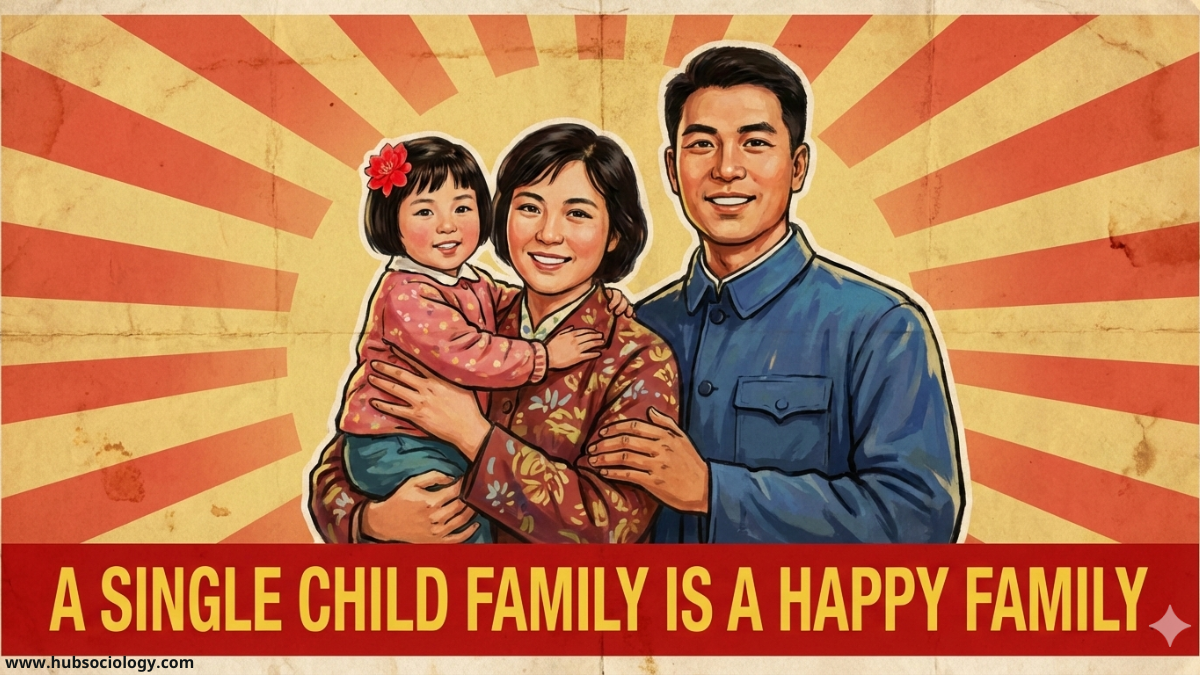
Introduction China’s One-Child Policy, introduced in 1979, remains one of the most ambitious and controversial social engineering projects in modern history. Implemented to control rapid population growth after decades of high fertility rates, the policy profoundly reshaped Chinese society. While its demographic and economic consequences have been widely discussed, the social effects of the One-Child … Read more

Cultural Globalization in East Asia: A Sociological Perspective

G.H. Mead on Hermeneutic and Interpretative Traditions – 50 MCQs with Answers (UGC NET Sociology)

Introduction Cultural globalization—the movement, hybridization, and diffusion of cultural practices, symbols, and identities across borders—has reshaped societies around the world. In East Asia, this process has unfolded with unique characteristics due to the region’s long civilizational history, strong state structures, rapid economic development, and increasingly influential cultural industries. Countries such as China, Japan, South Korea, … Read more

Youth Protest Movements in Hong Kong: A Sociological Analysis

Dalit Movement and Social Justice in India: A Sociological Perspective

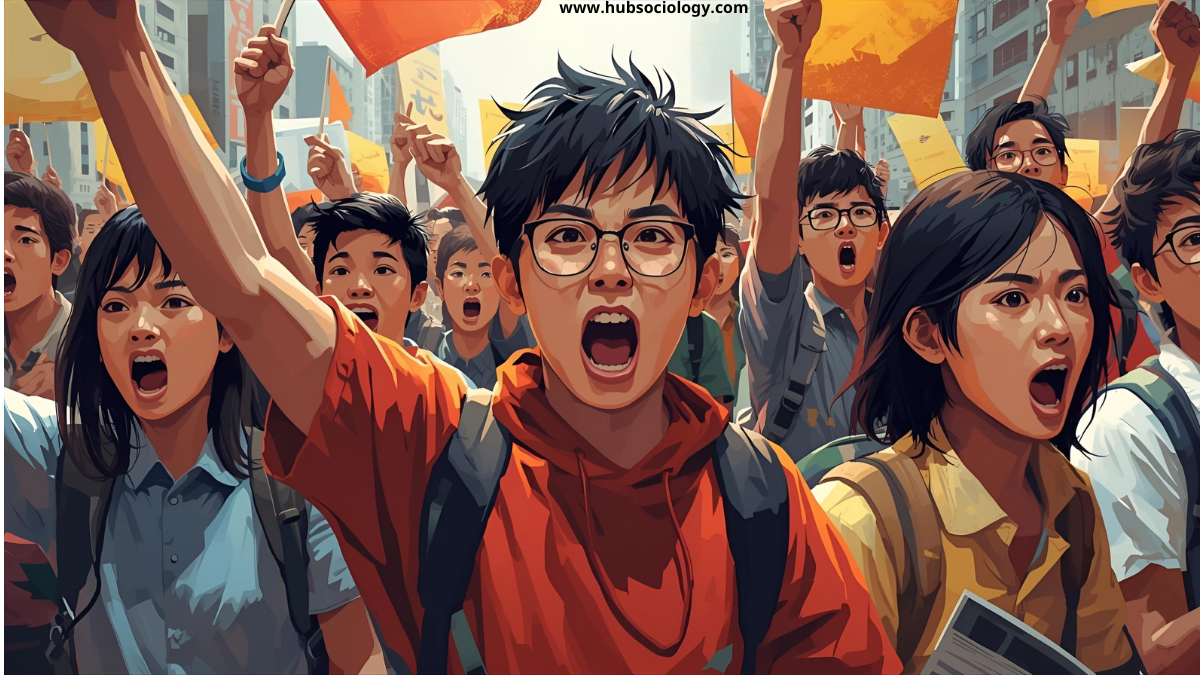
Youth protest movements have emerged as one of the most defining socio-political phenomena in Hong Kong over the past decade. From the 2014 Umbrella Movement to the 2019 Anti-Extradition Bill protests, young people have consistently been at the forefront of collective action, mobilizing in large numbers and shaping global conversations about democracy, identity, and state-society … Read more

China’s Hukou System and Social Inequality: A Sociological Analysis

China’s Hukou System and Social Inequality: A Sociological Analysis

China’s rapid economic transformation over the past four decades has reshaped global discussions on development, urbanization, and social change. Yet beneath the impressive growth lies a deeply rooted institutional mechanism that continues to shape life chances, identity, and social mobility for millions of Chinese citizens—the hukou system. Originally introduced in the 1950s as a household … Read more

Urbanization and Mega-Cities in China: A Sociological Exploration

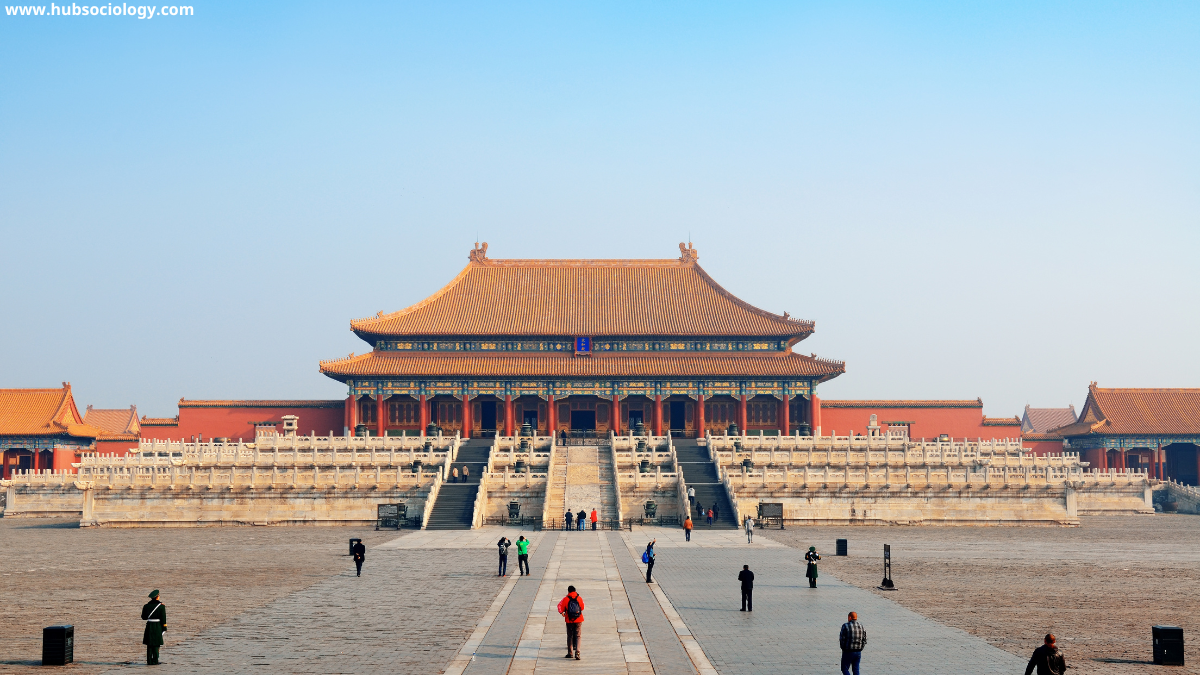
Introduction Over the last four decades, few social transformations have been as dramatic, rapid, and far-reaching as China’s urbanization. From a largely agrarian society in the 1970s, China has evolved into a nation where over 65% of the population now lives in cities. This unprecedented shift has led to the rise of mega-cities—urban centers with … Read more

Family Values in Japan, South Korea and China: A Sociological Perspective

Family Values in Japan, South Korea and China: A Sociological Perspective

Introduction on Family Values Family is one of the most enduring social institutions that shapes cultural identity, moral systems, and social behaviour. In East Asia, particularly in Japan, South Korea, and China, family values form the backbone of societal organization and individual conduct. Despite the pressures of globalization, modernization, and demographic changes, the traditional East … Read more

Social Movements and Youth in Central Asia: A Sociological Perspective

Social Movements and Youth in Central Asia: A Sociological Perspective

Introduction on Social Movements and Youth Social movements have long been vehicles of collective action, allowing marginalized groups and disenfranchised populations to articulate grievances and challenge structures of power. In Central Asia, a region characterized by its unique post-Soviet transition, authoritarian governance, and hybrid socio-political structures, youth play an increasingly prominent role in shaping and … Read more

Geopolitics and Society: Russia vs China in Central Asia

Introduction on Russia vs China in Central Asia Central Asia, a vast region comprising Kazakhstan, Kyrgyzstan, Tajikistan, Turkmenistan, and Uzbekistan, occupies a crucial position in global geopolitics. Nestled between Russia, China, South Asia, and the Middle East, the region has historically been a crossroads of trade, culture, and imperial ambitions. Today, Central Asia finds itself … Read more

Labor Migration to Russia: Impact on Central Asia (Sociological Perspective)

Historical Materialism: Why Marx’s Idea Matters in the AI Era

Introduction Labor migration has become one of the most defining social, economic, and cultural phenomena in Central Asia since the collapse of the Soviet Union. Russia, as the largest economy in the post-Soviet space, has attracted millions of migrant workers from Central Asian republics such as Uzbekistan, Tajikistan, Kyrgyzstan, Kazakhstan, and Turkmenistan. While Russia’s growing … Read more

Ethnic Diversity and Tensions in Kyrgyzstan: A Sociological Perspective

Ethnic Diversity and Tensions in Kyrgyzstan: A Sociological Perspective

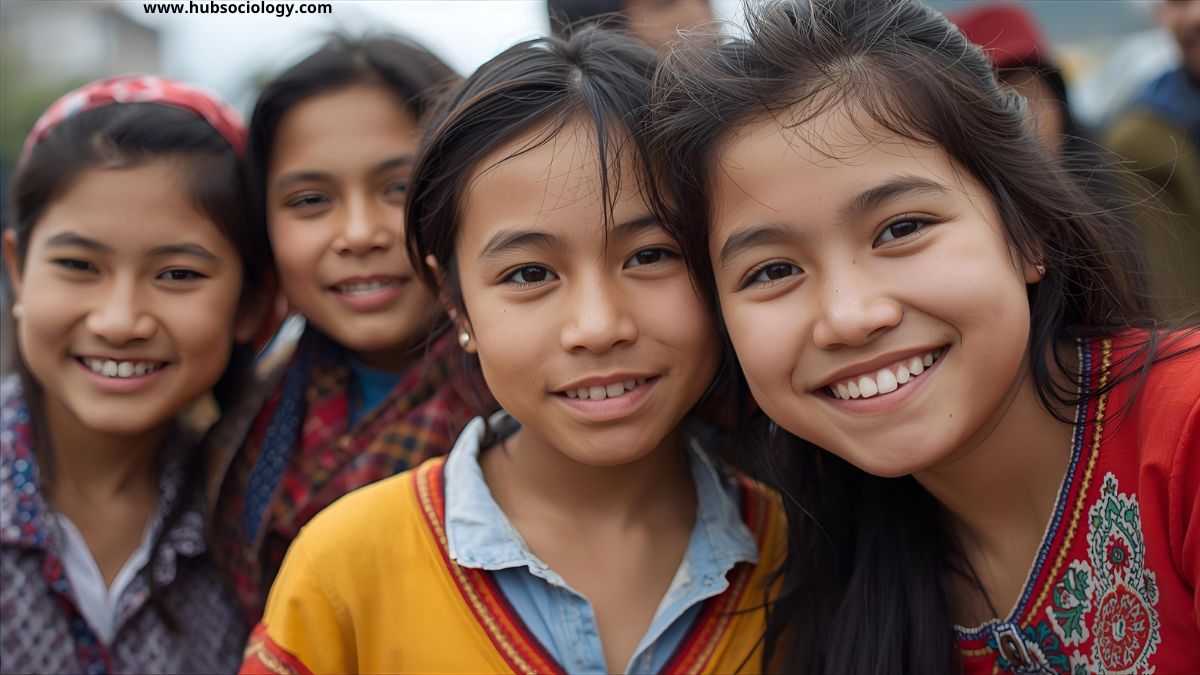
Introduction Kyrgyzstan, a landlocked Central Asian state, is often described as a “crossroads of civilizations.” Historically, it has been home to nomadic Turkic peoples, Persian-speaking traders, Mongol invaders, and, more recently, Russian settlers during the Tsarist and Soviet periods. This historical layering of populations has produced a country that is ethnically diverse despite its relatively … Read more