Introduction
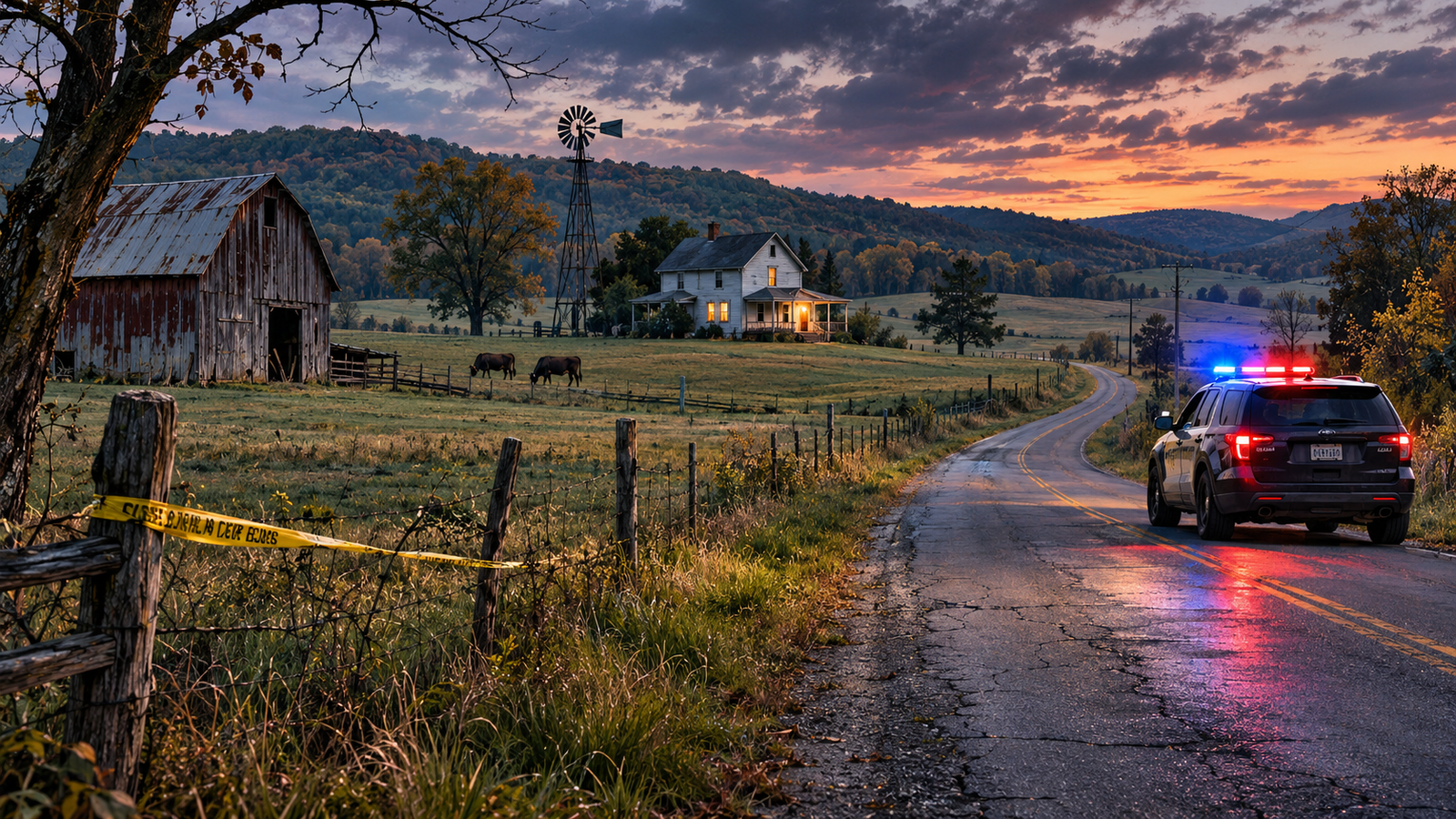
When people think about crime in the United States, they often associate it with large cities, overcrowded neighbourhoods, gang violence, robbery, and organized criminal networks. However, Rural Crime in America is an equally important sociological issue that deserves greater academic attention. Rural communities are frequently portrayed as peaceful, close-knit, traditional, and socially stable. Although these characteristics exist in many rural areas, they do not mean that rural societies are free from crime, violence, or social conflict.
Rural Crime in America refers to criminal activities occurring in rural communities, including drug trafficking, property theft, domestic violence, agricultural crime, violent offences, human trafficking, and cybercrime. These offences are shaped by distinctive social, economic, cultural, and geographical conditions.
From a sociological perspective, rural crime cannot be understood simply as individual misconduct. It must be examined in relation to poverty, unemployment, social isolation, inequality, changing family structures, limited institutional resources, and transformations in rural economies.
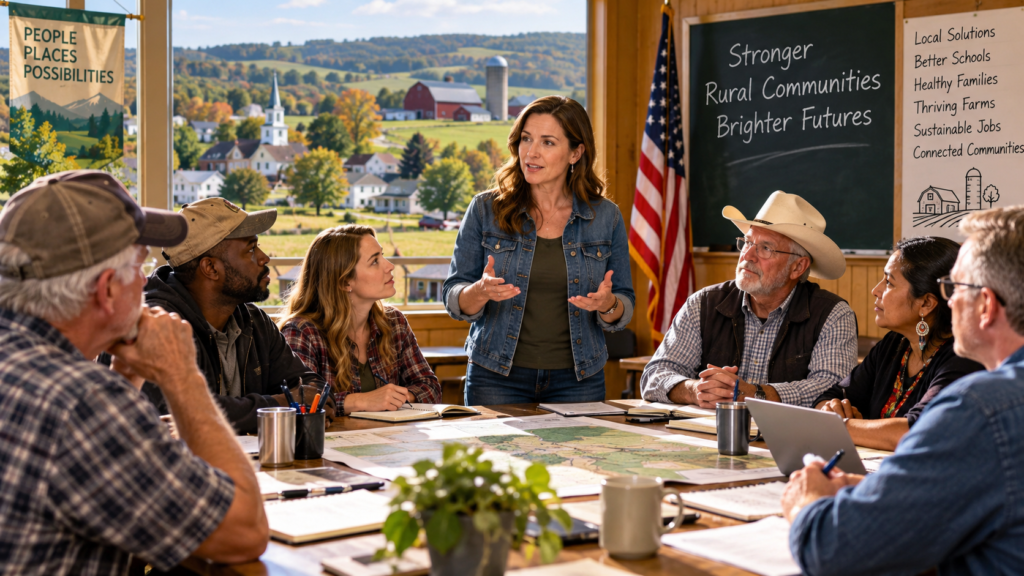
The problem of Rural Crime in America also challenges the traditional assumption that rural communities are naturally safer than urban societies. While crime patterns differ across geographical settings, rural communities face particular difficulties in reporting, investigating, preventing, and responding to criminal activities.
This article examines Rural Crime in America through major sociological theories, recent developments, and the changing social conditions of contemporary rural society.
1. Understanding Rural Crime in America
Rural crime refers to illegal activities committed in areas characterized by relatively low population density, smaller settlements, agricultural activities, and limited urban infrastructure.
Unlike urban crime, Rural Crime in America often takes place across large geographical areas where houses, farms, businesses, and public institutions may be separated by considerable distances.
Some common forms of rural crime include:
- Agricultural and livestock theft.
- Drug trafficking and substance-related offences.
- Domestic violence and sexual abuse.
- Burglary, property theft, and vandalism.
- Firearms-related violence.
- Human trafficking and labour exploitation.
- Financial fraud and cybercrime.
One important characteristic of Rural Crime in America is its relationship with geographical isolation. Victims may live far from police stations, hospitals, legal services, and social support organizations.
Furthermore, rural communities frequently depend on informal relationships and personal networks. These relationships can strengthen social solidarity, but they may also discourage victims from reporting crimes when offenders are relatives, neighbours, employers, or influential community members.
Therefore, Rural Crime in America must be understood as a complex social phenomenon rather than simply a collection of criminal incidents.
2. Economic Inequality and Rural Crime
Economic inequality is one of the important sociological explanations for Rural Crime in America.
Many rural communities have experienced industrial decline, agricultural restructuring, declining employment opportunities, and population loss. The closure of factories, declining profitability of family farms, and limited availability of well-paid jobs have created economic insecurity in several rural regions.
Robert K. Merton’s Strain Theory provides a useful explanation. According to Merton, societies encourage individuals to achieve culturally approved goals, particularly financial success and social status. However, when legitimate opportunities are restricted, some individuals may adopt alternative methods of achieving those goals.
For example, individuals facing unemployment, poverty, or financial insecurity may become involved in illegal activities such as drug distribution, theft, or fraud.
However, poverty does not automatically produce criminal behaviour. Most economically disadvantaged people do not commit crimes. Rather, economic hardship can interact with social exclusion, weak institutions, substance misuse, and limited opportunities to increase vulnerability to certain forms of crime.
In this context, Rural Crime in America reflects broader structural inequalities within American society.
3. Social Disorganization Theory and Rural Communities
Social Disorganization Theory, developed by sociologists Clifford Shaw and Henry McKay, explains how neighbourhood conditions influence crime.
According to this theory, crime becomes more likely when communities experience weakened social institutions, poverty, residential instability, and declining collective control.
Although the theory was originally developed through research on urban neighbourhoods, it can also help explain Rural Crime in America.
Some rural communities experience population decline, migration of younger residents, declining schools, and the disappearance of local businesses. These changes may weaken traditional community networks.
For example, when young people migrate to cities for employment, older populations may remain behind with fewer local resources. Community organizations, recreational facilities, and informal support networks may become weaker.
The concept of collective efficacy is particularly relevant. Collective efficacy refers to the willingness of community members to cooperate and intervene for the common good.
In rural societies, close personal relationships can create strong collective efficacy. However, social pressure, fear of retaliation, and personal loyalties can sometimes prevent residents from reporting criminal behaviour.
Thus, Rural Crime in America is influenced not only by individual decisions but also by the strength and functioning of community institutions.
4. Drug Abuse and the Opioid Crisis
Drug-related crime is one of the most significant challenges affecting several rural communities in the United States.
The opioid crisis has had particularly serious consequences in parts of Appalachia and other economically disadvantaged regions. Prescription opioid misuse, heroin, and the spread of synthetic opioids such as fentanyl have contributed to addiction, overdose deaths, family disruption, and criminal justice involvement.
The relationship between substance use and Rural Crime in America is complex.
Drug dependence can contribute to certain property offences, illegal drug distribution, and other criminal activities. At the same time, drug trafficking organizations exploit economically vulnerable communities and geographical transportation networks.
Recent national overdose reporting has indicated a substantial decline in drug overdose deaths during 2024 compared with 2023. However, this improvement does not mean that the underlying social and economic conditions of the opioid crisis have disappeared.
From a sociological perspective, drug-related crime should be examined through social exclusion, unemployment, community disintegration, inadequate healthcare access, and the medicalization of social problems.
Labelling individuals with addiction as criminals without addressing their social circumstances may deepen marginalization.
Therefore, effective responses to Rural Crime in America require addiction treatment, mental health services, rehabilitation, and economic development alongside appropriate law enforcement.
5. Domestic Violence and Hidden Crimes in Rural America
Domestic violence is another important but frequently underreported dimension of Rural Crime in America.
Rural victims may experience particular barriers when attempting to escape abusive relationships. Geographical isolation, limited public transportation, financial dependence, inadequate shelter facilities, and fear of social stigma can make reporting difficult.

In smaller communities, victims and offenders may share social networks. Police officers, local officials, and community members may personally know the individuals involved.
This can create concerns about privacy and confidentiality.
Feminist sociological perspectives explain domestic violence through unequal power relations, patriarchal family structures, gender inequality, and economic dependence.
The problem is not simply an individual conflict between partners. It can reflect wider social arrangements that restrict women’s autonomy and reinforce unequal relationships.
Sexual abuse, child abuse, and violence against vulnerable adults can also remain hidden when victims lack access to confidential reporting mechanisms.
Consequently, official crime statistics may not fully represent the actual extent of Rural Crime in America.
Improving confidential support services, rural shelters, legal assistance, and community awareness is essential for addressing these hidden crimes.
6. Agricultural Crime and Property Theft
Agriculture remains central to the economic and cultural identity of many rural American communities.
However, farms and agricultural businesses are vulnerable to different types of criminal activity. Livestock theft, machinery theft, fuel theft, crop destruction, equipment burglary, and illegal dumping can create substantial financial losses.
Agricultural crime is particularly challenging because farms often cover large areas with limited surveillance and relatively few nearby residents.
For example, stolen tractors, farm machinery, irrigation equipment, and livestock can be transported across county or state boundaries, making investigation difficult.
Routine Activity Theory, associated with Lawrence Cohen and Marcus Felson, provides a useful explanation.
According to this theory, crime becomes more likely when three conditions come together: a motivated offender, a suitable target, and the absence of a capable guardian.
Large farms, isolated storage buildings, expensive machinery, and limited security may create opportunities for offenders.
From a sociological viewpoint, agricultural crime also threatens the economic stability of rural families. It can increase insurance costs, reduce agricultural productivity, and weaken trust within farming communities.
Therefore, Rural Crime in America includes economic offences that directly affect the sustainability of rural livelihoods.
7. Firearms, Violence, and Rural Social Culture
Firearms occupy an important position in American rural culture. In many communities, guns are associated with hunting, agricultural protection, recreation, family traditions, and individual independence.
However, firearm availability also creates particular public safety challenges.
Violent crime in rural areas may involve interpersonal disputes, family conflicts, domestic violence, robbery, or other forms of aggression.
It is important not to assume that rural gun ownership automatically produces criminal behaviour. Most firearm owners do not commit violent offences.
A sociological explanation must distinguish between cultural practices, firearm availability, social conditions, and individual criminal behaviour.
Social learning theory also provides a useful perspective. Individuals may acquire attitudes and behavioural patterns through interactions with family members, friends, and peer groups.
Where violence is normalized as an acceptable method of resolving conflicts, certain individuals may learn aggressive behaviour through their social environment.
At the same time, firearm violence should be understood through factors such as household instability, substance misuse, social conflict, and limited access to mental health services.
This makes firearms an important part of the wider discussion of Rural Crime in America, without reducing rural culture to stereotypes.
8. Recent Incidents and Changing Patterns of Rural Crime
Recent developments demonstrate that Rural Crime in America is changing alongside broader technological, economic, and social transformations.
One important example is the continuing opioid and fentanyl crisis. Rural communities in states such as West Virginia, Kentucky, and Ohio have experienced serious consequences from drug dependence, trafficking, and overdose deaths.
The decline in estimated American overdose deaths during 2024 was an encouraging public health development. Nevertheless, rural communities continue to face challenges related to treatment availability, recovery services, and the social consequences of addiction.
Another important development concerns illegal cannabis cultivation and drug trafficking operations in rural areas. In 2024, California authorities continued large-scale operations against illegal cannabis cultivation, including operations involving environmental damage, unlawful water use, and exploitation of vulnerable workers.
These activities illustrate how rural landscapes can become locations for organized economic crime.
Agricultural and livestock theft also remain concerns for rural law enforcement agencies. Increasingly sophisticated equipment, online marketplaces, and digital payment systems can make stolen property easier to move and resell.
Cybercrime is another emerging challenge. Rural residents, small businesses, farmers, and older populations may be targeted through online fraud, identity theft, phishing, and financial scams.

These developments show that Rural Crime in America is no longer restricted to traditional offences such as burglary and livestock theft. It increasingly involves organized networks, digital technologies, and crimes that cross geographical boundaries.
The sociological significance of these changes lies in the relationship between technological development and unequal access to institutional protection.
Note: These are documented broader developments and enforcement patterns, not claims that every incident occurred exclusively in a rural community.
9. The Role of Police and Criminal Justice Institutions
Law enforcement in rural America faces challenges that are often different from those encountered in urban areas.
Rural police departments may have limited budgets, fewer officers, inadequate technological resources, and responsibility for covering extensive geographical territories.
These conditions can delay emergency responses and complicate criminal investigations.
Another challenge is the relationship between police officers and local residents. In small communities, law enforcement personnel may have longstanding personal relationships with community members.
Such relationships can encourage cooperation and trust. However, they may also create conflicts of interest or discourage victims from reporting crimes.
Institutional Theory helps explain why the availability and effectiveness of public institutions influence social outcomes.
When rural communities lack accessible courts, social workers, rehabilitation facilities, and legal aid services, victims may struggle to obtain justice.
Consequently, addressing Rural Crime in America requires strengthening the entire criminal justice system rather than relying exclusively on increasing police activity.
10. Major Sociological Theories Explaining Rural Crime in America
Several sociological and criminological theories help explain the causes and patterns of Rural Crime in America.
Strain Theory: Robert K. Merton’s theory explains how unequal access to legitimate opportunities can create pressure toward alternative means of achieving socially approved goals.
Social Disorganization Theory: Shaw and McKay’s perspective highlights how poverty, population instability, weakened institutions, and declining community relationships can affect crime.
Routine Activity Theory: Cohen and Felson explain how criminal opportunities emerge when motivated offenders encounter suitable targets without effective guardianship.
Social Learning Theory: Edwin Sutherland’s differential association perspective explains how criminal behaviour can be learned through interaction with others.
Labelling Theory: Howard Becker’s work shows how social reactions and criminal labels can contribute to exclusion and the creation of deviant identities.
Feminist Theory: This approach helps explain gender-based violence, domestic abuse, unequal power relations, and the institutional barriers faced by rural women.
Together, these perspectives demonstrate that Rural Crime in America is produced through interactions between individuals, social structures, cultural values, economic conditions, and institutions.
11. Social Consequences of Rural Crime
The consequences of Rural Crime in America extend beyond direct victims.
Crime can weaken community trust, reduce economic investment, increase household insecurity, and encourage population migration.
Farmers who experience repeated theft may face financial difficulties. Small businesses may close because of security costs or declining customer confidence.
Families affected by addiction and violence may experience long-term psychological and economic problems.
Children growing up in environments characterized by domestic violence, substance misuse, or insecurity may face educational and social disadvantages.
Crime can also reinforce negative stereotypes about rural communities, creating a misleading image of rural populations as socially dysfunctional.
From a sociological perspective, crime should therefore be examined in relation to community well-being, social capital, institutional trust, and intergenerational inequality.
12. Preventing Rural Crime in America: A Sociological Approach
Effective prevention requires a comprehensive strategy that addresses both immediate criminal behaviour and the structural conditions associated with crime.
First, rural economic development is essential. Employment opportunities, vocational training, agricultural modernization, and support for small businesses can reduce economic insecurity.
Second, healthcare and addiction treatment services should be expanded. Accessible mental health facilities, rehabilitation programmes, and overdose prevention initiatives can reduce the social consequences of substance misuse.
Third, rural policing needs better funding, communication systems, forensic resources, and cooperation between neighbouring jurisdictions.
Fourth, domestic violence prevention requires confidential reporting systems, women’s shelters, legal assistance, and community education.
Fifth, community participation should be strengthened. Schools, local organizations, religious institutions, social workers, and residents can cooperate to improve public safety.
Finally, agricultural security and digital literacy programmes can help protect farms, small businesses, and vulnerable residents from theft and cybercrime.
These measures recognize that Rural Crime in America cannot be solved through punishment alone. Long-term prevention requires social investment and stronger community institutions.
Conclusion
Rural Crime in America is a complex sociological phenomenon shaped by economic inequality, social disorganization, geographical isolation, substance misuse, gender relations, technological change, and institutional limitations.
The traditional image of rural America as naturally peaceful and crime-free does not adequately reflect the realities of contemporary rural society.
Sociological theories demonstrate that criminal behaviour is connected to wider social structures and community conditions. Economic insecurity, weakened institutions, unequal opportunities, and limited access to public services can create environments in which particular forms of crime become more difficult to prevent and address.
However, rural communities should not be defined by criminal activity. They also possess valuable resources, including strong interpersonal networks, local knowledge, community organizations, and traditions of collective cooperation.
The future of Rural Crime in America prevention depends on combining effective law enforcement with economic development, social welfare, education, healthcare, and community participation.
Ultimately, understanding rural crime requires looking beyond individual offenders and examining the social structures that shape opportunities, vulnerabilities, and patterns of criminal behaviour in rural American society.