Introduction
Rural Women in America play an important role in shaping the economic, social, and cultural life of rural communities across the United States. Their contributions extend beyond agricultural production to include paid employment, household management, childcare, eldercare, community development, and the preservation of local traditions. However, their social experiences are influenced by gender inequality, economic insecurity, cultural expectations, and unequal access to opportunities.
From a sociological perspective, Rural Women in America provide an important example of the relationship between gender, class, family, work, and social status. Rural communities are not socially uniform. Women living in agricultural regions, small towns, Indigenous communities, mining areas, and rural industrial centres experience different opportunities and challenges. Race, ethnicity, age, education, disability, marital status, and household income also shape their everyday lives.

Although women’s participation in education, entrepreneurship, and professional employment has expanded, traditional expectations about femininity and family responsibilities continue to influence many rural households. Understanding Rural Women in America therefore requires examining both their contributions to society and the structural barriers that limit their economic independence and social mobility.
1. The Sociological Meaning of Rural Women’s Lives
Sociology studies how individuals’ lives are shaped by social institutions, cultural values, economic structures, and power relationships. Rural Women in America can be understood through several major sociological perspectives, particularly functionalism, conflict theory, symbolic interactionism, and feminist sociology.
Structural functionalism examines how women contribute to the functioning of families and communities. Women’s roles in childcare, household management, agricultural activities, and community organizations help maintain social relationships and transmit cultural values across generations. However, this perspective can overlook inequalities when it treats traditional gender roles as naturally necessary.
Conflict theory emphasizes the unequal distribution of wealth, resources, and power. From this perspective, Rural Women in America may face disadvantages when men control agricultural property, household finances, business decisions, or positions of authority. Women’s unpaid work may benefit households and local economies without providing equivalent income or recognition.
Feminist sociology focuses on patriarchy, gendered divisions of labour, discrimination, and women’s agency. It asks why certain activities are socially associated with women and why work performed within households often receives less recognition than paid employment.
Symbolic interactionism adds another dimension by examining everyday interactions. Community expectations, family conversations, workplace behaviour, and cultural symbols influence how rural women understand their identities and how others judge their social worth.
Together, these perspectives demonstrate that Rural Women in America are not simply passive recipients of social expectations. They actively negotiate identities, challenge inequalities, support families, and contribute to social change.
2. Labor and Women’s Economic Contributions
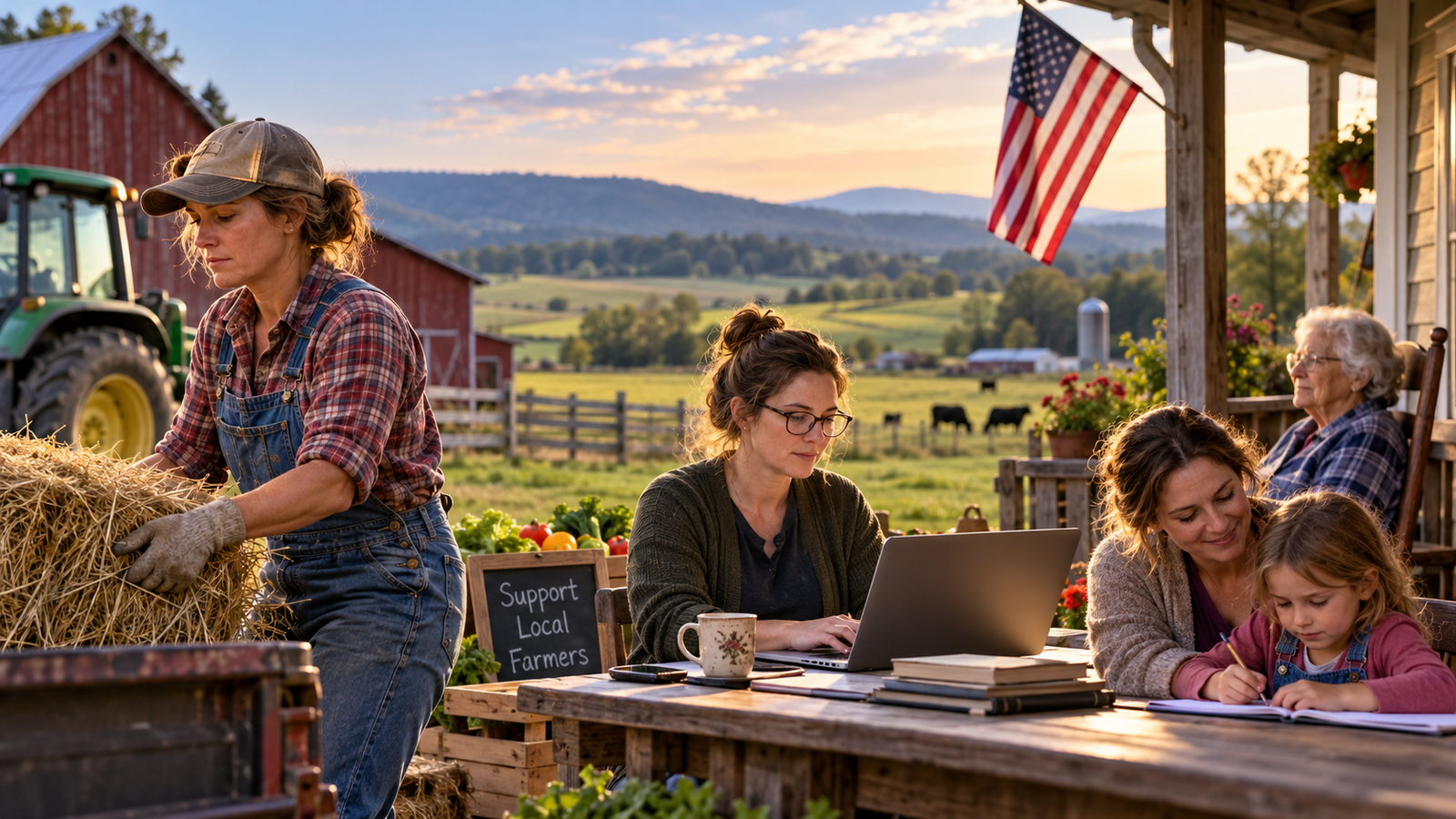
Labor is central to understanding the social position of Rural Women in America. Their economic activities include agricultural work, education, healthcare, retail, hospitality, manufacturing, public services, small businesses, and home-based employment.
Agriculture remains an important feature of many rural economies, although rural employment has become increasingly diverse. The US Department of Agriculture’s Economic Research Service explains that rural employment includes industries such as healthcare, hospitality, and other services alongside traditional sectors such as agriculture and manufacturing. Its Rural America at a Glance reports provide useful evidence about these changing economic conditions.
Women contribute to farming through livestock care, crop production, food processing, farm administration, marketing, and financial management. In family-operated farms, these responsibilities may overlap with cooking, cleaning, childcare, and caring for older relatives. Consequently, the boundary between paid employment and unpaid domestic work can become difficult to distinguish.
The work of Rural Women in America is not always adequately recognized. A woman may contribute substantially to a family farm without receiving an independent salary or having her name on the property title. Although she helps sustain the household economy, her economic contribution may remain invisible in conventional measurements of employment.
Outside agriculture, many rural women work as teachers, nurses, healthcare assistants, shop employees, administrative workers, and service-sector professionals. These occupations are important to community life, yet employment opportunities can be limited in areas with fewer businesses, long travel distances, and declining local industries.
The expansion of remote work and digital entrepreneurship has created additional possibilities for some Rural Women in America. Online businesses, freelance services, digital education, and remote professional employment can help women earn income without relocating. However, these opportunities depend on reliable broadband, suitable training, affordable equipment, and access to markets.
Thus, rural women’s economic participation must be understood through both individual effort and the wider availability of employment opportunities.
3. Unpaid Domestic Labor and the Gender Division of Work
One of the most significant sociological issues affecting Rural Women in America is the unequal distribution of unpaid domestic labor. Household work includes preparing meals, cleaning, maintaining the home, raising children, caring for elderly relatives, organizing family schedules, and supporting children’s education.
Although these activities are essential for social reproduction, they are frequently treated as private family responsibilities rather than productive work. The concept of social reproduction refers to the everyday activities through which people are cared for and societies maintain their workforce and social institutions.
In many households, women perform a large share of these responsibilities even when they also participate in paid employment. A woman working at a school, hospital, or local business may return home to another set of tasks. This creates what feminist sociologists describe as the double burden of paid employment and unpaid domestic work.
Rural conditions can intensify these responsibilities. Longer distances to childcare facilities, healthcare providers, grocery stores, and educational institutions may increase the time required to manage family life. Where public transportation is limited, women may also depend on private vehicles or relatives to meet everyday needs.
The burden of unpaid care is not identical for every household. Family income, household size, availability of relatives, employment arrangements, and gender attitudes influence how responsibilities are divided.
Nevertheless, recognizing unpaid work is essential to understanding Rural Women in America. Their social and economic contributions cannot be measured solely through wages, occupational titles, or formal employment statistics.
4. Family Structure, Marriage, and Motherhood
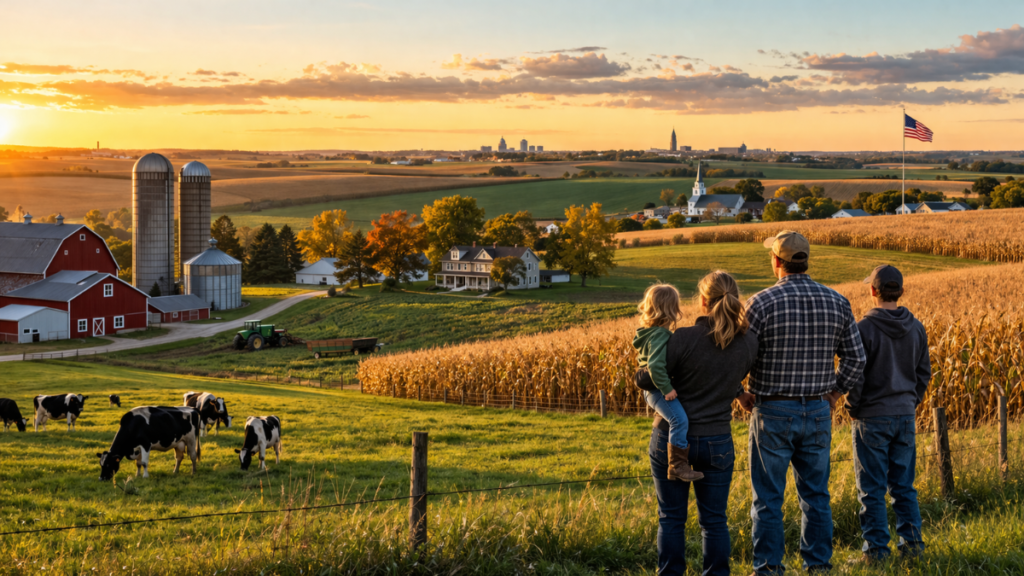
Family remains an important social institution in rural American communities. Rural Women in America participate in diverse family arrangements, including married-couple households, single-parent families, multigenerational households, cohabiting partnerships, and households without children.
Marriage and motherhood can provide emotional support, social belonging, and shared economic responsibilities. At the same time, traditional expectations may place disproportionate responsibility on women for maintaining family relationships, raising children, and managing domestic life.
The sociological concept of the gender role helps explain how societies assign different expectations to men and women. In some rural communities, women may be expected to prioritize family responsibilities even when they have educational qualifications or professional ambitions. Such expectations can influence career choices, working hours, and opportunities for advancement.
Motherhood can also affect economic independence. Women who reduce their working hours or leave employment to care for children may experience lower earnings, interrupted career development, and reduced access to retirement savings. Affordable childcare is therefore important for enabling women to participate in the labor market.
Single mothers may face additional pressures because they must combine earning an income with providing care. The USDA’s research on rural poverty has documented how family structure is associated with economic vulnerability. Its historical 2019 estimates found that poverty was particularly high among nonmetropolitan families headed by women without a spouse present, especially those with related children. These figures illustrate a structural issue rather than describing every rural family today.
Family relationships are also changing. Increasing educational attainment, women’s employment, changing attitudes toward marriage, and digital communication are influencing household decision-making. Many couples share domestic responsibilities more equally, while women increasingly participate in decisions about finances, education, and employment.
The family experiences of Rural Women in America therefore reflect both continuity and change. Traditional expectations remain influential, but they coexist with new aspirations for equality and independence.
5. Social Status, Gender, and Patriarchy
Social status refers to the position individuals occupy within a social structure. It can be influenced by occupation, income, education, property ownership, family background, community reputation, and participation in decision-making.
The social status of Rural Women in America is shaped by the interaction of gender with economic class and local cultural expectations. Women who own businesses, manage farms, hold professional positions, or lead community organizations may enjoy substantial influence. Others may experience limited recognition despite performing essential work.
Patriarchy describes social arrangements in which men, as a group, hold disproportionate authority and access to resources. Patriarchal patterns may appear in household decision-making, inheritance practices, farm ownership, community leadership, and workplace hierarchies.
For example, a woman may work alongside male relatives on a farm while major financial decisions remain concentrated in the hands of men. Similarly, women may undertake organizational work in community groups without receiving equal representation in leadership positions.
However, rural society should not be treated as uniformly patriarchal. Many women exercise authority within households, manage enterprises, hold public office, and challenge traditional expectations. Social relationships differ across regions, generations, religious communities, and economic circumstances.
Education and independent income can strengthen women’s bargaining power within families. Property ownership, access to credit, professional networks, and legal protections can also increase women’s ability to make decisions about their lives.
The social status of Rural Women in America is therefore not determined by gender alone. It emerges through the interaction of individual resources, institutional arrangements, community expectations, and wider systems of inequality.
6. Race, Ethnicity, and Intersectionality
A complete sociological analysis must recognize that Rural Women in America have different experiences depending on race, ethnicity, and historical circumstances. The concept of intersectionality explains how multiple forms of inequality interact rather than operate independently.
White rural women, Black rural women, Latina women, Indigenous women, Asian American women, and women from immigrant communities may experience different patterns of employment, discrimination, property ownership, and access to public services.
Black rural women have historically contributed to agricultural production, domestic service, education, entrepreneurship, and community organizing. Yet racial discrimination and unequal access to wealth have shaped their opportunities across generations.
Latina and immigrant women contribute to agriculture, food processing, hospitality, domestic work, and other sectors. Depending on their circumstances, they may encounter language barriers, insecure employment, limited access to benefits, or concerns about workplace exploitation.
Indigenous women maintain cultural traditions, strengthen community institutions, participate in education and public leadership, and contribute to economic development. Their experiences must be understood in relation to tribal sovereignty, historical dispossession, cultural continuity, and the distinct political status of Indigenous nations.
These examples demonstrate why Rural Women in America cannot be described as a single, homogeneous social group. Women’s experiences are shaped by overlapping systems of gender, class, race, geography, and institutional power.
An intersectional approach also highlights women’s agency. Rural women create mutual-aid networks, organize community initiatives, establish businesses, preserve cultural knowledge, and advocate for improved services.
7. Education, Employment, and Social Mobility
Education is an important mechanism of social mobility because it can improve employment opportunities, earnings, and participation in public life. For Rural Women in America, educational opportunities can influence both individual advancement and the development of rural communities.

Schools, colleges, vocational institutions, and online learning platforms help women acquire qualifications for teaching, healthcare, business administration, technology, and skilled occupations. Higher education can also increase awareness of legal rights, gender equality, and political participation.
Nevertheless, rural students may face barriers related to distance, transportation, educational costs, limited course availability, and internet access. Women with childcare responsibilities may find it especially difficult to attend classes or complete professional training.
The expansion of online education offers potential benefits, but access to digital learning is not equally distributed. Reliable broadband, suitable devices, digital literacy, and time for study remain important requirements.
Education does not automatically eliminate gender inequality. Women may possess professional qualifications yet encounter limited local employment, lower wages, discriminatory hiring, or expectations that they prioritize family responsibilities.
For this reason, social mobility depends on the relationship between education and broader economic conditions. Rural communities need employment opportunities that allow educated women to use their skills without necessarily leaving their home regions.
Supporting Rural Women in America through accessible education, vocational training, career guidance, and professional networks can strengthen both gender equality and rural development.
8. Healthcare, Childcare, and Rural Infrastructure
Access to essential services is another major factor influencing women’s social position. Healthcare facilities, reproductive health services, mental health support, childcare centers, public transportation, and reliable internet connections affect women’s ability to work and care for their families.
In some rural areas, long distances to medical facilities and shortages of healthcare professionals can create difficulties in obtaining timely treatment. Pregnant women, mothers with young children, older women, and women with disabilities may face particular transportation and accessibility challenges.
Childcare is closely connected to employment. When affordable childcare is unavailable, women may reduce their working hours, reject promotions, or leave employment. The resulting loss of income can reinforce household dependence and economic inequality.
Eldercare creates another challenge in communities with aging populations. Rural women may coordinate medical appointments, provide daily assistance, and support older family members while maintaining paid employment.
These responsibilities are influenced by public policy and local infrastructure, not simply by individual choices. Better healthcare access, childcare provision, transportation, and broadband connectivity can expand women’s opportunities and reduce the unequal burden of care.
Improving rural infrastructure is therefore a social equality issue as well as an economic development priority.
9. Community Participation and Women’s Leadership
Rural Women in America are important participants in civic and community life. They contribute to schools, religious organizations, local businesses, agricultural associations, volunteer groups, public services, and nonprofit organizations.
Community participation can create social capital, which refers to the networks, relationships, and trust that help individuals cooperate and access resources. Women’s participation in these networks can provide practical assistance, professional contacts, emotional support, and opportunities for collective action.
Women also play roles in local government, education boards, community development organizations, and political movements. Through leadership and advocacy, they influence decisions concerning public services, economic development, environmental protection, and family welfare.
However, participation does not always translate into equal power. Women may perform substantial volunteer work while remaining underrepresented in influential decision-making positions. Balancing civic commitments with paid employment and household responsibilities can also limit participation.
Digital communication and online organizing can help women connect with wider professional and political networks. Such connections can reduce isolation and provide access to information unavailable within smaller communities.
The experiences of Rural Women in America show that community leadership is not limited to formal political office. Everyday activities that sustain schools, support vulnerable families, and strengthen local organizations are also important forms of social contribution.
10. Social Change and the Future of Rural Women in America
The position of Rural Women in America continues to evolve in response to technological change, economic restructuring, demographic shifts, educational expansion, and changing gender norms.
Remote work, e-commerce, online education, and digital services can create new economic opportunities. Women can establish home-based businesses, provide professional services, sell agricultural products, and reach customers beyond their immediate communities.
At the same time, economic insecurity remains a concern in communities affected by declining industries, limited job opportunities, population change, and inadequate infrastructure. Digital opportunities alone cannot compensate for weak local economies or unequal access to education and capital.
Policy measures can help address these challenges. Affordable childcare, paid family leave, accessible healthcare, broadband expansion, vocational education, equal employment protections, and support for women-owned businesses can improve women’s economic security.
Access to agricultural credit and fair property arrangements can also strengthen women’s position in farm households. Community organizations and educational institutions can promote leadership development and challenge stereotypes that restrict women’s choices.
Importantly, solutions should reflect local needs. Women in agricultural regions may prioritize access to land and farm financing, while women in remote communities may need better healthcare and transportation. Others may benefit most from childcare, technical education, or employment opportunities.
The future of Rural Women in America depends on recognizing women as workers, caregivers, property owners, professionals, entrepreneurs, and community leaders. Their advancement should not require choosing between family responsibilities and economic independence.
Conclusion
Rural Women in America occupy a significant position in the social and economic structure of the United States. Their labor sustains households, agricultural enterprises, service industries, community institutions, and local cultural traditions. Nevertheless, their contributions may be undervalued because unpaid care work remains less visible than paid employment.
A sociological perspective reveals that women’s experiences are shaped by the interaction of gender, class, race, education, family structure, and geography. Patriarchal expectations, limited employment opportunities, childcare responsibilities, and unequal access to resources can restrict social mobility. At the same time, education, entrepreneurship, community participation, and changing family relationships create opportunities for greater independence.
Understanding Rural Women in America requires moving beyond stereotypes of rural life. Rural communities are diverse, and women’s experiences differ considerably according to their resources, identities, and local circumstances.
Ultimately, improving the position of Rural Women in America requires social institutions and public policies that recognize both paid and unpaid labor, expand access to essential services, and support women’s participation in economic and political decision-making. Greater gender equality can strengthen not only women’s individual lives but also the long-term resilience and development of rural American society.
Frequently Asked Questions (FAQs)
1. Who are Rural Women in America?
Rural Women in America are women living in rural areas and small towns across the United States. They participate in agriculture, paid employment, household management, education, entrepreneurship, and community development.
2. What are the major occupations of Rural Women in America?
Their occupations include farming, teaching, healthcare, retail, hospitality, manufacturing, public administration, small-business ownership, and remote professional work.
3. What sociological issues affect Rural Women in America?
Major issues include gender inequality, unpaid domestic labor, economic insecurity, unequal access to healthcare and childcare, workplace discrimination, and limited opportunities in some local labor markets.
4. How does family influence Rural Women in America?
Family influences women’s identities, responsibilities, economic decisions, and social relationships. Expectations concerning childcare and eldercare can affect their employment and financial independence.
5. What is the role of education for Rural Women in America?
Education can expand career opportunities, improve earning potential, strengthen social mobility, and increase participation in community and political life.
6. How do Rural Women in America contribute to rural development?
They contribute through farming, business ownership, professional employment, volunteer work, community leadership, and the provision of essential family and social care.
7. Why is unpaid labor important in understanding rural women’s lives?
Unpaid labor sustains households and communities but often receives limited economic recognition. It can also reduce the time available for paid employment, education, and career advancement.
8. How can gender equality improve rural communities?
Gender equality can expand employment opportunities, improve household economic security, strengthen community leadership, and enable women to participate more fully in social and economic decision-making.
References and Further Reading
- USDA Economic Research Service. Rural America at a Glance: 2025 Edition. https://www.ers.usda.gov/publications/113656
- USDA Economic Research Service. Rural Poverty and Well-Being. https://www.ers.usda.gov/topics/rural-economy-population/rural-poverty-well-being
- USDA Economic Research Service. Atlas of Rural and Small-Town America. https://www.ers.usda.gov/data-products/atlas-of-rural-and-small-town-america
- USDA Economic Research Service. Rural America at a Glance: 2024 Edition. https://www.ers.usda.gov/publications/110350
- Crenshaw, Kimberlé. (1989). Demarginalizing the Intersection of Race and Sex: A Black Feminist Critique of Antidiscrimination Doctrine, Feminist Theory and Antiracist Politics. University of Chicago Legal Forum.
- Hochschild, Arlie Russell, with Anne Machung. (1989). The Second Shift: Working Families and the Revolution at Home. Viking.