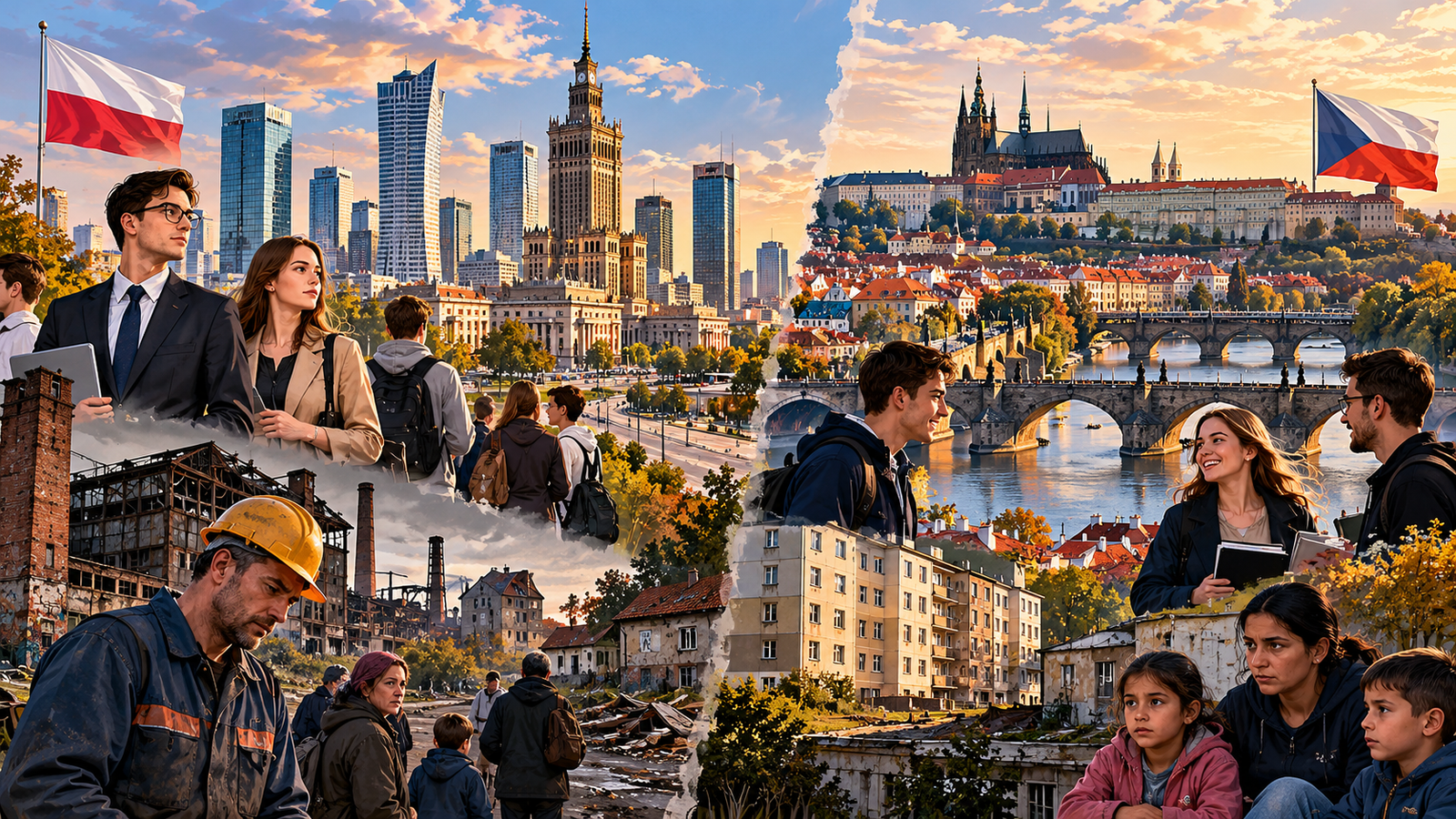
Introduction on Social Change and Inequality in Poland
The transformation of Poland and the Czech Republic represents one of the most significant examples of social change in contemporary Europe. Following the collapse of communist regimes in Central and Eastern Europe in 1989, both countries experienced fundamental changes in their political institutions, economic systems, social relationships, and cultural identities. The transition from state-socialist economies to market-oriented capitalism created new opportunities for economic growth, individual freedom, and international integration. However, these developments also produced new forms of social stratification, economic insecurity, and unequal access to resources.
Understanding Inequality in Poland requires examining the relationship between economic restructuring, social class, regional development, education, gender, and political participation. Similarly, the Czech Republic offers an important comparative case because its post-socialist transformation followed a different economic trajectory while sharing many historical and institutional characteristics with Poland.
Although both countries have achieved substantial economic development and integrated into the European Union, the benefits of transformation have not been distributed equally across all social groups. Urban professionals, business owners, and highly educated workers have often benefited from new economic opportunities, while some rural communities, industrial workers, and disadvantaged households have faced persistent challenges.
From a sociological perspective, the experiences of Poland and the Czech Republic demonstrate that social change does not automatically eliminate inequality. Instead, economic modernization frequently reorganizes existing inequalities and creates new divisions within society.
Table of Contents
1. Historical Background: From State Socialism to Market Capitalism
Before 1989, Poland and Czechoslovakia operated under state-socialist political and economic systems. The state played a dominant role in employment, industrial production, housing, education, and social welfare. Official ideology emphasized social equality, collective ownership, and the reduction of class differences.
Nevertheless, socialist societies were not completely egalitarian. Differences existed between political elites, industrial workers, agricultural populations, and individuals with privileged access to housing, education, and consumer goods. Political connections could influence opportunities, while shortages and restrictions limited individual choices.
The political transformations of 1989 fundamentally changed these arrangements. Poland introduced market-oriented reforms, while Czechoslovakia began its transition toward democracy and capitalism. Following the peaceful dissolution of Czechoslovakia in 1993, the Czech Republic developed its own political and economic institutions.
Market liberalization encouraged private enterprise, foreign investment, competition, and international trade. These changes contributed to economic modernization but also weakened some established employment arrangements and social protections.
In Poland, the restructuring of heavy industry, agriculture, and state-owned enterprises created new differences between successful entrepreneurs and professionals and those who struggled to adapt to the emerging labour market. Some communities experienced unemployment and declining economic security.
The Czech Republic also underwent privatization and industrial restructuring, although its economic structure and institutional development differed from Poland’s in important respects.
Sociologically, this transformation illustrates the relationship between economic systems and social stratification. Karl Marx’s analysis of class relations helps explain how changes in ownership and production redistribute economic power. Max Weber’s approach adds that inequality also depends on social status, political influence, and access to opportunities.
The post-socialist transition therefore did not simply replace one economic model with another. It fundamentally altered how individuals acquired wealth, status, security, and social influence.
2. Inequality in Poland: Economic Growth and Social Stratification
Economic development has improved living standards in Poland, but growth alone does not guarantee equal access to its benefits. The distribution of income, wealth, employment opportunities, and public services continues to shape the experience of social inequality.
Inequality in Poland can be understood through differences between high-income professionals, entrepreneurs, public-sector employees, industrial workers, temporary workers, and households dependent on social assistance. These groups occupy different positions within the economic structure and have unequal access to financial security.
The expansion of private business, financial services, information technology, and international trade has created opportunities for educated professionals and skilled workers. However, workers whose skills are less suited to the changing economy may experience insecure employment, limited wage growth, or difficulties moving into better-paid occupations.
Wealth inequality is also important. Income represents money received over a particular period, whereas wealth includes accumulated assets such as property, savings, investments, and business ownership. Households with valuable property or inherited assets can build additional wealth more easily than households dependent entirely on wages.
Housing provides a particularly important example. Rising property prices and rental costs can create barriers for young adults and lower-income households, especially in economically dynamic cities. People who already own property may benefit from rising asset values, while those who rent can face increasing living expenses without accumulating comparable wealth.
Poland’s social policies, including family benefits and other forms of public assistance, have helped support household welfare. However, the effectiveness of such policies depends on their design, funding, distribution, and interaction with the wider labour and housing markets.
From a Weberian perspective, economic inequality affects not only purchasing power but also life chances. Families with greater financial resources can often obtain better housing, additional educational support, and greater protection against unemployment or unexpected expenses.
Consequently, the sociological study of inequality must consider both the overall expansion of national prosperity and the unequal ability of different groups to benefit from it.
3. The Czech Republic: A Different Pattern of Social Inequality
The Czech Republic offers a valuable comparison because it has generally maintained relatively low measured income inequality compared with many other European countries. Its industrial base, employment structure, social institutions, and historical experience have contributed to a distinctive pattern of social stratification.
However, comparatively low income inequality does not mean that Czech society is free from social divisions. Differences in wealth, housing access, educational attainment, regional opportunities, and social exclusion remain important.
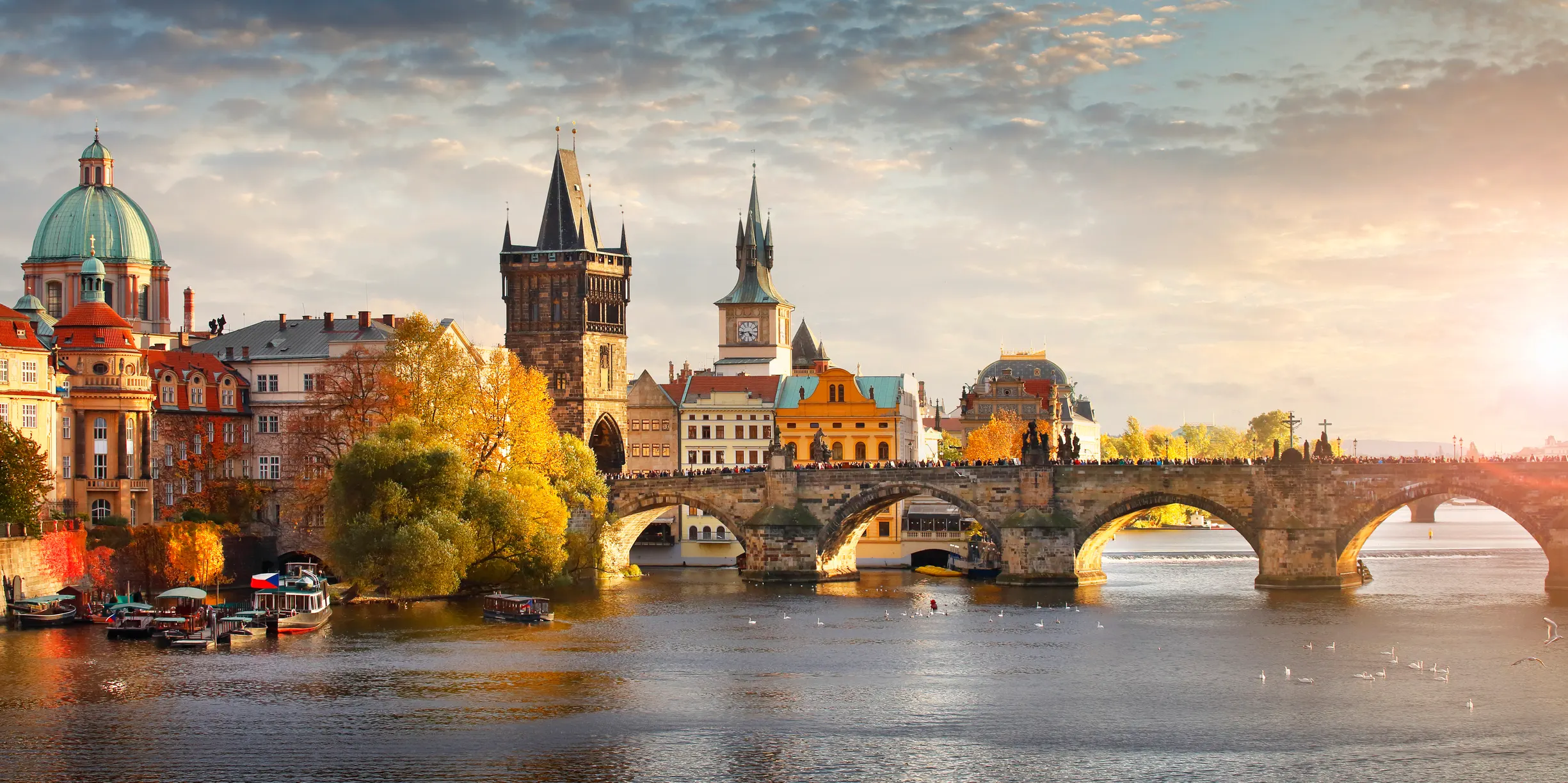
The Czech economy has strong connections to European manufacturing and industrial supply chains. Employment in manufacturing, engineering, automotive production, and related services has supported economic development. Yet these industries are also exposed to technological change, international competition, and shifts in European demand.
Workers in highly specialized occupations may benefit from strong demand for their skills, while workers in less secure positions can face greater uncertainty. The transition toward automation and digital production may further change the distribution of employment opportunities.
Housing inequality is another significant issue. In major urban centres, particularly Prague, housing affordability can separate established property owners from younger households and lower-income residents. The capacity to purchase property increasingly depends on income, accumulated savings, family support, and access to credit.
The Czech Republic also faces social exclusion among certain disadvantaged communities. Roma people, in particular, have experienced discrimination and unequal opportunities in education, employment, and housing. These disadvantages cannot be adequately explained by income alone because they involve institutional barriers, social stigma, and historical patterns of exclusion.
Pierre Bourdieu’s theory of social capital provides a useful framework for understanding these processes. Individuals benefit not only from financial resources but also from networks, cultural knowledge, educational credentials, and familiarity with influential institutions.
A society may therefore display relatively low overall income inequality while maintaining significant disadvantages for particular social groups.
The comparison with Poland demonstrates that inequality has multiple dimensions. Income distribution is important, but a comprehensive sociological analysis must also consider wealth, social mobility, institutional discrimination, and access to essential resources.
4. Regional Inequality: Urban Centres and Peripheral Communities
Regional inequality is one of the most visible consequences of post-socialist transformation in Poland and the Czech Republic. Economic opportunities are unevenly distributed across cities, smaller towns, industrial districts, and rural areas.
In Poland, Warsaw has developed into a major centre of finance, administration, education, and business services. Other large cities, including Kraków, Wrocław, Poznań, and Gdańsk, have also attracted investment and skilled workers. These urban economies offer employment opportunities in technology, professional services, manufacturing, tourism, and higher education.
However, the prosperity of major cities contrasts with the difficulties experienced in some former industrial districts and rural communities. Areas that depended on declining industries or state-supported agricultural enterprises have sometimes struggled to attract new investment. Limited transport infrastructure, fewer high-paying jobs, and reduced access to specialized services can restrict social mobility.
In the Czech Republic, Prague has a particularly strong position in finance, administration, education, and professional employment. Other regions benefit from industrial production and manufacturing, but economic opportunities differ considerably between localities. Some areas have faced industrial restructuring, limited job diversification, or persistent social exclusion.
Regional inequality should not be understood simply as a difference between rich cities and poor villages. It also involves differences in political influence, institutional capacity, public investment, and access to social networks.
The concept of spatial inequality explains how geographical location affects an individual’s life chances. A talented student living in a well-connected city may have easier access to universities, internships, and professional networks than an equally talented student living in an economically disadvantaged area.
These differences can reproduce inequality across generations. When younger people leave peripheral communities to pursue education and employment elsewhere, the remaining population may experience demographic decline and a reduced local tax base. This can make it harder to sustain schools, healthcare services, transport, and other essential facilities.
Reducing regional inequality therefore requires more than transferring financial resources. Investment in transport, education, digital infrastructure, healthcare, and local employment is also necessary to ensure that economic development reaches a broader section of society.
5. Social Class, Employment, and the Changing Labour Market
The transformation of employment is central to understanding social change in both countries. Under state socialism, employment was closely connected to state institutions and industrial production. After the transition to capitalism, private ownership, competition, international investment, and market demand became increasingly important in determining employment opportunities.
The growth of service industries created new occupational groups, including managers, financial specialists, information technology professionals, consultants, and skilled service workers. These occupations often offer greater earning potential and professional mobility.
At the same time, workers in routine manufacturing, retail, logistics, agriculture, and low-paid services may experience different levels of employment security. Temporary contracts, unpredictable working hours, and limited bargaining power can increase economic vulnerability even when individuals are employed.
Guy Standing’s concept of the precariat is useful for analysing workers whose employment and income remain insecure. Although the term should not be applied indiscriminately to every temporary worker, it highlights how unstable employment can affect identity, family relationships, and long-term planning.
For example, a young worker who cannot predict future earnings may postpone purchasing a home, starting a family, or investing in further education. Employment insecurity consequently influences not only economic circumstances but also personal relationships and life-course decisions.
Poland and the Czech Republic are both integrated into the European economy. Their industries benefit from trade, investment, and international production networks, but these connections also expose workers to economic fluctuations and technological change.
Automation and artificial intelligence may create new opportunities for highly skilled workers while changing the demand for routine tasks. The effects will depend on access to training, employers’ investment decisions, and public policies supporting workers during occupational transitions.
From a Marxist perspective, these developments raise questions about ownership, bargaining power, and the distribution of economic gains between employers and employees. A sociological analysis must therefore examine not only the number of jobs created but also their quality, security, remuneration, and prospects for advancement.
6. Education and Intergenerational Social Mobility
Education is frequently presented as the principal route to social mobility. In Poland and the Czech Republic, educational expansion has increased opportunities for individuals to acquire qualifications and enter professional occupations.
However, educational access does not necessarily eliminate inequality. Students begin their educational journeys with different levels of family income, parental education, cultural resources, and access to private tutoring or extracurricular activities.
Families with greater financial resources can often provide quieter study environments, educational technology, books, language instruction, and assistance with university expenses. These advantages may improve educational outcomes even when formal schooling is widely accessible.
Pierre Bourdieu’s concept of cultural capital explains how knowledge, language, behaviour, and familiarity with institutional expectations can influence academic success. Schools may reward cultural practices that are more readily available to children from educated and economically secure households.
In Poland, the growth of higher education has expanded professional opportunities, but regional differences and disparities in family resources can still influence educational pathways. Similar patterns exist in the Czech Republic, where access to selective educational routes and the influence of family background remain important sociological questions.
Education can also reproduce social inequality when students from disadvantaged backgrounds are concentrated in schools with fewer resources or face barriers to progressing into advanced academic programmes.
Intergenerational mobility depends on whether individuals can achieve a different socioeconomic position from that of their parents. A degree may improve employment prospects, but its benefits can vary according to field of study, institutional reputation, local labour demand, and personal networks.
Therefore, educational policy should focus not only on enrolment but also on educational quality, financial accessibility, career guidance, and the successful transition from education to employment.
Equal educational opportunity is essential if economic transformation is to create a society in which achievement depends less heavily on family background.
7. Gender Inequality and Changing Family Relationships
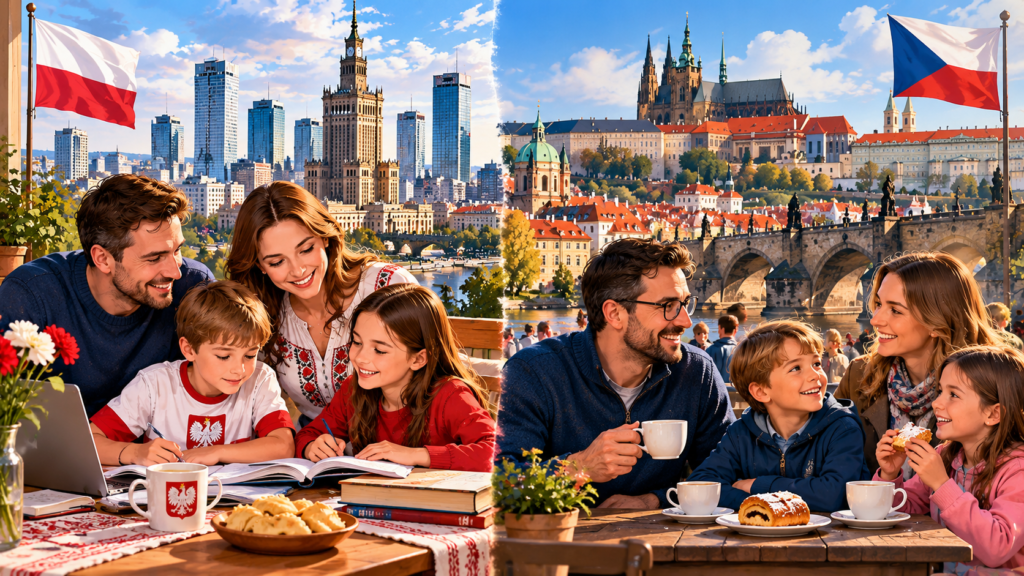
Social change in Poland and the Czech Republic has transformed family structures, women’s employment, household responsibilities, and debates about gender equality. Women participate extensively in education and the labour market, yet inequalities can persist in earnings, occupational advancement, and the distribution of unpaid care work.
The gender pay gap is influenced by multiple factors, including occupational segregation, working hours, career interruptions, differences in seniority, and unequal access to leadership positions. It should not automatically be interpreted as evidence of unequal pay for identical work, although discrimination can contribute to disparities.
Women may also face a disproportionate burden of childcare, eldercare, and household labour. When formal childcare is expensive or unavailable, family responsibilities can limit opportunities for full-time employment, professional development, and promotion.
In both countries, changing economic conditions have influenced decisions about marriage, parenthood, and household formation. Housing affordability and the cost of raising children can make family planning more difficult for younger adults.
Poland’s public debates about reproductive rights, family policy, and traditional gender roles also illustrate how social change is shaped by political institutions and cultural values. In the Czech Republic, debates about childcare, employment, family responsibilities, and women’s representation similarly reveal tensions between established expectations and changing social realities.
A feminist sociological perspective emphasizes that inequality is embedded not only in labour markets but also in domestic relationships and institutional arrangements. Equal employment opportunities are difficult to achieve when unpaid care responsibilities remain unevenly distributed.
Policies supporting affordable childcare, parental leave for both parents, flexible employment, and protection against workplace discrimination can help reduce these inequalities. However, the effectiveness of such policies also depends on cultural expectations and how families and employers implement them.
Gender inequality therefore demonstrates that modernization is not a uniform process. Economic development may expand women’s opportunities while leaving important social and institutional barriers intact.
8. Migration, European Integration, and Cultural Change
European integration has significantly influenced social change in Poland and the Czech Republic. Both countries joined the European Union in 2004, expanding their access to European markets, educational programmes, investment, and opportunities for cross-border mobility.
Migration has played an important role in this transformation. Many Polish citizens moved to other European countries for employment, higher wages, and improved career prospects. Remittances sent home by migrants have supported some families, while international experience has created opportunities for professional development.
However, migration can also produce social costs. Families may experience long periods of separation, local communities can lose younger workers, and the benefits of migration are distributed unevenly. Individuals with strong educational qualifications, financial resources, or professional networks may find it easier to benefit from international mobility.
The Czech Republic has also become an important destination for international workers, including migrants from neighbouring countries and other parts of Europe and Asia. Labour migration has helped meet employers’ staffing needs, particularly in certain industrial and service occupations.
Migration can reduce labour shortages and contribute to economic growth, but it can also expose workers to unequal treatment, insecure employment, and difficulties accessing housing or public services. Migrants’ experiences depend on their legal status, language skills, qualifications, and social acceptance.
The arrival of refugees from Ukraine following Russia’s full-scale invasion in 2022 further demonstrated how international events can reshape Central European societies. Poland and the Czech Republic became important destinations for displaced Ukrainians, creating new demands for housing, education, healthcare, and labour-market integration.
From a sociological perspective, migration challenges the idea that national societies are culturally fixed. It creates new relationships between citizens and newcomers, influences national identity, and raises questions about social cohesion.
European integration has therefore produced both opportunities and tensions. It has increased mobility and economic interdependence, but the distribution of its benefits depends on public policy, employment conditions, and the ability of institutions to support diverse populations.
9. Political Change, Social Trust, and Public Participation
Political transformation is another essential dimension of post-socialist social change. The transition from authoritarian rule to democratic institutions expanded political participation and established new constitutional protections in Poland and the Czech Republic.
Nevertheless, democratic institutions do not automatically resolve economic or social inequality. Citizens may have equal voting rights while possessing unequal access to political influence, information, organizational resources, and decision-making networks.
Economic insecurity can influence political attitudes. Communities experiencing industrial decline or limited employment opportunities may become dissatisfied with established political parties and national economic policies. Such dissatisfaction does not produce one uniform political response; it can lead to support for different ideological movements, protest activity, or political disengagement.
In Poland, debates over the rule of law, judicial independence, national identity, and social policy have revealed deep political divisions. In the Czech Republic, political debates about economic priorities, public institutions, migration, and relations with the European Union have similarly reflected competing social interests.
Social trust is important in this context. When citizens believe that institutions operate fairly and public resources are distributed transparently, they may be more willing to participate in collective decision-making. Conversely, perceived corruption, unequal treatment, or limited responsiveness can weaken confidence in institutions.
Robert Putnam’s work on social capital highlights the importance of social networks, civic participation, and cooperation. Communities with strong civic institutions may be better positioned to address collective problems, although social networks can also exclude outsiders or reinforce existing privilege.
A sociological understanding of democracy must therefore extend beyond elections. It must consider whether people from different social backgrounds can influence public decisions and whether institutions respond effectively to disadvantaged communities.
10. Comparing Poland and the Czech Republic: Major Sociological Lessons
Although Poland and the Czech Republic share a history of state socialism and European integration, their experiences of inequality are not identical.
Poland’s larger population, regional diversity, economic restructuring, and changing labour market have produced distinctive patterns of social stratification. The Czech Republic’s comparatively low measured income inequality provides an important contrast, but inequalities related to wealth, housing, ethnicity, and regional disadvantage remain significant.
The following comparison summarizes the principal sociological dimensions.
| Dimension | Poland | Czech Republic |
|---|---|---|
| Economic transformation | Rapid market transition and economic diversification | Market transition with a strong industrial and manufacturing base |
| Income inequality | Differences across households, occupations, and regions | Comparatively low measured income inequality |
| Regional development | Major metropolitan centres coexist with disadvantaged localities | Prague and other economically successful areas contrast with some disadvantaged regions |
| Education | Family resources and regional access influence opportunities | Educational pathways and social background influence mobility |
| Gender relations | Employment, family policy, and reproductive rights remain important issues | Care responsibilities, employment, and gender equality remain significant |
| Migration | Emigration and immigration influence labour markets and communities | Immigration supports employment while raising integration challenges |
| Social exclusion | Economic disadvantage and regional inequality affect life chances | Roma exclusion and housing-related disadvantages remain important concerns |
These differences demonstrate why inequality cannot be explained through a single economic indicator. National averages may conceal important differences between regions, social classes, and minority populations.
The comparative approach also shows that historical legacies interact with contemporary institutions. Similar starting conditions do not necessarily produce identical outcomes because economic policies, industrial structures, social protection systems, and political decisions influence the direction of social change.
For sociologists, the central question is not simply which country is more equal. It is how different institutions distribute opportunities, how social disadvantages accumulate, and which policies can improve people’s life chances.
Conclusion on Social Change and Inequality in Poland
The experiences of Poland and the Czech Republic demonstrate that social change is a complex process involving economic restructuring, political democratization, cultural transformation, and changing patterns of social stratification.
Both countries have achieved substantial economic and institutional transformation since the end of state socialism. European integration, private enterprise, educational expansion, and international mobility have created new opportunities for individuals and communities.
Nevertheless, economic progress has not eliminated inequality. Housing affordability, differences in educational opportunity, insecure employment, gender disparities, regional disadvantage, and the exclusion of minority populations continue to shape social life.
Inequality in Poland is particularly important to examine through the interaction of income, wealth, employment, geography, and family background. The Czech Republic provides a useful comparative case, demonstrating that relatively low income inequality can coexist with significant forms of social exclusion.
Marxist theory helps explain how ownership and labour relations influence the distribution of economic resources. Weber’s concept of life chances highlights unequal access to opportunities, while Bourdieu’s work demonstrates how cultural and social capital can reproduce privilege across generations. Together, these perspectives provide a deeper understanding of the relationship between social change and inequality.
Reducing inequality requires policies that extend beyond economic growth. Affordable housing, accessible education, effective social protection, fair employment practices, regional investment, gender equality, and anti-discrimination measures are essential to building more inclusive societies.
Ultimately, the success of Poland and the Czech Republic should be evaluated not only by their economic performance but also by whether people from different social backgrounds can participate in society, achieve economic security, and enjoy meaningful opportunities for advancement. Sustainable social progress depends on ensuring that modernization improves the life chances of the wider population rather than concentrating its benefits among already advantaged groups.
FAQs: Inequality in Poland
1. What is inequality in Poland?
Inequality in Poland refers to differences in income, wealth, education, employment opportunities, housing, and access to public services among individuals and social groups. Although Poland has experienced significant economic growth since the end of communism, regional and socioeconomic disparities remain.
2. What are the main causes of inequality in Poland?
The main causes of inequality in Poland include differences in wealth ownership, educational opportunities, employment conditions, regional development, and family background. Economic restructuring following the transition from socialism to capitalism also contributed to new forms of social stratification.
3. How did the transition from communism affect inequality in Poland?
The transition to capitalism after 1989 introduced private ownership, market competition, and new employment opportunities. However, privatization and industrial restructuring also created economic insecurity for some workers, contributing to changing class relations and wealth disparities.
4. Is inequality in Poland higher than in the Czech Republic?
Poland and the Czech Republic have different patterns of inequality. The Czech Republic has generally recorded lower income inequality than Poland, although both countries experience disparities in wealth, housing affordability, regional opportunities, and access to resources.
5. How does social class influence inequality in Poland?
Social class influences income, occupational status, housing conditions, educational access, and social mobility. Wealthier households can often provide greater educational support and financial security, while disadvantaged households may face barriers to improving their socioeconomic position.
6. What role does education play in inequality in Poland?
Education can promote social mobility, but unequal access to educational resources can reproduce existing disadvantages. Students from wealthier families may benefit from private tutoring, educational technology, and better access to professional networks.
7. How does regional development affect inequality in Poland?
Regional inequality exists between major cities, smaller towns, and some rural communities. Cities such as Warsaw, Kraków, and Wrocław offer diverse employment opportunities, while some peripheral areas face fewer high-paying jobs and limited access to specialized services.
8. How does gender inequality contribute to inequality in Poland?
Gender inequality affects earnings, career progression, leadership opportunities, and the distribution of unpaid care work. Differences in childcare responsibilities and career interruptions can limit women’s economic independence and long-term wealth accumulation.
9. What is the relationship between unemployment and inequality in Poland?
Unemployment can reduce household income, increase poverty risks, and weaken access to stable housing and education in Inequality in Poland. Workers in declining industries or economically disadvantaged regions may face additional barriers when seeking better employment.
10. How does housing affordability contribute to inequality in Poland?
Rising housing costs can make it difficult for young adults and lower-income households to purchase homes or afford rent in Inequality in Poland. Property owners may benefit from increasing asset values, while renters can experience financial pressure without building comparable wealth.
11. How does migration affect inequality in Poland?
Migration creates employment opportunities, supports economic growth, and allows individuals to pursue higher wages. However, the benefits are unevenly distributed, and some migrant workers face language barriers, insecure employment, discrimination, or difficulties accessing housing.
12. What sociological theories explain inequality in Poland?
Several sociological theories help explain inequality in Poland. Karl Marx’s conflict theory examines ownership and class relations, Max Weber’s approach emphasizes class, status, and power, while Pierre Bourdieu’s theory explains how economic, cultural, and social capital reproduce social advantages.
13. How does inequality in Poland affect social mobility?
Inequality can restrict social mobility when family income, educational background, and geographical location influence access to better opportunities. Individuals from disadvantaged backgrounds may face greater difficulties entering high-paying professions or accumulating wealth.
14. What policies can reduce inequality in Poland?
Potential measures include improving access to quality education, expanding affordable housing, supporting disadvantaged regions, strengthening social protection, promoting fair employment, and reducing gender discrimination. Effective implementation is essential to ensure that economic growth benefits a broader section of society.
15. Why is inequality in Poland important for sociological research?
Studying inequality in Poland helps sociologists understand how economic transformation, social class, political institutions, and cultural change influence life chances. Comparing Poland with the Czech Republic also demonstrates how different institutions and historical experiences shape inequality in post-socialist societies.