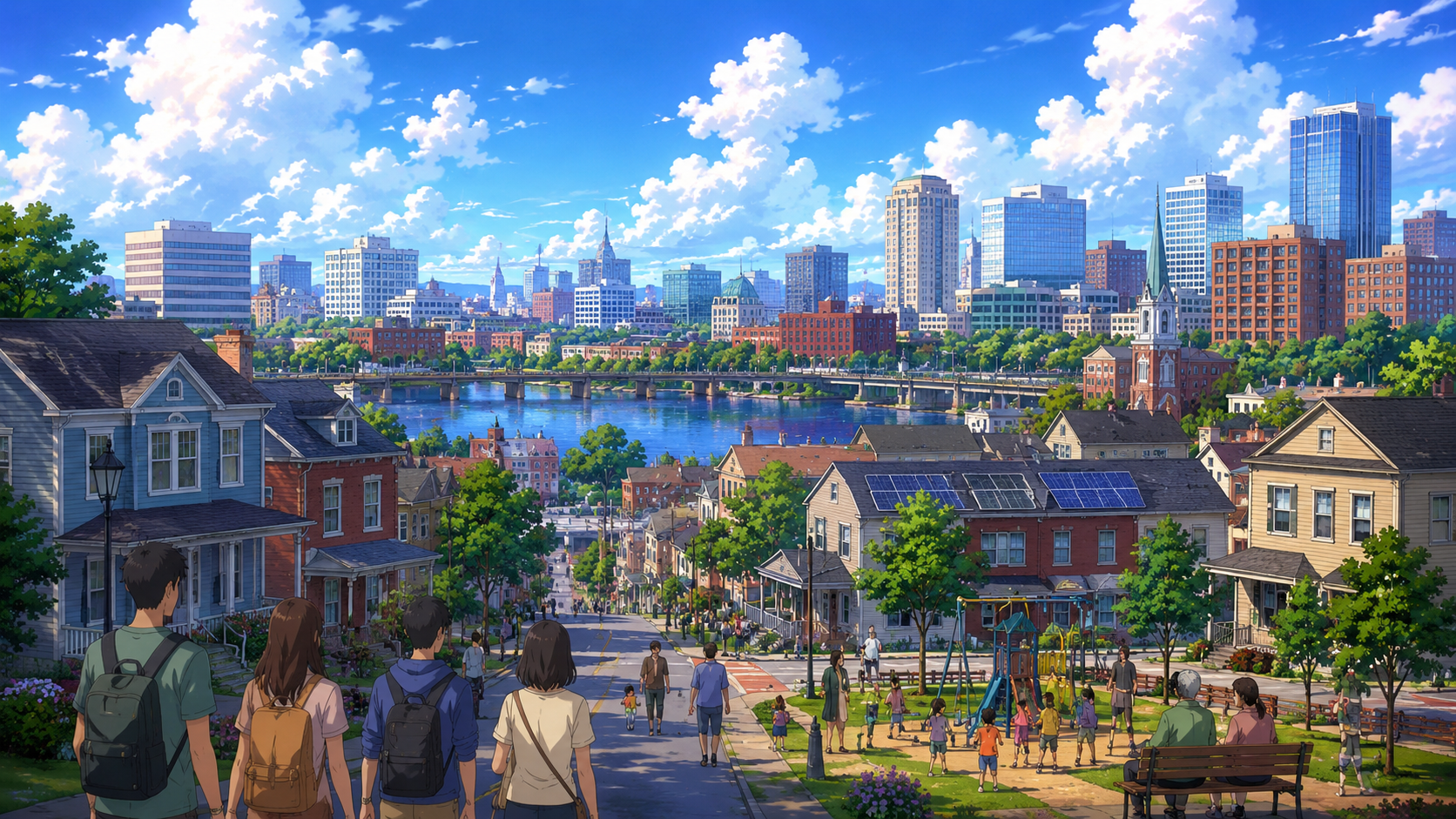
Introduction on Community Change in Delaware
Urbanization is one of the most significant social transformations of the modern era. It refers to the process through which rural populations move to urban areas, leading to the growth of cities and towns. While urbanization often promotes economic development, technological advancement, and improved infrastructure, it also brings profound changes to social structures, community relationships, cultural practices, and patterns of inequality. In the United States, the state of Delaware provides an interesting case study for examining the sociological dimensions of urbanization and community change.
Delaware, despite being the second-smallest state in the United States, has experienced considerable urban growth over the past several decades. Located strategically between major metropolitan centers such as Philadelphia, Baltimore, and Washington, D.C., Delaware has witnessed population growth, suburban expansion, economic diversification, and increasing urban connectivity. These developments have reshaped local communities, social networks, family structures, and patterns of social interaction.
From a sociological perspective, urbanization in Delaware is not merely a demographic phenomenon. It represents a complex process involving social change, cultural adaptation, economic restructuring, and community transformation. This article explores the causes, consequences, and sociological implications of urbanization and community change in Delaware.
Understanding Urbanization from a Sociological Perspective
Urbanization is more than the physical growth of cities. Sociologists view it as a process that transforms social relationships, institutions, and community life. Classical sociologists such as Ferdinand Tönnies, Emile Durkheim, and Louis Wirth examined how urban life differs from rural life.
Tönnies distinguished between Gemeinschaft (community) and Gesellschaft (society). Gemeinschaft refers to close-knit social relationships found in traditional communities, while Gesellschaft describes the impersonal and formal relationships common in urban environments. Delaware’s urbanization reflects this transition as many traditional community ties have gradually evolved into more complex and diverse social networks.
Durkheim argued that urbanization contributes to the shift from mechanical solidarity to organic solidarity. In modern urban societies, people become increasingly interdependent because of specialization and division of labor. Delaware’s growing service, financial, healthcare, and technology sectors illustrate this sociological transformation.
Louis Wirth emphasized that urbanism influences social behavior through population size, density, and heterogeneity. These characteristics contribute to diverse social interactions while sometimes weakening traditional community bonds.
Historical Background of Urbanization in Delaware
Delaware’s urban development has historical roots dating back to colonial settlements. Wilmington emerged as an important industrial and commercial center during the nineteenth century. The development of transportation networks, manufacturing industries, and trade opportunities attracted workers and encouraged population concentration.
During the twentieth century, Delaware experienced suburbanization alongside urbanization. Improved highways, automobile ownership, and housing developments allowed residents to move from city centers to surrounding suburban areas. New Castle County became the most urbanized region in the state, while Kent and Sussex Counties also experienced population growth and economic expansion.
In recent decades, Delaware has attracted retirees, professionals, and migrants seeking affordable housing and proximity to larger metropolitan areas. This population growth has accelerated urban expansion and altered community structures throughout the state.
Factors Driving Urbanization in Delaware

Economic Opportunities
One of the primary drivers of urbanization in Delaware is economic development. The state’s favorable business environment has attracted corporations, financial institutions, healthcare organizations, and service industries.
The concentration of employment opportunities in urban and suburban areas encourages migration from rural communities. Young adults often relocate to urban centers seeking higher education, professional careers, and improved living standards.
Economic growth creates demand for housing, transportation, and public services, contributing to urban expansion and community transformation.
Population Growth
Population growth has played a major role in Delaware’s urbanization. Migration from neighboring states and international immigration have increased population density in urban areas.
As communities expand, local governments must adapt by developing infrastructure, schools, healthcare facilities, and public services. These changes influence social relationships and patterns of community engagement.
Transportation Infrastructure
Improved transportation networks have facilitated urban growth. Major highways and commuter routes connect Delaware to surrounding metropolitan regions, making it attractive for workers and businesses.
Transportation development encourages suburbanization and regional integration. Communities that were once relatively isolated become connected to broader economic and social systems.
Housing Development
Housing demand has stimulated extensive residential construction throughout Delaware. New housing developments attract diverse populations, including families, professionals, and retirees.
The expansion of residential neighborhoods changes community demographics and social dynamics. New residents bring different cultural backgrounds, lifestyles, and expectations, contributing to social diversity.
Urbanization and Social Structure
Urbanization significantly influences social structure in Delaware. As populations become concentrated in urban areas, traditional forms of social organization evolve.
Family Transformation
Urbanization affects family structures and household arrangements. In urban communities, nuclear families tend to be more common than extended family households.
Economic pressures, career opportunities, and changing cultural values contribute to delayed marriage, smaller family sizes, and increased workforce participation among women.
Urban environments also provide greater opportunities for individual autonomy and social mobility, influencing family relationships and roles.
Occupational Specialization
The urban economy requires specialized skills and professional expertise. Delaware’s workforce increasingly consists of individuals employed in finance, healthcare, education, technology, and service industries.
Occupational specialization creates interdependence among different sectors of society. Individuals rely on complex institutional systems rather than traditional community networks for economic survival.
Social Mobility
Urbanization often expands opportunities for upward social mobility. Access to education, employment, and professional networks allows individuals to improve their socioeconomic status.
However, opportunities are not distributed equally. Social mobility may vary according to race, ethnicity, class, gender, and geographic location.
Community Change in Delaware
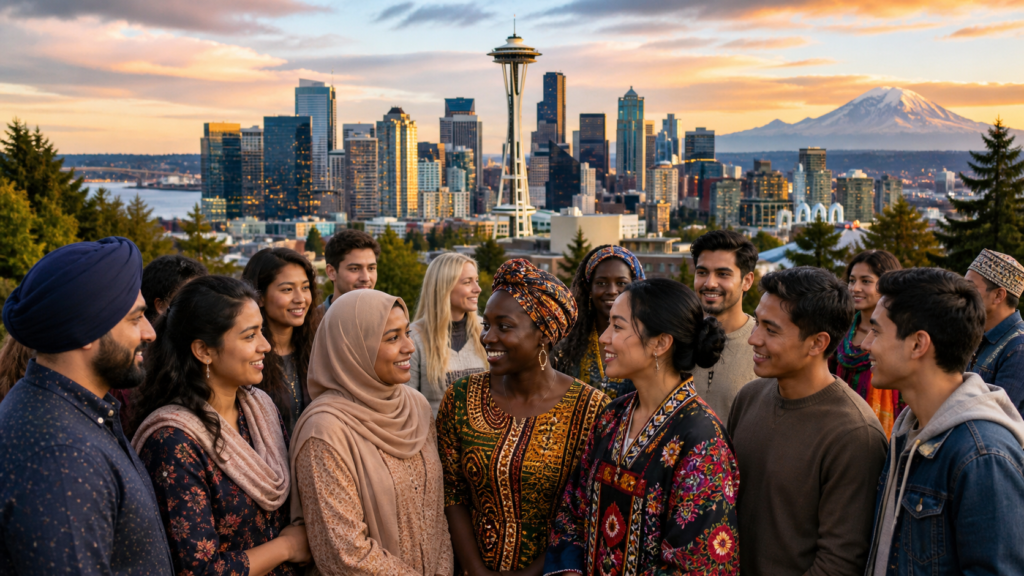
Community change is one of the most visible consequences of urbanization. Sociologists study how communities adapt to demographic growth, economic transformation, and cultural diversity.
Decline of Traditional Community Bonds
In many parts of Delaware, urbanization has weakened some traditional community relationships. Residents may have less frequent interaction with neighbors and greater reliance on formal institutions.
Population mobility can reduce long-term attachment to specific neighborhoods. People frequently relocate for employment, education, or housing opportunities, making community relationships more fluid.
Emergence of Diverse Communities
Urbanization has increased social and cultural diversity across Delaware. Communities now include individuals from various racial, ethnic, religious, and cultural backgrounds.
Diversity enriches community life by introducing new perspectives, traditions, and social experiences. It also creates opportunities for intercultural understanding and cooperation.
However, diversity may sometimes generate challenges related to integration, communication, and social cohesion.
Community Organizations and Civic Participation
Despite changes in traditional social bonds, urban communities often develop new forms of social organization. Community associations, nonprofit organizations, volunteer groups, and local initiatives play important roles in maintaining social connections.
Civic participation helps residents address shared concerns such as public safety, environmental sustainability, education, and neighborhood development.
Community organizations serve as important mechanisms for social integration in rapidly changing urban environments.
Urbanization and Social Inequality
Urbanization does not affect all residents equally. Sociologists emphasize that urban growth often produces both opportunities and inequalities.
Economic Inequality
Economic development can generate wealth while simultaneously widening income disparities. High-income professionals may benefit from urban growth, while low-income workers may face rising housing costs and limited economic opportunities.
In some Delaware communities, economic inequality influences access to quality education, healthcare, transportation, and housing.
Housing Challenges

Rapid urbanization can contribute to housing affordability issues. Increased demand for housing often raises property values and rental costs.
Low-income households may struggle to secure affordable housing, leading to residential segregation and unequal living conditions.
Housing inequality can reinforce broader patterns of social stratification.
Racial and Ethnic Disparities
Urbanization intersects with existing racial and ethnic inequalities. Minority communities may experience disparities in employment, education, healthcare access, and neighborhood resources.
Sociologists examine how historical patterns of segregation and discrimination continue to influence urban development and community outcomes.
Addressing these disparities remains a critical challenge for policymakers and community leaders.
Urbanization and Cultural Change
Urbanization contributes to significant cultural transformation in Delaware.
Cultural Diversity
The influx of migrants from different regions and countries has increased cultural diversity. Urban communities often feature multicultural festivals, diverse cuisines, religious institutions, and artistic expressions.
Cultural diversity enriches social life and promotes innovation through the exchange of ideas and experiences.
Changing Values and Lifestyles
Urban environments encourage new lifestyles and social values. Individualism, career orientation, consumer culture, and technological engagement become increasingly prominent.
Younger generations may adopt values that differ from those of previous generations, contributing to cultural change and social adaptation.
Digital Communities
Technological advancements have transformed how communities interact. Social media and digital communication platforms enable residents to maintain social connections beyond geographic boundaries.
Digital communities complement traditional forms of social interaction and influence patterns of civic engagement and cultural participation.
Environmental Implications of Urbanization
Urbanization has important environmental consequences that affect community well-being.
Land Use Changes
Urban expansion often converts agricultural land and natural habitats into residential and commercial developments.
Changes in land use can affect biodiversity, water quality, and ecosystem sustainability.
Transportation and Pollution
Increased urban activity generates greater transportation demand. Vehicle emissions contribute to environmental concerns such as air pollution and climate change.
Sustainable transportation planning is essential for balancing economic growth with environmental protection.
Sustainable Urban Development
Many Delaware communities are adopting sustainable development strategies. These include green infrastructure, renewable energy initiatives, public transportation improvements, and environmental conservation programs.
Sustainable urban planning aims to improve quality of life while minimizing environmental impacts.
Urbanization and Education
Education plays a central role in urban development and community change.
Urban areas often provide greater access to educational institutions, libraries, and training programs. These resources support workforce development and social mobility.
However, educational inequalities may persist between different communities. Variations in school funding, educational resources, and neighborhood conditions can influence student outcomes.
Investing in equitable education systems is essential for promoting inclusive urban development.
Health and Urbanization
Urbanization influences public health in both positive and negative ways.
Urban residents generally have greater access to healthcare facilities, specialized medical services, and health information. These advantages can improve overall health outcomes.
At the same time, urban lifestyles may contribute to stress, mental health challenges, sedentary behavior, and environmental health risks.
Community health initiatives and public health programs are important for addressing these challenges and promoting well-being.
The Future of Urbanization in Delaware
The future of Delaware will likely be shaped by continued urban growth, technological innovation, and demographic change.
Population increases may place additional demands on housing, transportation, education, and public services. Policymakers will need to address issues of affordability, sustainability, and social equity.
Community development strategies must balance economic growth with social inclusion and environmental responsibility.
Emerging technologies, remote work opportunities, and smart city initiatives may further transform urban life and community relationships in the coming decades.
Conclusion
Urbanization has profoundly transformed Delaware’s social landscape. Economic development, population growth, housing expansion, and technological change have reshaped communities throughout the state. From a sociological perspective, urbanization represents a complex process that influences social structures, family relationships, cultural diversity, community engagement, and patterns of inequality.
While urbanization creates opportunities for economic advancement, social mobility, and cultural exchange, it also presents challenges related to housing affordability, social inequality, environmental sustainability, and community cohesion. Understanding these dynamics is essential for promoting inclusive and sustainable development.
The experience of Delaware demonstrates that urbanization is not simply about the growth of cities; it is fundamentally about the transformation of human relationships, social institutions, and community life. By addressing the social consequences of urban growth, policymakers and community leaders can help ensure that urbanization contributes positively to the well-being of all residents.
FAQs
1. What is meant by community change in Delaware?
Community change in Delaware refers to the social, economic, cultural, and demographic transformations occurring within local communities due to urbanization, migration, technological development, and economic growth.
2. How has urbanization influenced community change in Delaware?
Urbanization has expanded cities and suburbs, increased population density, diversified communities, and transformed traditional social relationships, contributing significantly to community change in Delaware.
3. What are the major causes of community change in Delaware?
The major causes include population growth, migration, economic development, housing expansion, technological advancements, and changing cultural values.
4. How does migration contribute to community change in Delaware?
Migration introduces new cultural groups, skills, and perspectives into communities, increasing diversity and reshaping local social structures and community identities.
5. What role does economic development play in community change in Delaware?
Economic development creates employment opportunities, attracts new residents, encourages infrastructure growth, and influences patterns of social mobility and neighborhood development.
6. How has community change in Delaware affected family structures?
Community change in Delaware has contributed to smaller family sizes, increased workforce participation, greater residential mobility, and evolving family roles and relationships.
7. Does community change in Delaware increase cultural diversity?
Yes, community change in Delaware has increased cultural diversity by attracting people from different ethnic, racial, and cultural backgrounds, enriching local communities.
8. What challenges are associated with community change in Delaware?
Common challenges include housing affordability issues, social inequality, traffic congestion, environmental concerns, and the weakening of some traditional community bonds.
9. How has technology influenced community change in Delaware?
Technology has transformed communication, work patterns, education, and social interaction, creating new forms of community engagement both online and offline.
10. What is the relationship between urbanization and community change in Delaware?
Urbanization is a key driver of community change in Delaware because it alters population distribution, economic activities, housing patterns, and social interactions.
11. How does community change in Delaware affect social relationships?
Community change can create new social networks and opportunities while also reducing some traditional face-to-face interactions and long-term neighborhood connections.
12. What impact does community change in Delaware have on housing?
Community change often increases demand for housing, leading to new residential developments, rising property values, and concerns about housing affordability.
13. How does community change in Delaware influence education?
Growing communities often require expanded educational facilities, improved resources, and policies that address the needs of increasingly diverse student populations.
14. Why is studying community change in Delaware important for sociologists?
Sociologists study community change in Delaware to understand how social institutions, cultural practices, inequality, and community relationships evolve over time.
15. What is the future of community change in Delaware?
The future of community change in Delaware is expected to involve continued urban growth, greater diversity, technological innovation, sustainable development initiatives, and evolving community structures.