Introduction
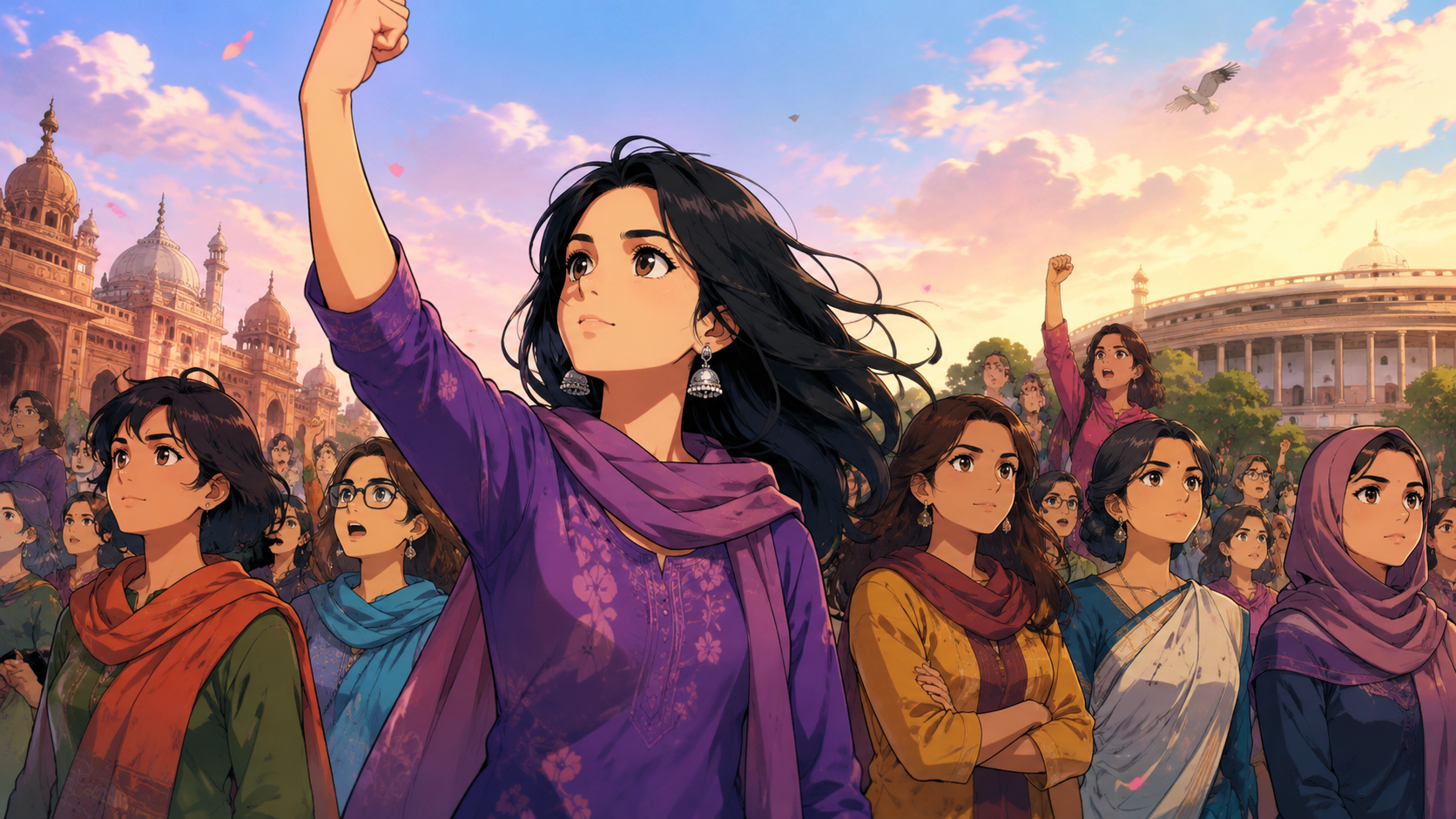
Feminist movements in India represent one of the most important social transformations in the country’s modern history. These movements have challenged patriarchal norms, demanded equality, and fought against discrimination faced by women in family, workplace, education, politics, and society. Feminism in India is not a single movement but a collection of struggles shaped by class, caste, religion, region, and historical experiences. Indian feminism has evolved through various phases, beginning from social reform movements in the nineteenth century to contemporary digital activism in the twenty-first century.
From campaigns against sati and child marriage to demands for equal wages, reproductive rights, and protection from violence, feminist movements have continuously reshaped Indian society. They have influenced laws, educational systems, political participation, and social attitudes. However, despite significant achievements, Indian feminism still faces major challenges such as gender violence, wage inequality, caste oppression, religious conservatism, and digital harassment.

From a sociological perspective, feminist movements in India are closely connected with social structure, patriarchy, modernization, globalization, and identity politics. These movements reflect broader struggles for social justice and equality in Indian society. Understanding their success and challenges helps in analyzing the changing position of women and the transformation of gender relations in India.
Historical Background of Feminist Movements in India
The roots of feminist consciousness in India can be traced back to the nineteenth century during the colonial period. Social reformers began questioning oppressive customs imposed on women. Reform movements emerged partly due to colonial criticism of Indian society and partly because of internal demands for social change.
Social Reform Movements
Reformers such as Raja Ram Mohan Roy campaigned against sati, the practice where widows were forced to burn themselves on their husbands’ funeral pyres. His efforts contributed to the abolition of sati in 1829. Ishwar Chandra Vidyasagar advocated widow remarriage and women’s education. Jyotirao Phule and Savitribai Phule worked for the education of girls and lower-caste women, challenging both caste and gender oppression.
These reform movements were significant because they introduced the idea that women deserved education, dignity, and social rights. However, early reforms were largely led by men and focused more on improving women’s conditions rather than ensuring complete gender equality.
Women in the Nationalist Movement
The Indian freedom struggle played a crucial role in increasing women’s participation in public life. Women such as Sarojini Naidu, Kasturba Gandhi, Aruna Asaf Ali, and Kamaladevi Chattopadhyay actively participated in protests, boycotts, and political campaigns.
Mahatma Gandhi encouraged women’s participation in non-violent movements, arguing that women possessed moral strength and courage. As women entered politics and public spaces, they developed greater political awareness and collective identity.
The nationalist movement created opportunities for women, but it also reinforced traditional gender roles by portraying women as symbols of sacrifice and morality. Thus, the liberation of women remained incomplete even after independence.
Feminism in Post-Independence India
After independence in 1947, the Indian Constitution guaranteed equality before law, non-discrimination, and universal adult franchise. Women gained voting rights and constitutional protection. However, social realities remained unequal.
Constitutional and Legal Reforms
Several legal reforms aimed to improve women’s status:
- The Hindu Marriage Act legalized divorce and promoted monogamy.
- The Hindu Succession Act provided inheritance rights.
- Dowry Prohibition Act attempted to curb dowry practices.
- Equal Remuneration Act aimed at wage equality.
These reforms reflected the state’s attempt to modernize Indian society and reduce gender discrimination.
Rise of Autonomous Women’s Movements
During the 1970s and 1980s, autonomous women’s groups emerged independently from political parties. This period is often considered the beginning of the modern feminist movement in India.
Major issues raised included:
- Dowry deaths
- Domestic violence
- Rape laws
- Custodial violence
- Workplace discrimination
The Mathura rape case of 1972 became a turning point. The acquittal of the accused policemen triggered nationwide protests and demands for legal reform. Feminist activists argued that the legal system often blamed victims rather than protecting them.
As a result, rape laws were amended in the 1980s. Feminist activism thus demonstrated its ability to influence legal and political systems.
Sociological Perspectives on Feminist Movements
Feminist movements in India can be analyzed through various sociological perspectives.
Liberal Feminism
Liberal feminism focuses on equal rights, education, employment, and political participation. It seeks reforms within existing institutions rather than revolutionary transformation.
Many Indian feminist campaigns for education, legal rights, and workplace equality reflect liberal feminist ideas.
Marxist Feminism
Marxist feminists argue that women’s oppression is linked with capitalism and economic exploitation. Women often perform unpaid domestic labor while facing unequal wages in the workforce.
In India, working-class women, factory laborers, and agricultural workers face exploitation due to both class and gender inequality.
Radical Feminism
Radical feminism sees patriarchy as the root cause of women’s oppression. It challenges male dominance in family, culture, sexuality, and religion.
Campaigns against domestic violence, marital rape, and sexual harassment reflect radical feminist concerns.
Dalit Feminism
Dalit feminism highlights the intersection of caste and gender oppression. Dalit women face discrimination not only as women but also as members of marginalized castes.
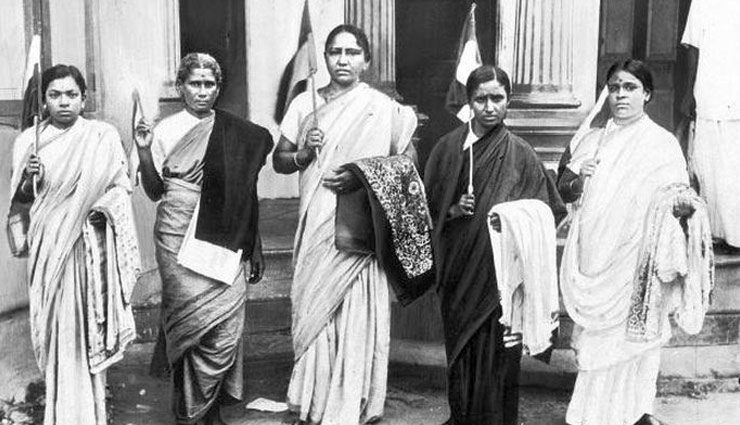
Dalit feminist scholars criticize mainstream feminism for focusing mainly on middle-class upper-caste women while ignoring caste-based violence and exploitation.
Intersectional Feminism
Intersectionality examines how multiple identities such as caste, religion, class, sexuality, and disability shape women’s experiences.
Indian feminism increasingly recognizes that women are not a homogeneous group and that social inequalities affect them differently.
Major Successes of Feminist Movements in India
Indian feminist movements have achieved several important successes in social, political, and legal spheres.
Expansion of Women’s Education
One of the greatest achievements has been the expansion of women’s education. Female literacy has increased significantly since independence. More women now attend schools, colleges, and universities.
Education has enabled women to participate in employment, politics, and public life. It has also increased awareness about rights and opportunities.
Women today are entering fields such as science, law, medicine, engineering, journalism, and administration in large numbers.
Legal Protection and Reforms
Feminist activism has influenced several important laws:
- Protection of Women from Domestic Violence Act (2005)
- Sexual Harassment of Women at Workplace Act (2013)
- Criminal Law Amendment after the 2012 Delhi gang rape case
- Maternity Benefit Amendment Act
These laws recognize violence and discrimination against women as social problems requiring legal intervention.
Political Participation
Women’s political participation has increased over time. Reservation policies in Panchayati Raj institutions ensured representation of women in local governance.
Millions of women now participate in village councils and local politics. This has increased awareness about education, sanitation, healthcare, and welfare programs.
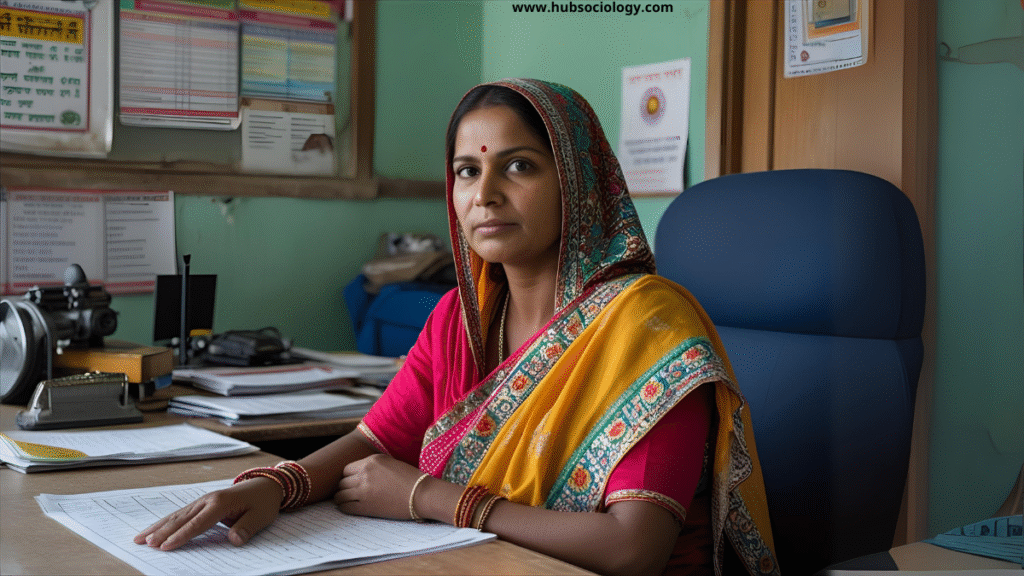
Women leaders have also occupied high political positions in India, including Prime Minister, President, Chief Ministers, and Speakers of Parliament.
Economic Empowerment
Women’s participation in self-help groups, microfinance programs, and entrepreneurship has expanded economic opportunities.
Urban women increasingly work in corporate sectors, education, healthcare, media, and information technology. Rural women participate in cooperatives, handicrafts, and agricultural activities.
Economic independence has helped many women challenge traditional gender roles.
Awareness Against Gender Violence
Feminist movements have successfully brought issues of violence into public discussion. Earlier, domestic violence and sexual abuse were often treated as private matters.
Campaigns, protests, and media activism have increased awareness regarding:
- Rape culture
- Domestic abuse
- Acid attacks
- Honor killings
- Human trafficking
The nationwide protests after the 2012 Delhi gang rape reflected growing public support for women’s safety and rights.
Digital Feminism and Social Media Activism
The rise of social media has transformed feminist activism in India. Online campaigns such as #MeTooIndia exposed sexual harassment in workplaces, media, academia, and entertainment industries.
Digital platforms provide spaces for women to share experiences, organize campaigns, and challenge patriarchal narratives.
Young feminists increasingly use technology for awareness, education, and mobilization.
Challenges Faced by Feminist Movements in India
Despite major achievements, feminist movements continue to face serious challenges.
Persistence of Patriarchy
Patriarchy remains deeply rooted in Indian society. Traditional gender roles continue to define women primarily as wives, mothers, and caregivers.
Many families restrict women’s mobility, education, career choices, and personal freedom. Son preference still exists in several regions.
Patriarchal attitudes often normalize violence and discrimination against women.
Gender-Based Violence
India continues to witness high levels of violence against women, including:
- Domestic violence
- Sexual assault
- Dowry deaths
- Honor killings
- Cyber harassment
Many cases remain unreported due to fear, social stigma, and lack of trust in legal institutions.
The persistence of violence reflects structural inequalities in society.
Caste and Class Inequality
Women from marginalized castes and poor backgrounds face multiple forms of discrimination. Dalit and tribal women often experience violence, landlessness, poverty, and lack of access to education.
Middle-class feminism sometimes fails to address the realities of rural and marginalized women.
Class divisions also shape access to employment, healthcare, and legal justice.
Religious Conservatism
Religious traditions and conservative social norms often resist feminist reforms. Debates over personal laws, marriage rights, inheritance, and reproductive freedom reveal tensions between gender equality and religious authority.
Women challenging patriarchal customs are sometimes accused of attacking culture or tradition.
Unequal Workforce Participation
Although women’s education has increased, female labor force participation in India remains relatively low.
Women often face:
- Wage inequality
- Lack of job security
- Workplace harassment
- Limited leadership opportunities
- Burden of unpaid domestic work
The double burden of paid work and household responsibilities limits women’s advancement.
Representation in Media and Popular Culture
Media frequently reinforces gender stereotypes by portraying women as objects of beauty, sacrifice, or dependency.
Cinema, television, and advertisements sometimes normalize sexism and unrealistic beauty standards.
Although feminist voices have increased in media, patriarchal representation remains influential.
Digital Harassment
While social media has empowered feminist activism, it has also exposed women to online abuse, trolling, threats, and misinformation.
Women journalists, activists, and public figures often face gendered cyber attacks aimed at silencing them.
Digital spaces reflect broader social inequalities existing offline.
Feminism and Rural India
Feminist movements in rural India focus on issues different from urban feminism. Rural women often struggle with poverty, land rights, agricultural labor, healthcare, and access to education.
Organizations working with rural women address:
- Child marriage
- Domestic violence
- Female literacy
- Reproductive health
- Economic self-reliance
Self-help groups have become important tools for empowering rural women economically and socially.
However, rural women still face strong patriarchal control and limited access to resources.
Contemporary Feminist Movements in India
Modern feminist movements in India are increasingly diverse and inclusive.
LGBTQ+ and Queer Feminism
Contemporary feminism includes struggles related to gender identity and sexuality. Feminist groups supported the decriminalization of homosexuality and recognition of transgender rights.
Queer feminism challenges traditional ideas about gender and family structures.
Student and Youth Activism
University campuses have become important centers of feminist activism. Students organize protests against sexual harassment, discrimination, and unequal treatment.
Young feminists increasingly discuss consent, mental health, body positivity, and intersectionality.
Environmental Feminism
Ecofeminism connects environmental destruction with patriarchal exploitation. Women in rural India often lead environmental movements because they are directly affected by resource depletion and climate change.
Movements like Chipko demonstrated women’s role in protecting forests and natural resources.
Future of Feminist Movements in India
The future of feminism in India depends on its ability to address changing social realities. Feminist movements must continue expanding beyond urban middle-class concerns and include marginalized communities.
Future priorities include:
- Reducing gender violence
- Increasing workforce participation
- Achieving equal pay
- Improving reproductive healthcare
- Ensuring digital safety
- Addressing caste and religious discrimination
- Promoting political leadership among women
Education, social awareness, and legal reforms will remain essential tools for gender equality.
Technology and social media are likely to play a major role in future feminist mobilization. At the same time, feminist movements must combat misinformation, online hate, and conservative backlash.
Conclusion
Feminist movements in India have significantly transformed society by challenging patriarchy and demanding equality. These movements have improved women’s access to education, employment, political participation, and legal rights. They have exposed gender violence, influenced laws, and created public awareness about discrimination and injustice.
From social reform movements of the nineteenth century to contemporary digital activism, Indian feminism has evolved continuously in response to social change. It has become more inclusive by addressing caste, class, religion, sexuality, and regional inequalities.
However, major challenges remain. Patriarchy, violence, economic inequality, caste discrimination, and religious conservatism continue to limit women’s freedom and opportunities. Feminist movements therefore remain essential for achieving social justice and democratic equality in India.
From a sociological perspective, feminism in India is not merely a women’s issue but a broader struggle for human rights, dignity, and social transformation. The success of feminist movements ultimately reflects the progress of Indian society toward equality, inclusiveness, and justice.
FAQs on Feminist Movements in India
1. What are Feminist Movements in India?
Feminist Movements in India are social and political efforts aimed at achieving gender equality, women’s rights, and freedom from discrimination and patriarchy in Indian society.
2. When did Feminist Movements in India begin?
Feminist Movements in India began during the nineteenth century with social reform campaigns against practices like sati, child marriage, and restrictions on women’s education.
3. What are the major goals of Feminist Movements in India?
The major goals of Feminist Movements in India include equal rights, women’s education, protection from violence, economic empowerment, political participation, and social justice.
4. Who were the early leaders of Feminist Movements in India?
Important early reformers connected with Feminist Movements in India include Raja Ram Mohan Roy, Ishwar Chandra Vidyasagar, Savitribai Phule, and Jyotirao Phule.
5. How did Feminist Movements in India influence education?
Feminist Movements in India promoted girls’ education and helped increase female literacy, higher education participation, and professional opportunities for women.
6. What role did Feminist Movements in India play in legal reforms?
Feminist Movements in India influenced laws related to domestic violence, sexual harassment, dowry prohibition, inheritance rights, and workplace equality.
7. How do Feminist Movements in India address gender violence?
Feminist Movements in India raise awareness about rape, domestic violence, honor killings, cyber harassment, and workplace abuse through protests, campaigns, and legal advocacy.
8. What is the connection between caste and Feminist Movements in India?
Dalit and intersectional feminism highlight how caste discrimination affects women differently, making caste an important issue within Feminist Movements in India.
9. How have social media influenced Feminist Movements in India?
Social media has strengthened Feminist Movements in India by enabling online activism, awareness campaigns, and movements such as #MeTooIndia.
10. What are the main challenges faced by Feminist Movements in India?
Major challenges include patriarchy, gender violence, wage inequality, religious conservatism, online harassment, and unequal access to resources.
11. How do Feminist Movements in India support rural women?
Feminist Movements in India support rural women through self-help groups, education programs, healthcare awareness, and campaigns against child marriage and domestic violence.
12. What is the sociological importance of Feminist Movements in India?
From a sociological perspective, Feminist Movements in India help analyze social inequality, patriarchy, modernization, and changes in gender relations.
13. How do Feminist Movements in India impact politics?
Feminist Movements in India encourage women’s political participation, leadership, and representation in local governance and national politics.
14. What is intersectional feminism in the context of Feminist Movements in India?
Intersectional feminism examines how gender inequality combines with caste, class, religion, sexuality, and regional differences within Indian society.
15. Why are Feminist Movements in India still important today?
Feminist Movements in India remain important because gender discrimination, violence, unequal wages, and social inequality continue to affect millions of women.