Introduction on Society in Oklahoma
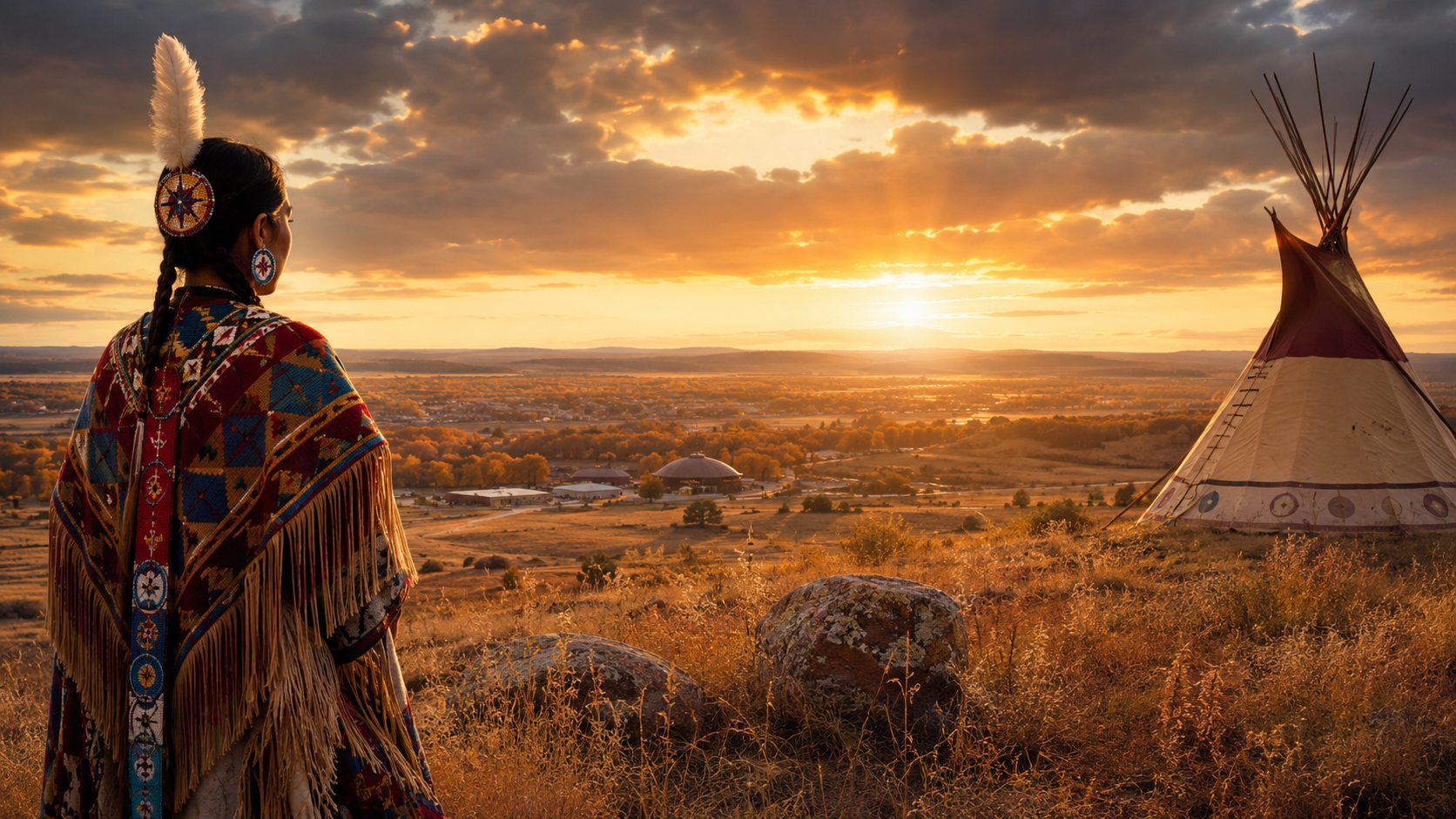
The state of Oklahoma holds a unique place in the social and historical landscape of the United States because of its deep connection with Indigenous nations. Often called “Indian Country,” Oklahoma is home to one of the largest Native American populations in the country and contains the headquarters of dozens of federally recognized tribes. Indigenous societies in Oklahoma are not only historical communities but also living social systems that continue to influence politics, education, culture, economics, and identity in modern America.
From a sociological perspective, the study of Indigenous nations in Oklahoma reveals the complex relationships between colonialism, identity, social organization, resistance, cultural survival, and modernization. Indigenous communities in Oklahoma have experienced forced displacement, cultural suppression, economic marginalization, and political conflict. Yet these societies have also demonstrated remarkable resilience by preserving traditions, rebuilding institutions, and creating modern tribal governance systems.
The sociological study of Indigenous nations in Oklahoma helps us understand broader themes such as social inequality, cultural adaptation, ethnic identity, collective memory, and social justice. Indigenous communities are not isolated from modern society; rather, they interact continuously with state institutions, capitalism, education systems, and globalization while maintaining distinct cultural identities.
This article explores the historical background, social structure, cultural identity, economic transformation, political organization, education, gender relations, and contemporary challenges faced by Indigenous nations in Oklahoma from a sociological viewpoint.
Historical Background of Indigenous Nations in Oklahoma
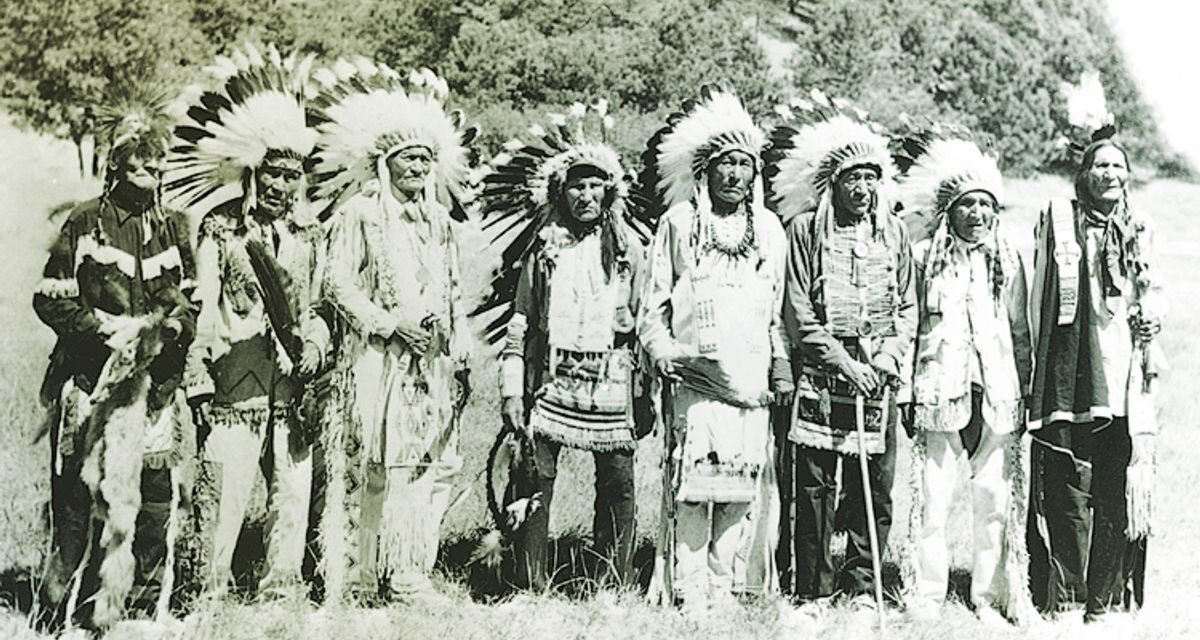
The history of Indigenous nations in Oklahoma is closely connected with colonization and forced migration. Before European colonization, many Indigenous peoples lived across North America with diverse languages, economies, and political systems. During the nineteenth century, the United States government forcibly relocated many tribes from their ancestral homelands to present-day Oklahoma through policies such as the Indian Removal Act of 1830.
The forced relocation known as the “Trail of Tears” deeply shaped Indigenous society in Oklahoma. Tribes such as the Cherokee Nation, Choctaw Nation, Chickasaw Nation, Muscogee Nation, and Seminole Nation were removed from the southeastern United States and resettled in Oklahoma Territory. These groups are often collectively known as the Five Civilized Tribes.
From a sociological perspective, forced migration disrupted kinship networks, cultural systems, and economic life. Families were separated, thousands died during relocation, and communities were forced to adapt to unfamiliar environments. The trauma associated with removal became part of collective memory and continues to influence Indigenous identity today.
Despite these hardships, Indigenous nations rebuilt their societies by establishing schools, governments, legal systems, and agricultural economies in Oklahoma. Their ability to reconstruct social institutions demonstrates the sociological concept of cultural resilience.
Indigenous Identity and Collective Consciousness
Identity plays a central role in Indigenous society. Sociologically, Indigenous identity is not simply based on race or ethnicity but also on shared history, language, spirituality, land, and political sovereignty.
In Oklahoma, tribal identity often exists alongside American national identity. Many Indigenous individuals identify both as citizens of the United States and as citizens of their tribal nation. This dual identity creates a unique social position that differs from other ethnic groups in America.
Collective consciousness, a concept associated with Émile Durkheim, can help explain how Indigenous communities maintain unity. Shared traditions, ceremonies, historical memories, and cultural symbols strengthen solidarity among tribal members.
Powwows, storytelling traditions, tribal festivals, and ceremonial gatherings are important social institutions that reinforce collective identity. These events are not only cultural celebrations but also mechanisms for preserving social cohesion across generations.
Language also plays a major role in identity formation. Many tribes in Oklahoma are working to revitalize Indigenous languages that were threatened by assimilation policies and boarding school systems. Language preservation programs help strengthen cultural continuity and social belonging.
Tribal Sovereignty and Political Organization
One of the most significant sociological features of Indigenous nations in Oklahoma is tribal sovereignty. Tribal sovereignty refers to the right of Indigenous nations to govern themselves and maintain political authority over their members and territories.
Tribal governments in Oklahoma operate with constitutions, courts, law enforcement agencies, educational systems, and economic programs. This political structure demonstrates that Indigenous nations are not merely ethnic communities but also sovereign political entities.

The sociological importance of sovereignty lies in its connection to power and self-determination. Historically, colonial systems attempted to weaken Indigenous governance structures. However, tribes in Oklahoma have increasingly regained political influence through legal victories and economic development.
The 2020 McGirt v. Oklahoma decision significantly strengthened tribal jurisdiction in eastern Oklahoma by recognizing that much of the land remains legally Native reservation territory. This ruling reshaped discussions about law, governance, and Indigenous rights.
Tribal governments also contribute to social welfare through healthcare systems, housing assistance, scholarships, and employment programs. In many rural areas, tribal institutions are major providers of social services.
Family, Kinship, and Community Structure
Family and kinship systems remain central to Indigenous societies in Oklahoma. Sociologists view kinship as an important social institution that organizes relationships, responsibilities, and social support.
Traditional Indigenous kinship structures often emphasized collective responsibility and extended family networks. Grandparents, aunts, uncles, and community elders played active roles in child-rearing and cultural education.
Although modernization and urbanization have influenced family structures, communal values continue to shape Indigenous social life. Respect for elders remains an important social norm within many tribal communities.
Community-based living also contributes to social solidarity. Tribal ceremonies, communal gatherings, and shared cultural activities strengthen interpersonal relationships and reduce social isolation.
However, Indigenous families have also faced challenges related to poverty, substance abuse, and historical trauma. The legacy of boarding schools and forced assimilation policies disrupted family systems by separating children from parents and suppressing Indigenous parenting traditions.
Today, many tribal programs focus on family healing, mental health support, and cultural restoration as ways to rebuild community strength.
Education and Cultural Preservation on Society in Oklahoma
Education has historically been both a tool of oppression and a tool of empowerment for Indigenous peoples in Oklahoma.
During the nineteenth and twentieth centuries, Indigenous children were often forced into boarding schools designed to assimilate them into Euro-American culture. Students were punished for speaking Native languages or practicing traditional customs. These policies aimed to erase Indigenous identity and replace it with Western cultural values.
From a sociological perspective, boarding schools represented a form of cultural domination. Education became an instrument for controlling minority populations and reproducing colonial power structures.
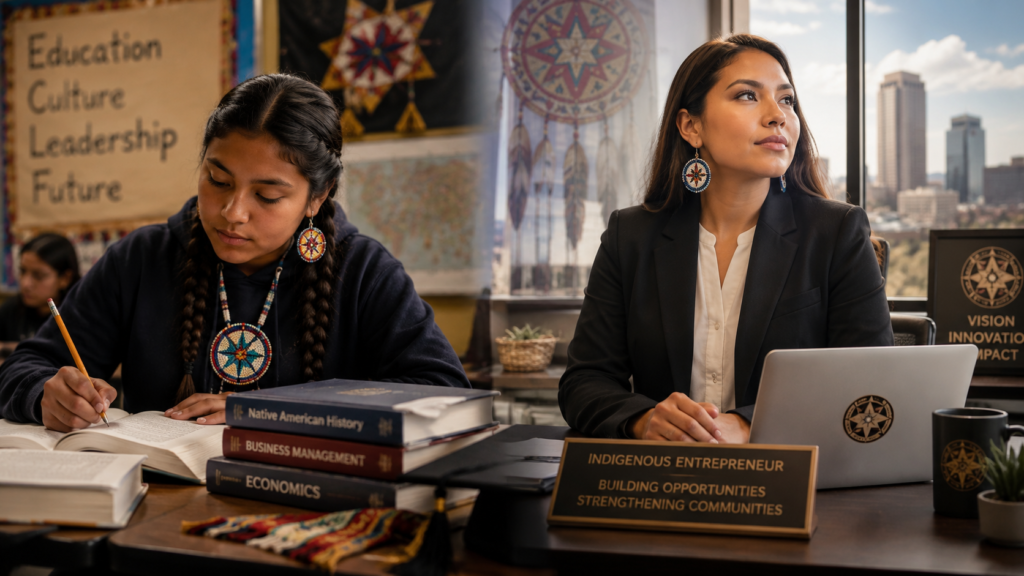
In recent decades, however, Indigenous nations in Oklahoma have transformed education into a means of cultural preservation and empowerment. Tribal colleges, language immersion programs, and culturally responsive curricula help restore Indigenous knowledge systems.
Educational initiatives now emphasize Indigenous history, storytelling, environmental knowledge, and language revitalization. These programs challenge historical narratives that marginalized Native voices.
Higher education has also become increasingly important in Indigenous communities. Many tribal governments provide scholarships and educational support to encourage professional development and leadership among younger generations.
Economic Development and Social Change
Economic transformation has significantly influenced Indigenous society in Oklahoma. Historically, many tribes relied on agriculture, trade, and communal economic systems. Colonization disrupted these economies through land loss and federal restrictions.
Today, tribal economies are diverse and include gaming industries, tourism, healthcare, energy, agriculture, and technology sectors. Tribal casinos have become major sources of revenue for many Indigenous nations.
From a sociological perspective, economic development has both positive and negative consequences. On one hand, tribal enterprises create jobs, fund education and healthcare, and strengthen political independence. On the other hand, economic inequality still exists within some communities.
Urbanization has also changed Indigenous social life. Many Indigenous people now live in cities such as Tulsa and Oklahoma City, where they balance urban lifestyles with tribal traditions.
Globalization has further influenced Indigenous economies and cultures. Social media platforms, digital communication, and international activism have enabled Indigenous communities to share their experiences globally while also facing pressures from consumer culture and modernization.
Religion and Spirituality in Indigenous Society
Religion and spirituality remain deeply connected to Indigenous social life in Oklahoma. Traditional Indigenous belief systems often emphasize harmony with nature, ancestral respect, and spiritual interconnectedness.
Colonization introduced Christianity, and many Indigenous communities adopted Christian practices while also preserving traditional spiritual beliefs. This blending of religious traditions demonstrates cultural adaptation rather than complete cultural replacement.
Ceremonies, dances, songs, and sacred rituals continue to hold social importance. These practices strengthen group solidarity and maintain cultural continuity across generations.
Sociologists recognize religion as an institution that provides moral guidance, emotional support, and social integration. In Indigenous societies, spirituality also connects people to land and collective identity.
Environmental protection movements among Indigenous groups are often influenced by spiritual beliefs regarding sacred lands and ecological balance. This relationship between spirituality and environmental activism has become increasingly significant in contemporary Indigenous politics.
Gender Relations and Indigenous Women
Gender relations within Indigenous societies are complex and historically diverse. Many Indigenous cultures traditionally recognized important leadership roles for women within family, agriculture, and community decision-making.
Colonial systems often imposed patriarchal structures that reduced the social status of Indigenous women. As a result, Indigenous women faced both racial discrimination and gender inequality.
Today, Indigenous women in Oklahoma play important roles in politics, education, activism, and cultural preservation. Many tribal leaders, educators, and community organizers are women who advocate for social justice and cultural renewal.
However, Indigenous women also experience serious social challenges, including violence, poverty, and healthcare inequality. The issue of Missing and Murdered Indigenous Women (MMIW) has gained national attention as activists demand greater legal protection and social awareness.
From a sociological perspective, Indigenous women’s activism demonstrates intersectionality, where race, gender, and colonial history interact to shape social experiences.
Media Representation and Stereotypes
Media representation significantly affects public perceptions of Indigenous peoples. Historically, movies, textbooks, and popular culture often portrayed Native Americans through stereotypes such as warriors, savages, or mystical figures.
These representations ignored the diversity and modern realities of Indigenous communities. Sociologists argue that stereotypes reinforce social inequality by shaping dominant cultural narratives.
In Oklahoma, Indigenous artists, filmmakers, writers, and journalists are increasingly challenging these stereotypes. Indigenous media platforms and storytelling projects allow Native communities to represent themselves rather than being defined by outsiders.
Contemporary Indigenous literature and cinema highlight themes such as identity, trauma, survival, humor, and resistance. This cultural production strengthens social visibility and political awareness.
Social media has also become a powerful tool for Indigenous activism and cultural education. Younger generations use digital platforms to promote language revitalization, environmental justice, and Indigenous rights movements.
Health, Social Inequality, and Historical Trauma
Indigenous communities in Oklahoma continue to face significant social inequalities related to health, income, housing, and education.
Historical trauma is an important sociological concept used to understand the long-term effects of colonization, forced removal, boarding schools, and discrimination. Trauma can be transmitted across generations through social environments and collective memory.
Many Indigenous communities experience higher rates of diabetes, mental health challenges, addiction, and limited healthcare access compared to national averages. These inequalities are linked not only to individual behavior but also to structural factors such as poverty and historical marginalization.
Tribal healthcare systems and community wellness programs attempt to address these issues through culturally informed approaches. Traditional healing practices are often combined with modern medical services.
Community support networks, ceremonies, and cultural engagement are increasingly recognized as important factors in improving mental and emotional well-being.
Indigenous Activism and Social Justice on Society in Oklahoma
Indigenous activism has become an important force in Oklahoma and across the United States. Activists advocate for land rights, environmental protection, cultural preservation, voting rights, and legal sovereignty.
Youth activism has grown particularly strong in recent years. Younger Indigenous generations are combining traditional cultural values with modern political strategies.
Environmental justice movements often focus on protecting water, land, and sacred sites from industrial exploitation. These movements connect Indigenous rights with broader ecological concerns.
Sociologically, Indigenous activism reflects resistance against systems of inequality and cultural domination. It also demonstrates how marginalized communities create social movements to demand recognition and justice.
The growing visibility of Indigenous voices in politics, academia, and media indicates changing social attitudes toward Native communities.
Conclusion on Society in Oklahoma
The study of Indigenous nations and society in Oklahoma provides important sociological insights into identity, resilience, inequality, and cultural survival. Indigenous communities in Oklahoma have endured forced migration, colonization, cultural suppression, and economic challenges, yet they continue to preserve and strengthen their social institutions.
Tribal sovereignty, cultural revitalization, educational reform, and economic development demonstrate the adaptability and resilience of Indigenous societies. At the same time, ongoing challenges such as poverty, health inequality, discrimination, and historical trauma highlight the continuing effects of colonialism in contemporary society.
From a sociological perspective, Indigenous nations in Oklahoma are not simply remnants of the past but active participants in shaping modern social and political life. Their experiences challenge dominant historical narratives and encourage deeper discussions about justice, diversity, and collective identity.
Understanding Indigenous societies is essential for creating a more inclusive and equitable society. The future of Indigenous nations in Oklahoma will continue to depend on cultural preservation, political self-determination, and social recognition within an increasingly globalized world.
FAQs on Society in Oklahoma
1. What is unique about Indigenous society in Oklahoma?
Indigenous society in Oklahoma is unique because the state is home to many federally recognized tribes that maintain strong cultural, political, and social institutions while preserving traditional identities.
2. How has Indigenous society in Oklahoma changed over time?
Society in Oklahoma has changed through urbanization, modernization, tribal economic growth, and educational development, while still maintaining Indigenous traditions and cultural heritage.
3. Why is Oklahoma important for Native American communities?
Oklahoma is important because many tribes were relocated there during the nineteenth century, making it one of the largest centers of Indigenous population and culture in the United States.
4. How does tribal sovereignty influence society in Oklahoma?
Tribal sovereignty allows Indigenous nations to govern themselves, operate social programs, manage education and healthcare systems, and protect cultural traditions within society in Oklahoma.
5. What role does culture play in society in Oklahoma?
Culture plays a major role through language preservation, ceremonies, powwows, storytelling, art, music, and community traditions that strengthen Indigenous identity.
6. How does education affect Indigenous society in Oklahoma?
Education helps preserve Native languages, promote cultural awareness, and improve economic opportunities for Indigenous communities across society in Oklahoma.
7. What are the major social challenges faced by Indigenous communities in Oklahoma?
Major challenges include poverty, healthcare inequality, unemployment, discrimination, addiction, and the long-term effects of historical trauma.
8. How do tribal economies impact society in Oklahoma?
Tribal businesses, casinos, tourism, and healthcare industries create jobs, fund social welfare programs, and contribute significantly to economic development in Society in Oklahoma.
9. What is the role of family in Indigenous society in Oklahoma?
Family and kinship networks are central to Indigenous social life, emphasizing collective responsibility, elder respect, and strong community relationships.
10. How has historical trauma affected society in Oklahoma?
Historical trauma from forced relocation, boarding schools, and colonization continues to influence mental health, social inequality, and community relationships.
11. What role do Indigenous women play in society in Oklahoma?
Indigenous women contribute as leaders, educators, activists, and cultural preservers while also advocating for social justice and gender equality.
12. How does religion influence Indigenous society in Oklahoma?
Religion and spirituality provide social unity, moral values, and cultural continuity through ceremonies, sacred traditions, and community rituals.
13. What is the impact of urbanization on society in Oklahoma?
Urbanization has increased migration to cities like Tulsa and Oklahoma City, changing lifestyles while maintaining tribal connections.
14. How does media representation affect Indigenous society in Oklahoma?
Media representation influences public perceptions, and Indigenous creators are increasingly challenging stereotypes through literature, film, journalism, and digital media.
15. Why is studying society in Oklahoma important in sociology?
Studying society in Oklahoma helps sociologists understand colonialism, identity, social inequality, resistance, cultural survival, and Indigenous political systems.
1 thought on “Indigenous Nations and Society in Oklahoma: A Sociological Perspective”