
Seattle, one of the fastest-growing urban centers in the United States, has become an important case study in urban sociology. Known for its technological innovation, environmental consciousness, and global economy, the city also reflects deep social inequalities related to housing and class. The rise of major technology corporations, increasing migration, urban redevelopment, and changing labor structures have transformed Seattle into a city marked by prosperity for some and exclusion for others. From luxury apartments in downtown districts to homelessness in public spaces, Seattle demonstrates how urban growth often creates unequal social outcomes.
Urban sociology examines the relationship between social groups and urban spaces. In Seattle, housing is not merely a physical structure; it is connected to social status, economic opportunity, race, cultural identity, and political power. Housing inequality reflects larger class divisions that shape access to education, healthcare, transportation, and employment. The city’s rapid economic growth has produced wealth concentration while simultaneously increasing displacement among working-class and marginalized communities.
Seattle’s transformation from an industrial port city into a global technological hub has intensified debates about affordability, urban justice, and class relations. Sociologists study Seattle to understand how capitalism, globalization, and urban planning influence everyday life. Housing costs, gentrification, homelessness, and class segregation have become central themes in the city’s urban experience.
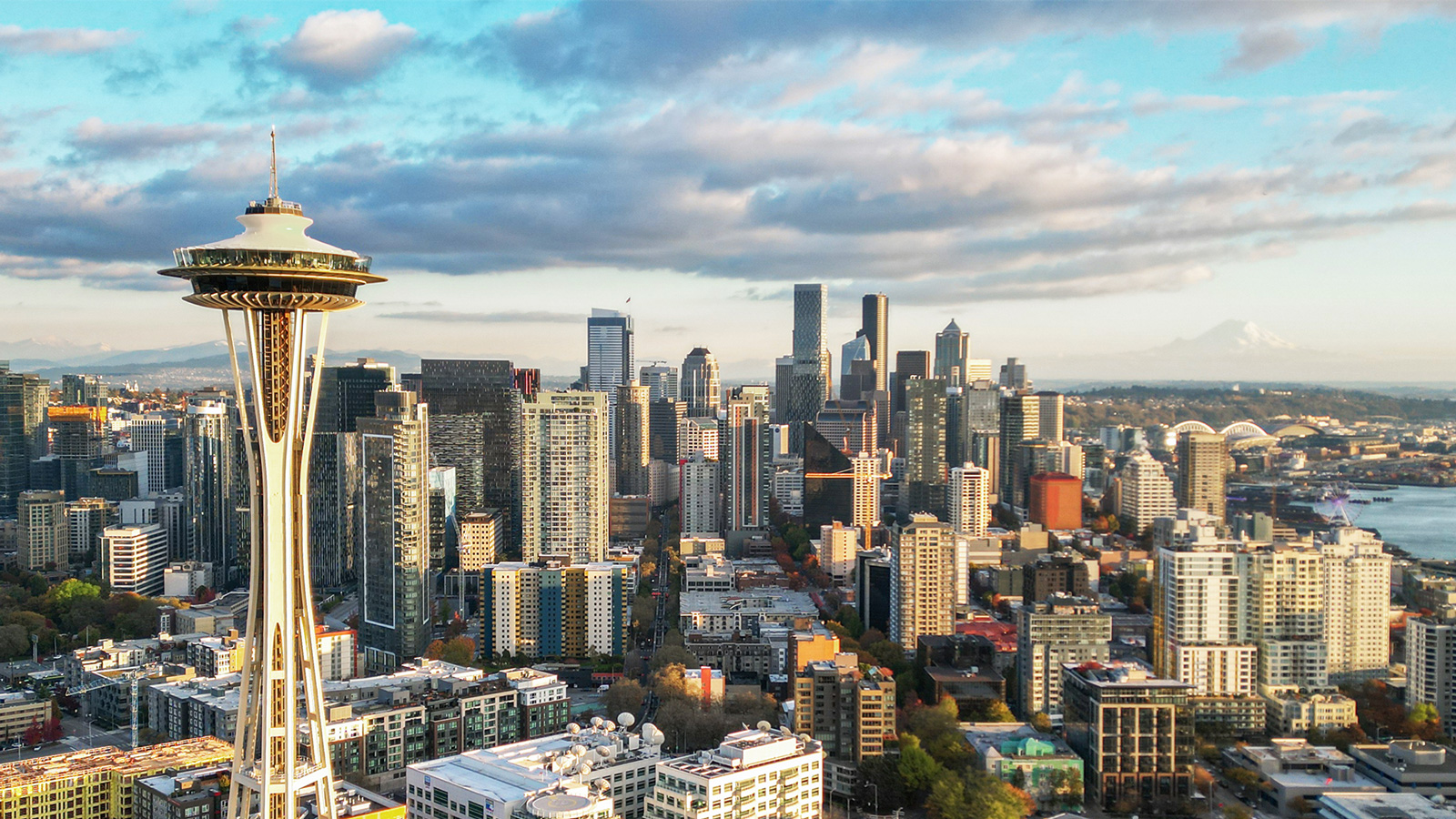
Explore the Urban Sociology of Seattle through housing inequality, class divisions, gentrification, homelessness, and urban development in this detailed sociological analysis.
Understanding Urban Sociology in Seattle
Urban sociology focuses on how cities influence social behavior and how social structures shape urban life. In Seattle, the city’s spatial organization reflects patterns of inequality and privilege. Urban neighborhoods often represent different class identities. Wealthier residents occupy expensive neighborhoods with better public services, while low-income populations face housing insecurity and limited access to resources.
Seattle’s growth has been strongly connected to technology industries such as Amazon and Microsoft. These corporations attracted highly educated professionals with high salaries, increasing demand for housing. As property values increased, traditional working-class neighborhoods experienced rapid redevelopment. This process altered the social character of many communities.
The city also demonstrates the sociological concept of spatial inequality, where economic differences become visible through geography. Certain neighborhoods enjoy economic investment and modern infrastructure, while others face neglect or displacement pressures. Housing markets therefore become mechanisms through which social inequality is reproduced.
Seattle’s urban identity combines progressive politics with capitalist expansion. Although the city supports environmental and social justice movements, economic inequalities remain significant. Urban sociology helps explain why even socially liberal cities can experience severe class divisions.
Historical Development of Seattle’s Urban Structure
Seattle’s urban development began with trade, shipping, and resource industries. During the nineteenth and early twentieth centuries, the city expanded through logging, fishing, and port activities. Industrial workers, immigrants, and labor unions shaped Seattle’s early social structure.
After World War II, industrial growth and aerospace industries, especially Boeing, contributed to middle-class expansion. However, economic restructuring in the late twentieth century shifted Seattle toward technology and service industries. The emergence of large technology firms transformed the urban economy and attracted global investment.
This transformation produced dramatic demographic changes. Educated professionals moved into Seattle, increasing housing demand and altering neighborhood demographics. Areas previously occupied by working-class residents became attractive to developers and investors. Urban redevelopment projects expanded luxury housing while affordable housing declined.
Historically marginalized communities, including African Americans, immigrants, and low-income workers, experienced displacement as rents and property taxes increased. The city’s changing economy created new opportunities for highly skilled workers but intensified insecurity for service-sector employees and laborers.
Urban sociologists argue that Seattle’s development reflects broader global urban trends. Global cities often experience rising inequality because economic growth benefits highly educated professionals more than lower-income populations. Housing markets become central sites where these inequalities are expressed.
Housing Crisis and Affordability
Housing affordability has become one of Seattle’s most important urban issues. Rapid population growth and economic expansion increased demand for housing faster than supply. As a result, rental prices and home values rose dramatically over the past two decades.
The housing crisis affects different social groups in unequal ways. Wealthier professionals employed in technology industries can often afford expensive housing, while middle-class and working-class residents struggle with rising rents. Many households spend a large portion of their income on housing costs, creating financial insecurity.

Urban sociologists describe this situation as housing inequality, where access to stable and quality housing depends heavily on class position. Housing inequality is closely linked to labor markets, transportation systems, and social policies. Lower-income families are often forced to move farther from employment centers because affordable housing near urban workplaces is unavailable.
Seattle’s housing crisis also reveals contradictions within urban capitalism. Economic success attracts investment and population growth, but these same processes increase living costs. Housing becomes treated as a commodity for profit rather than a social necessity.
Luxury apartment construction has expanded across central Seattle. However, critics argue that such development does not adequately address affordable housing shortages. While urban redevelopment increases property values, it often reduces socioeconomic diversity in neighborhoods.
The affordability crisis has influenced family structures and social relationships. Young adults delay homeownership, workers accept longer commutes, and some residents leave the city entirely. Housing insecurity creates stress, anxiety, and reduced social stability.
Gentrification and Urban Transformation
Gentrification is a central sociological process shaping Seattle. Gentrification occurs when wealthier populations move into traditionally lower-income neighborhoods, leading to rising property values and displacement of existing residents.
Neighborhoods such as Capitol Hill, South Lake Union, and the Central District have undergone significant transformation. New luxury apartments, restaurants, and commercial developments changed the social and cultural character of these areas. Longtime residents often struggle to remain because of increasing rents and property taxes.
Urban sociologists analyze gentrification as both an economic and cultural process. Economic investment improves infrastructure and attracts businesses, but it also creates exclusion. Cultural changes occur as neighborhood identities shift toward the preferences of affluent newcomers.
Seattle’s technology boom accelerated gentrification. High-income technology workers increased demand for housing near employment centers. Developers responded by constructing expensive residential projects that catered to affluent consumers.
The Central District offers a particularly important example. Historically a center of African American culture in Seattle, the neighborhood experienced major demographic changes due to rising housing costs and redevelopment. Many Black families were displaced to suburban areas where housing was relatively cheaper.
Gentrification also influences local businesses and social networks. Traditional stores and community institutions may disappear as commercial rents rise. Residents lose long-standing neighborhood relationships, weakening community cohesion.
Sociological research suggests that urban displacement contributes to class segregation. Wealthier populations become concentrated in desirable urban districts while lower-income groups are pushed toward peripheral areas.
Class Structure in Seattle
Seattle’s class structure has become increasingly polarized. The city contains highly paid professionals alongside low-wage service workers. Economic inequality is visible in residential patterns, education access, and lifestyle differences.
Technology industries created a new urban elite composed of software engineers, corporate executives, and highly educated professionals. These groups possess significant economic and cultural capital. They influence housing markets, consumer culture, and urban politics.
At the same time, service workers, retail employees, restaurant staff, delivery workers, and gig economy laborers often face economic insecurity. Although they contribute to the functioning of the urban economy, their wages frequently do not match Seattle’s high living costs.
Urban sociologists argue that modern cities increasingly depend on a dual labor market. One sector contains highly paid professional jobs, while another consists of unstable low-wage employment. Seattle strongly reflects this pattern.
Class differences shape daily experiences within the city. Wealthier residents access better healthcare, safer neighborhoods, quality education, and recreational opportunities. Lower-income residents face overcrowded housing, transportation difficulties, and limited economic mobility.
Class divisions also influence political participation. Affluent populations often possess greater influence over urban planning and development decisions. Working-class communities may struggle to protect affordable housing and neighborhood stability.
Seattle’s class structure intersects with race and ethnicity. Historical discrimination and unequal economic opportunities have disproportionately affected minority communities. Therefore, housing inequality is not only a class issue but also connected to racial inequality.
Homelessness and Social Exclusion
Seattle has experienced a visible increase in homelessness. Tents, temporary shelters, and unsheltered populations have become part of the city’s urban landscape. Homelessness represents one of the clearest manifestations of housing inequality and class exclusion.
Several factors contribute to homelessness in Seattle, including rising housing costs, unemployment, mental health issues, addiction, and insufficient affordable housing. Urban sociologists emphasize that homelessness should not be viewed simply as an individual failure. Instead, it reflects structural problems within housing markets and social systems.

Housing insecurity often pushes vulnerable individuals into unstable living situations. Evictions, job loss, or medical debt can rapidly lead to homelessness in expensive urban environments. Once displaced, individuals face difficulties accessing employment, healthcare, and social support.
Public debates about homelessness reveal class tensions within the city. Some residents view homeless populations as social problems threatening urban order, while others emphasize human rights and structural inequality. These debates influence public policy and policing practices.
Seattle authorities have attempted multiple responses, including shelters, affordable housing initiatives, and social services. However, critics argue that many policies focus more on managing visible homelessness than addressing root causes.
Homelessness also reflects the contradictions of urban prosperity. A city with immense technological wealth simultaneously struggles with severe poverty and social exclusion. Urban sociology examines how economic systems produce both wealth concentration and marginalization.
Race, Housing, and Inequality
Race remains deeply connected to housing patterns in Seattle. Historically, discriminatory housing practices limited opportunities for minority communities. Redlining and segregation shaped neighborhood development and access to property ownership.
African American, Asian, Latino, and immigrant communities often experienced exclusion from wealthier neighborhoods. These historical inequalities continue to influence present-day housing opportunities.
Gentrification disproportionately affects minority populations because many historically marginalized communities already face economic disadvantages. Rising housing costs therefore intensify racial displacement.
Seattle also has significant immigrant and refugee populations. Refugee communities often settle in affordable neighborhoods where housing conditions may be overcrowded or economically insecure. Language barriers and limited employment opportunities increase vulnerability.
Urban sociologists emphasize intersectionality, meaning class, race, gender, and immigration status interact to shape urban experiences. A low-income immigrant family may face multiple barriers related to housing access, employment, and social mobility.
Neighborhoods become important spaces for cultural identity and community solidarity. Displacement therefore represents not only economic loss but also cultural disruption. When communities are displaced, social networks and collective identities weaken.
Urban Planning and Policy Responses
Urban planning plays a major role in shaping Seattle’s housing system. Zoning laws, transportation infrastructure, and development policies influence where people can live and how neighborhoods evolve.
Critics argue that restrictive zoning policies contributed to housing shortages by limiting high-density residential construction in many areas. Others believe uncontrolled development encourages displacement and speculative investment.
Seattle has introduced several policies aimed at improving housing affordability. These include affordable housing programs, tenant protections, rent stabilization discussions, and investments in public transit. However, sociologists debate whether these measures adequately address structural inequality.
Public transportation is especially important because lower-income populations are often pushed farther from city centers. Efficient transit systems can reduce social exclusion by connecting residents to employment and services.
Urban sociologists also discuss the importance of inclusive planning. Communities affected by redevelopment should participate in decision-making processes. Without democratic participation, urban planning may primarily benefit developers and wealthy residents.
Seattle’s environmental policies further shape urban development. Sustainable urban planning aims to reduce environmental damage, but “green development” can sometimes increase property values and accelerate gentrification. This phenomenon is often called “green gentrification.”
Technology Economy and Urban Change
The technology sector has profoundly transformed Seattle’s urban landscape. Companies such as Amazon contributed to job creation, economic growth, and global recognition. However, the expansion of technology industries also intensified housing pressures and class inequality.
Technology workers often earn salaries much higher than the city’s median income. This purchasing power increases housing demand and property values. Developers respond by building luxury housing aimed at affluent professionals.
The concentration of corporate offices in neighborhoods like South Lake Union changed urban geography. Former industrial areas became centers of high-income employment and upscale housing.
Urban sociologists analyze this process through theories of global capitalism. Cities compete to attract investment and highly skilled workers. Economic success becomes connected to innovation and corporate presence. However, these same forces can marginalize lower-income populations.
The technology economy also reshapes cultural life. Coffee shops, coworking spaces, and luxury consumption patterns become associated with urban prestige. Meanwhile, working-class cultures may lose visibility.
Some activists criticize corporate influence over urban governance. Large corporations can shape housing markets and public policy through economic power. Debates continue regarding taxation, affordable housing contributions, and corporate responsibility.
Seattle therefore represents both the opportunities and contradictions of the modern knowledge economy. Technological innovation generates wealth but also deepens class divisions.
Community Resistance and Social Movements
Seattle has a long tradition of activism and community organizing. Housing justice movements, tenant unions, labor organizations, and social activists challenge inequality and displacement.
Grassroots organizations advocate for affordable housing, tenant rights, rent control, and anti-displacement policies. Community activists argue that housing should be treated as a human right rather than solely as a market commodity.
Labor movements also remain significant in Seattle. Workers in service industries demand higher wages and improved labor protections. The city became nationally known for campaigns supporting higher minimum wages.
Community resistance demonstrates the sociological importance of collective action. Urban residents organize to protect neighborhoods, preserve cultural identity, and challenge unequal development.
Protests against homelessness criminalization and displacement reveal conflicts over urban space. Different social groups compete over how public spaces should be used and who belongs within the city.
Urban sociology studies these movements as expressions of urban citizenship. Residents seek recognition, participation, and social justice within rapidly changing cities.
Conclusion
Seattle offers a powerful example of how urban growth shapes housing and class relations. The city’s transformation into a global technological center created economic prosperity but also intensified inequality, displacement, and housing insecurity. Urban sociology helps explain how these changes are connected to broader social structures such as capitalism, class stratification, race relations, and urban planning.
Housing in Seattle is deeply connected to social power. Access to stable and affordable housing influences educational opportunities, employment, health, and social mobility. Rising housing costs have widened class divisions and reshaped neighborhood identities.
Gentrification, homelessness, and displacement illustrate the unequal consequences of urban redevelopment. Wealthier populations benefit from economic expansion while vulnerable communities face insecurity and exclusion. Race and class intersect to create complex forms of inequality within the city.
Seattle’s experience also highlights the contradictions of modern urban life. A city celebrated for innovation and progressive politics simultaneously struggles with severe housing inequality and homelessness. These tensions reflect broader global patterns affecting many contemporary cities.
Urban sociology emphasizes that cities are not only economic spaces but also social environments shaped by human relationships, power structures, and political decisions. Seattle’s future will depend on whether urban development can become more inclusive and socially just. Policies supporting affordable housing, equitable planning, and community participation may help reduce inequality and strengthen urban solidarity.
Seattle therefore remains an important sociological case study for understanding how housing and class influence urban life in the twenty-first century.
FAQs on Urban Sociology of Seattle
1. What is Urban Sociology of Seattle?
Urban Sociology of Seattle refers to the sociological study of Seattle’s urban life, including housing inequality, class divisions, gentrification, homelessness, migration, and urban development.
2. Why is Urban Sociology of Seattle important?
Urban Sociology of Seattle is important because it helps researchers understand how rapid urban growth and the technology economy influence housing, social class, and community structures.
3. How has the tech industry affected Urban Sociology of Seattle?
The technology industry has transformed Urban Sociology of Seattle by increasing population growth, raising housing prices, and expanding class inequality between high-income professionals and low-wage workers.
4. What role does housing play in Urban Sociology of Seattle?
Housing is a central issue in Urban Sociology of Seattle because access to affordable housing affects education, employment, social mobility, and quality of life.
5. How does gentrification influence Urban Sociology of Seattle?
Gentrification changes Urban Sociology of Seattle by displacing working-class residents, increasing property values, and reshaping neighborhood cultures.
6. What are the major class divisions in Urban Sociology of Seattle?
Urban Sociology of Seattle highlights divisions between wealthy technology professionals and lower-income service workers who struggle with the city’s high cost of living.
7. Why is homelessness a major issue in Urban Sociology of Seattle?
Homelessness is a major issue in Urban Sociology of Seattle because rising rents, housing shortages, and economic inequality have increased housing insecurity.
8. How does race relate to Urban Sociology of Seattle?
Urban Sociology of Seattle examines how historical segregation, racial inequality, and displacement continue to shape housing opportunities and neighborhood patterns.
9. What is the impact of migration on Urban Sociology of Seattle?
Migration has increased population diversity in Urban Sociology of Seattle while also contributing to higher housing demand and urban expansion.
10. How does urban planning affect Urban Sociology of Seattle?
Urban planning affects Urban Sociology of Seattle through zoning laws, transportation systems, and redevelopment policies that shape residential patterns and social inequality.
11. What sociological theories are used in Urban Sociology of Seattle?
Urban Sociology of Seattle often uses theories related to capitalism, spatial inequality, class conflict, and urban ecology to explain social changes in the city.
12. How does Urban Sociology of Seattle explain neighborhood inequality?
Urban Sociology of Seattle explains neighborhood inequality through unequal access to resources, economic investment, and social opportunities across different areas of the city.
13. What are the effects of rising rent in Urban Sociology of Seattle?
Rising rent in Urban Sociology of Seattle increases displacement, financial stress, commuting distances, and social instability among middle- and lower-income residents.
14. How do social movements shape Urban Sociology of Seattle?
Social movements influence Urban Sociology of Seattle by advocating for tenant rights, affordable housing, labor protections, and anti-displacement policies.
15. What can be learned from Urban Sociology of Seattle?
Urban Sociology of Seattle teaches how economic growth, globalization, and urban development can create both prosperity and deep social inequality in modern cities.
1 thought on “Urban Sociology of Seattle: Housing and Class”