Introduction
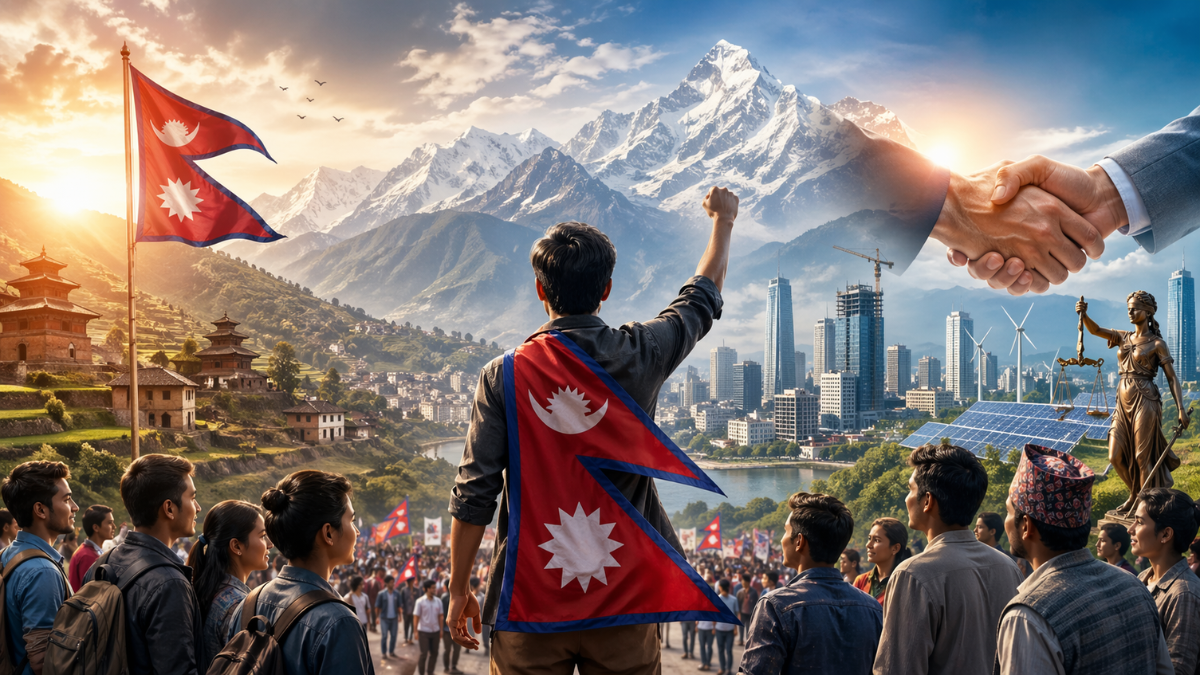
Nepal has entered a transformative phase in its political and socio-economic trajectory following the youth-led political shift of 2025 and the rise of Balendra Shah as Prime Minister in 2026. This transition is not merely a change in leadership; it represents a deeper structural transformation driven by generational aspirations, digital mobilization, and dissatisfaction with traditional governance systems. The emergence of a reform-oriented government has led to the formulation of what is widely referred to as the “New Nepal Policy,” a comprehensive framework aimed at restructuring governance, economy, and social institutions.
From a sociological perspective, this moment can be interpreted as a critical juncture, where historical patterns of political stagnation and socio-economic inequality are being challenged by new forms of participation, accountability, and modernization. This article examines the key features of the New Nepal Policy and provides a sociological prediction of its potential socio-economic impacts on Nepali society.
Understanding the New Nepal Policy
The New Nepal Policy is not a single law but a multi-dimensional reform agenda. It combines governance reforms, economic restructuring, social welfare initiatives, and cultural transformation. The policy framework is largely shaped by three core principles:
- Transparency and Anti-Corruption
- Youth-Centric Development
- Efficient and Accountable Governance
Key Components of the Policy
1. Anti-Corruption and Institutional Accountability
One of the most prominent features is the large-scale investigation into political and bureaucratic corruption. By targeting past leaders and institutional malpractice, the government seeks to rebuild public trust. This reflects a shift from patrimonial governance to rational-legal authority, a concept introduced by Max Weber.
2. Administrative Restructuring
The reduction in the number of ministries and elimination of redundant institutions signify a move toward a lean state model. This approach aligns with global trends of governance efficiency and aims to reduce bureaucratic inertia.
3. Education Reform
The attempt to depoliticize educational institutions by banning party-based student politics marks a significant cultural shift. Education is being redefined as a space for skill development and meritocracy, rather than political mobilization.
4. Health and Social Welfare
Policies such as mandatory free beds in private hospitals reflect a commitment to inclusive development. This indicates the state’s attempt to balance market mechanisms with welfare responsibilities.
5. Economic and Employment Policy
The focus on startups, digital economy, and job creation highlights a transition toward a knowledge-based economy. Reducing youth migration (brain drain) is a central goal.
6. Trade and Fiscal Measures
Stricter customs regulations and taxation policies aim to strengthen domestic markets but have also created tensions in border economies.
7. Digital Governance and Participation
The use of social media platforms for governance communication indicates the emergence of a digitally mediated state-society relationship.
Sociological Framework for Analysis
To understand the broader implications of these policies, it is essential to apply sociological theories:
1. Conflict Theory
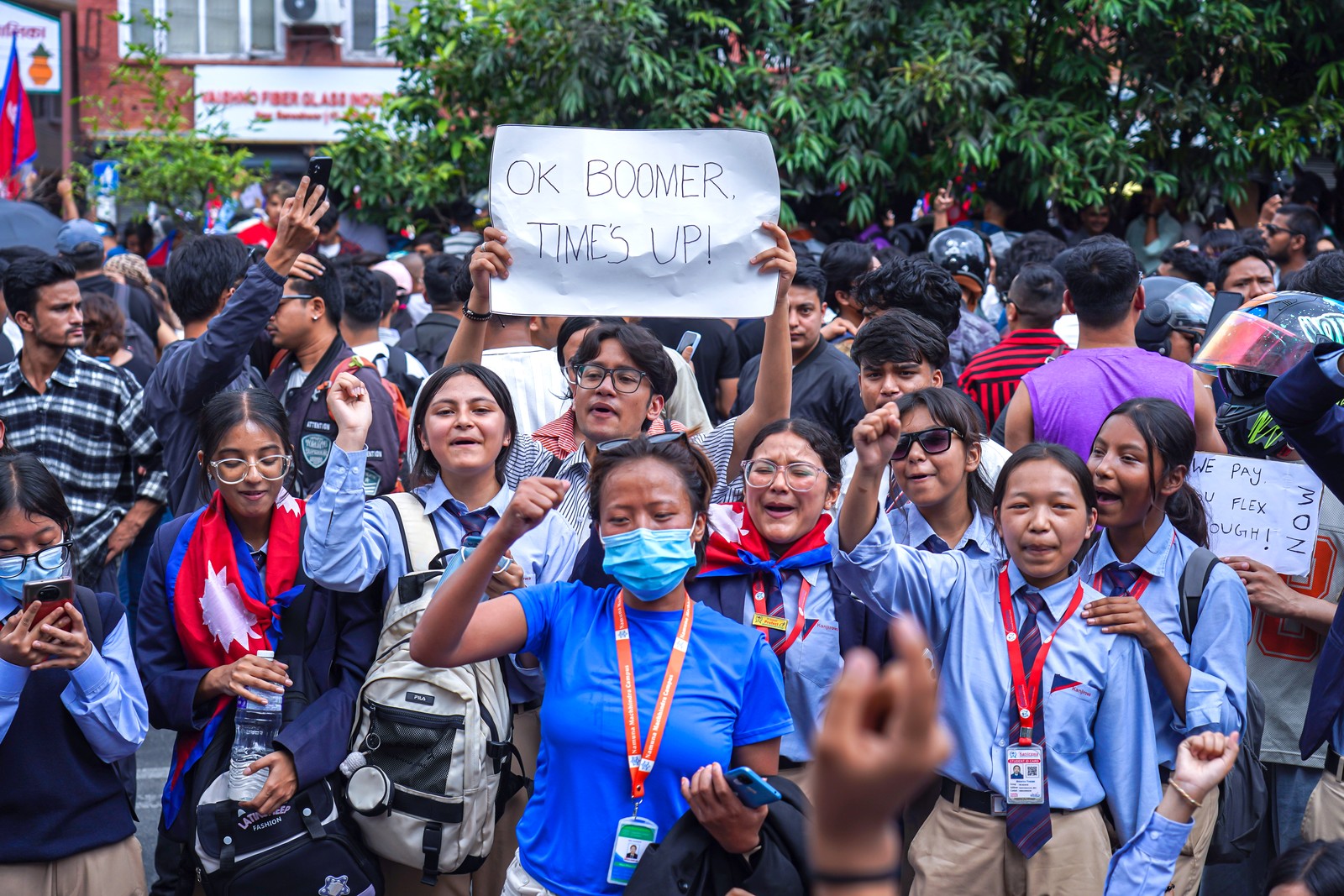
Rooted in the ideas of Karl Marx, conflict theory explains the 2025 protests as a struggle between entrenched elites and marginalized youth. The New Nepal Policy can be seen as an outcome of this conflict, where power is being redistributed.
2. Modernization Theory
The reforms reflect a transition from traditional to modern society characterized by rational governance, technological advancement, and individualism.
3. Structuration Theory
Proposed by Anthony Giddens, this theory helps explain how individual actions (youth protests) and structural changes (policy reforms) interact to reshape society.
4. Resource Mobilization Theory
The success of the Gen Z movement highlights the importance of digital platforms and organizational networks in mobilizing collective action.
Predicted Socio-Economic Changes in Nepali Society
1. Transformation of Political Culture
The most immediate impact is the transformation of Nepal’s political culture. Traditional politics in Nepal has been characterized by patronage, nepotism, and ideological rigidity. The New Nepal Policy introduces:
- Performance-based legitimacy
- Increased accountability
- Youth participation
Sociological Prediction:
Nepal is likely to move toward a participatory democratic model, where citizens actively engage in governance. However, there is also a risk of charismatic authority dominance, where leadership becomes overly personalized.
2. Rise of a Youth-Dominated Social Structure
The Gen Z movement has fundamentally altered the demographic dynamics of power. युवा (youth) are no longer passive recipients of policy but active agents of change.

Key Changes:
- Increased political awareness
- Greater civic engagement
- Shift in value systems toward meritocracy
Sociological Prediction:
This may lead to the emergence of a “youth hegemony” in social and political institutions. While this can drive innovation, it may also create generational tensions with older elites.
3. Economic Restructuring and Class Dynamics
The emphasis on startups and digital economy is likely to reshape Nepal’s class structure.
Emerging Trends:
- Growth of a new middle class (tech-savvy, educated youth)
- Decline of traditional economic elites
- Expansion of informal digital work
Sociological Prediction:
Nepal may witness a shift from a feudal-economic structure to a semi-capitalist digital economy. However, inequality may persist if access to digital resources remains uneven.
4. Reduction in Brain Drain
Nepal has historically faced high levels of youth migration. The new policies aim to create domestic opportunities.
Sociological Prediction:
If successful, this could lead to:
- Strengthening of local economies
- Retention of skilled human capital
- Cultural revitalization
However, failure to deliver jobs could result in renewed migration pressures.
5. Changes in Education and Socialization
The depoliticization of education is likely to alter the role of educational institutions.
Key Impacts:
- Focus on skill-based learning
- Reduced political indoctrination
- Increased employability
Sociological Prediction:
Education may become a primary agent of social mobility, reducing class barriers. However, it may also weaken traditional forms of political socialization among youth.
6. Digital Transformation of Society
The integration of digital tools into governance and daily life is a defining feature of the New Nepal Policy.
Key Changes:
- Expansion of digital communication
- Rise of online activism
- Increased transparency
Sociological Prediction:
Nepal may evolve into a network society, as described by Manuel Castells, where power is organized through digital networks. However, digital divides could create new forms of inequality.
7. Gender and Social Inclusion
Although not the central focus, the reforms have implications for gender equality and social inclusion.
Potential Impacts:
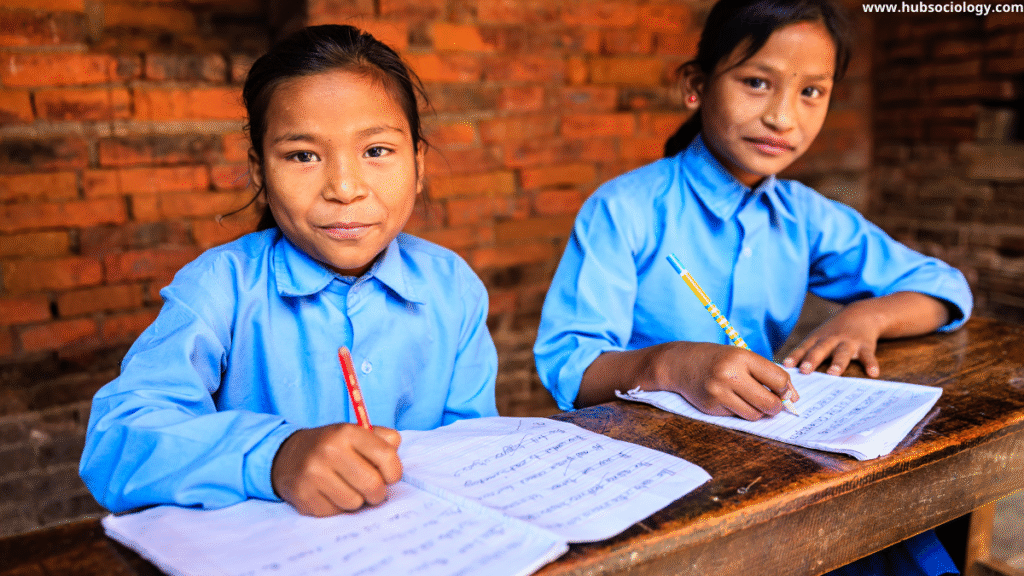
- Increased participation of women in politics
- Better access to healthcare and education
- Empowerment of marginalized communities
Sociological Prediction:
The policy framework may contribute to a gradual shift toward a more inclusive society, though deep-rooted cultural norms may slow progress.
8. Cultural Transformation and Identity
The youth-led movement has also influenced cultural identity.
Key Trends:
- Rise of nationalism among youth
- Rejection of traditional hierarchies
- Emphasis on innovation and creativity
Sociological Prediction:
Nepal may experience a hybrid cultural identity, blending traditional values with modern aspirations. This could lead to both cultural renewal and identity conflicts.
Challenges and Contradictions
Despite its transformative potential, the New Nepal Policy faces several challenges:
1. Institutional Resistance
Old political elites and bureaucratic structures may resist reforms.
2. Economic Constraints
Limited resources and external dependencies could hinder implementation.
3. Policy Implementation Gap
Ambitious policies may not translate into effective outcomes.
4. Social Inequality
Digital and economic disparities could widen existing inequalities.
5. Political Polarization
Rapid change may lead to ideological conflicts within society.
Comparative Perspective
Nepal’s transformation can be compared with other countries that have experienced youth-led political change:
- India’s anti-corruption movement (2011)
- Arab Spring (2010–2012)
- Sri Lanka’s economic protests (2022)
These cases highlight both the potential and limitations of such movements. While they can bring immediate change, sustaining long-term transformation requires strong institutions and consistent policy implementation.
Long-Term Sociological Outlook
Optimistic Scenario:
- Stable democratic governance
- Inclusive economic growth
- Reduced inequality
- Strong civic culture
Pessimistic Scenario:
- Policy failure and disillusionment
- Return of traditional elites
- Increased social fragmentation
Most Likely Scenario:
A mixed trajectory, where Nepal achieves partial success in reforms while continuing to face structural challenges.
Conclusion
The New Nepal Policy represents a significant departure from the country’s traditional political and socio-economic framework. It embodies the aspirations of a new generation seeking transparency, efficiency, and opportunity. From a sociological perspective, this transformation is both promising and complex.
The policies have the potential to reshape Nepal into a more modern, inclusive, and dynamic society. However, the success of this transformation will depend on the state’s ability to balance reform with stability, innovation with inclusivity, and ambition with practical implementation.
Ultimately, Nepal stands at a crossroads. The choices made in this period will determine whether the country can successfully transition into a new socio-economic order or remain constrained by its historical limitations.
FAQs on New Nepal Policy
- What is the New Nepal Policy?
The New Nepal Policy is a reform-oriented governance framework introduced under Balendra Shah focusing on transparency, youth empowerment, and economic restructuring. - Why was the New Nepal Policy introduced?
The New Nepal Policy emerged after the 2025 Gen Z protests to address corruption, unemployment, and weak governance. - What are the main objectives of the New Nepal Policy?
The New Nepal Policy aims to ensure clean governance, create jobs, strengthen institutions, and promote inclusive development. - How does the New Nepal Policy address corruption?
The New Nepal Policy includes large-scale investigations into political and bureaucratic corruption and promotes accountability. - What role do youth play in the New Nepal Policy?
The New Nepal Policy places youth at the center of decision-making, encouraging participation in politics and the economy. - How will the New Nepal Policy impact Nepal’s economy?
The New Nepal Policy focuses on startups, digital economy, and employment generation to boost economic growth. - What changes does the New Nepal Policy bring to education?
The New Nepal Policy promotes skill-based education and reduces political interference in academic institutions. - How does the New Nepal Policy improve healthcare?
The New Nepal Policy introduces welfare measures like free beds for poor patients and improved public health services. - Will the New Nepal Policy reduce unemployment?
The New Nepal Policy aims to create job opportunities and reduce migration by strengthening domestic industries. - What is the sociological significance of the New Nepal Policy?
The New Nepal Policy represents a shift toward participatory democracy and modernization of society. - How does the New Nepal Policy affect social inequality?
The New Nepal Policy attempts to reduce inequality through inclusive policies, though challenges remain. - What are the challenges of implementing the New Nepal Policy?
The New Nepal Policy faces resistance from traditional elites, resource constraints, and implementation gaps. - How does the New Nepal Policy use digital technology?
The New Nepal Policy promotes digital governance, transparency, and online citizen engagement. - Is the New Nepal Policy sustainable in the long term?
The sustainability of the New Nepal Policy depends on effective implementation and institutional support. - What is the future of Nepal under the New Nepal Policy?
The New Nepal Policy has the potential to transform Nepal into a modern, inclusive, and economically stable society.