Introduction
Population growth and migration are central themes in sociological inquiry because they reflect broader transformations in economic structures, cultural landscapes, and social organization. The U.S. state of Idaho presents a compelling case for examining these dynamics. Over the past few decades, Idaho has emerged as one of the fastest-growing states in the United States, largely driven by migration rather than natural population increase. This trend highlights the importance of mobility, regional inequality, and lifestyle preferences in shaping contemporary demographic patterns.
From a sociological perspective, migration to Idaho is not merely a demographic phenomenon but a multidimensional process involving economic restructuring, environmental appeal, urban expansion, and identity formation. This article explores the patterns, causes, and consequences of migration and population growth in Idaho through key sociological frameworks.
Explore Population Growth in Idaho from a sociological perspective, analyzing migration trends, urbanization, economic changes, and social impacts shaping the state’s rapid demographic transformation.

Historical Overview of Population Growth in Idaho
Idaho’s population trajectory has evolved significantly over time. During the late 20th century, population growth fluctuated due to economic shifts in agriculture, mining, and manufacturing. While the 1970s witnessed rapid growth, the 1980s experienced a slowdown, accompanied by net outmigration in several counties.
However, since the early 21st century, Idaho has experienced a demographic resurgence. Between 2010 and 2020, the state recorded one of the fastest growth rates in the country, with over 17% population increase. This growth has continued into the 2020s, with the population surpassing 2 million by 2025.
What distinguishes Idaho’s growth is the dominant role of migration. Historically, both natural increase (births minus deaths) and migration contributed to population change. Today, however, migration has become the primary driver, signaling a shift in demographic mechanisms.
Migration as the Primary Driver of Growth
Recent data shows that migration accounts for a substantial majority of Idaho’s population growth. In 2025, approximately 76% of population growth came from net migration, compared to only 24% from natural increase. Similarly, long-term trends indicate that migration has consistently contributed more to population growth than births.
This pattern reflects broader demographic transitions in developed societies, where declining fertility rates reduce natural growth while mobility increases due to economic and technological factors.
Migration into Idaho can be categorized into two main types:
- Domestic migration: Movement from other U.S. states, particularly California, Washington, and Oregon.
- International migration: Inflow of immigrants from regions such as Latin America and Asia.
Domestic migration dominates, accounting for about 90% of net migration in recent years.
Push and Pull Factors: A Sociological Explanation
Migration is often explained through the push-pull theory, which identifies factors that drive people away from one region and attract them to another.
Push Factors
Many migrants to Idaho originate from states experiencing high costs of living, urban congestion, and environmental stress. For instance, rising housing prices and economic inequality in states like California create strong incentives for outmigration. Sociologically, this reflects spatial inequality and uneven development within the United States.
Pull Factors
Idaho offers several attractions:
- Lower cost of living
- Expanding job opportunities
- Natural beauty and environmental quality
- Perceived safety and community cohesion
These factors align with the concept of amenity migration, where individuals relocate for lifestyle benefits rather than purely economic reasons. Idaho’s mountains, rivers, and open spaces have made it a destination for retirees, remote workers, and families seeking a better quality of life.
Economic Restructuring and Labor Market Dynamics
Economic transformation plays a crucial role in shaping migration patterns. Idaho’s economy has diversified beyond traditional sectors like agriculture and mining to include technology, healthcare, and service industries.

Urban centers such as Boise have become economic hubs, attracting skilled workers and entrepreneurs. Migration contributes to labor market expansion, increasing both the supply of workers and consumer demand.
However, this growth also creates challenges:
- Labor shortages in certain sectors
- Rising housing costs due to increased demand
- Pressure on infrastructure and public services
From a sociological perspective, these changes illustrate the interplay between population dynamics and economic restructuring, as well as the emergence of new class structures within growing regions.
Urbanization and Spatial Transformation
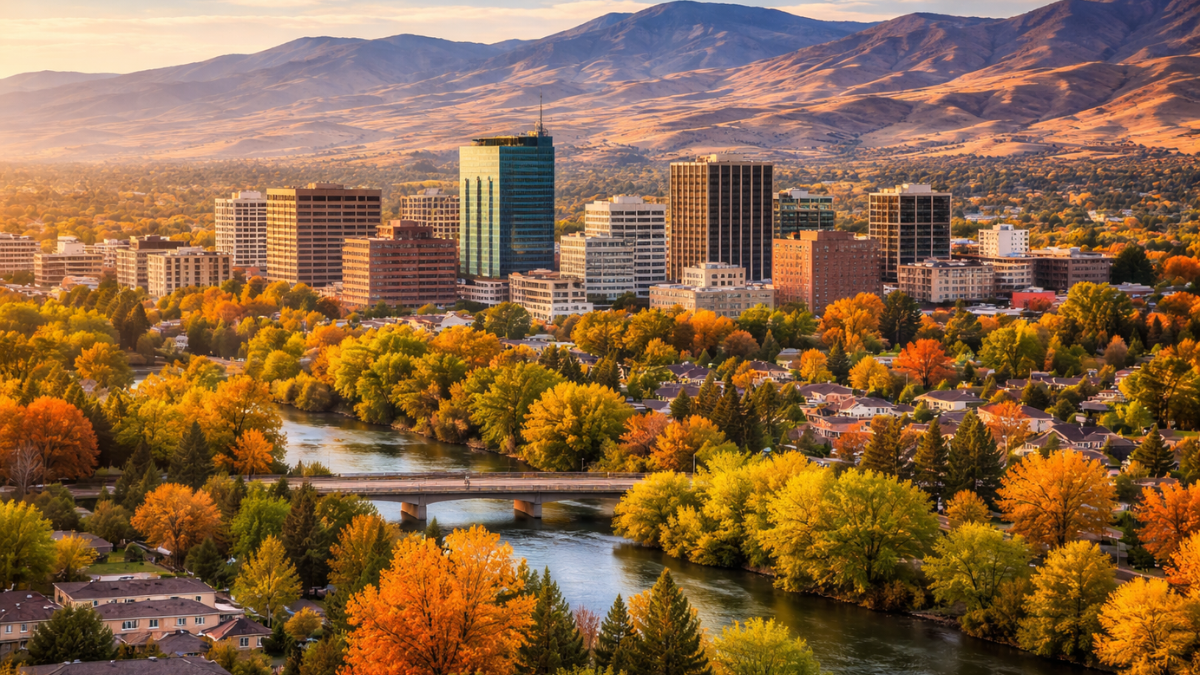
Population growth in Idaho is unevenly distributed, with significant concentration in urban and suburban areas. The Boise metropolitan region, in particular, has experienced rapid expansion.
This trend reflects the broader process of urbanization, characterized by:
- Expansion of metropolitan areas
- Decline or stagnation of rural populations
- Increased spatial inequality between regions
Migration contributes to the transformation of physical and social landscapes. Rural areas may experience depopulation or demographic aging, while urban areas face challenges related to housing, transportation, and social integration.
Demographic Composition and Diversity
Migration has also altered Idaho’s demographic profile. While historically less diverse than many other states, Idaho is becoming increasingly multicultural due to international migration.
A significant portion of the foreign-born population originates from Latin America, particularly Mexico, along with Asia and Europe. This diversification has several sociological implications:
- Expansion of cultural pluralism
- Emergence of new ethnic communities
- Increased demand for inclusive policies and services
At the same time, the state continues to experience aging trends, with a growing proportion of retirees moving into Idaho. This creates a complex demographic structure combining youth decline and elderly growth.
Social Stratification and Inequality
Migration and population growth are closely linked to social stratification. In Idaho, these processes have contributed to both opportunities and inequalities.
Economic Inequality
As affluent migrants move into the state, housing prices and living costs increase, potentially displacing lower-income residents. This phenomenon reflects gentrification and the restructuring of local economies.
Regional Inequality
Growth is concentrated in certain regions, particularly urban centers, while rural areas may lag behind. This creates spatial disparities in income, education, and access to services.
Class Dynamics
Migration introduces new social classes, including:
- Remote workers with high incomes
- Retirees with accumulated wealth
- Service workers supporting the growing economy
These groups interact in ways that reshape social hierarchies and community structures.
Cultural Change and Identity Formation
Migration brings cultural diversity, which influences identity formation and social cohesion. In Idaho, the influx of new residents has led to:
- Changing cultural norms and lifestyles
- Increased diversity in food, language, and traditions
- Tensions between long-term residents and newcomers
From a symbolic interactionist perspective, these changes affect how individuals perceive themselves and others. Identity becomes more fluid, negotiated through everyday interactions.
At the same time, there may be resistance to change, as some residents seek to preserve traditional values and community structures. This tension reflects broader debates about globalization and local identity.
Environmental and Sustainability Concerns
Rapid population growth has significant environmental implications. Increased migration leads to:
- Urban sprawl
- Greater demand for water and energy resources
- Pressure on natural ecosystems
Idaho’s appeal as a destination is closely tied to its natural environment. However, unchecked growth may threaten the very features that attract migrants.
From an ecological sociology perspective, this highlights the relationship between human populations and environmental sustainability. Balancing growth with conservation is a key challenge for policymakers.
Aging Population and Demographic Transition
Like much of the United States, Idaho is undergoing a demographic transition characterized by declining fertility and an aging population. Birth rates are falling, and the proportion of older adults is increasing.

Migration partially offsets this trend by bringing in younger families and working-age individuals. However, the influx of retirees also contributes to population aging.
This dual dynamic creates challenges for:
- Healthcare systems
- Pension and social security structures
- Labor force sustainability
Sociologically, it reflects the complex interplay between demographic processes and social institutions.
Theoretical Perspectives on Migration in Idaho
Several sociological theories help explain migration and population growth in Idaho:
Functionalism
From a functionalist perspective, migration contributes to social stability by redistributing population and labor. It helps balance economic needs and supports growth in emerging regions.
Conflict Theory
Conflict theorists emphasize inequalities associated with migration. They highlight issues such as displacement, rising costs of living, and competition for resources.
Symbolic Interactionism
This perspective focuses on everyday interactions and identity formation. Migration reshapes social meanings, cultural practices, and community relationships.
Policy Implications and Future Challenges
The rapid growth of Idaho presents several policy challenges:
- Housing affordability: Managing rising prices and ensuring access for all residents
- Infrastructure development: Expanding transportation, education, and healthcare systems
- Environmental protection: Preserving natural resources while accommodating growth
- Social integration: Promoting inclusion and reducing cultural tensions
Effective policy responses require a comprehensive understanding of migration dynamics and their sociological implications.
Conclusion
Migration and population growth in Idaho provide a rich case study for sociological analysis. The state’s rapid growth is driven primarily by migration, reflecting broader trends in mobility, economic restructuring, and lifestyle preferences.
While migration brings opportunities for economic development and cultural diversity, it also creates challenges related to inequality, environmental sustainability, and social cohesion. Understanding these dynamics requires a multidimensional approach that integrates demographic data with sociological theory.
As Idaho continues to grow, its experience offers valuable insights into the complexities of population change in the modern world. The interplay between migration, economy, culture, and environment underscores the importance of sociological perspectives in addressing contemporary challenges.
FAQs on Population Growth in Idaho
- What is Population Growth in Idaho?
Population Growth in Idaho refers to the increase in the number of people living in the state, mainly driven by migration and natural increase. - What are the main causes of Population Growth in Idaho?
The primary causes include domestic migration, job opportunities, lower cost of living, and Idaho’s natural environment. - How does migration influence Population Growth in Idaho?
Migration is the largest contributor, with most new residents moving from other U.S. states. - Why is Population Growth in Idaho faster than many other states?
It is due to strong pull factors like affordability, safety, and lifestyle appeal compared to densely populated states. - Which areas are most affected by Population Growth in Idaho?
Urban regions like Boise and surrounding metropolitan areas experience the highest growth. - How does Population Growth in Idaho impact housing?
It increases demand for housing, leading to rising prices and affordability challenges. - Is Population Growth in Idaho affecting rural areas?
Yes, rural areas often grow slower or even decline, increasing regional inequality. - What role does the economy play in Population Growth in Idaho?
Economic diversification and job creation attract migrants, boosting population growth. - How does Population Growth in Idaho affect social structure?
It introduces new social classes, increases diversity, and reshapes community dynamics. - What are the environmental effects of Population Growth in Idaho?
It leads to urban sprawl, resource pressure, and environmental sustainability concerns. - Does Population Growth in Idaho increase cultural diversity?
Yes, migration brings different cultures, languages, and traditions into the state. - What challenges arise from Population Growth in Idaho?
Challenges include housing shortages, infrastructure strain, and social integration issues. - How does Population Growth in Idaho relate to urbanization?
It accelerates urban expansion, especially in cities like Boise. - Is Population Growth in Idaho linked to aging population trends?
Yes, many retirees move to Idaho, contributing to an aging demographic. - What is the future outlook for Population Growth in Idaho?
It is expected to continue growing, driven mainly by migration and economic opportunities.