Introduction
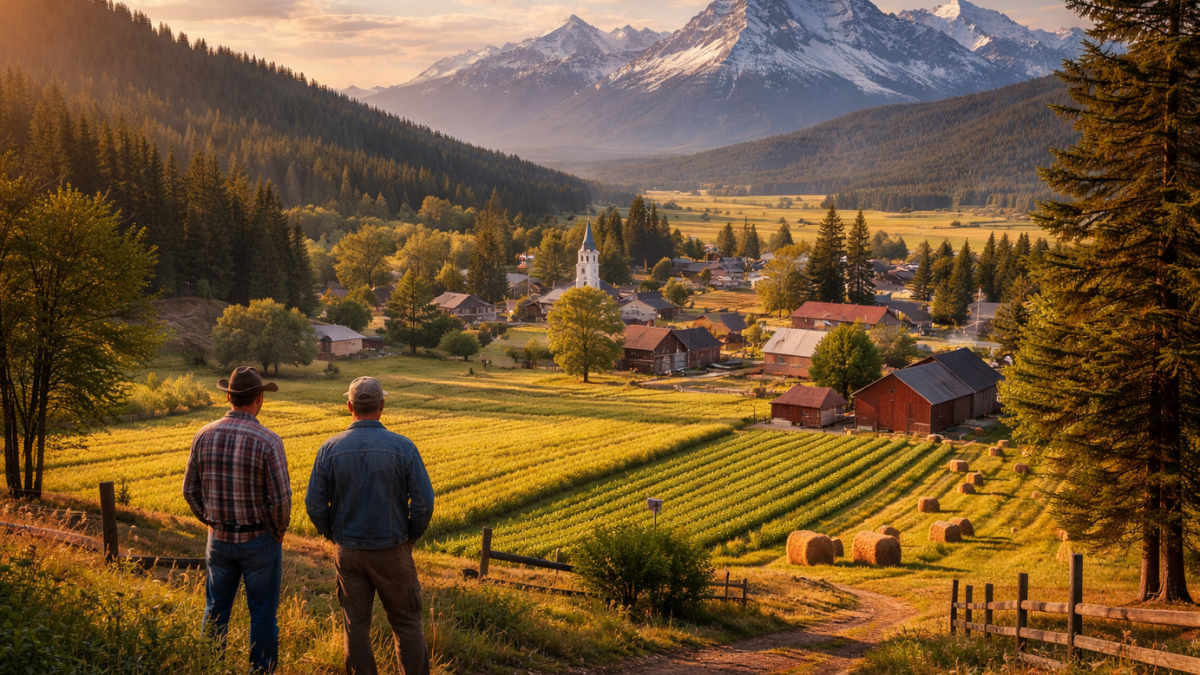
Rural communities have long been central to the socio-economic and cultural fabric of the United States. In the state of Idaho, rural life represents not only a geographic reality but also a distinct way of life characterized by close-knit social relations, agricultural dependence, and a strong sense of local identity. However, like many rural regions across the United States, Idaho’s rural communities are undergoing significant social transformations driven by economic restructuring, demographic shifts, technological advancements, and changing cultural norms.
From a sociological perspective, these changes reflect broader processes such as modernization, globalization, and urbanization, which reshape traditional social structures and institutions. This article explores the dynamics of rural communities in Idaho and examines how social change is impacting their economic systems, family structures, cultural practices, and community life.

Explore Social Change in Idaho through a sociological lens, focusing on rural communities, economic transformation, migration, culture, and emerging challenges shaping the state.
Understanding Rural Communities in Idaho
Rural communities in Idaho are typically defined by low population density, geographic isolation, and a strong reliance on agriculture, forestry, and natural resource-based industries. These communities are spread across vast landscapes including mountainous terrains, valleys, and plains.
Historically, Idaho’s rural society has been shaped by:
- Family farming and ranching
- Small-town governance
- Religious and community institutions
- Interdependent social relationships
The concept of “Gemeinschaft,” introduced by sociologist Ferdinand Tönnies, is highly applicable here. It refers to communities where relationships are personal, direct, and based on shared values. Idaho’s rural areas exemplify this model, where social cohesion is maintained through kinship, tradition, and collective identity.
Economic Transformations in Rural Idaho
One of the most significant drivers of social change in Idaho’s rural communities is economic restructuring. Traditionally dependent on agriculture and resource extraction, rural economies are now diversifying due to both internal and external pressures.
Decline of Traditional Agriculture
Family farms, once the backbone of rural Idaho, are facing challenges such as:
- Rising operational costs
- Market volatility
- Competition from large agribusiness corporations
This shift reflects the broader transition from subsistence and small-scale farming to industrialized agriculture. As a result, many small farmers are either selling their land or transitioning to alternative livelihoods.
Emergence of New Economic Opportunities
At the same time, rural Idaho is witnessing the growth of:
- Tourism and outdoor recreation industries
- Remote work opportunities enabled by digital connectivity
- Small-scale entrepreneurship and local businesses
The rise of remote work, particularly after global events like the COVID-19 pandemic, has allowed urban professionals to relocate to rural areas. This phenomenon is contributing to economic revitalization but also introduces new social tensions.
Demographic Changes and Migration Patterns
Demographic shifts are another key factor influencing social change in rural Idaho.
Population Growth and In-Migration
Certain rural areas in Idaho are experiencing population growth due to in-migration from urban centers. People are attracted by:
- Lower cost of living
- Natural beauty and quality of life
- Perceived safety and community values
However, this influx often leads to cultural clashes between long-time residents and newcomers, particularly regarding land use, lifestyle preferences, and political attitudes.
Aging Population
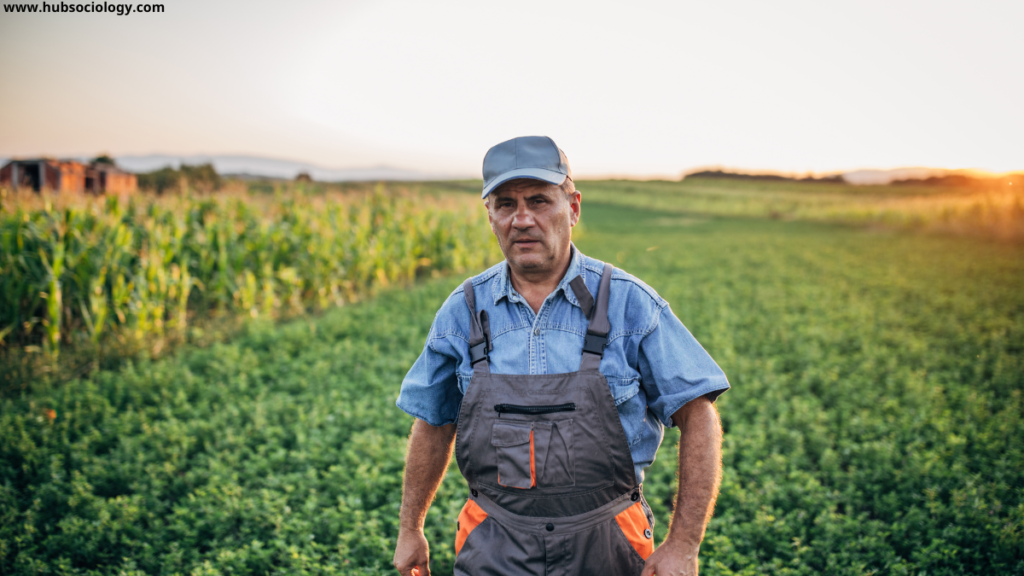
Many rural communities are also facing an aging population, as younger generations move to cities in search of education and employment opportunities. This creates challenges such as:
- Labor shortages
- Increased demand for healthcare services
- Declining school enrollments
The aging demographic alters the social structure and places strain on local institutions.
Technological Advancements and Social Connectivity
Technology plays a dual role in shaping rural communities in Idaho.
Bridging the Digital Divide
Improved internet connectivity has enabled rural residents to:
- Access education and online learning
- Participate in digital economies
- Maintain social connections beyond geographic boundaries
This has reduced the sense of isolation traditionally associated with rural life.
Challenges of Digital Inequality
Despite progress, a digital divide persists. Not all rural areas have equal access to high-speed internet, which creates disparities in:
- Economic opportunities
- Educational access
- Social mobility
From a sociological standpoint, this reflects issues of structural inequality and uneven development.
Changing Family Structures and Gender Roles
Social change in rural Idaho is also evident in evolving family patterns and gender roles.
Shift from Traditional Family Models
Historically, rural families in Idaho followed patriarchal structures with clearly defined roles:
- Men as breadwinners
- Women as homemakers
However, economic necessity and changing cultural norms have led to:
- Increased participation of women in the workforce
- Dual-income households
- Greater emphasis on gender equality
Impact on Socialization
These changes influence the process of socialization, particularly among younger generations, who are exposed to diverse values and lifestyles through education and media.
Cultural Transformation and Identity
Culture is a central aspect of rural life, and changes in cultural practices reflect deeper social transformations.
Preservation of Tradition
Many rural communities in Idaho strive to preserve their cultural heritage through:
- Local festivals and fairs
- Agricultural traditions
- Religious practices
These traditions serve as a source of identity and social cohesion.
Influence of External Cultures
At the same time, increased interaction with urban and global cultures is reshaping local identities. This includes:
- Adoption of new lifestyles
- Changing consumption patterns
- Exposure to diverse ideologies
This process can be understood through the lens of cultural diffusion and hybridization.
Social Institutions and Community Life
Social institutions such as education, religion, and local governance play a vital role in rural communities.
Education Systems
Rural schools often serve as community hubs. However, they face challenges such as:
- Limited resources
- Teacher shortages
- Declining student populations
Educational changes also influence social mobility and future aspirations of rural youth.
Religious Institutions
Churches remain central to community life in many parts of rural Idaho, providing:
- Social support
- Moral guidance
- Community engagement
However, secularization and generational shifts are gradually altering their influence.
Environmental Concerns and Sustainability
Environmental issues are increasingly shaping rural life in Idaho.
Dependence on Natural Resources
Rural communities rely heavily on land and natural resources for their livelihoods. This creates a strong connection between people and the environment.
Impact of Climate Change
Climate change poses challenges such as:
- Water scarcity
- Changes in agricultural productivity
- Increased risk of wildfires
These environmental pressures necessitate adaptive strategies and influence social organization.
Social Inequality and Marginalization
Despite the close-knit nature of rural communities, social inequalities persist.
Economic Inequality
Not all residents benefit equally from economic changes. Wealth disparities are growing between:
- Newcomers and long-time residents
- Large landowners and small farmers
Access to Services
Rural residents often face limited access to:
- Healthcare facilities
- Educational institutions
- Public transportation
These disparities highlight issues of social exclusion and marginalization.
Theoretical Perspectives on Social Change
Several sociological theories help explain the transformations occurring in rural Idaho:

Modernization Theory
This theory suggests that societies evolve from traditional to modern systems. In Idaho, this is reflected in:
- Technological adoption
- Economic diversification
- Changing social norms
Conflict Theory
From this perspective, social change arises from conflicts between different groups. For example:
- Tensions between newcomers and locals
- Economic disparities between classes
Symbolic Interactionism
This approach focuses on everyday interactions and meanings. It helps explain how individuals in rural communities negotiate identity and adapt to change.
Challenges and Future Prospects
Rural communities in Idaho face a complex set of challenges:
- Balancing economic development with cultural preservation
- Addressing demographic imbalances
- Reducing social inequalities
- Adapting to environmental changes
At the same time, there are opportunities for sustainable development through:
- Community-based initiatives
- Technological innovation
- Policy interventions
Conclusion
Rural communities in Idaho are at a crossroads, navigating the tensions between tradition and modernity. Sociological analysis reveals that social change in these communities is multifaceted, involving economic, demographic, cultural, and technological dimensions.
While challenges such as inequality, aging populations, and environmental pressures persist, rural Idaho also demonstrates resilience and adaptability. By understanding these dynamics, policymakers, researchers, and community members can work towards creating inclusive and sustainable rural futures.
Ultimately, the study of rural communities in Idaho offers valuable insights into broader processes of social change, highlighting the importance of context, culture, and community in shaping human societies.
FAQs
1. What is meant by Social Change in Idaho?
Social Change in Idaho refers to the transformation of social structures, cultural norms, economic systems, and population patterns in both rural and urban areas of the state over time.
2. What are the main causes of Social Change in Idaho?
The main causes of Social Change in Idaho include economic diversification, migration, technological advancement, urbanization, and environmental challenges.
3. How is migration influencing Social Change in Idaho?
Migration is bringing new populations, cultures, and ideas, which reshape local traditions, housing patterns, and community interactions in Idaho.
4. What role does technology play in Social Change in Idaho?
Technology, especially internet access and remote work, is transforming employment, education, and communication, accelerating Social Change in Idaho.
5. How does Social Change in Idaho affect rural communities?
Social Change in Idaho impacts rural communities by altering traditional livelihoods, family structures, and social cohesion, while also creating new opportunities.
6. Is Social Change in Idaho affecting agriculture?
Yes, Social Change in Idaho is shifting agriculture from small family farms to larger agribusiness models and introducing new farming technologies.
7. How does Social Change in Idaho influence cultural identity?
It leads to a blending of traditional values with modern lifestyles, creating hybrid cultural identities in Idaho communities.
8. What are the demographic trends related to Social Change in Idaho?
Key trends include population growth in some areas, aging rural populations, and increased in-migration from other states.
9. How does Social Change in Idaho impact education systems?
It affects school enrollment, resource allocation, and access to digital learning, especially in rural areas.
10. What challenges arise from Social Change in Idaho?
Challenges include inequality, cultural conflicts, limited access to services, and environmental sustainability issues.
11. How is Social Change in Idaho linked to economic development?
Economic shifts such as tourism, entrepreneurship, and remote work are key drivers of Social Change in Idaho.
12. Does Social Change in Idaho create social inequality?
Yes, Social Change in Idaho can widen gaps between different socio-economic groups, especially between newcomers and long-term residents.
13. What is the role of community institutions in Social Change in Idaho?
Institutions like schools, churches, and local governments help communities adapt and respond to Social Change in Idaho.
14. How does climate change contribute to Social Change in Idaho?
Environmental changes impact agriculture, livelihoods, and settlement patterns, influencing broader Social Change in Idaho.
15. What is the future of Social Change in Idaho?
The future of Social Change in Idaho will likely involve continued modernization, technological integration, and efforts toward sustainable and inclusive development.
1 thought on “Rural Communities and Social Change in Idaho: A Sociological Perspective”