Introduction
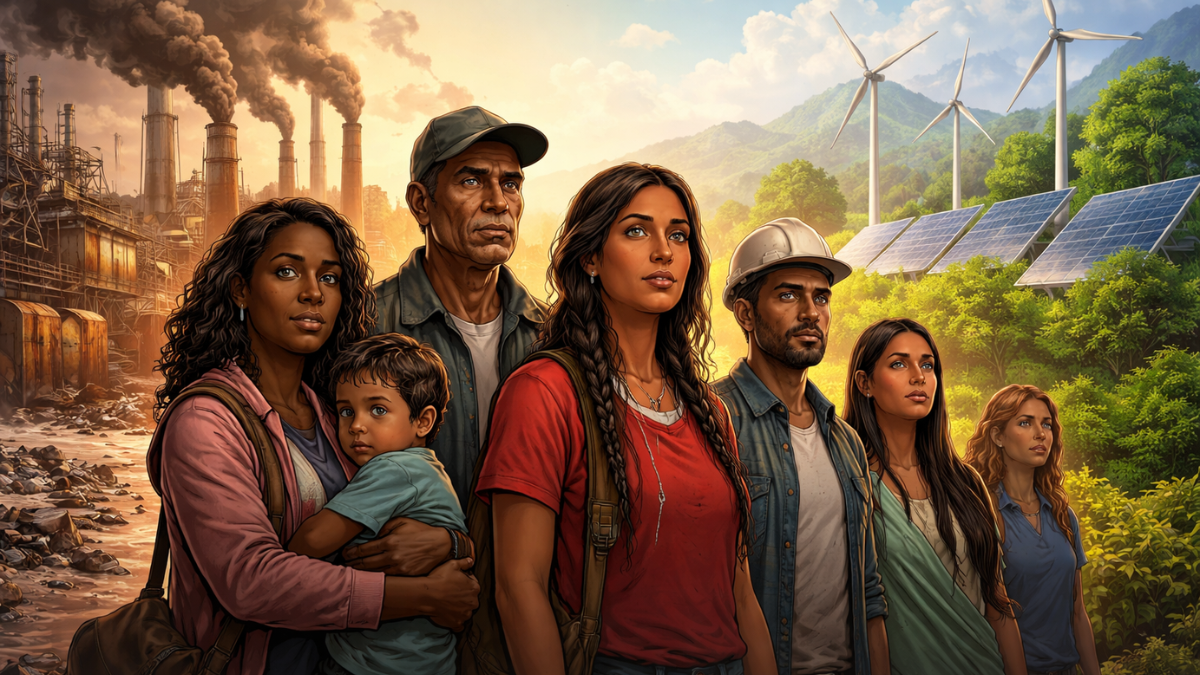
Environmental problems are often described as universal. Climate change, pollution, toxic waste, and extreme weather events affect entire regions and nations. Yet sociological research consistently shows that environmental harm is not distributed equally. In the United States, marginalized communities—particularly low-income groups, racial minorities, Indigenous populations, and migrant workers—bear a disproportionate burden of environmental degradation. This uneven distribution is known as environmental inequality, and the struggle to address it is framed within the broader concept of climate justice in America.
From a sociological perspective, environmental inequality is not accidental. It is rooted in historical patterns of segregation, industrial development, economic stratification, and political power imbalance. Climate justice, therefore, is not merely about reducing carbon emissions; it is about restructuring social relations so that vulnerable communities are protected, empowered, and included in decision-making processes.
This article explores environmental inequality and climate justice in America through sociological theories, historical case studies, and contemporary policy debates.
Conceptual Foundations
Environmental Inequality
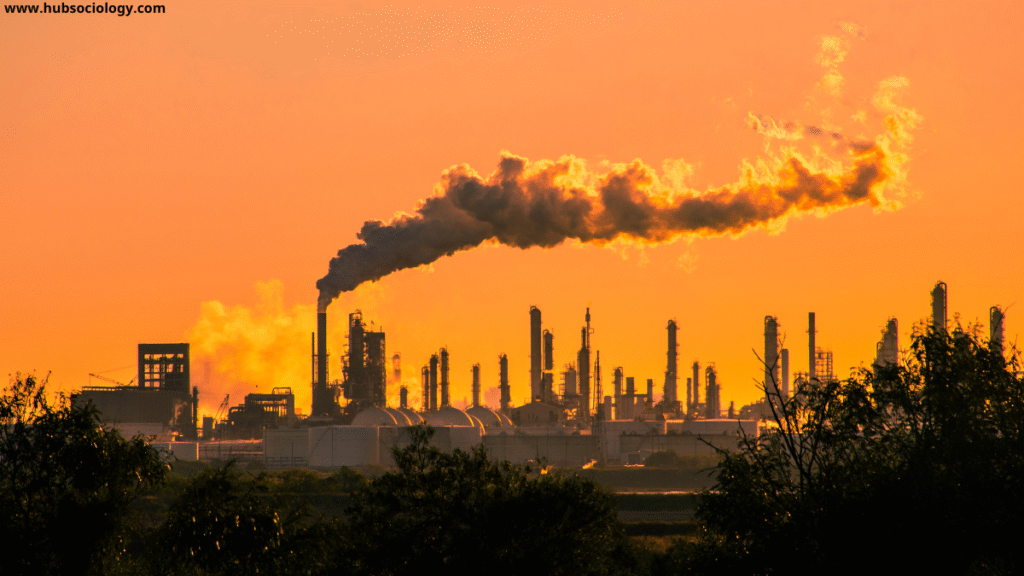
Environmental inequality refers to the unequal exposure of different social groups to environmental risks and hazards. These include air pollution, contaminated water, toxic waste sites, industrial emissions, and climate-related disasters. Studies have shown that communities of color and low-income neighborhoods are more likely to be located near highways, factories, landfills, and hazardous waste facilities.
Environmental inequality intersects with class, race, gender, and geography. It reflects structural inequalities embedded in housing markets, labor markets, and urban planning systems.
Climate Justice
Climate justice extends beyond environmental protection. It argues that those who contribute least to climate change often suffer its worst impacts. In America, this includes coastal communities vulnerable to hurricanes, inner-city residents facing heatwaves, and agricultural workers exposed to extreme temperatures.
Climate justice in America demands fair distribution of environmental benefits and burdens, inclusive policymaking, and reparative measures for historically marginalized communities.
Historical Roots of Environmental Inequality
Environmental inequality in America cannot be understood without examining its historical foundations.
Industrialization and Urban Segregation
During the late 19th and early 20th centuries, industrial expansion concentrated factories and railways in urban areas. Working-class neighborhoods, often inhabited by immigrants and racial minorities, were located near industrial zones due to lower land prices. Over time, these areas experienced chronic pollution.
The Great Migration further intensified racial segregation. African American communities were confined to redlined neighborhoods through discriminatory housing policies. These areas frequently lacked green spaces and were situated near industrial corridors.
Redlining and Structural Racism
Redlining, a discriminatory practice institutionalized in the 1930s, denied loans and insurance to residents of predominantly Black neighborhoods. These neighborhoods suffered disinvestment, deteriorating infrastructure, and environmental neglect. Modern studies reveal that formerly redlined areas today experience higher levels of air pollution and urban heat.
From a sociological lens, environmental inequality is deeply connected to structural racism—systems that systematically disadvantage certain racial groups.
Sociological Theories Explaining Environmental Inequality
Several sociological theories help explain why environmental inequality persists.
Conflict Theory
Rooted in Marxist thought, conflict theory argues that environmental inequality results from capitalist systems prioritizing profit over people. Corporations often locate polluting industries in politically weak communities with limited resources to resist. Environmental risks become externalized costs borne by marginalized groups.
Structural Functionalism
Structural functionalists might argue that environmental disparities reflect dysfunctions within social institutions. However, critics note that this perspective often overlooks power imbalances and systemic injustice.
Environmental Justice Framework
The environmental justice movement, emerging in the 1980s, combines activism with sociological research. It emphasizes community empowerment, participatory democracy, and intersectionality.
Intersectionality
Coined by Kimberlé Crenshaw, intersectionality explains how overlapping identities—race, class, gender—shape vulnerability to environmental harm. For example, low-income women of color may face compounded risks due to economic precarity and residential segregation.
Case Studies of Environmental Inequality
Flint Water Crisis

In 2014, Flint switched its water supply to the Flint River to cut costs. The untreated water corroded pipes, releasing lead into drinking water. Residents—primarily African American and low-income—were exposed to toxic contamination. Government response was slow, illustrating institutional neglect.
The crisis highlighted how austerity policies and racialized governance produce environmental injustice. It became a national symbol of environmental inequality in America.
Cancer Alley
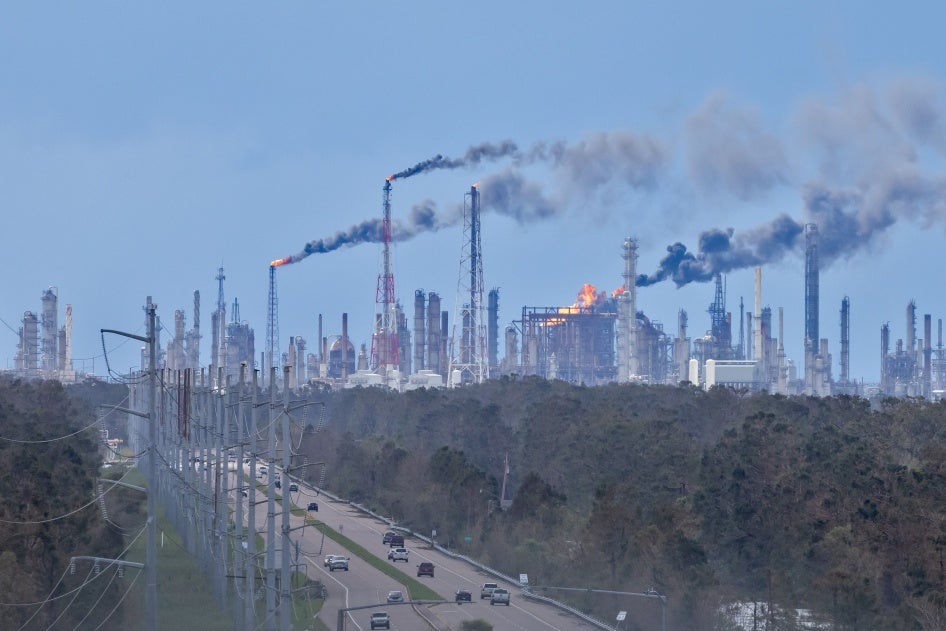
Stretching along the Mississippi River, Cancer Alley hosts numerous petrochemical plants. Predominantly Black communities face elevated cancer risks due to toxic emissions. Residents have organized protests demanding stricter regulations and corporate accountability.
This case demonstrates how historical plantation economies evolved into petrochemical corridors, perpetuating racialized spatial inequality.
Indigenous Land and Pipelines

The resistance led by the Standing Rock Sioux Tribe against the Dakota Access Pipeline highlighted Indigenous sovereignty and environmental rights. Protesters argued that pipeline construction threatened sacred lands and water sources.
Climate justice in America must account for Indigenous land rights and historical dispossession.
Climate Change and Social Vulnerability
Climate change intensifies existing inequalities.
Heatwaves
Urban heat islands disproportionately affect low-income neighborhoods lacking tree cover. Residents without air conditioning face higher mortality rates.
Hurricanes and Flooding
Hurricane disasters reveal class and racial disparities in evacuation capacity, insurance coverage, and post-disaster recovery. Wealthier communities rebuild quickly, while poorer neighborhoods experience prolonged displacement.
Wildfires
In Western states, migrant agricultural workers face hazardous smoke exposure without adequate labor protections.
From a sociological perspective, climate disasters expose the stratification embedded within social systems.
Economic Dimensions of Climate Justice
Transitioning to renewable energy presents opportunities but also risks.
Green Jobs and Labor
Climate justice advocates argue for a “just transition” ensuring fossil fuel workers receive retraining and economic support. Without such measures, decarbonization may reproduce inequality.
Energy Burden
Low-income households spend a higher proportion of income on energy bills. Energy-efficient housing and subsidies are essential components of climate justice in America.
Policy and Institutional Responses
Federal Initiatives
Recent federal policies aim to direct climate investments toward disadvantaged communities. Programs emphasize infrastructure upgrades, renewable energy expansion, and pollution reduction.
Local Activism
Grassroots movements have been central in pushing environmental reforms. Community-based organizations demand transparency, environmental monitoring, and participatory governance.
The Role of Social Movements
Environmental justice activism has reshaped national discourse. Scholars describe it as a fusion of civil rights and environmentalism.
Movements emphasize that environmental protection must be inclusive. They challenge mainstream environmental organizations for historically prioritizing wilderness preservation over urban pollution.
Media, Knowledge, and Power
Sociologists highlight how media framing influences public understanding. Environmental risks in marginalized communities often receive less coverage unless crises become national scandals.
Knowledge production also matters. Community science initiatives empower residents to collect pollution data and challenge official narratives.
Health and Environmental Inequality
Environmental inequality directly impacts public health. Air pollution contributes to asthma and cardiovascular diseases. Contaminated water affects neurological development in children.
Given your interest in public health and chronic conditions, it is important to note that environmental stressors can exacerbate metabolic disorders and liver-related illnesses. For older adults and individuals managing diabetes, polluted air and heat stress may worsen health outcomes. Thus, climate justice is also a matter of preventive healthcare and social equity.
Climate Migration and Displacement
Rising sea levels and extreme weather may create internal climate migration. Sociologists predict that marginalized communities will face higher displacement risks due to limited resources.
Climate justice requires proactive housing policies and relocation support systems.
Toward Transformative Climate Justice
Climate justice in America demands structural transformation.
First, it requires recognition of historical injustices embedded in urban planning and industrial development.
Second, it calls for participatory governance where affected communities shape environmental policy.
Third, it demands economic redistribution through investments in green infrastructure, healthcare, and education.
Fourth, it involves cultural transformation—shifting from consumer-driven models to sustainable lifestyles.
Conclusion
Environmental inequality in America is deeply intertwined with race, class, and power. Climate justice in America seeks not only environmental protection but also social transformation. From Flint to Cancer Alley to Indigenous pipeline protests, marginalized communities have illuminated the structural roots of environmental harm.
Sociology teaches us that environmental crises are social crises. They reflect institutional arrangements, economic systems, and political choices. Addressing them requires more than technological solutions; it requires democratic participation, equity-centered policy, and recognition of historical injustice.
Climate justice in America is ultimately about redefining who benefits from development and who bears its costs. It is about ensuring that environmental sustainability goes hand in hand with social equality.
FAQs
1. What is environmental inequality in America?
Environmental inequality in America refers to the unequal exposure of marginalized communities to pollution, toxic waste, climate disasters, and environmental hazards compared to wealthier or predominantly white communities.
2. How is climate justice in America different from environmental protection?
Climate justice in America focuses not only on reducing emissions but also on ensuring that vulnerable communities receive protection, compensation, and representation in environmental decision-making.
3. Why are low-income communities more affected by environmental inequality in America?
Low-income communities often live near industrial zones, highways, or waste sites due to affordable housing constraints and historical segregation, increasing their exposure to environmental risks.
4. How does race relate to environmental inequality in America?
Studies show that communities of color are disproportionately located near hazardous facilities due to historical redlining, discriminatory zoning, and systemic racism.
5. What is the connection between climate change and climate justice in America?
Climate change intensifies heatwaves, floods, and storms that disproportionately impact socially and economically vulnerable populations, making climate justice in America a matter of equity.
6. What is a “just transition” in climate justice in America?
A just transition ensures that workers in fossil fuel industries receive retraining, job opportunities, and economic support during the shift to renewable energy.
7. How does environmental inequality in America affect public health?
Environmental inequality increases exposure to air pollution, contaminated water, and toxic chemicals, leading to higher rates of asthma, heart disease, and other chronic illnesses.
8. What role do social movements play in climate justice in America?
Grassroots movements advocate for fair policies, community participation, and environmental accountability, shaping national conversations on climate justice in America.
9. How does urban planning contribute to environmental inequality in America?
Zoning policies and infrastructure decisions often place highways, landfills, and factories near marginalized communities, reinforcing environmental inequality.
10. Can renewable energy reduce environmental inequality in America?
Yes, if implemented equitably. Investments in clean energy for disadvantaged neighborhoods can reduce pollution and lower energy costs.
11. What is energy burden in the context of climate justice in America?
Energy burden refers to the percentage of household income spent on energy bills. Low-income families often pay a higher share, making energy equity central to climate justice in America.
12. How do natural disasters reveal environmental inequality in America?
Disasters often show disparities in evacuation access, insurance coverage, and rebuilding resources, disproportionately affecting marginalized groups.
13. Why is Indigenous sovereignty important for climate justice in America?
Protecting Indigenous land rights is essential because many resource extraction projects threaten tribal lands and water sources.
14. How can policy reforms address environmental inequality in America?
Policies can target pollution reduction in vulnerable areas, fund green infrastructure, enforce corporate accountability, and prioritize community participation.
15. Why is climate justice in America considered a sociological issue?
Climate justice in America involves power relations, social stratification, institutional inequality, and collective action—core concerns of sociology.