Introduction
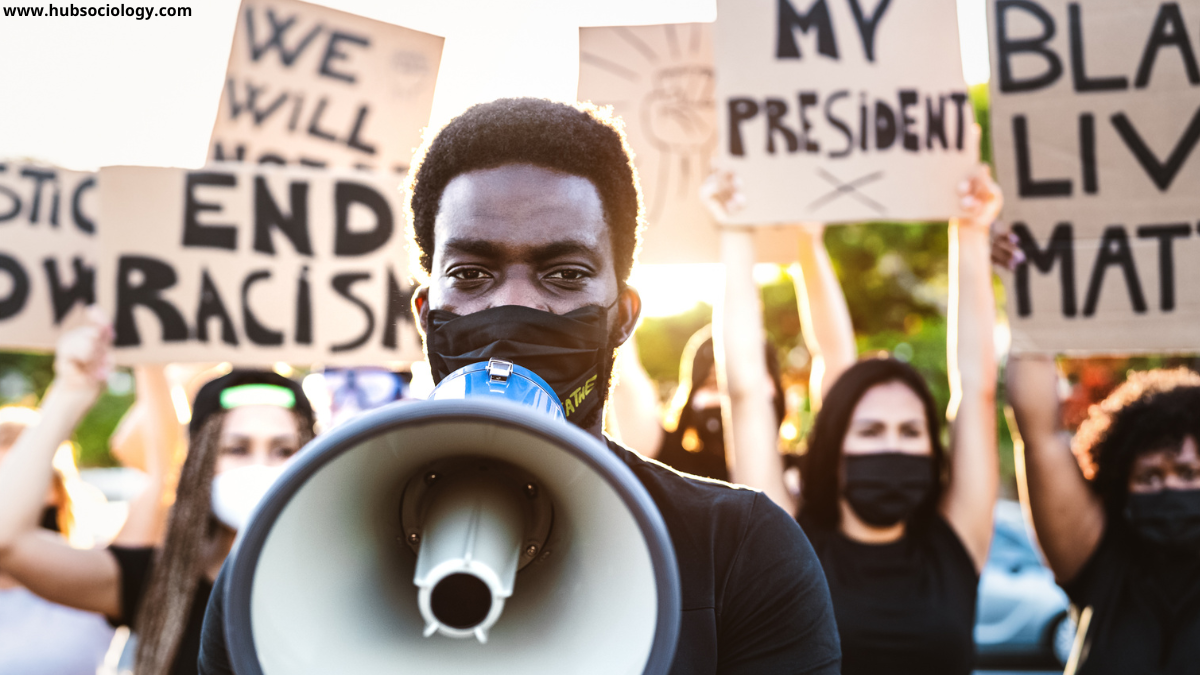
Social stratification and inequality are central concerns of sociology, as they shape life chances, access to resources, and patterns of power across societies. In the vast and diverse region of Oceania, these issues take on distinctive forms influenced by colonial histories, indigenous cultures, global capitalism, migration, and environmental vulnerability. Oceania is not a homogeneous region; it includes advanced industrial economies, small island developing states, and indigenous societies with deep-rooted traditions. As a result, social inequality in Oceania is multi-layered, complex, and deeply historical.
From income and wealth disparities to racial, ethnic, gender, and spatial inequalities, social stratification in Oceania reflects both global and local forces. This article examines social stratification and inequality in Oceania from a sociological perspective, focusing on class structure, colonial legacies, indigenous marginalization, gender inequality, globalization, and contemporary challenges. The discussion is particularly relevant for sociology students, researchers, and readers seeking to understand how inequality operates beyond Western-centric frameworks.
Understanding Social Stratification: A Sociological Framework
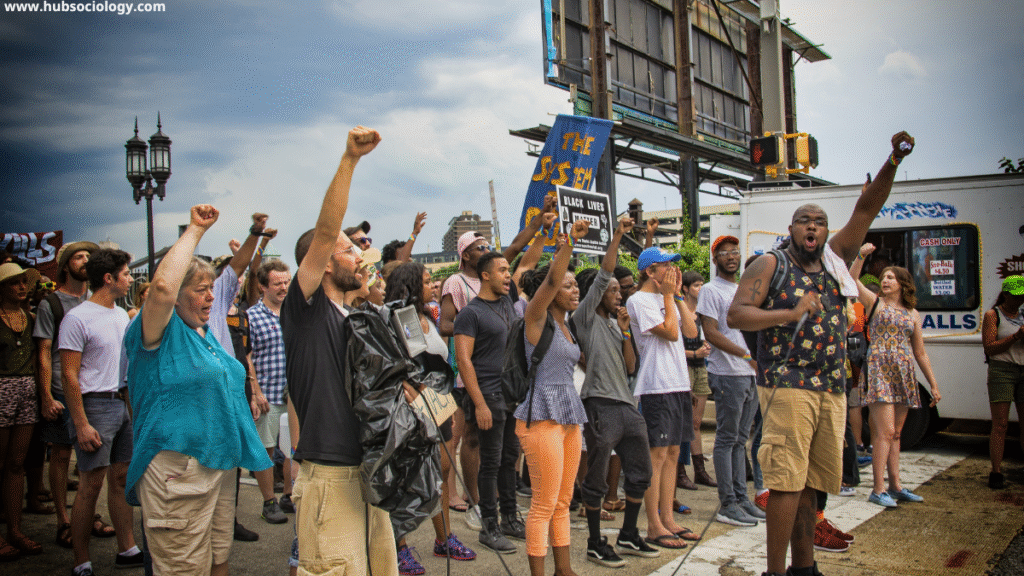
Social stratification refers to the structured inequalities between different groups in society. Sociologists generally analyze stratification through dimensions such as class, caste, race, ethnicity, gender, and power. Classic sociological thinkers like Karl Marx, Max Weber, and Emile Durkheim provided foundational insights into how inequality emerges and persists.
In the context of Oceania, stratification cannot be explained solely through economic class. Instead, it intersects with colonial domination, ethnic hierarchy, land ownership, and cultural recognition. Weber’s multidimensional approach—considering class, status, and party—is especially useful for understanding Oceania, where social status and ethnic identity often matter as much as income.
The Regional Diversity of Oceania
Oceania comprises several sub-regions: Australia, New Zealand, Melanesia, Micronesia, and Polynesia. These areas differ significantly in economic development, political systems, and social organization. Countries such as Australia and New Zealand are high-income nations with advanced welfare states, while many Pacific Island countries rely heavily on agriculture, fishing, remittances, and foreign aid.
Despite this diversity, a shared experience of colonialism and global inequality links the region. European colonization disrupted traditional social systems, introduced racial hierarchies, and integrated Oceania into the global capitalist economy on unequal terms. These historical processes continue to shape patterns of stratification today.
Colonial Legacy and Social Inequality
Colonialism is a foundational factor in understanding inequality in Oceania. European powers appropriated land, displaced indigenous populations, and imposed new political and economic structures. Traditional systems of communal land ownership were replaced or undermined by private property regimes, often benefiting settlers and multinational corporations.
In settler-colonial societies like Australia and New Zealand, indigenous peoples were systematically marginalized. Colonization produced a racialized social hierarchy in which European settlers occupied the top positions, while indigenous communities were relegated to the bottom. This hierarchy persists in contemporary forms, evident in disparities in health, education, employment, and incarceration rates.
In Pacific Island nations, colonialism created dependency-oriented economies focused on exporting raw materials and importing manufactured goods. This structure limited local development and reinforced inequalities between global core and peripheral regions, a dynamic emphasized by world-systems theory.
Indigenous Peoples and Structural Inequality
Indigenous communities across Oceania experience some of the most severe forms of social inequality. In Australia, Aboriginal and Torres Strait Islander peoples face lower life expectancy, higher unemployment, and disproportionate involvement with the criminal justice system. Similarly, the Māori population in New Zealand encounters significant disparities compared to the non-indigenous population.
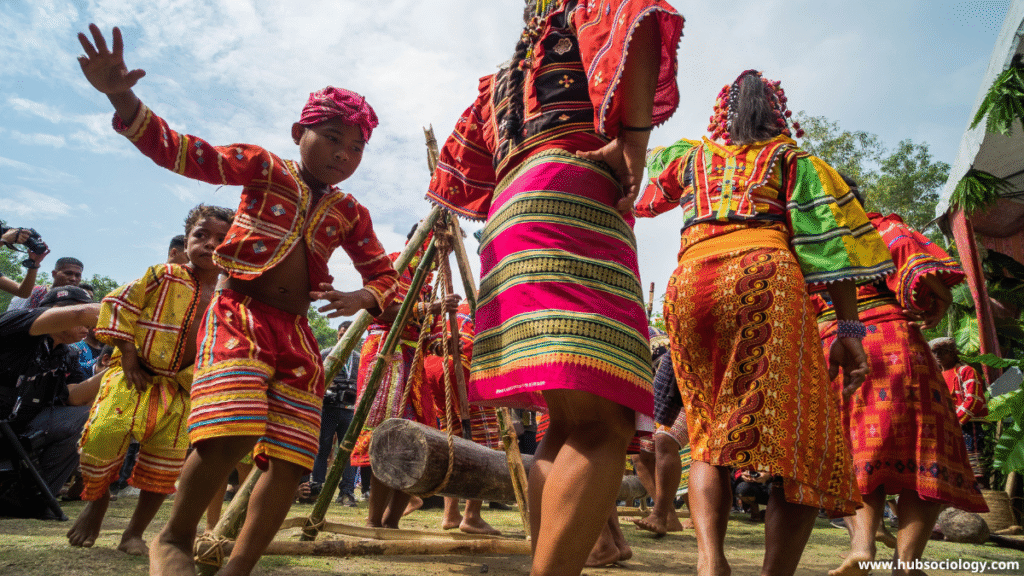
From a sociological perspective, these inequalities are not the result of individual failure but of structural violence and historical exclusion. The concept of institutional racism helps explain how education systems, labor markets, and state institutions systematically disadvantage indigenous groups, even in the absence of overt discrimination.
Land rights movements, cultural revitalization, and political activism have challenged these inequalities, yet progress remains uneven. Recognition without redistribution often fails to address the material basis of inequality.
Class Structure and Economic Inequality
Economic stratification in Oceania reflects both national and global patterns. In high-income countries, neoliberal economic policies since the late twentieth century have widened income and wealth gaps. The decline of manufacturing, the rise of precarious employment, and housing market inflation have disproportionately affected working-class and indigenous populations.
In many Pacific Island countries, class divisions are shaped by access to education, government employment, and international migration opportunities. A small urban elite often enjoys political power and economic security, while rural populations face limited access to healthcare, education, and infrastructure.
Sociologically, this reflects the interplay between capital accumulation, state policy, and global inequality. Dependency on foreign aid and remittances can alleviate poverty but may also reinforce structural dependence.
Gender Inequality in Oceania
Gender is a crucial axis of social stratification in Oceania. While women in Australia and New Zealand have achieved significant legal and political rights, gender pay gaps and underrepresentation in leadership positions persist. Indigenous and migrant women experience compounded disadvantages due to the intersection of gender, race, and class.
In many Pacific Island societies, traditional gender roles shape access to education and employment. Women often carry the burden of unpaid care work, limiting their economic opportunities. At the same time, globalization has drawn women into low-paid sectors such as garment manufacturing and tourism.
Feminist sociology emphasizes that gender inequality in Oceania cannot be separated from colonial history and economic dependency. Efforts to promote gender equality must therefore address both cultural norms and structural constraints.
Education and Social Mobility
Education is commonly viewed as a pathway to social mobility, yet its role in reducing inequality in Oceania is ambiguous. While access to education has expanded, educational outcomes remain uneven. Schools serving indigenous and rural communities often lack resources, qualified teachers, and infrastructure.
From a sociological standpoint, Pierre Bourdieu’s concept of cultural capital helps explain these disparities. Middle- and upper-class families are better positioned to transmit linguistic skills, values, and networks that align with formal education systems, giving their children an advantage.
In Pacific Island countries, overseas education opportunities can enhance mobility but may also contribute to brain drain, weakening local capacity and reinforcing inequality.
Migration, Globalization and Inequality
Migration plays a significant role in shaping stratification in Oceania. Labor migration from Pacific Island nations to Australia and New Zealand provides vital income through remittances. However, migrant workers often occupy low-status, insecure jobs with limited labor protections.

Globalization has intensified economic integration but also exposed Oceania to external shocks. Tourism-dependent economies are particularly vulnerable, as demonstrated during global crises. Sociologically, globalization creates new inequalities by privileging those with mobility, skills, and global connections.
Environmental Inequality and Climate Vulnerability
Environmental factors are increasingly central to social inequality in Oceania. Climate change disproportionately affects Pacific Island nations through rising sea levels, extreme weather, and resource scarcity. These environmental risks intersect with existing social inequalities, creating what sociologists term environmental injustice.
Communities with fewer resources are less able to adapt or relocate, while wealthier nations and groups contribute more to environmental degradation. Climate-induced displacement raises new questions about citizenship, rights, and social stratification in the region.
The Role of the State and Social Policy
States play a critical role in shaping inequality through welfare policies, taxation, education, and healthcare. Australia and New Zealand have relatively developed welfare systems, yet policy shifts toward market-oriented reforms have weakened social safety nets.
In Pacific Island states, limited fiscal capacity constrains social policy, increasing reliance on international organizations and donor countries. From a sociological perspective, this highlights the tension between national sovereignty and global governance in addressing inequality.
Resistance, Social Movements and Change
Despite persistent inequalities, Oceania has a strong tradition of social resistance. Indigenous rights movements, labor unions, feminist groups, and environmental activists have challenged dominant power structures. These movements illustrate that stratification is not static but contested.
Sociology emphasizes that social change emerges through collective action, cultural transformation, and institutional reform. Decolonization efforts, recognition of indigenous sovereignty, and climate justice campaigns represent ongoing struggles for a more equitable Oceania.
Conclusion on Social Stratification and Inequality in Oceania
Social stratification and inequality in Oceania are deeply rooted in colonial history, global economic structures, and intersecting social divisions. While the region encompasses both affluent and vulnerable societies, inequality remains a defining feature across its diverse contexts.
A sociological perspective reveals that inequality in Oceania is not merely economic but also racial, gendered, cultural, and environmental. Addressing these challenges requires more than economic growth; it demands structural reforms, inclusive policies, and recognition of historical injustices.
For students and readers of sociology, Oceania offers a powerful case study of how global and local forces interact to shape social stratification. Understanding these dynamics is essential for building more just and sustainable societies in the region and beyond.
FAQs on Social Stratification and Inequality in Oceania
- What is social stratification in Oceania?
Social stratification in Oceania refers to the structured inequalities among individuals and groups based on class, race, ethnicity, gender, and power across countries like Australia, New Zealand, and Pacific Island nations. - Why is inequality a major sociological issue in Oceania?
Inequality is significant due to colonial history, indigenous marginalization, economic dependency, globalization, and uneven development between rich and poor nations within the region. - How did colonialism shape social inequality in Oceania?
Colonialism displaced indigenous populations, imposed racial hierarchies, disrupted traditional economies, and concentrated land and power in the hands of settlers and elites. - Who are the most disadvantaged groups in Oceania?
Indigenous peoples, women, migrant workers, and rural populations are among the most disadvantaged groups in terms of income, health, education, and political representation. - How does social class operate in Oceania?
Social class is shaped by income, occupation, education, and access to land and resources, with growing gaps between elites and working-class or informal-sector populations. - What role does race and ethnicity play in inequality in Oceania?
Race and ethnicity are central to inequality, especially for indigenous communities who experience institutional racism, cultural exclusion, and economic deprivation. - How does gender inequality manifest in Oceania?
Gender inequality appears through wage gaps, underrepresentation of women in leadership, unpaid care work, and limited economic opportunities, especially for indigenous and rural women. - Is education reducing social inequality in Oceania?
Education has expanded, but unequal access, quality differences, and cultural barriers mean it does not fully eliminate social inequality. - What is the impact of globalization on inequality in Oceania?
Globalization has increased economic opportunities for some but also created job insecurity, dependency on global markets, and new forms of inequality. - How does migration affect social stratification in Oceania?
Migration provides income through remittances but often places migrants in low-paid, insecure jobs, reinforcing social and economic hierarchies. - What is environmental inequality in Oceania?
Environmental inequality refers to how climate change and environmental risks disproportionately affect poorer and island communities with fewer resources to adapt. - How does climate change worsen inequality in Pacific Island nations?
Rising sea levels, natural disasters, and resource scarcity threaten livelihoods, housing, and national survival, deepening existing social inequalities. - What role does the state play in reducing inequality in Oceania?
Governments influence inequality through welfare policies, education, healthcare, and labor laws, though limited resources and neoliberal reforms weaken their impact. - Are social inequalities in Oceania changing over time?
While there are improvements in rights and awareness, economic and social inequalities remain persistent and, in some cases, are increasing. - Why is Oceania important for sociological study of inequality?
Oceania offers a unique case where colonialism, indigenous identity, globalization, and environmental vulnerability intersect, making it crucial for understanding global inequality.