Aging Society in Japan: A Sociological Study
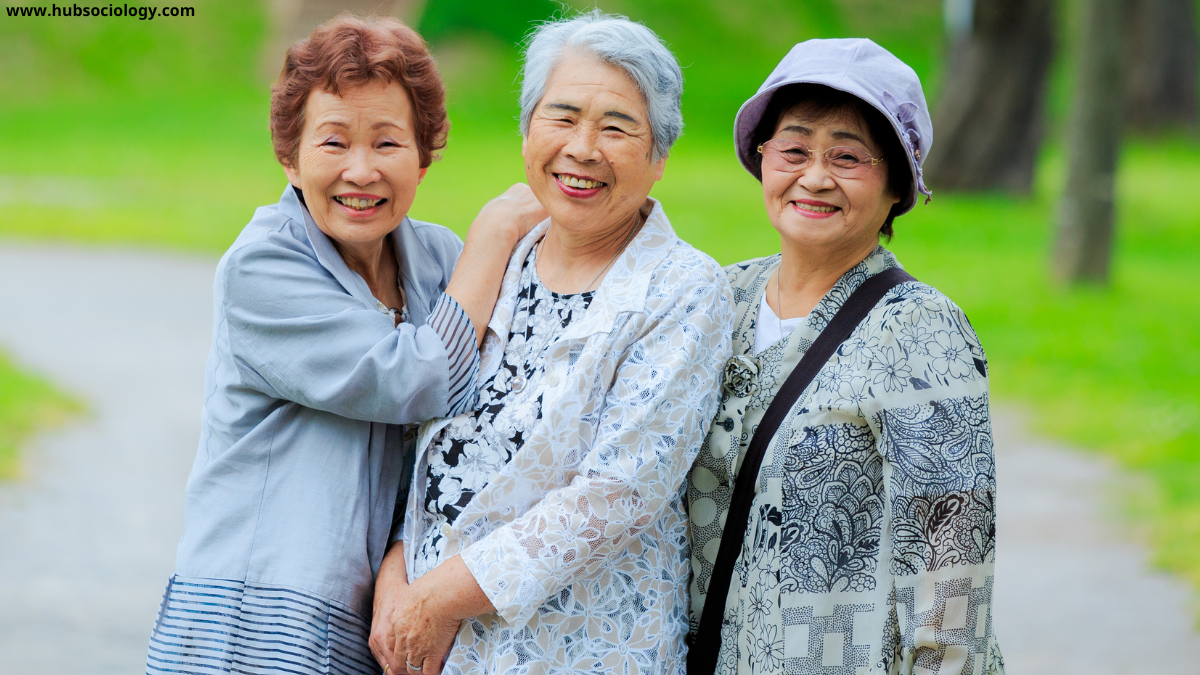
Aging Society in Japan: A Sociological Study

Introduction Japan stands as one of the most advanced societies in the world—technologically, economically, and demographically unique. Among its defining social challenges is the phenomenon of rapid population aging. With nearly 30% of its citizens aged 65 and above, Japan has become the world’s oldest nation by proportion of elderly. This demographic transformation—known as kōreika … Read more

Family Values in Japan, South Korea and China: A Sociological Perspective

Family Values in Japan, South Korea and China: A Sociological Perspective

Introduction on Family Values Family is one of the most enduring social institutions that shapes cultural identity, moral systems, and social behaviour. In East Asia, particularly in Japan, South Korea, and China, family values form the backbone of societal organization and individual conduct. Despite the pressures of globalization, modernization, and demographic changes, the traditional East … Read more

Sociology of Religion: Faith in a Secular World

Forms of Social Control

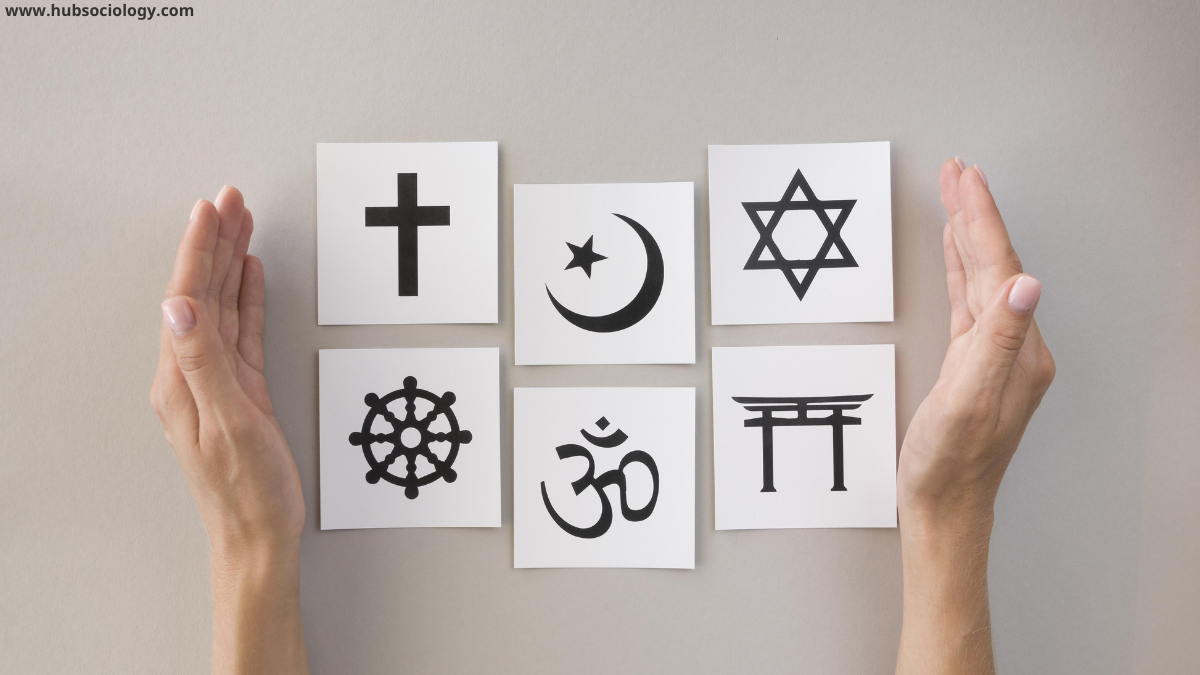
Introduction on Sociology of Religion Religion has always been one of the most significant institutions in human civilization, shaping moral codes, cultural values, and collective identities. Yet, in the contemporary era marked by rationalization, globalization, and secularization, religion faces new challenges and transformations. The sociology of religion studies this dynamic relationship between faith and society … Read more

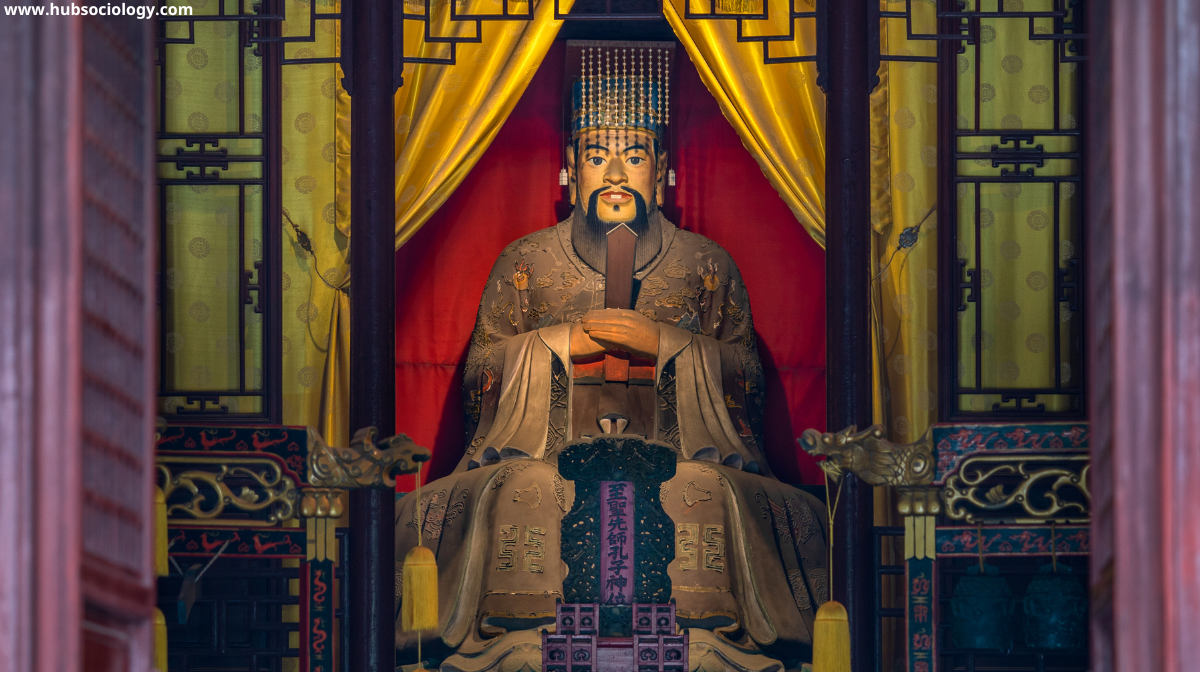
Confucianism and Society in East Asia: A Sociological Perspective

FAQs on The Role of Women in Confucian Cultures 1. What are Confucian cultures? Confucian cultures refer to societies historically influenced by Confucian philosophy, mainly in East Asia, where social life is organized around family hierarchy, moral duty, harmony, and respect for authority. 2. How did Confucian cultures define women’s roles traditionally? In Confucian cultures, women were primarily assigned domestic roles such as managing households, raising children, and supporting family harmony under patriarchal family structures. 3. Why is family central to women’s status in Confucian cultures? In Confucian cultures, the family is the foundation of society, and women play a crucial role in maintaining moral values, lineage continuity, and social order through family life. 4. What is the sociological significance of women in Confucian cultures? From a sociological perspective, women in Confucian cultures are key agents of socialization and social reproduction, transmitting values, norms, and discipline to future generations. 5. Did Confucian cultures allow women any form of power? Yes, within Confucian cultures, women—especially mothers and elderly women—often exercised informal authority inside households despite limited formal power in public institutions. 6. How did Confucian cultures affect women’s education? Traditionally, Confucian cultures limited women’s education to moral and domestic training, although elite women sometimes received literary education within private spheres. 7. Are Confucian cultures inherently anti-women? Sociologists argue that Confucian cultures are not inherently anti-women but historically interpreted through patriarchal systems that favored male authority. 8. How did marriage shape women’s lives in Confucian cultures? In Confucian cultures, marriage was a social institution focused on family alliance and lineage, where women were expected to prioritize family duty over individual choice. 9. What role did motherhood play in Confucian cultures? Motherhood was highly valued in Confucian cultures, as women were responsible for moral upbringing and early education of children, especially sons. 10. How have modern changes affected women in Confucian cultures? Modernization, education, and legal reforms have expanded opportunities for women in Confucian cultures, though traditional gender expectations still influence social life. 11. What challenges do women face today in Confucian cultures? Women in Confucian cultures often experience a double burden—balancing professional careers with traditional expectations of caregiving and family responsibility. 12. How do feminist scholars view Confucian cultures? Feminist critiques highlight gender inequality in Confucian cultures, while some scholars advocate reinterpretation of Confucian values to support gender equality. 13. How do Confucian cultures differ from Western gender systems? Unlike Western individualism, Confucian cultures emphasize relational identity, where women’s roles are defined within family and community networks. 14. Can Confucian values support gender equality? Many scholars believe Confucian cultures can support gender equality by reinterpreting values such as reciprocity, care, and mutual responsibility. 15. Why is studying women in Confucian cultures important for sociology? The Role of Women in Confucian Cultures: A Sociological Perspective

Introduction Confucianism, one of the most influential philosophical and ethical systems in the world, has profoundly shaped the social structures, cultural norms, and moral frameworks of East Asian societies for over two millennia. Originating from the teachings of Confucius (Kong Fuzi, 551–479 BCE) in ancient China, Confucianism transcended its philosophical roots to become a sociocultural … Read more

Rural-Urban Differences: A Sociological Perspective

Rural-Urban Differences: A Sociological Perspective

Introduction on Rural-Urban Differences The distinction between rural and urban societies has been a central theme in sociology since its inception. Sociologists like Ferdinand Tönnies, Emile Durkheim, and Robert Redfield have explored how patterns of life, social structures, and values differ between rural and urban settings. While both are integral parts of the same national … Read more