Introduction
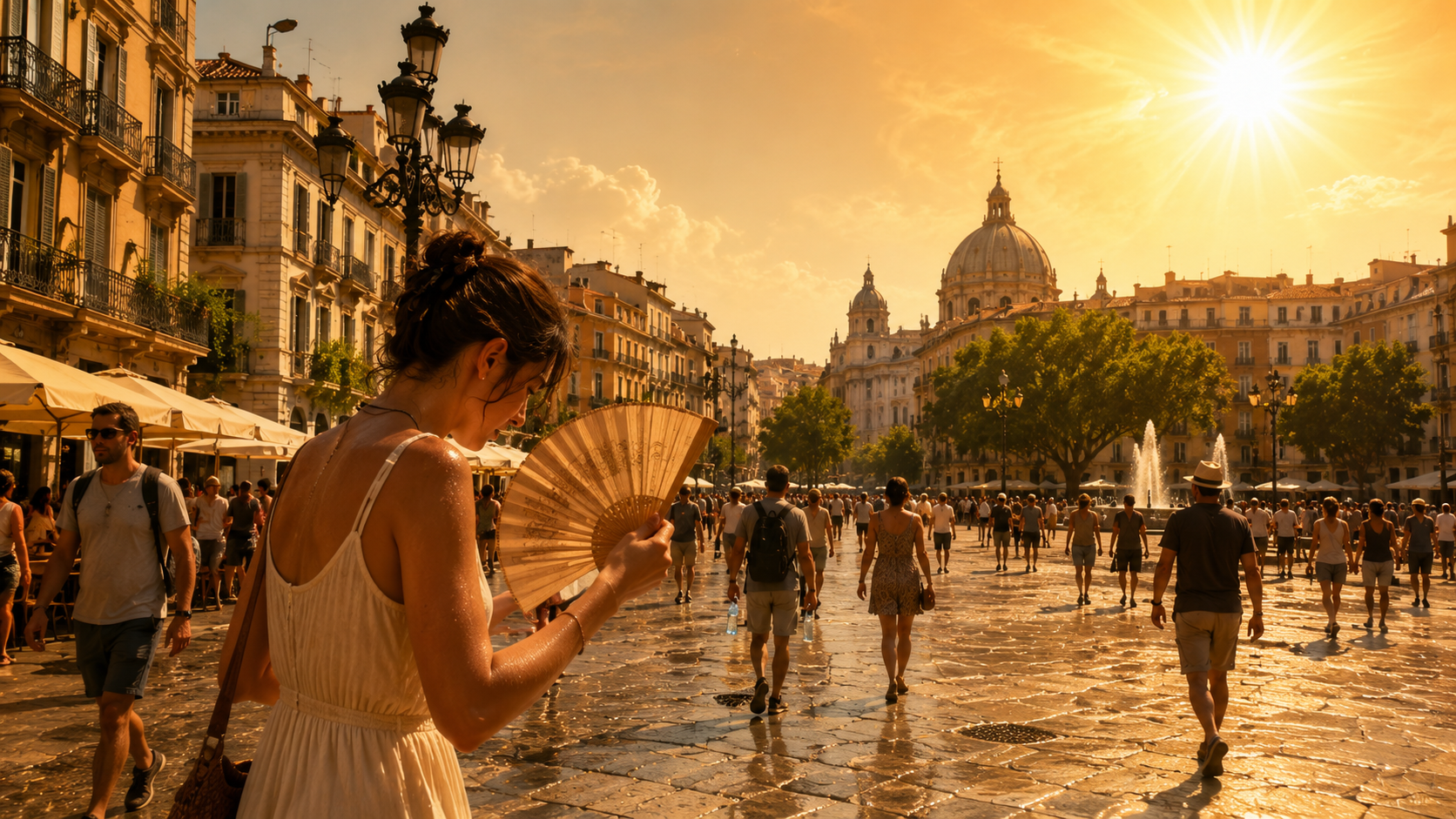
The summer of 2026 marked a historic moment in Europe’s climate history. During June, several European countries recorded exceptionally high temperatures, with heatwaves stretching from the Iberian Peninsula to Central Europe and parts of the Mediterranean. Governments issued health alerts, emergency services responded to thousands of heat-related incidents, and scientists once again linked the extraordinary temperatures to the broader pattern of global climate change. Yet, while climatologists focused on atmospheric conditions and meteorological records, sociologists viewed the event through a different lens. For sociology, the Europe’s Record June 2026 Heatwave was not merely a weather phenomenon; it was a social event that exposed the unequal ways in which climate risks are distributed across society.
Heatwaves rarely affect every individual in the same manner. Two people living in the same city may experience vastly different levels of risk depending on where they live, what kind of work they perform, how much they earn, and whether they have access to adequate healthcare or cooling facilities. This unequal exposure to extreme temperatures has increasingly been described as the thermal divide, a concept that highlights the growing relationship between climate change and social inequality. The June 2026 heatwave therefore serves as a powerful case study for understanding how environmental crises amplify existing social divisions.

Environmental sociology argues that natural hazards become social disasters when existing inequalities determine who is protected and who remains vulnerable. Rising temperatures do not create inequality by themselves; rather, they intensify structural inequalities that already exist within housing, employment, healthcare, education, and urban planning. The heatwave demonstrated that climate change is no longer an issue confined to environmental policy but has become deeply embedded in questions of social justice, public welfare, and economic development. Examining the event from a sociological perspective provides valuable insights into how modern societies respond to increasingly frequent climate emergencies.
Understanding the Thermal Divide
The concept of the thermal divide has gained increasing attention as climate change produces more frequent and intense heatwaves across the globe. Unlike conventional discussions that focus solely on temperature records, the thermal divide examines how social structures determine people’s ability to survive and adapt to extreme heat. In other words, it recognizes that exposure to climate hazards is socially patterned rather than randomly distributed.
Individuals with higher incomes generally possess greater adaptive capacity. They are more likely to live in well-insulated homes equipped with air conditioning, have access to private transportation, enjoy flexible working arrangements, and receive better healthcare. By contrast, economically disadvantaged households often reside in poorly ventilated apartments, rely on overcrowded public transport, perform physically demanding occupations, and struggle to afford rising electricity costs during periods of extreme heat.
This unequal capacity to cope with environmental hazards reflects what sociologists describe as social stratification. Climate change does not erase class divisions; instead, it magnifies them. The June 2026 heatwave demonstrated that thermal comfort has increasingly become a marker of socioeconomic status. Protection from heat is no longer determined solely by geography but also by income, occupation, housing quality, and access to public resources.
The thermal divide also illustrates the unequal distribution of environmental risks. Communities that contribute least to greenhouse gas emissions often suffer disproportionately from climate-related disasters. Although Europe is one of the wealthiest regions in the world, significant disparities remain between affluent urban neighbourhoods and economically marginalized communities. The heatwave highlighted these inequalities in striking ways.
Climate Change as a Social Problem
Climate change has traditionally been studied within the natural sciences, where researchers examine atmospheric processes, greenhouse gas emissions, and ecological transformations. Sociology, however, expands this perspective by investigating how environmental change interacts with institutions, cultures, and systems of inequality.
The German sociologist Ulrich Beck, through his theory of the Risk Society, argued that modern industrial societies increasingly produce risks that transcend national borders and social institutions. Climate change exemplifies this global risk because its consequences affect virtually every aspect of social life. Nevertheless, Beck also acknowledged that while risks may be global, vulnerability remains highly unequal. Wealthier individuals possess greater resources to avoid or mitigate environmental threats, whereas disadvantaged groups face disproportionate exposure.
The Europe’s Record June 2026 Heatwave reflects this sociological understanding. The event disrupted transportation systems, strained healthcare services, increased electricity demand, reduced labour productivity, and intensified concerns about food security and water availability. These impacts extended far beyond environmental damage, influencing economic stability, political decision-making, and everyday social interactions.
Climate change therefore represents not only an ecological crisis but also a transformation of social organization. Governments must now integrate climate adaptation into housing policy, urban planning, healthcare provision, labour regulations, and welfare systems. Sociology helps explain why effective climate adaptation requires addressing structural inequality alongside environmental protection.
Urban Heat Islands and Social Inequality
One of the most visible consequences of the June 2026 heatwave was the extreme temperatures recorded in Europe’s major cities. Urban areas consistently experienced higher temperatures than surrounding rural regions due to what environmental researchers describe as the Urban Heat Island Effect. Buildings constructed from concrete, asphalt roads, glass surfaces, and limited vegetation absorb solar radiation throughout the day before releasing it slowly during the night. As a result, cities remain significantly warmer long after sunset, preventing residents from recovering from daytime heat exposure.
From a sociological perspective, however, the Urban Heat Island Effect is not experienced equally across the city. Urban inequality determines who lives in the hottest neighbourhoods and who enjoys access to cooler environments. Wealthier districts generally contain larger parks, tree-lined streets, modern buildings with efficient insulation, and better public infrastructure. These features reduce ambient temperatures and improve residents’ ability to cope with prolonged heat.
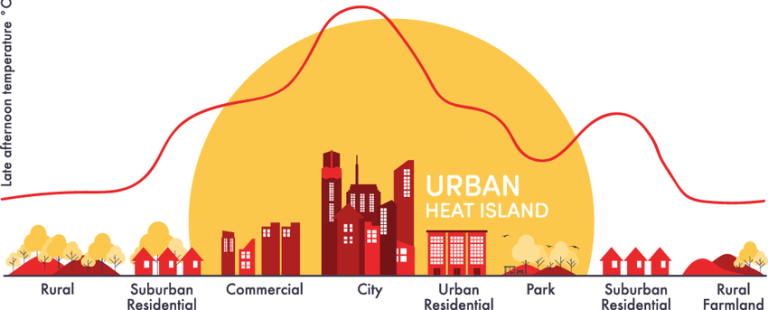
In contrast, economically disadvantaged neighbourhoods often have fewer green spaces, higher housing density, limited public investment, and older residential buildings that trap heat indoors. Residents in these areas frequently face multiple environmental burdens simultaneously, including air pollution, inadequate public services, and insufficient recreational spaces. During the June 2026 heatwave, these neighbourhoods experienced significantly greater thermal stress, illustrating how environmental inequality reinforces broader patterns of urban stratification.
Urban sociology therefore demonstrates that climate resilience is closely linked to patterns of residential segregation. The distribution of parks, trees, public cooling centres, and sustainable infrastructure reflects political and economic priorities rather than natural conditions alone. As European cities continue to warm, urban planning will play an increasingly important role in determining which communities remain resilient and which become increasingly vulnerable.
Housing Inequality and the Experience of Extreme Heat
Housing occupies a central position in understanding the thermal divide because homes serve as the primary refuge during periods of extreme weather. Yet the quality of housing varies dramatically across Europe, creating unequal levels of protection against rising temperatures. Many residential buildings were originally designed to retain heat during harsh winters rather than release it during increasingly hot summers. Consequently, indoor temperatures in older apartments often remain dangerously high throughout prolonged heatwaves.
Housing inequality intersects closely with economic inequality. Homeowners with greater financial resources can invest in insulation, energy-efficient windows, cooling technologies, and renewable energy systems that reduce indoor heat. Renters, by contrast, frequently depend upon landlords to improve building conditions and may lack both the financial means and legal authority to make significant modifications. Rising electricity prices further discourage low-income households from using fans or air-conditioning even when such measures become essential for health and safety.
From a sociological perspective, housing is more than a physical structure; it is a social institution that reflects broader inequalities in wealth, opportunity, and public policy. The June 2026 heatwave revealed that inadequate housing can transform climate change into a daily experience of discomfort, anxiety, and health risk. It also demonstrated that climate adaptation cannot succeed without addressing housing inequality as a fundamental component of environmental justice.
Labour, Occupation, and the Unequal Burden of Heat
The Europe’s Record June 2026 Heatwave also exposed how climate change reshapes the world of work. While extreme temperatures disrupted economic activities across the continent, not every occupation faced the same level of risk. The ability to avoid heat often depended on one’s position within the labour market, revealing a clear relationship between occupation and climate vulnerability.
Workers employed in air-conditioned offices or those able to work remotely experienced the heatwave very differently from construction workers, agricultural labourers, delivery personnel, sanitation workers, and emergency responders. For millions of people, work could not simply be postponed because temperatures exceeded 40°C. Economic necessity compelled many workers to remain outdoors despite serious health risks.
Labour sociology has long argued that occupational hazards are unevenly distributed across social classes. Climate change has added a new dimension to this inequality. Heat stress reduces physical endurance, impairs concentration, increases fatigue, and raises the likelihood of workplace accidents. In sectors such as agriculture and construction, productivity often declines during extreme heat, affecting both workers’ incomes and employers’ profitability. Temporary workers and those employed in informal sectors are particularly vulnerable because they frequently lack adequate legal protections, paid leave, or flexible work arrangements.
The June 2026 heatwave also intensified debates over workers’ rights. Labour unions in several European countries called for revised workplace safety standards, mandatory rest breaks, access to drinking water, and adjustments to working hours during periods of extreme heat. These demands illustrate that climate adaptation is no longer solely an environmental issue but also a matter of labour justice. Protecting workers from extreme temperatures requires governments and employers to recognize heat exposure as an occupational health risk rather than an unavoidable consequence of seasonal weather.
Public Health, Social Inequality, and Heat-Related Risks
Heatwaves represent one of the deadliest forms of natural hazard because many of their effects remain invisible until public health systems begin reporting increased hospital admissions and mortality. Unlike floods or earthquakes, extreme heat rarely produces dramatic images of destruction, yet it silently places enormous pressure on healthcare services.
Medical sociology emphasizes that health outcomes are shaped not only by biological factors but also by social conditions. During the June 2026 heatwave, hospitals across Europe prepared for increased cases of dehydration, heat exhaustion, respiratory illnesses, cardiovascular complications, and kidney-related disorders. However, access to healthcare remained uneven.
Individuals with higher incomes generally benefit from regular medical care, better nutrition, healthier living environments, and greater awareness of preventive measures. In contrast, economically disadvantaged populations often experience chronic illnesses that increase their susceptibility to heat-related complications. Disabilities, limited transportation, language barriers, and inadequate healthcare access further intensify vulnerability.
The concept of social determinants of health provides an important framework for understanding these disparities. Health is influenced not only by medical treatment but also by housing quality, employment conditions, education, neighbourhood environments, and public services. Consequently, the thermal divide is closely connected to broader patterns of health inequality.
Governments increasingly recognize that effective heatwave responses require more than emergency medical interventions. Public health strategies now include early warning systems, community outreach programmes, cooling centres, and targeted assistance for vulnerable populations. These measures demonstrate how healthcare and social policy must work together in addressing climate-related risks.
Age, Gender, and Intersectional Vulnerability
One of sociology’s most important contributions is its recognition that social identities intersect to shape lived experiences. The Europe’s Record June 2026 Heatwave demonstrated that age, gender, disability, and socioeconomic status interact to create different levels of vulnerability.
Older adults remain among the populations most severely affected by prolonged heat exposure. Physiological changes associated with ageing reduce the body’s ability to regulate temperature, while chronic illnesses and medication further increase health risks. Many elderly individuals also live alone, making it less likely that someone will notice signs of heat exhaustion or dehydration before serious complications develop.
Children represent another particularly vulnerable group. Their bodies regulate heat differently from adults, and prolonged exposure can impair physical health as well as cognitive performance. High classroom temperatures reduce concentration, memory, and learning capacity, creating educational inequalities that may disproportionately affect students attending schools without adequate cooling infrastructure.
Gender also shapes experiences during climate emergencies. Women frequently carry a disproportionate share of unpaid caregiving responsibilities, including caring for children, elderly relatives, and family members with chronic illnesses. During extreme heat, these responsibilities become more demanding as vulnerable family members require constant monitoring and additional support.
Feminist sociologists argue that climate policies often overlook unpaid care work despite its essential role in maintaining community resilience. Heat adaptation strategies must therefore recognize caregiving as a critical component of social infrastructure. Policies designed without considering gendered patterns of labour risk reinforcing existing inequalities rather than reducing them.
The concept of intersectionality, developed by sociologist Kimberlé Crenshaw, provides valuable insight into these overlapping forms of disadvantage. A low-income elderly migrant woman living alone may experience far greater climate vulnerability than someone affected by only one of these social factors. Understanding such intersections allows policymakers to design more inclusive and equitable adaptation strategies.
Migration, Climate Justice, and Social Exclusion
Migration has become an increasingly important dimension of European society, and the June 2026 heatwave highlighted how migrants often face distinctive forms of climate vulnerability. Many migrant workers are employed in sectors such as agriculture, logistics, hospitality, construction, and food processing, occupations that frequently require prolonged exposure to high temperatures.
Language barriers may limit access to official weather warnings, while temporary housing or overcrowded accommodation often provides little protection against extreme heat. Undocumented migrants and seasonal workers may hesitate to seek medical assistance due to fears regarding immigration status or employment security. These factors create additional layers of vulnerability that extend beyond environmental exposure itself.
Environmental sociology increasingly emphasizes the principle of climate justice, which argues that climate impacts should be understood within broader systems of social inequality. Climate justice recognizes that environmental burdens are rarely distributed fairly and that marginalized communities often bear disproportionate risks despite contributing relatively little to the causes of climate change.
The Europe’s Record June 2026 Heatwave demonstrated that effective climate adaptation must include all members of society regardless of citizenship, ethnicity, or migration status. Excluding vulnerable populations from emergency planning weakens overall societal resilience and undermines principles of social equality.
Political Institutions and Climate Governance
Climate adaptation ultimately depends upon the capacity of political institutions to anticipate, manage, and respond to environmental crises. During the June 2026 heatwave, governments across Europe implemented emergency measures including public health warnings, restrictions on outdoor work during peak temperatures, expanded emergency medical services, and the establishment of cooling centres.
Political sociology examines not only the effectiveness of these interventions but also the distribution of their benefits. Climate governance raises important questions regarding whose interests receive priority during environmental crises and whether public resources are allocated equitably.
The increasing frequency of heatwaves suggests that emergency responses alone will no longer be sufficient. Long-term adaptation requires sustained investment in climate-resilient infrastructure, affordable housing, public healthcare, renewable energy, and sustainable urban planning. These investments represent political choices reflecting societal priorities.
Public trust also plays a crucial role in successful climate governance. Citizens are more likely to follow evacuation orders, health advisories, and conservation measures when they have confidence in public institutions. Transparent communication, scientific credibility, and inclusive policymaking strengthen this trust, enabling societies to respond more effectively to future climate emergencies.
The June 2026 heatwave therefore serves as a reminder that climate resilience depends not only on technological innovation but also on democratic governance, institutional capacity, and social solidarity. Environmental challenges cannot be separated from questions of political accountability and social justice.
Community Resilience and the Importance of Social Capital
Although the Europe’s Record June 2026 Heatwave exposed significant social inequalities, it also demonstrated the remarkable resilience of many communities. Sociology has long emphasized that disasters are not managed solely through government intervention; they are also shaped by the strength of relationships among individuals, families, neighbourhoods, and civil society organizations. This capacity for collective action is often described as social capital, a concept popularized by sociologist Robert Putnam.
Social capital refers to the networks of trust, cooperation, and mutual support that enable communities to respond effectively during times of crisis. During prolonged heatwaves, these informal relationships become invaluable. Neighbours checking on elderly residents, volunteers distributing drinking water to homeless individuals, local charities opening temporary cooling centres, and community organizations providing transportation for vulnerable citizens all contribute to reducing the human cost of extreme temperatures.
The June 2026 heatwave demonstrated that communities with stronger social networks were often better equipped to protect vulnerable populations. Elderly individuals living in socially connected neighbourhoods were more likely to receive assistance than those experiencing isolation. Similarly, families with access to community organizations found it easier to obtain emergency information and support services.
However, social capital is not equally distributed across society. Urban neighbourhoods affected by poverty, residential instability, or social fragmentation frequently possess weaker community networks. These areas often experience reduced civic participation and lower levels of institutional trust, limiting their ability to organize effective responses during climate emergencies. Environmental sociology therefore argues that strengthening communities should be considered an essential component of climate adaptation rather than merely a social welfare objective.
Investment in community centres, neighbourhood associations, volunteer programmes, and local public institutions can significantly improve society’s resilience to future climate events. Building stronger social relationships is just as important as constructing stronger physical infrastructure.
Media Representation and Public Perception of Heatwaves
Modern societies experience environmental crises not only through direct exposure but also through media coverage. Newspapers, television channels, digital platforms, and social media shape public understanding of climate change by determining which events receive attention and how they are interpreted.
Media sociology suggests that public perception of environmental risks depends heavily on communication. Earlier heatwaves were often presented as isolated weather anomalies, whereas contemporary reporting increasingly connects record temperatures to long-term climate change. This shift has contributed to growing public awareness that extreme heat is becoming a recurring feature of the European climate rather than an exceptional occurrence.
The June 2026 heatwave generated extensive media attention across Europe. Continuous reporting informed citizens about rising temperatures, health precautions, wildfire risks, transportation disruptions, and government responses. Such communication played an important role in encouraging preventive behaviour, including hydration, reduced outdoor activity during peak hours, and regular monitoring of elderly family members.
Nevertheless, media coverage also reflects social inequalities. Digital communication assumes that citizens possess reliable internet access, smartphones, and digital literacy. Older adults, economically disadvantaged households, and marginalized populations may not receive emergency information as quickly as others. Consequently, effective climate communication requires multiple channels that reach diverse social groups rather than relying exclusively on digital technologies.
Responsible journalism also influences political accountability. Investigative reporting on inadequate infrastructure, housing inequality, or insufficient emergency preparedness encourages governments to strengthen long-term climate adaptation policies. In this way, the media functions as both an information provider and a democratic institution that shapes environmental governance.
Rethinking Climate Adaptation Through a Sociological Lens
The Europe’s Record June 2026 Heatwave demonstrates that climate adaptation cannot be limited to technological innovation or emergency response. Installing additional cooling systems or improving weather forecasting represents only part of the solution. Sociology argues that genuine resilience requires addressing the structural inequalities that determine who benefits from these resources.
Future climate adaptation strategies must therefore integrate social justice into environmental planning. Affordable housing should incorporate climate-resilient architectural designs capable of maintaining safe indoor temperatures throughout increasingly hot summers. Urban planning should prioritize green infrastructure, including parks, tree-lined streets, green roofs, and shaded public spaces that reduce the Urban Heat Island Effect while improving residents’ quality of life.
Employment policies also require significant reform. Governments and employers must recognize heat exposure as an occupational hazard deserving legal protection comparable to other workplace risks. Flexible working hours, mandatory rest periods, access to drinking water, and improved occupational safety regulations will become increasingly important as heatwaves become more frequent.
Healthcare systems must likewise transition from reactive treatment to preventive care. Early warning systems, community outreach programmes, and targeted support for elderly individuals, people with disabilities, migrants, and low-income households can significantly reduce heat-related illnesses and mortality. Climate adaptation should therefore be understood as a public health investment rather than simply an environmental initiative.
Education also has an essential role to play. Schools and universities can promote climate literacy by helping students understand both the scientific causes of climate change and its social consequences. A population that understands the relationship between inequality and environmental risk is better prepared to support equitable climate policies.
Ultimately, sociology reminds us that climate adaptation is not only about surviving higher temperatures but also about creating societies that are fairer, healthier, and more inclusive.
Sociological Lessons from Europe’s Record June 2026 Heatwave
Several important sociological lessons emerge from the June 2026 heatwave. First, climate change is fundamentally a social issue as much as it is an environmental one. Rising temperatures interact with existing inequalities in housing, employment, healthcare, education, and urban development, creating unequal patterns of vulnerability.
Second, the concept of the thermal divide illustrates that environmental risks are closely linked to socioeconomic status. Access to safe housing, reliable energy, quality healthcare, and supportive communities determines how effectively individuals can cope with extreme heat. Climate resilience is therefore shaped by social conditions rather than individual choices alone.
Third, the heatwave demonstrates the continuing relevance of classical and contemporary sociological theories. Ulrich Beck’s concept of the Risk Society explains how modern industrial development generates new global risks, while theories of environmental justice reveal why marginalized populations often experience the greatest consequences. Pierre Bourdieu’s analysis of economic, social, and cultural capital further helps explain why some individuals possess greater adaptive capacity than others. Similarly, Robert Putnam’s concept of social capital highlights the importance of community trust and cooperation during environmental crises.
Finally, the June 2026 heatwave reinforces the idea that climate policy must extend beyond reducing greenhouse gas emissions. Mitigation remains essential, but adaptation strategies must simultaneously address poverty, inequality, public health, labour rights, and democratic governance. Without confronting these structural issues, future climate events will continue to reproduce existing social inequalities.
Conclusion
The Europe’s Record June 2026 Heatwave will be remembered as one of the most significant climate events in recent European history, not only because of its unprecedented temperatures but also because of what it revealed about contemporary society. The heatwave exposed the unequal distribution of environmental risks, demonstrating that climate change affects people according to their social position rather than simply their geographical location.
The concept of the thermal divide offers an important framework for understanding this reality. Wealth, housing quality, occupation, age, gender, migration status, healthcare access, and community support all influence an individual’s capacity to cope with extreme heat. Climate vulnerability is therefore socially produced through longstanding inequalities that become more visible during environmental crises.
From a sociological perspective, the June 2026 heatwave serves as both a warning and an opportunity. It warns that future climate events will likely intensify unless meaningful action is taken to reduce greenhouse gas emissions and strengthen adaptive capacity. At the same time, it provides an opportunity to rethink urban planning, labour protections, public health systems, housing policy, and environmental governance through the principles of equity and social justice.
Building climate-resilient societies requires more than technological solutions. It demands inclusive institutions, equitable public policies, and stronger communities capable of protecting their most vulnerable members. As Europe continues to confront rising temperatures and increasingly frequent heatwaves, the challenge will not simply be adapting to a warmer climate but ensuring that adaptation itself is socially just. Only by narrowing the thermal divide can European societies build a future in which resilience is shared by all rather than reserved for the privileged few.
FAQs (Focus Keyword: June 2026 Heatwave)
1. What was the June 2026 Heatwave in Europe?
The June 2026 Heatwave was an extreme weather event that brought record-breaking temperatures across several European countries, affecting public health, infrastructure, and daily life.
2. Why is the June 2026 Heatwave important from a sociological perspective?
The June 2026 Heatwave exposed how social inequalities influence people’s ability to cope with extreme heat, making it a significant topic in environmental sociology.
3. How did the June 2026 Heatwave affect vulnerable populations?
The June 2026 Heatwave disproportionately impacted older adults, children, outdoor workers, migrants, and low-income households due to limited access to cooling and healthcare.
4. What is the thermal divide in relation to the June 2026 Heatwave?
The thermal divide refers to the unequal exposure to heat and unequal access to resources that became evident during the June 2026 Heatwave.
5. How did cities experience the June 2026 Heatwave differently from rural areas?
During the June 2026 Heatwave, urban areas experienced higher temperatures because of the Urban Heat Island Effect, increasing heat-related risks for city residents.
6. What role did climate change play in the June 2026 Heatwave?
Scientists have linked the intensity of the June 2026 Heatwave to ongoing climate change, which increases the frequency and severity of extreme heat events.
7. How did the June 2026 Heatwave affect workers?
The June 2026 Heatwave increased health risks for outdoor workers, reduced productivity, and renewed discussions about workplace heat safety regulations.
8. Why is environmental justice relevant to the June 2026 Heatwave?
Environmental justice highlights that the June 2026 Heatwave disproportionately affected socially and economically disadvantaged communities.
9. How did housing conditions influence experiences during the June 2026 Heatwave?
Poor housing, inadequate insulation, and limited access to cooling made many households more vulnerable during the June 2026 Heatwave.
10. What lessons can governments learn from the June 2026 Heatwave?
The June 2026 Heatwave emphasizes the need for climate-resilient infrastructure, improved public health systems, and equitable adaptation policies.
11. How did the June 2026 Heatwave impact public health?
The June 2026 Heatwave led to increased cases of heatstroke, dehydration, respiratory illnesses, and cardiovascular complications across Europe.
12. What sociological theories help explain the June 2026 Heatwave?
The June 2026 Heatwave can be understood through theories such as Ulrich Beck’s Risk Society, environmental justice, social stratification, and intersectionality.
13. How can communities prepare for future events like the June 2026 Heatwave?
Communities can prepare by strengthening emergency response systems, expanding green spaces, improving housing, and supporting vulnerable populations before the next June 2026 Heatwave.
14. Why is the June 2026 Heatwave considered a social issue as well as an environmental one?
The June 2026 Heatwave revealed that climate risks are shaped by income, occupation, age, gender, housing, and access to public services, making it a major social issue.
15. What is the biggest sociological takeaway from the June 2026 Heatwave?
The June 2026 Heatwave demonstrates that building climate resilience requires reducing social inequality alongside addressing climate change.