
Introduction
Education and workforce development are deeply interconnected social institutions that shape economic growth, social mobility, community development, and individual life opportunities. In the state of Indiana, the relationship between education and workforce transition has become increasingly important as technological innovation, globalization, demographic changes, and economic restructuring continue to transform labor markets. The transition from education to employment is not merely an economic process; it is also a sociological phenomenon that reflects patterns of inequality, social stratification, cultural values, and institutional change.
Indiana has historically been recognized for its strong manufacturing sector, agricultural production, and industrial economy. However, the state’s workforce requirements have evolved significantly over the last few decades. Modern industries demand workers with advanced technical skills, digital literacy, adaptability, and lifelong learning capabilities. Consequently, educational institutions in Indiana have been compelled to adapt their curricula, teaching methods, and workforce preparation strategies to meet changing economic realities.
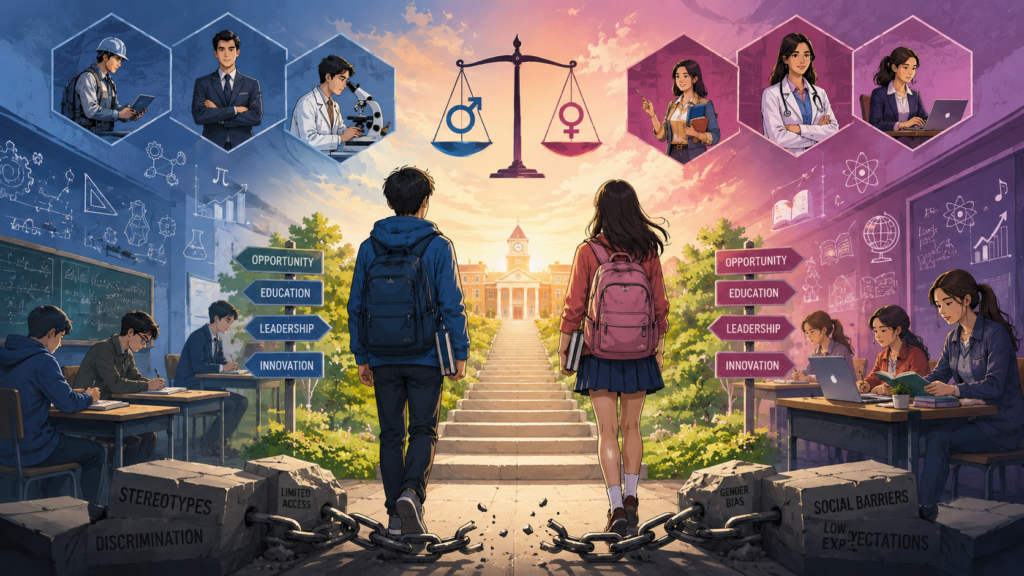
From a sociological perspective, the transition from education to work involves interactions among schools, families, communities, employers, and government institutions. These interactions influence individuals’ career opportunities and shape broader patterns of social inequality and mobility. This article examines education and workforce transition in Indiana through various sociological frameworks, exploring historical developments, contemporary challenges, policy initiatives, and future prospects.
Historical Context of Education and Employment in Indiana
Indiana’s educational and workforce systems have evolved alongside the state’s economic development. During the nineteenth and early twentieth centuries, Indiana’s economy relied heavily on agriculture and manufacturing. Educational institutions primarily focused on basic literacy and practical skills necessary for agricultural and industrial occupations.
As industrialization expanded, vocational education became increasingly important. Schools introduced technical training programs designed to prepare students for factory work, mechanical trades, and industrial occupations. The educational system functioned as a mechanism for supplying labor to growing industries.
Following World War II, Indiana experienced substantial industrial growth. Manufacturing industries offered stable employment opportunities that often required limited formal education beyond high school. Many workers could secure middle-class livelihoods through factory jobs, leading to a relatively straightforward transition from school to work.
However, economic globalization and technological advancements gradually altered labor market dynamics. Automation reduced demand for low-skilled industrial labor while increasing demand for workers possessing advanced technical competencies. Consequently, educational institutions faced growing pressure to prepare students for more complex and knowledge-intensive occupations.
Sociological Perspectives on Education and Workforce Transition
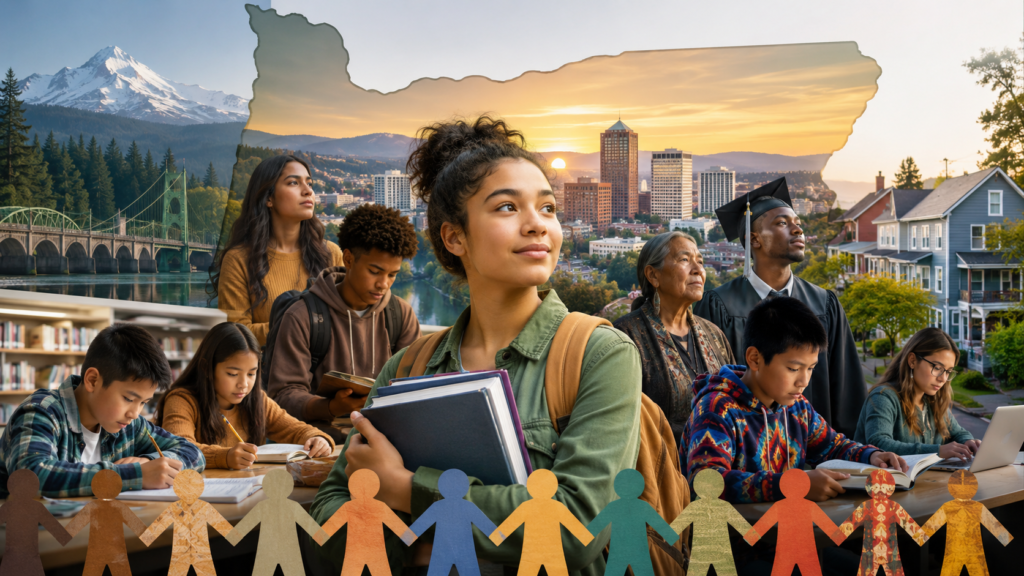
Functionalist Perspective
Functionalist sociologists view education as a social institution that contributes to societal stability and economic efficiency. According to this perspective, schools perform essential functions by transmitting knowledge, developing skills, and socializing individuals into workplace norms and values.
In Indiana, educational institutions serve as mechanisms for preparing individuals to occupy various occupational roles. Schools and colleges provide credentials that signal competence and facilitate labor market matching. Functionalists argue that effective workforce transition occurs when educational outcomes align with labor market demands.
Programs emphasizing science, technology, engineering, and mathematics (STEM) education reflect this functional relationship. By equipping students with skills needed in emerging industries, educational institutions contribute to economic productivity and social stability.
Conflict Perspective
Conflict theorists emphasize inequality and power relations within educational systems. They argue that education often reproduces existing social hierarchies rather than promoting equal opportunities.
In Indiana, disparities in educational resources, school quality, and access to higher education can influence workforce outcomes. Students from affluent communities generally enjoy greater educational advantages, including access to advanced courses, extracurricular opportunities, and college preparation resources.
These inequalities can translate into workforce disparities. Individuals from disadvantaged backgrounds may encounter barriers to acquiring the credentials and skills necessary for high-paying occupations. Thus, workforce transition is influenced not only by individual merit but also by structural inequalities embedded within educational systems.
Symbolic Interactionist Perspective
Symbolic interactionists focus on everyday interactions and the meanings individuals attach to educational and occupational experiences. Teachers, peers, counselors, and employers shape students’ aspirations and self-concepts through social interactions.
In Indiana schools, students often develop career ambitions through exposure to role models, mentorship programs, internships, and workplace experiences. Positive interactions can encourage educational achievement and career advancement, while negative labeling or low expectations may limit opportunities.
The symbolic dimension of workforce transition highlights the importance of identity formation and social expectations in shaping educational and occupational trajectories.
Economic Transformation and Changing Workforce Demands
Indiana’s economy has undergone significant transformation in recent decades. While manufacturing remains important, technological innovation has altered production processes and workforce requirements.
Advanced manufacturing now relies heavily on automation, robotics, artificial intelligence, and digital systems. Workers are increasingly expected to possess technical expertise and problem-solving abilities rather than simply perform routine tasks.
Healthcare has emerged as another major employment sector. Population aging and expanding healthcare needs have increased demand for nurses, medical technicians, healthcare administrators, and allied health professionals.
Information technology industries have also expanded, creating opportunities in software development, cybersecurity, data analysis, and digital communications. These occupations require specialized educational preparation and continuous skill development.
As a result, workforce transition in Indiana increasingly depends upon educational attainment and lifelong learning. Individuals must adapt to evolving occupational requirements throughout their careers.
The Role of K-12 Education

Primary and secondary education play critical roles in preparing students for workforce participation. Indiana schools are responsible not only for academic instruction but also for developing social skills, critical thinking abilities, and career awareness.
Educational reforms have increasingly emphasized college and career readiness. Schools seek to align curricula with workforce needs while ensuring students acquire foundational competencies.
Career exploration programs help students understand labor market opportunities and make informed educational decisions. Exposure to different occupations enables students to connect classroom learning with future employment prospects.
Furthermore, technological integration within classrooms reflects broader workplace changes. Digital literacy has become an essential skill across nearly all sectors of employment. Indiana schools have therefore expanded technology-based learning opportunities to prepare students for modern work environments.
Career and Technical Education (CTE)
Career and Technical Education has become a cornerstone of workforce preparation in Indiana. CTE programs provide students with practical skills and industry-specific training while allowing them to complete traditional academic requirements.
These programs challenge historical assumptions that vocational education is inferior to academic education. Modern CTE initiatives emphasize both technical competence and academic achievement.
Students may pursue pathways in healthcare, information technology, engineering, agriculture, business, advanced manufacturing, and other sectors. Industry certifications earned through CTE programs often enhance employability and facilitate smoother workforce transitions.
From a sociological perspective, CTE programs can promote social mobility by providing alternative routes to economic success. They may particularly benefit students who prefer applied learning environments or seek direct entry into skilled occupations.
Higher Education and Workforce Development
Indiana’s colleges and universities play a central role in workforce transition. Higher education institutions provide advanced knowledge, professional training, and research capabilities that support economic development.
Universities contribute to workforce preparation by producing graduates in fields such as engineering, education, healthcare, business, and technology. They also collaborate with employers to identify emerging skill needs and develop relevant academic programs.
Community colleges occupy a particularly important position within Indiana’s workforce ecosystem. They offer affordable educational opportunities, workforce certifications, and associate degree programs that facilitate entry into various occupations.
Higher education also serves broader sociological functions. It contributes to social mobility, cultural development, civic engagement, and identity formation. However, access to higher education remains uneven, reflecting broader patterns of social inequality.
Social Inequality and Educational Access
Educational opportunities are not distributed equally across all communities in Indiana. Socioeconomic status, race, geographic location, and family background significantly influence educational experiences and workforce outcomes.
Rural communities often face unique challenges, including limited access to advanced coursework, technological resources, and higher education institutions. Students in rural areas may encounter barriers to workforce preparation despite possessing strong academic potential.
Economic inequality can affect educational achievement through differences in housing conditions, nutrition, healthcare access, and educational resources. Families with greater financial resources can often provide additional support through tutoring, extracurricular activities, and college preparation services.
These disparities contribute to unequal workforce transitions. Sociologists emphasize that addressing educational inequality is essential for promoting workforce equity and broader social justice.
Workforce Transition and Youth Employment
The transition from school to work represents a critical life-course stage. Young adults must navigate educational choices, occupational decisions, and labor market uncertainties.
Internships, apprenticeships, and work-based learning experiences can facilitate successful transitions by providing practical experience and professional networks. These opportunities help students develop workplace competencies while reducing uncertainty about career choices.
However, workforce transition can be challenging for many young people. Economic fluctuations, technological changes, and shifting labor market demands create uncertainty regarding employment prospects.
Sociological research highlights the importance of social capital during this transition. Family connections, professional networks, and community resources often influence employment opportunities and career advancement.
Apprenticeships and Work-Based Learning
Indiana has increasingly embraced apprenticeship programs as a strategy for workforce development. Apprenticeships combine classroom instruction with paid work experience, allowing participants to earn while they learn.
These programs are particularly effective because they integrate educational and occupational experiences. Participants acquire technical skills, workplace knowledge, and professional relationships simultaneously.
From a sociological perspective, apprenticeships facilitate smoother workforce transitions by reducing the gap between educational institutions and labor markets. They also help address employer concerns regarding skill shortages.
Work-based learning experiences foster practical competence and strengthen students’ confidence in navigating occupational environments.
Technology, Automation, and Future Workforce Challenges
Technological change continues to reshape Indiana’s workforce landscape. Automation has transformed manufacturing processes and altered occupational structures across multiple industries.
Some routine jobs have disappeared, while new occupations requiring advanced technical skills have emerged. Workers increasingly need adaptability, creativity, and problem-solving abilities that cannot easily be replicated by machines.
Educational institutions must therefore prepare students for a future characterized by continuous change. Lifelong learning has become a necessity rather than an option.
The sociological implications of automation extend beyond employment. Technological change influences community structures, social identities, family dynamics, and patterns of inequality. Effective workforce transition strategies must address these broader social consequences.
Government Policies and Workforce Initiatives
Indiana policymakers have implemented various initiatives aimed at strengthening education-workforce connections. These efforts seek to improve educational outcomes, expand workforce training opportunities, and support economic development.
Public-private partnerships have become increasingly important. Collaboration among schools, colleges, employers, and government agencies helps align educational programs with labor market needs.
Workforce development policies often focus on high-demand sectors, including healthcare, technology, advanced manufacturing, and logistics. Such initiatives aim to enhance both individual employment prospects and regional economic competitiveness.
Sociologically, these policies reflect attempts to coordinate multiple social institutions in pursuit of common developmental goals.
Community and Family Influences
Families and communities play crucial roles in shaping educational and occupational outcomes. Parents influence educational aspirations, provide emotional support, and help children navigate career decisions.
Community resources, including libraries, youth organizations, mentoring programs, and local businesses, contribute to workforce preparation. Strong community networks can expand opportunities and strengthen social capital.
Cultural values regarding education and employment also affect workforce transitions. Communities that emphasize educational achievement and lifelong learning often create supportive environments for career development.
Understanding workforce transition requires recognizing these social contexts rather than focusing solely on individual characteristics.
Future Directions for Education and Workforce Transition in Indiana
The future of workforce transition in Indiana will likely depend on continued adaptation to technological, economic, and demographic changes. Educational institutions must remain responsive to evolving workforce requirements while preserving broader educational objectives.
Greater emphasis on interdisciplinary learning, digital literacy, critical thinking, and adaptability may become increasingly important. Educational systems must balance vocational preparation with broader intellectual and civic development.
Addressing educational inequalities will remain essential for promoting inclusive workforce participation. Investments in underserved communities, technological infrastructure, and support services can help expand opportunities.
Collaboration among educators, employers, policymakers, and community organizations will be critical for creating effective workforce pathways. Such partnerships can strengthen connections between learning and employment while supporting social mobility and economic development.
Conclusion
Education and workforce transition in Indiana represent a complex sociological process shaped by economic transformation, social institutions, cultural values, and structural inequalities. As Indiana’s economy evolves from traditional industrial foundations toward more technology-driven and knowledge-intensive sectors, educational institutions face growing responsibility for workforce preparation.
Functionalist perspectives highlight the role of education in meeting labor market needs, while conflict theories emphasize persistent inequalities affecting educational and occupational opportunities. Symbolic interactionism further demonstrates the importance of social relationships and individual experiences in shaping career trajectories.
Indiana’s efforts to strengthen career and technical education, expand apprenticeships, enhance higher education access, and promote workforce development reflect broader attempts to adapt to changing economic realities. Nevertheless, challenges related to inequality, technological disruption, and workforce readiness remain significant.
Ultimately, successful workforce transition requires coordinated action among schools, families, communities, employers, and government institutions. By fostering educational equity, lifelong learning, and meaningful workforce opportunities, Indiana can support both economic prosperity and social well-being in the decades ahead.
FAQs on Workforce Transition in Indiana
1. What is Workforce Transition in Indiana?
Workforce Transition in Indiana refers to the process through which individuals move from education and training programs into employment while adapting to changing labor market demands and economic conditions.
2. Why is Workforce Transition in Indiana important?
Workforce Transition in Indiana is important because it helps align educational outcomes with employer needs, supports economic growth, and improves career opportunities for residents.
3. How has technology influenced Workforce Transition in Indiana?
Technology has transformed Workforce Transition in Indiana by increasing demand for digital skills, technical expertise, and lifelong learning while reducing reliance on some routine occupations.
4. What role do schools play in Workforce Transition in Indiana?
Schools contribute to Workforce Transition in Indiana by providing foundational education, career guidance, digital literacy, and college and career readiness programs.
5. How does Career and Technical Education support Workforce Transition in Indiana?
Career and Technical Education supports Workforce Transition in Indiana by offering practical training, industry certifications, and hands-on experiences that prepare students for high-demand careers.
6. What industries are driving Workforce Transition in Indiana?
Advanced manufacturing, healthcare, information technology, logistics, and business services are major sectors influencing Workforce Transition in Indiana.
7. How do community colleges contribute to Workforce Transition in Indiana?
Community colleges support Workforce Transition in Indiana through affordable degree programs, workforce certifications, and partnerships with local employers.
8. What challenges affect Workforce Transition in Indiana?
Challenges include technological disruption, skill gaps, educational inequality, workforce shortages, and differences in access to educational resources.
9. How does social inequality impact Workforce Transition in Indiana?
Social inequality can affect Workforce Transition in Indiana by creating disparities in educational opportunities, career preparation, and access to professional networks.
10. What is the role of apprenticeships in Workforce Transition in Indiana?
Apprenticeships enhance Workforce Transition in Indiana by combining paid work experience with classroom instruction, helping participants gain valuable skills and employment opportunities.
11. How does higher education influence Workforce Transition in Indiana?
Higher education strengthens Workforce Transition in Indiana by preparing students for professional careers and equipping them with specialized knowledge and skills.
12. Why is lifelong learning essential for Workforce Transition in Indiana?
Lifelong learning is essential for Workforce Transition in Indiana because workers must continually update their skills to remain competitive in a rapidly changing economy.
13. How do families influence Workforce Transition in Indiana?
Families influence Workforce Transition in Indiana by shaping educational aspirations, providing support, and helping individuals navigate career decisions.
14. What government initiatives support Workforce Transition in Indiana?
Various state initiatives support Workforce Transition in Indiana through workforce development programs, educational funding, employer partnerships, and job-training opportunities.
15. What is the future of Workforce Transition in Indiana?
The future of Workforce Transition in Indiana will likely focus on digital skills, workforce adaptability, educational innovation, and stronger collaboration between educational institutions and employers.